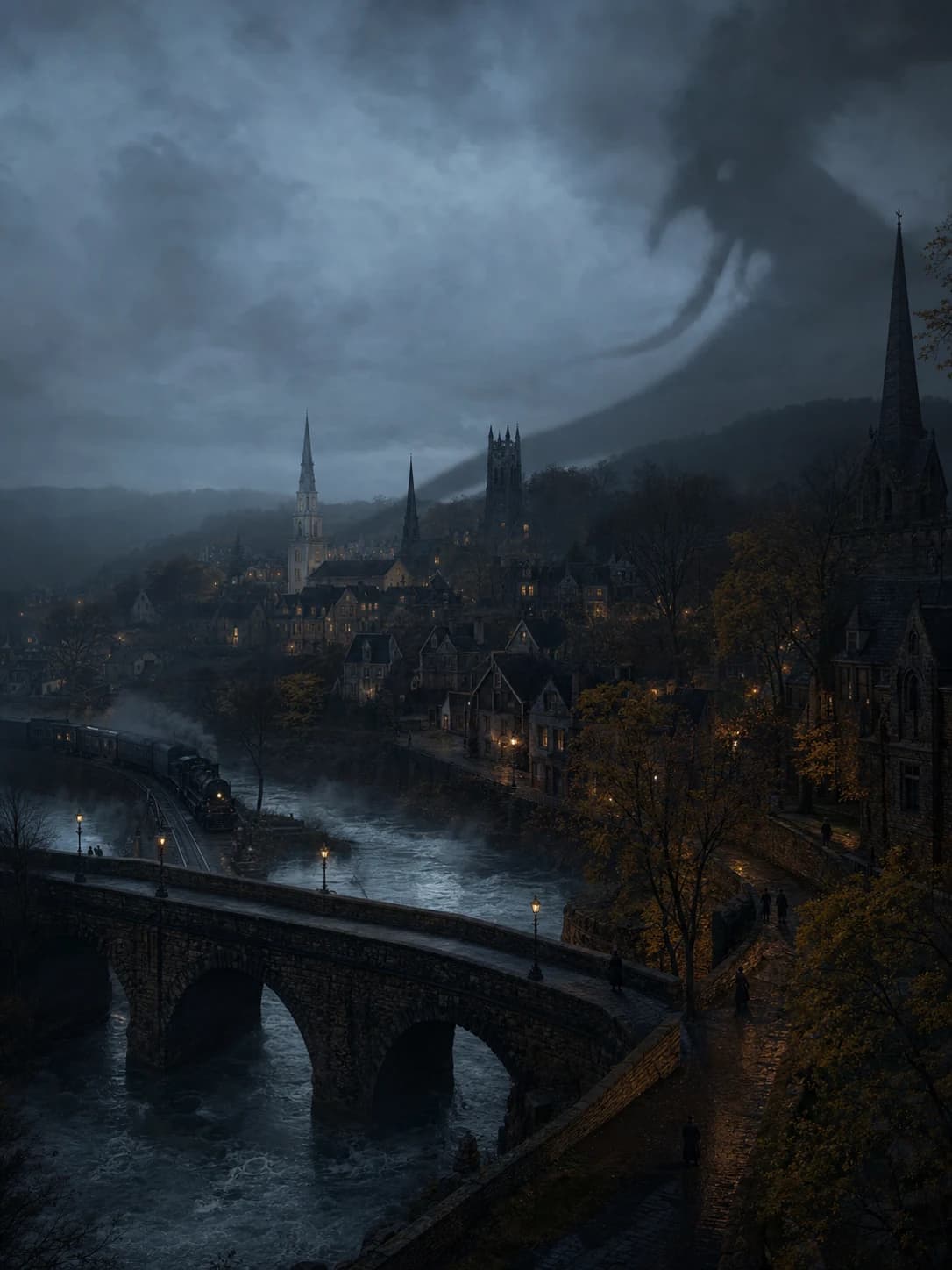
 № 001
№ 001Cthulhu Mythos
Arkham
Modern
阿卡姆
The River Town of Witch-Lanes and University Lamps
Modern mythologies · 26
The Cthulhu Mythos was never a finished pantheon. Across stories, collaborations, and letters, H. P. Lovecraft repeatedly released a cluster of answering names—Arkham, Miskatonic University, the Necronomicon, ancient powers, and a deep cosmos that owes humanity nothing. They do not form a doctrine and often contradict one another. Lovecraft jokingly called the loose shared apparatus “Yog-Sothothery”; the umbrella term “Cthulhu Mythos” was chiefly popularized after his death by August Derleth. Derleth then arranged the beings into elemental factions and a moral war, an influential later interpretation rather than the order of Lovecraft's fiction.
This volume begins with the Lovecraft core now available in public-domain United States editions, returning each name to the story in which it actually appears. It separately marks predecessors such as Ambrose Bierce and Robert W. Chambers, and the changes made by Derleth and later writers. Hastur shows why the layers matter: a shepherd god in Bierce, entangled with the King in Yellow and Carcosa in Chambers, a passing forbidden name in Lovecraft, and only later fashioned into Cthulhu's elemental rival. Completeness here means preserving authors, dates, and incompatible versions rather than flattening them into false scripture.
The mythology also carries the shadow of its maker's time. Lovecraft's racism, xenophobia, and class fear are not incidental marks outside the cosmic horror; they helped shape his dread of mixture, immigration, decaying cities, and unknown ancestry. The relevant leaves name that source while also recording how later writers of other races, genders, and regions have taken the cosmos back and made it answer different questions. The night may remain. Prejudice will not be disguised as an eternal truth.
Opening the origin story…
№ 001Cthulhu Mythos
阿卡姆
The River Town of Witch-Lanes and University Lamps
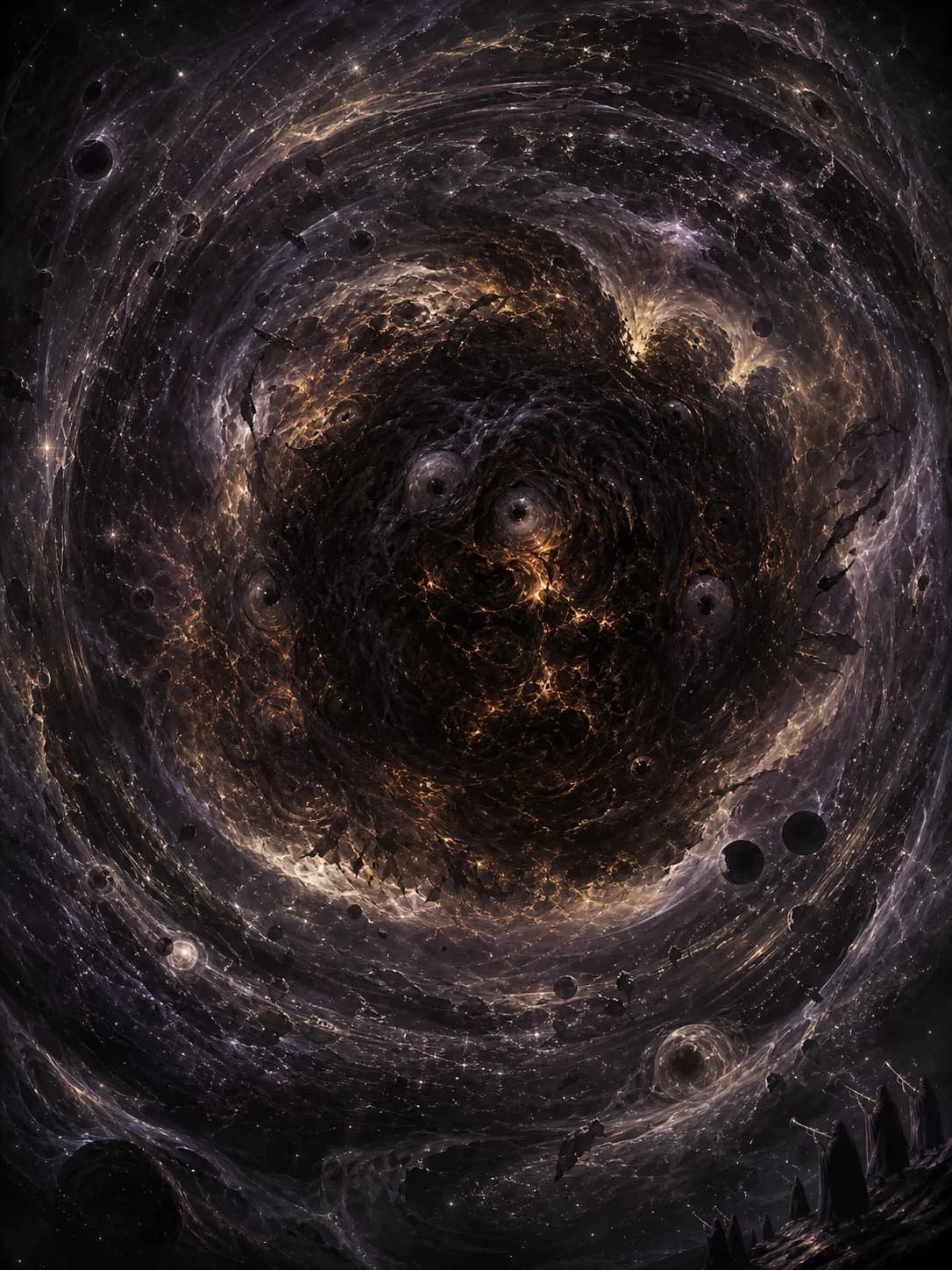 № 002
№ 002Cthulhu Mythos
阿撒托斯
The Blind Pulse at the Court of Chaos
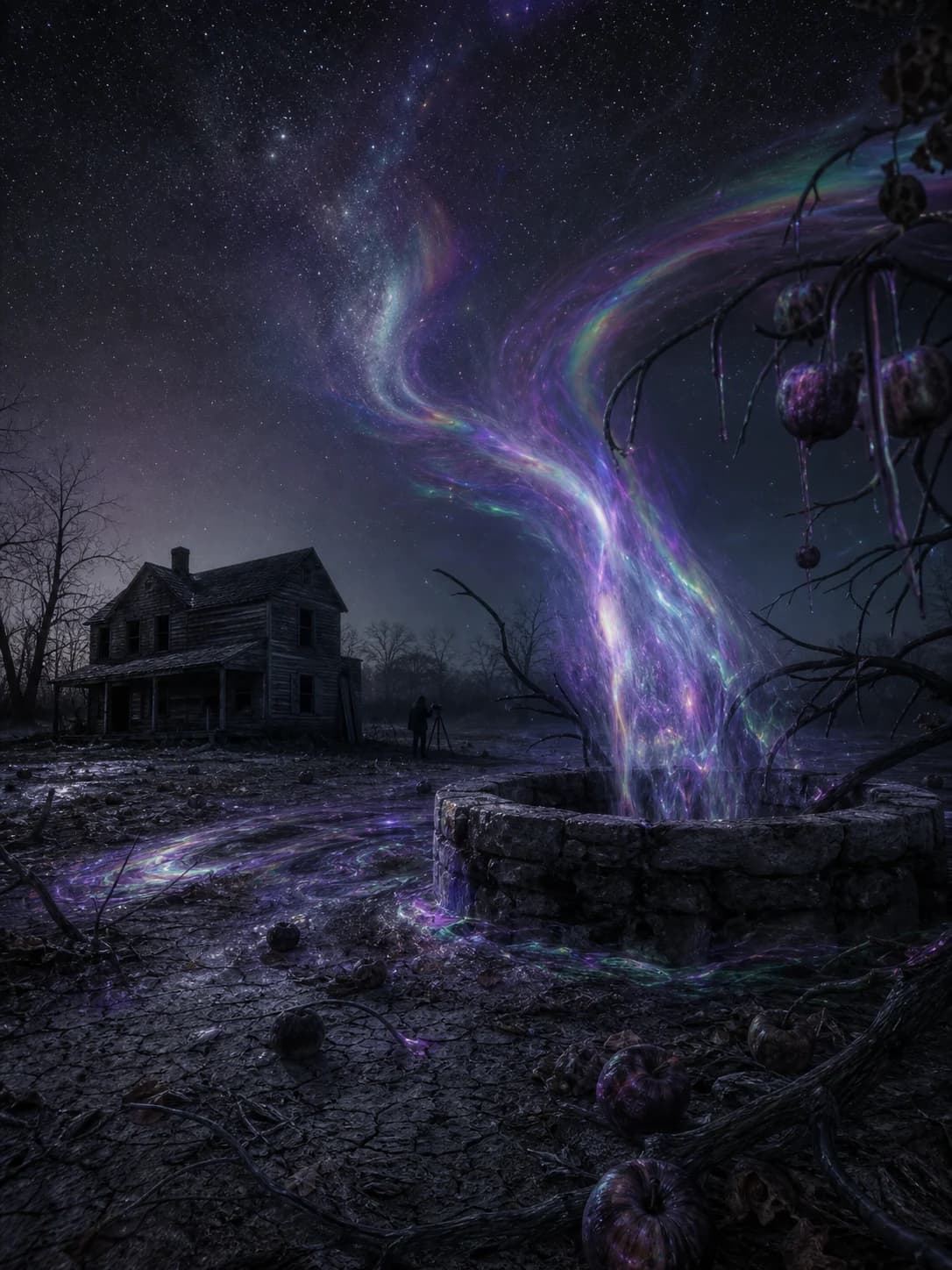 № 003
№ 003Cthulhu Mythos
星之彩
The Colour That Fell Outside the Spectrum
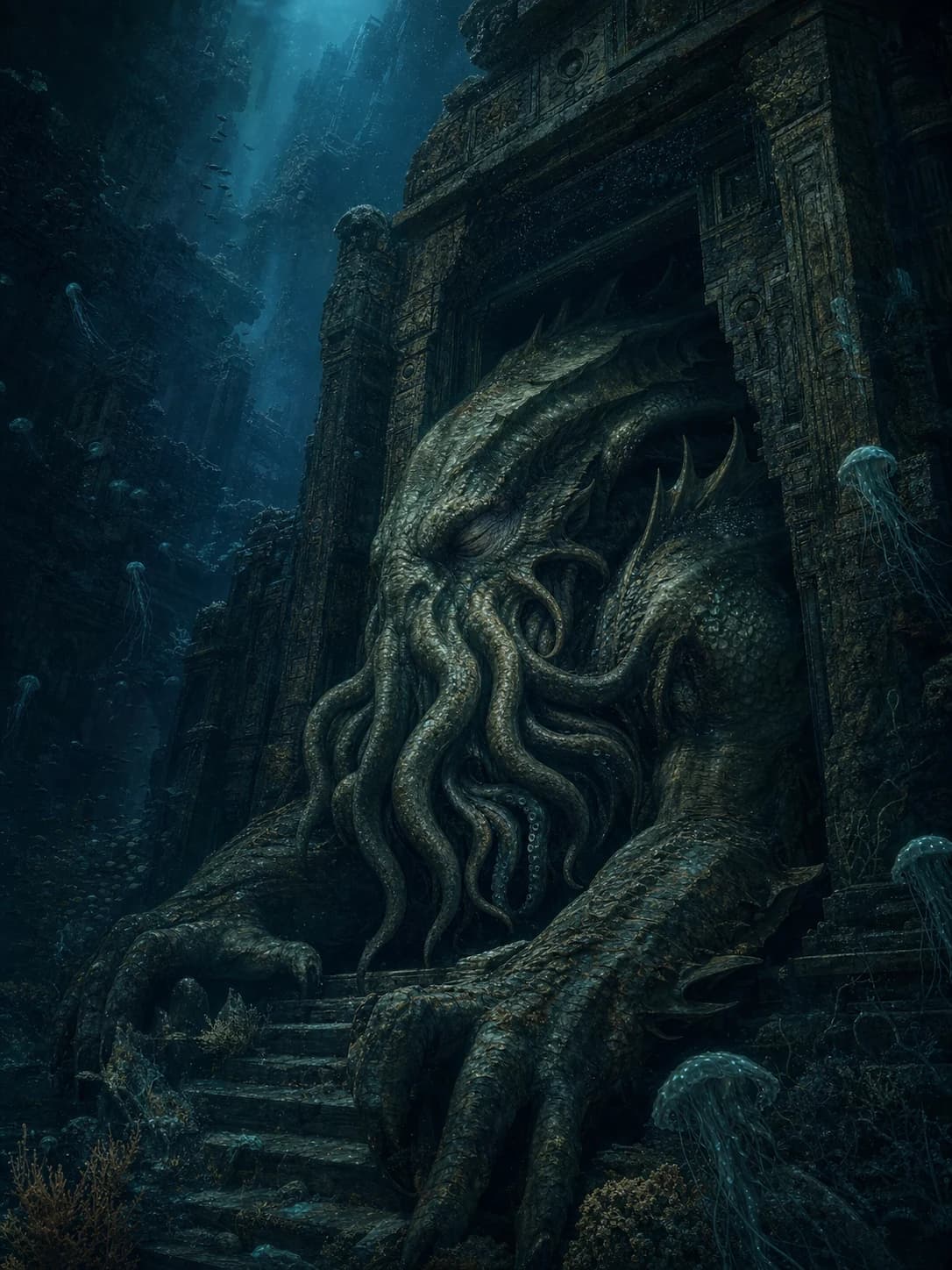 № 004
№ 004Cthulhu Mythos
克苏鲁
The Sleeper Beneath the Angles of R’lyeh
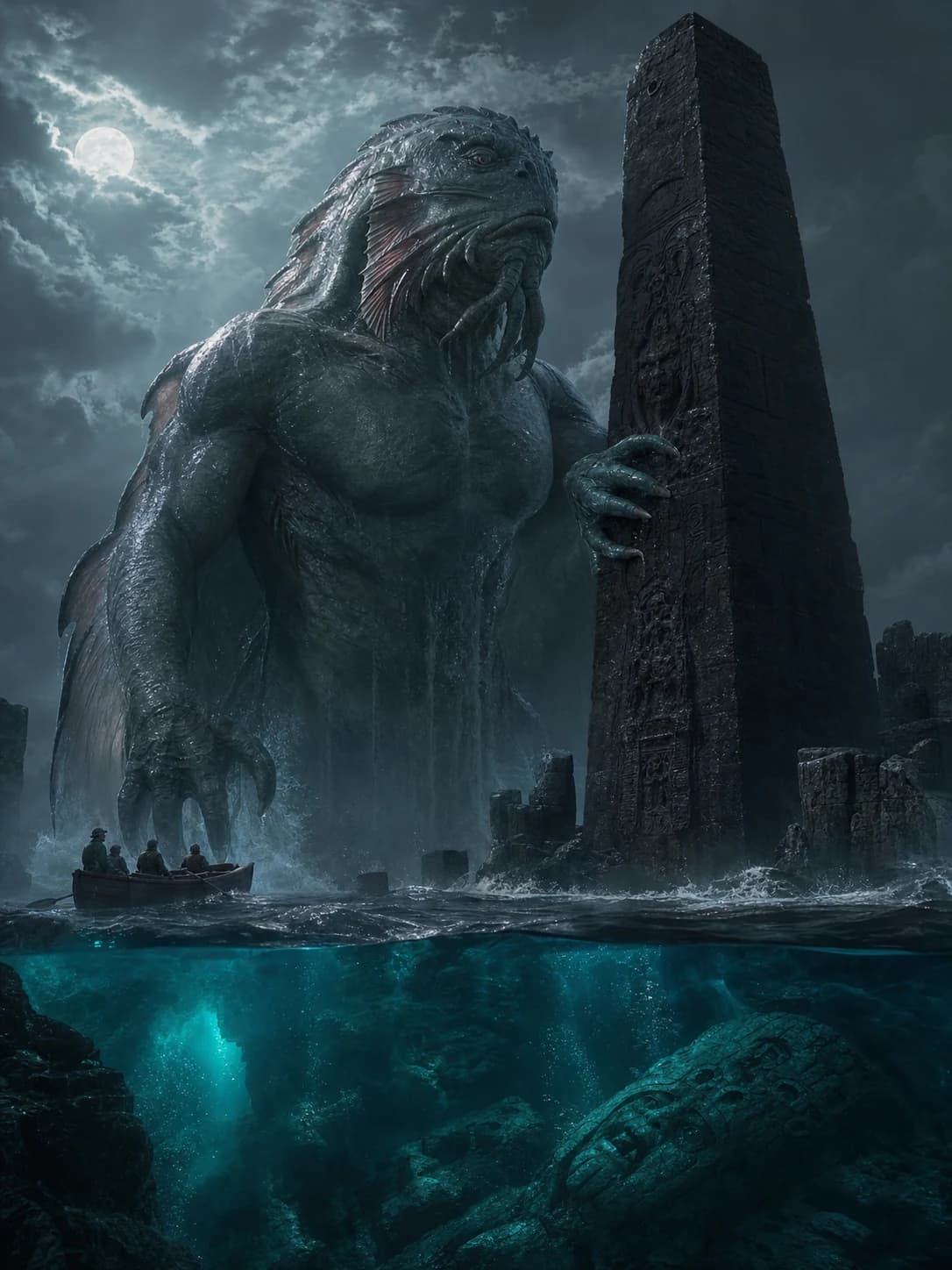 № 005
№ 005Cthulhu Mythos
达贡
The Father-Name Raised Before the Deep
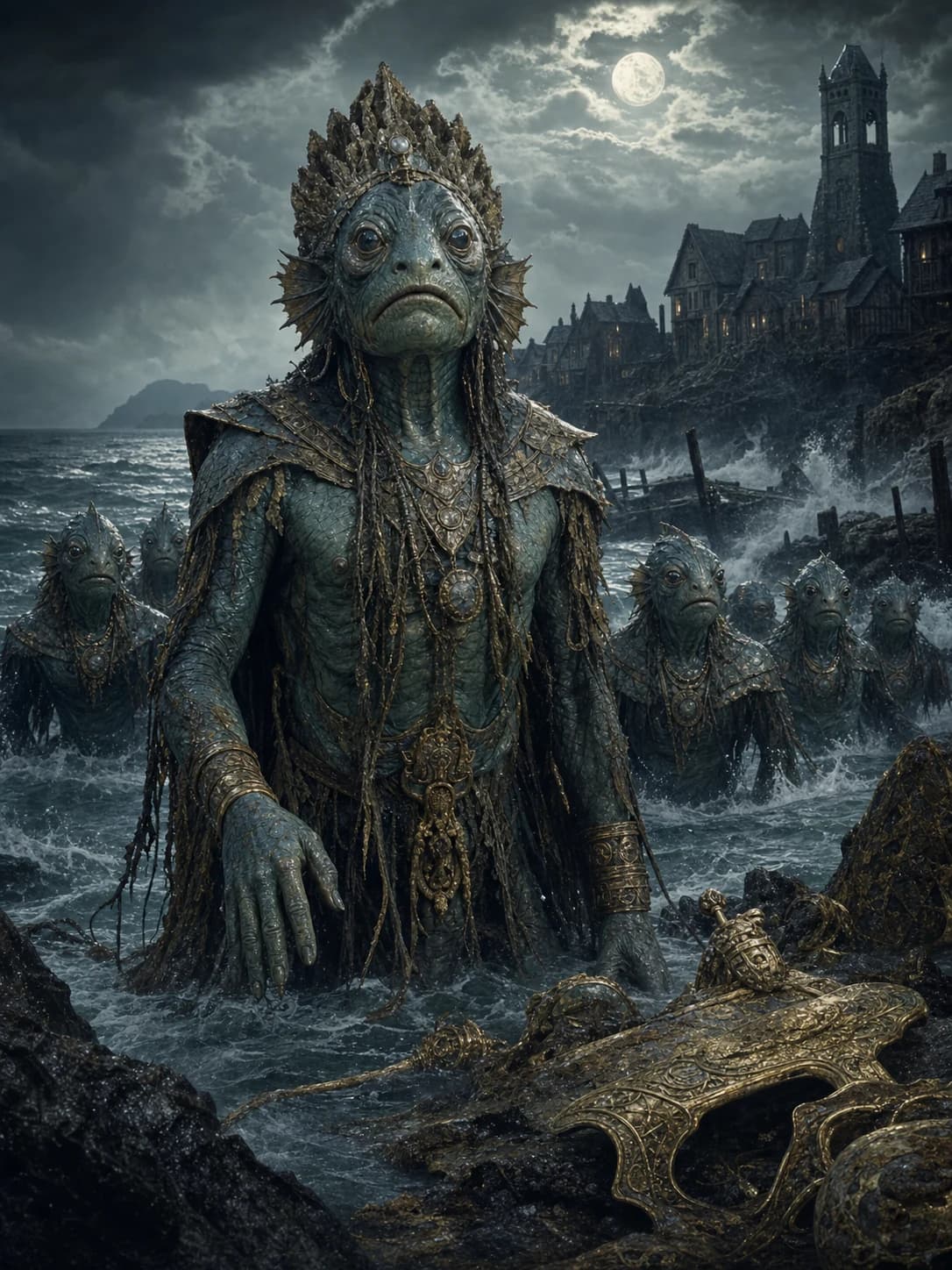 № 006
№ 006Cthulhu Mythos
深潜者
The Deathless People Between Trench and Bloodline
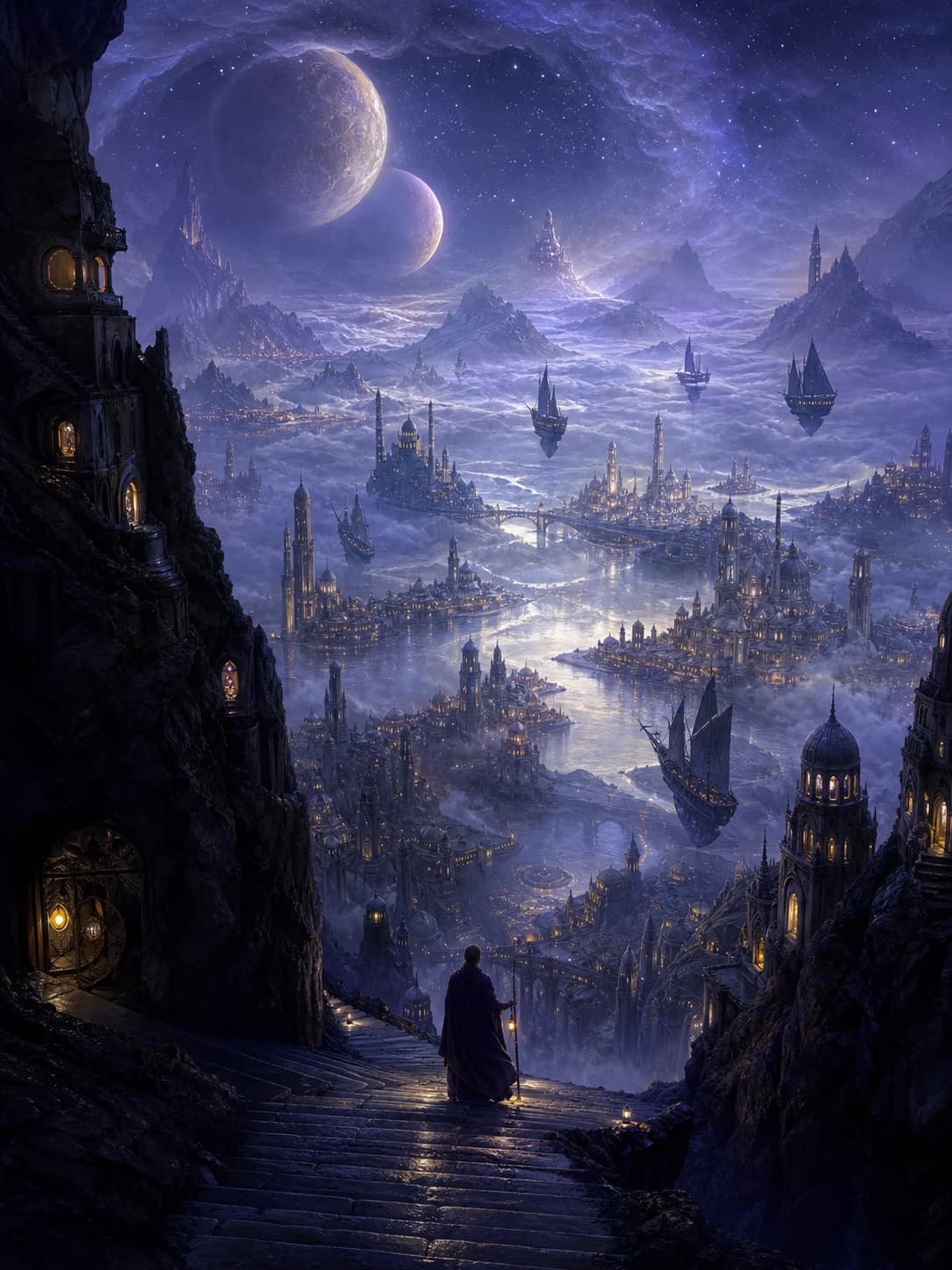 № 007
№ 007Cthulhu Mythos
幻梦境
The Second World Beyond Seventy Steps of Sleep
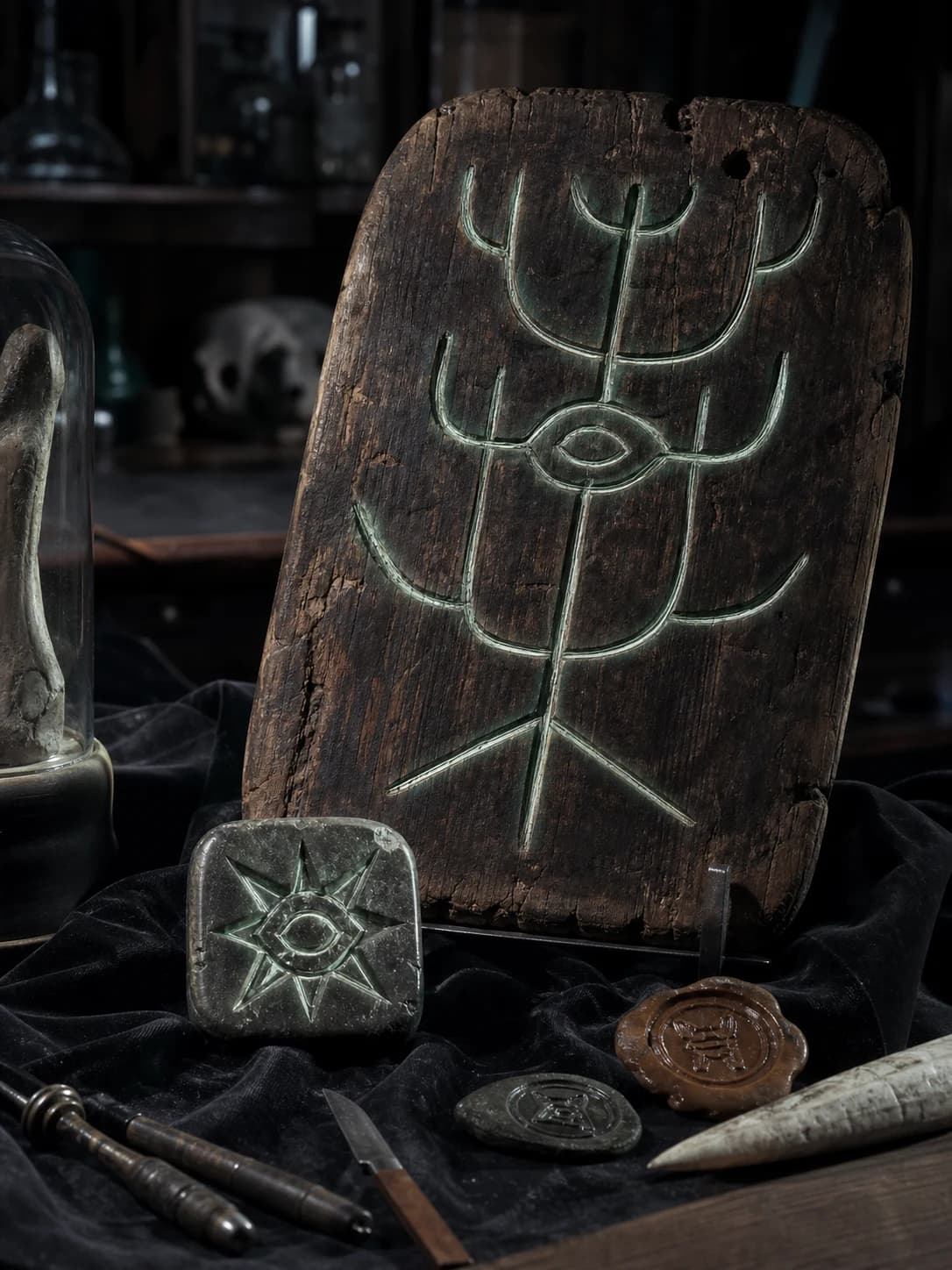 № 008
№ 008Cthulhu Mythos
旧印
The Sign Drawn Between Protection and Reinvention
 № 009
№ 009Cthulhu Mythos
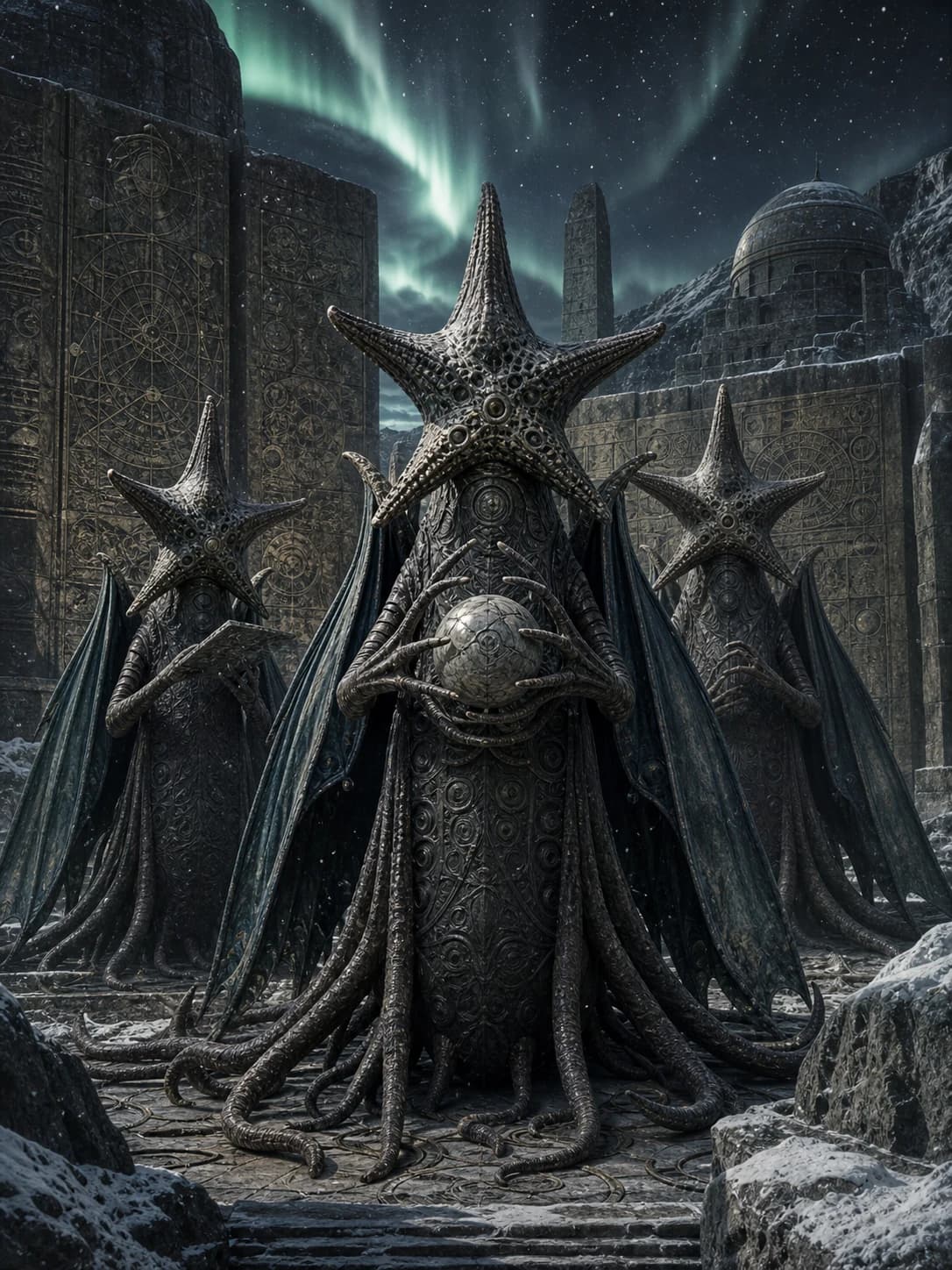
远古种族
The Star-Headed Makers of Earth’s Buried Prehistory
 № 010
№ 010Cthulhu Mythos
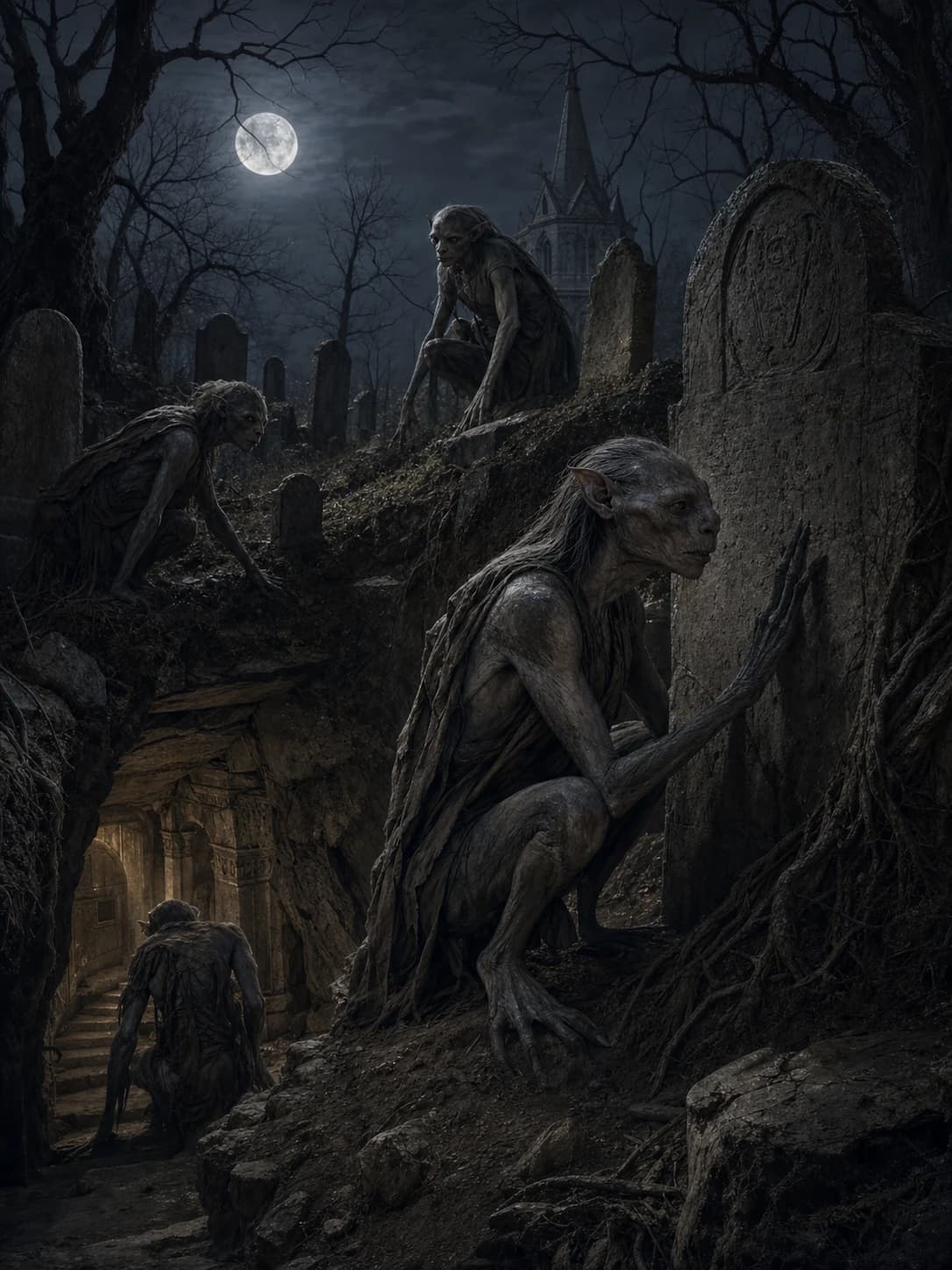
食尸鬼
The Night People Beneath the Last Cemetery
 № 011
№ 011Cthulhu Mythos
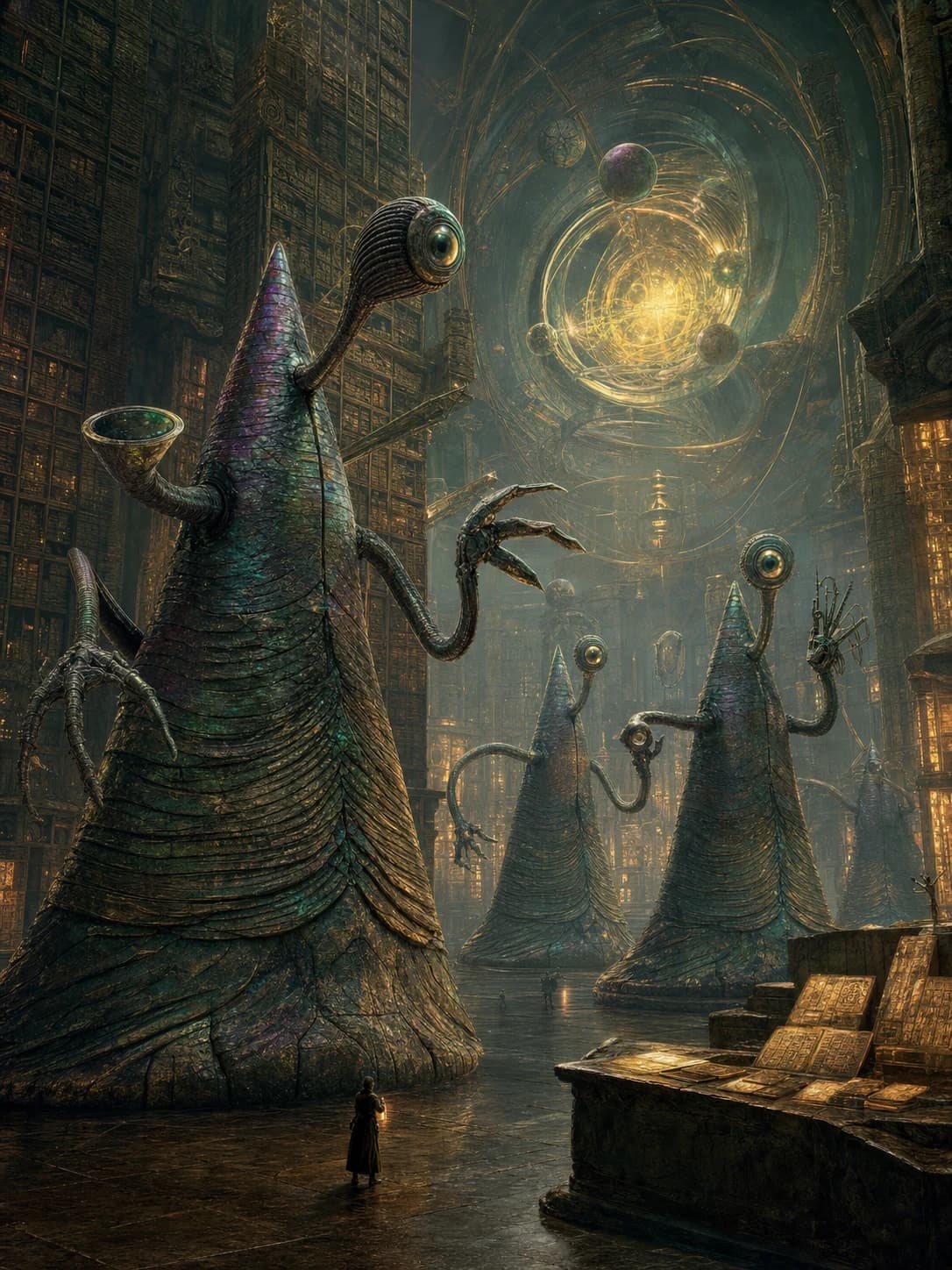
伊斯之伟大种族
The Archivists Who Exchange Minds Across Time
 № 012
№ 012Cthulhu Mythos
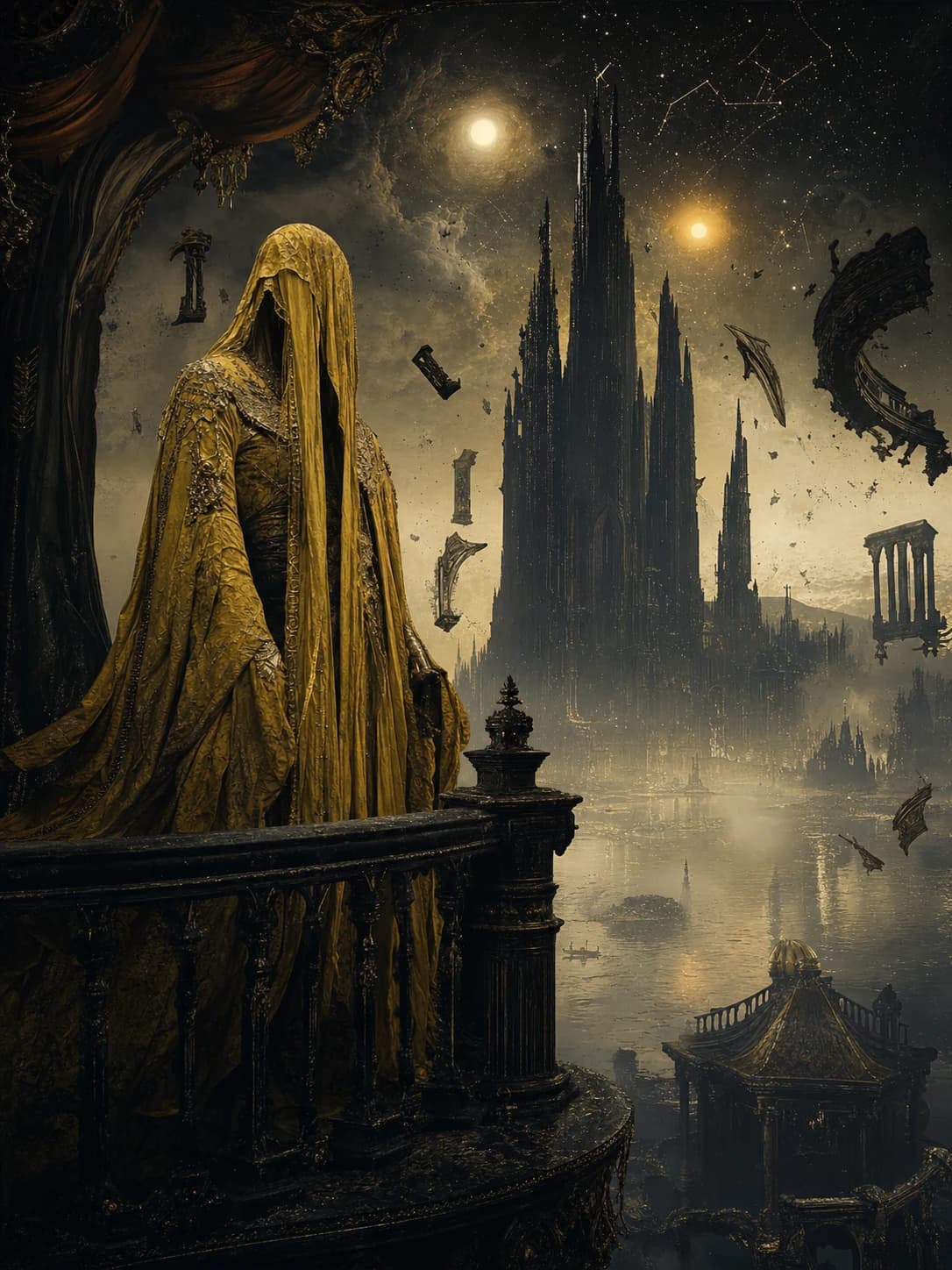
哈斯塔
The Name Migrating Through Shepherd, Star, and Yellow Pages
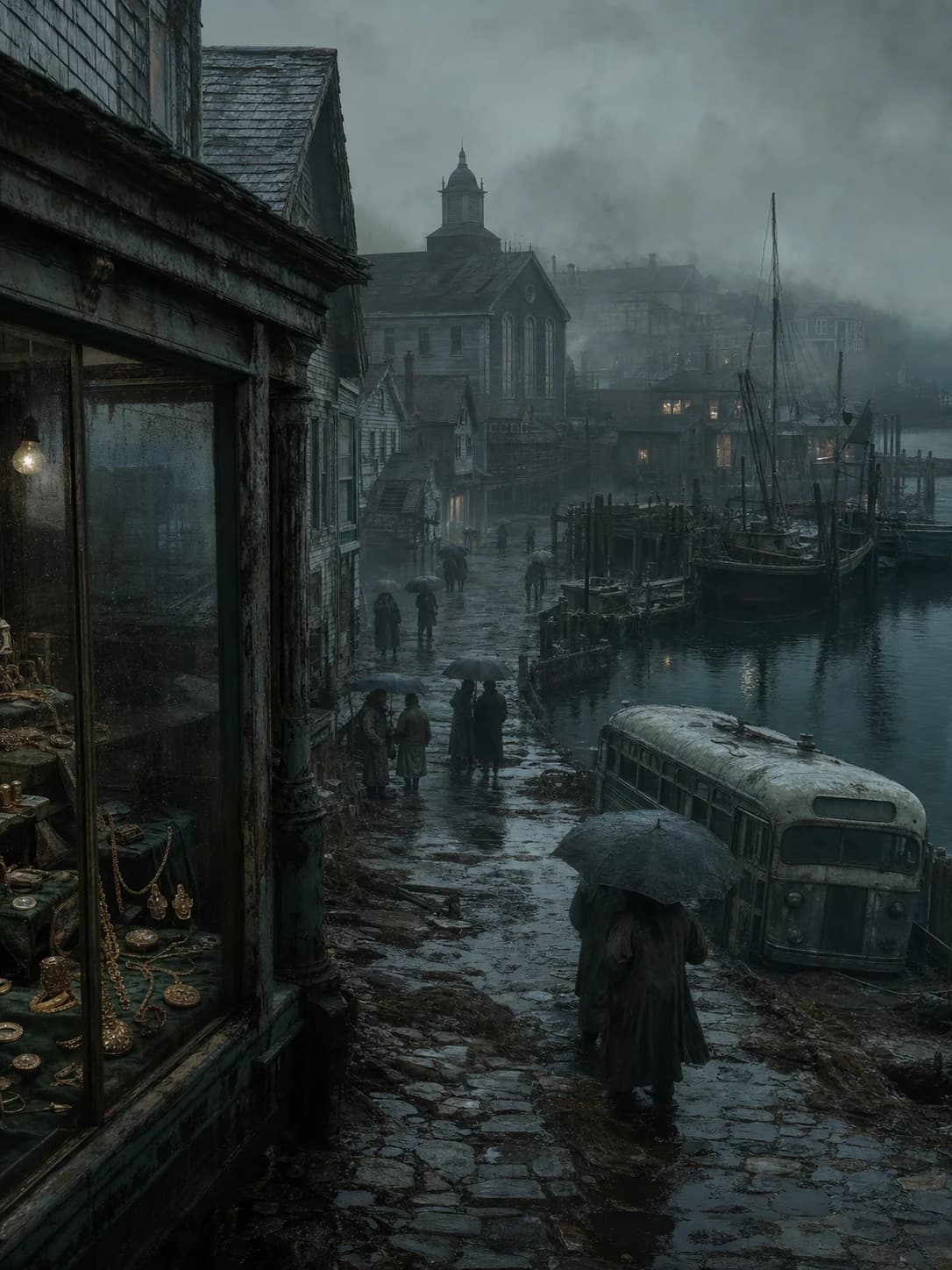 № 013
№ 013Cthulhu Mythos
因斯茅斯
The Decaying Port Where the Tide Enters the Blood
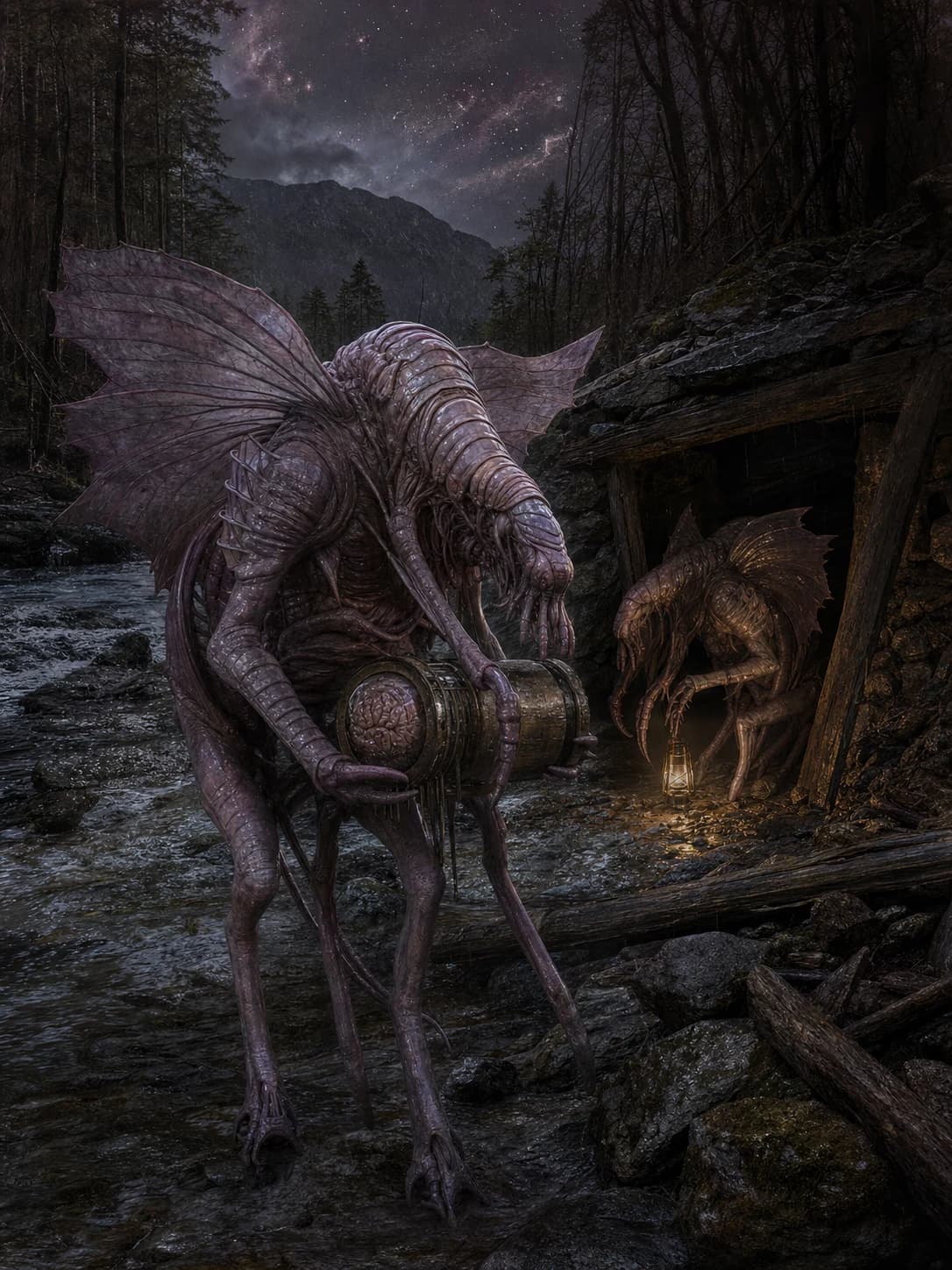 № 014
№ 014Cthulhu Mythos
米·戈
The Winged Fungi Crossing Vacuum from Yuggoth
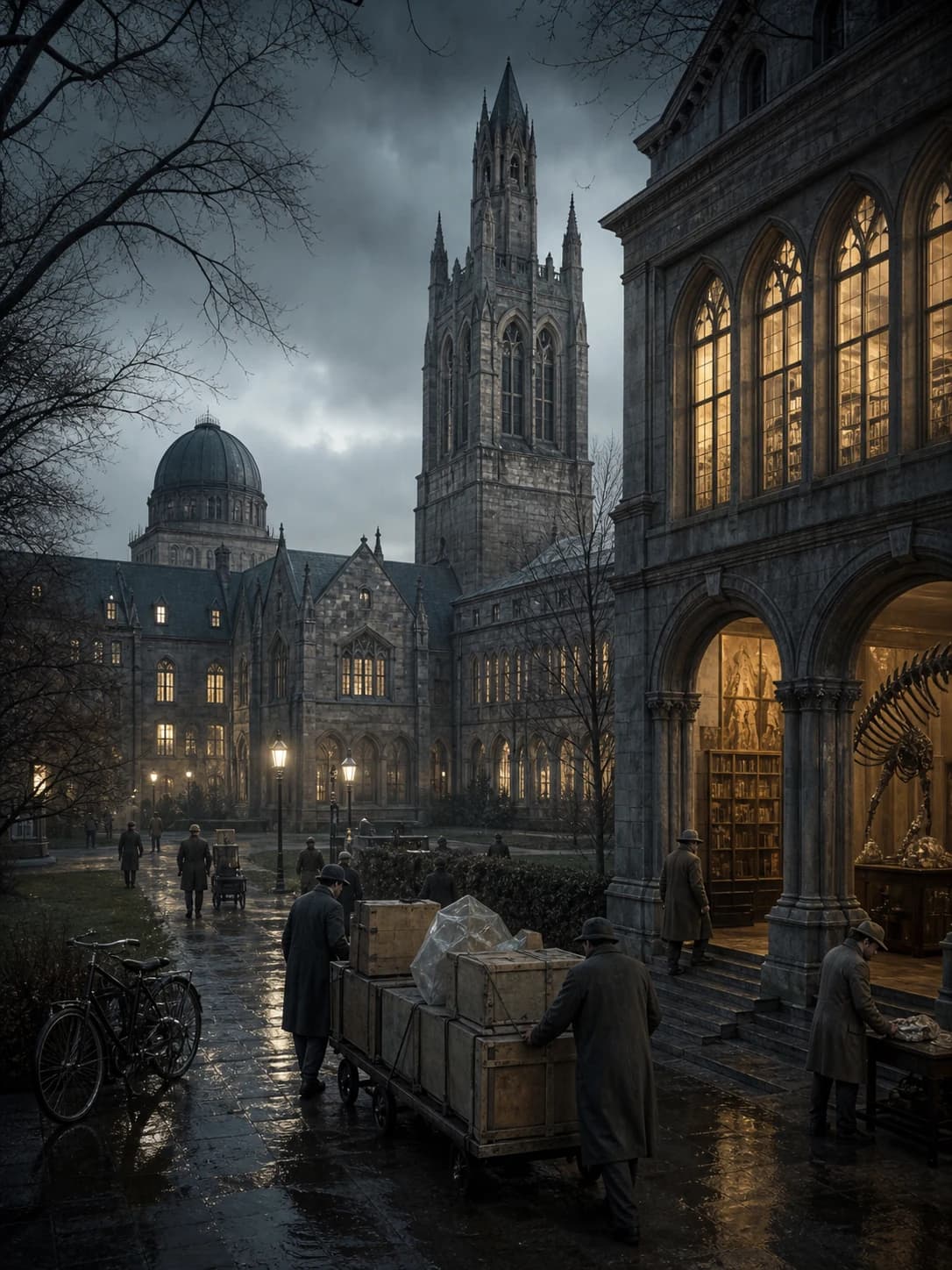 № 015
№ 015Cthulhu Mythos
米斯卡托尼克大学
The University Cataloguing Forbidden Books and Antarctic Ice
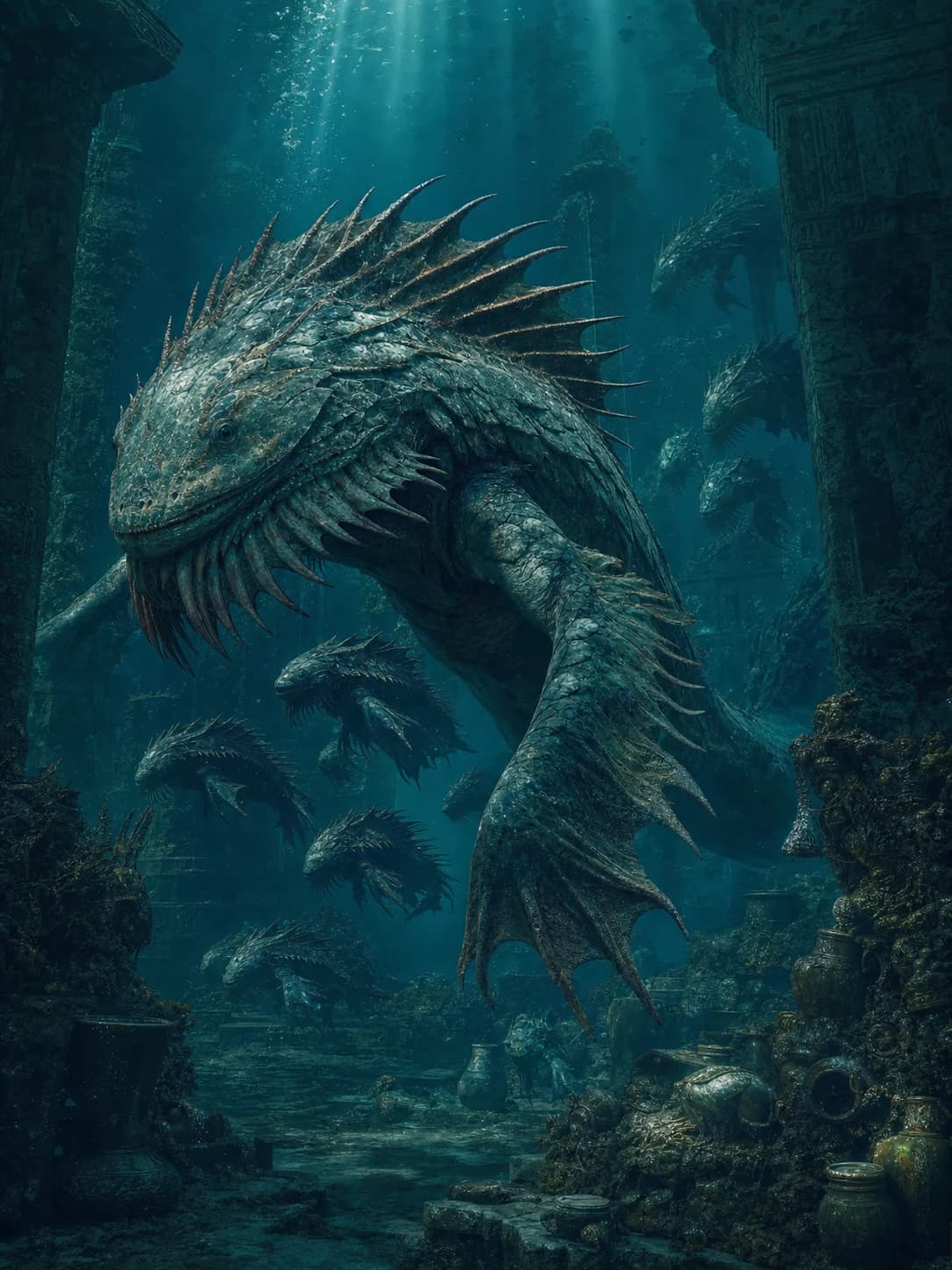 № 016
№ 016Cthulhu Mythos
母神海德拉
The Mother-Name in Innsmouth’s Tide-Rites
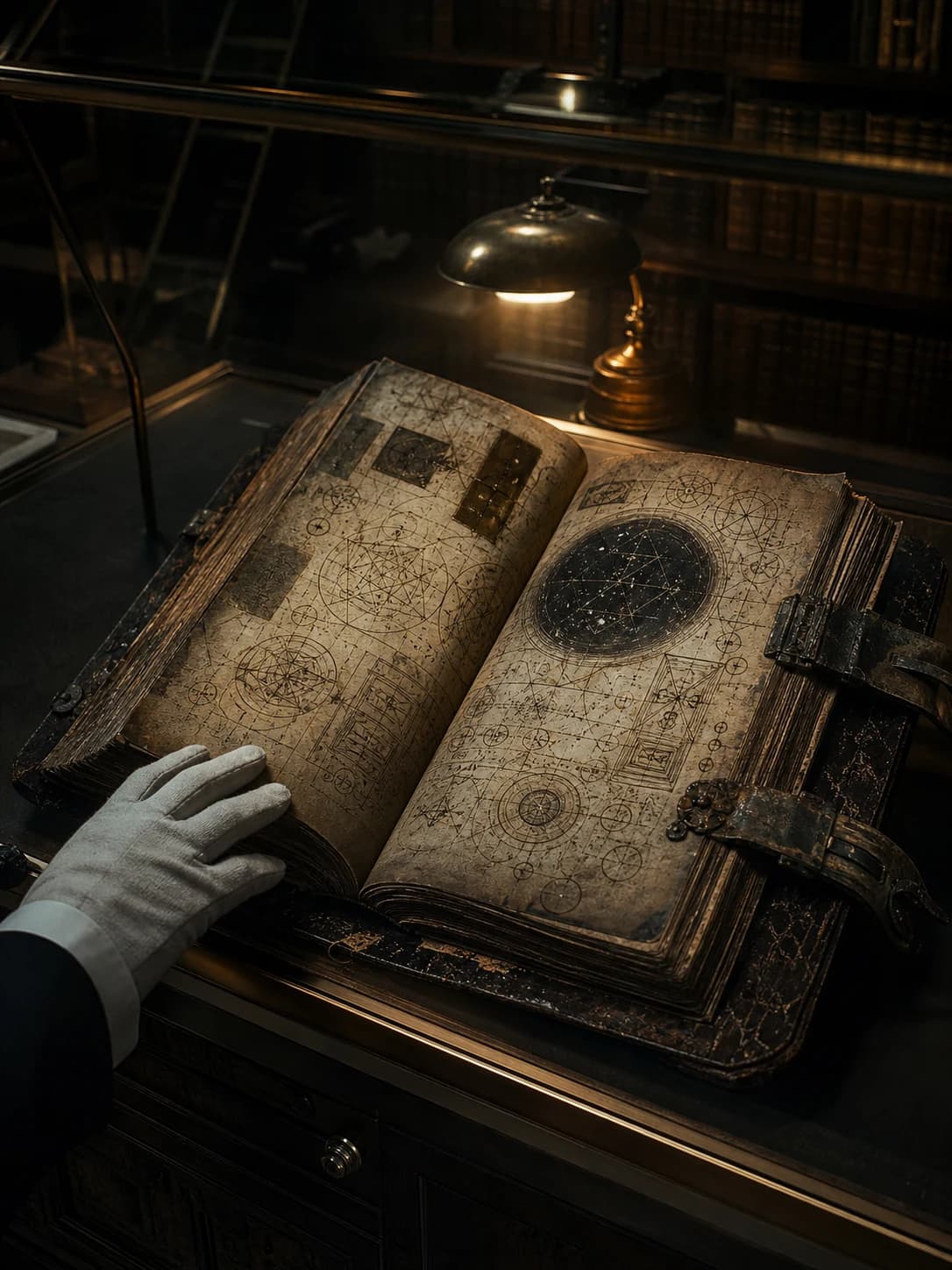 № 017
№ 017Cthulhu Mythos
死灵之书
The Forbidden Book That Never Existed Yet Has a History
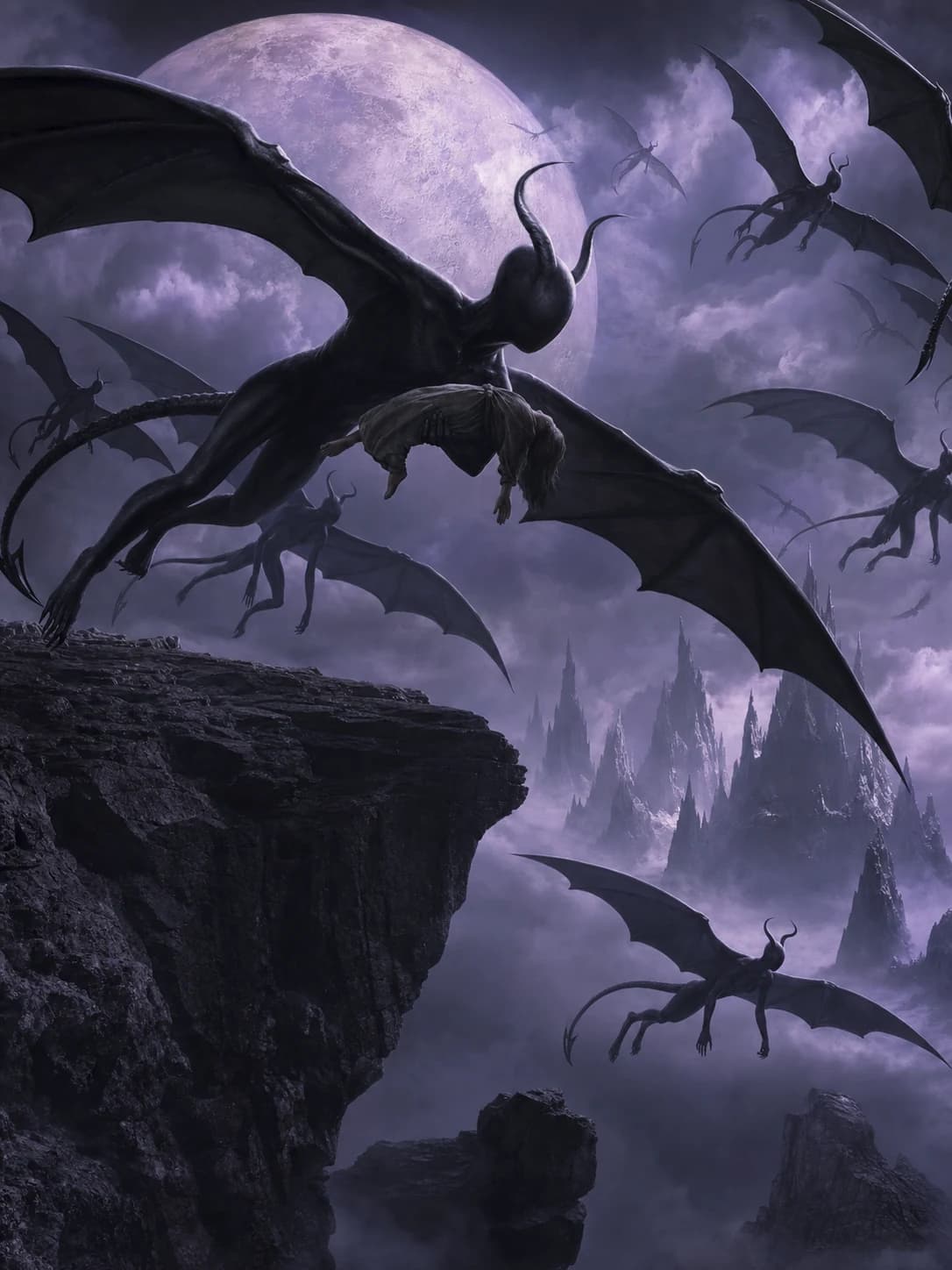 № 018
№ 018Cthulhu Mythos
夜魇
Faceless Wings Descending from Dream’s Cliffs
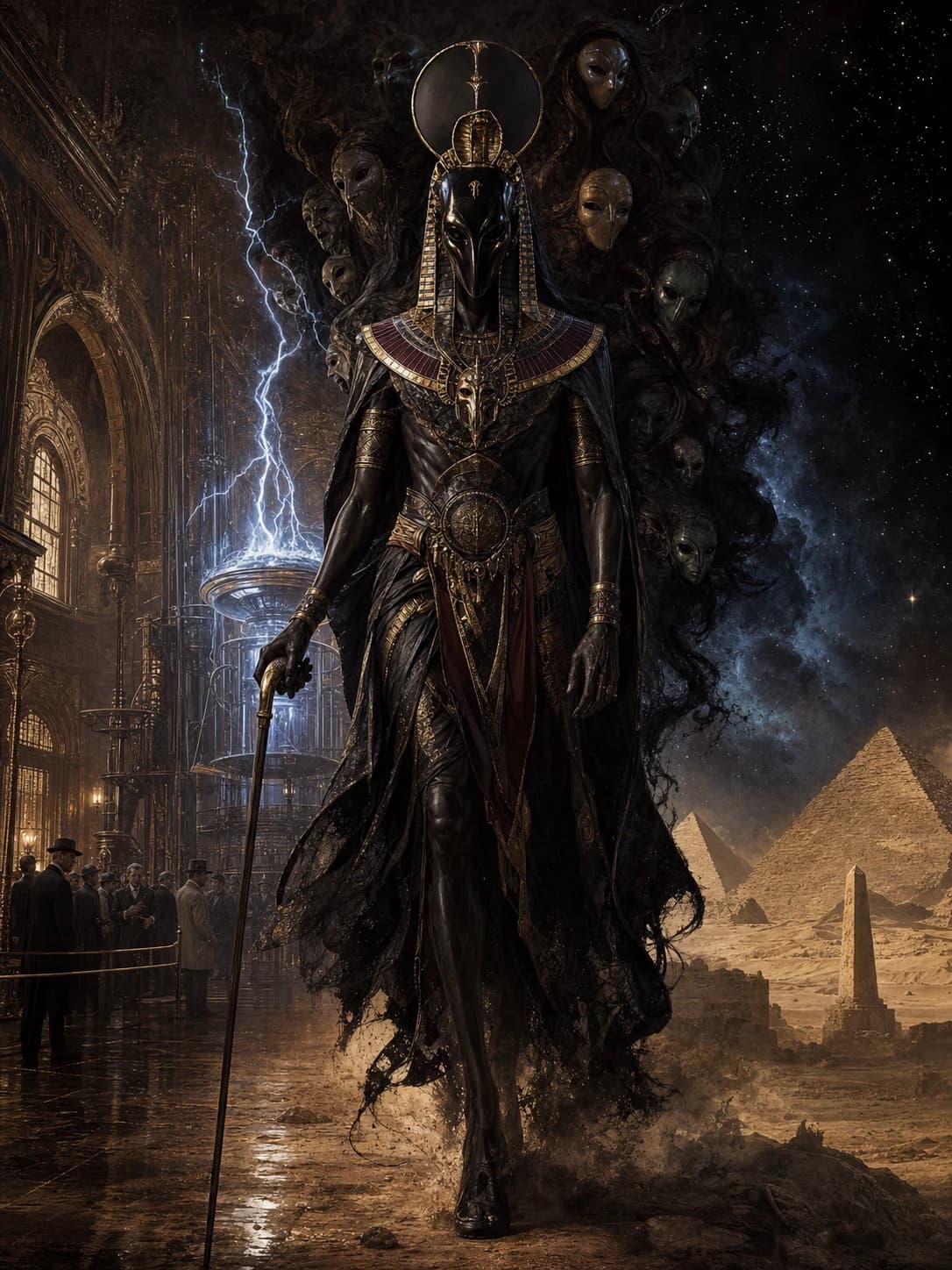 № 019
№ 019Cthulhu Mythos
奈亚拉托提普
The Crawling Chaos in a Thousand Masks
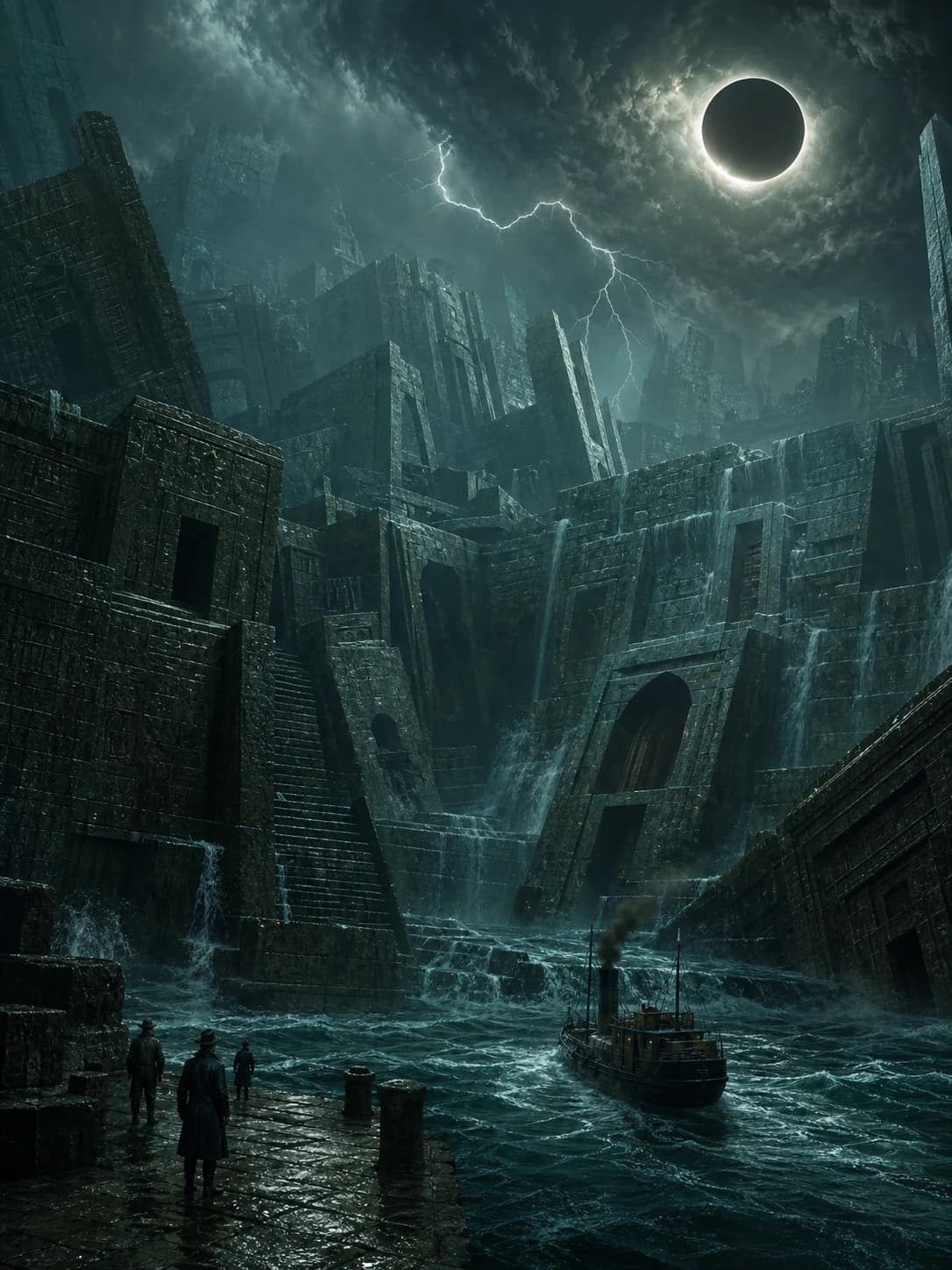 № 020
№ 020Cthulhu Mythos
拉莱耶
The Drowned City Waiting Beneath Impossible Angles
 № 021
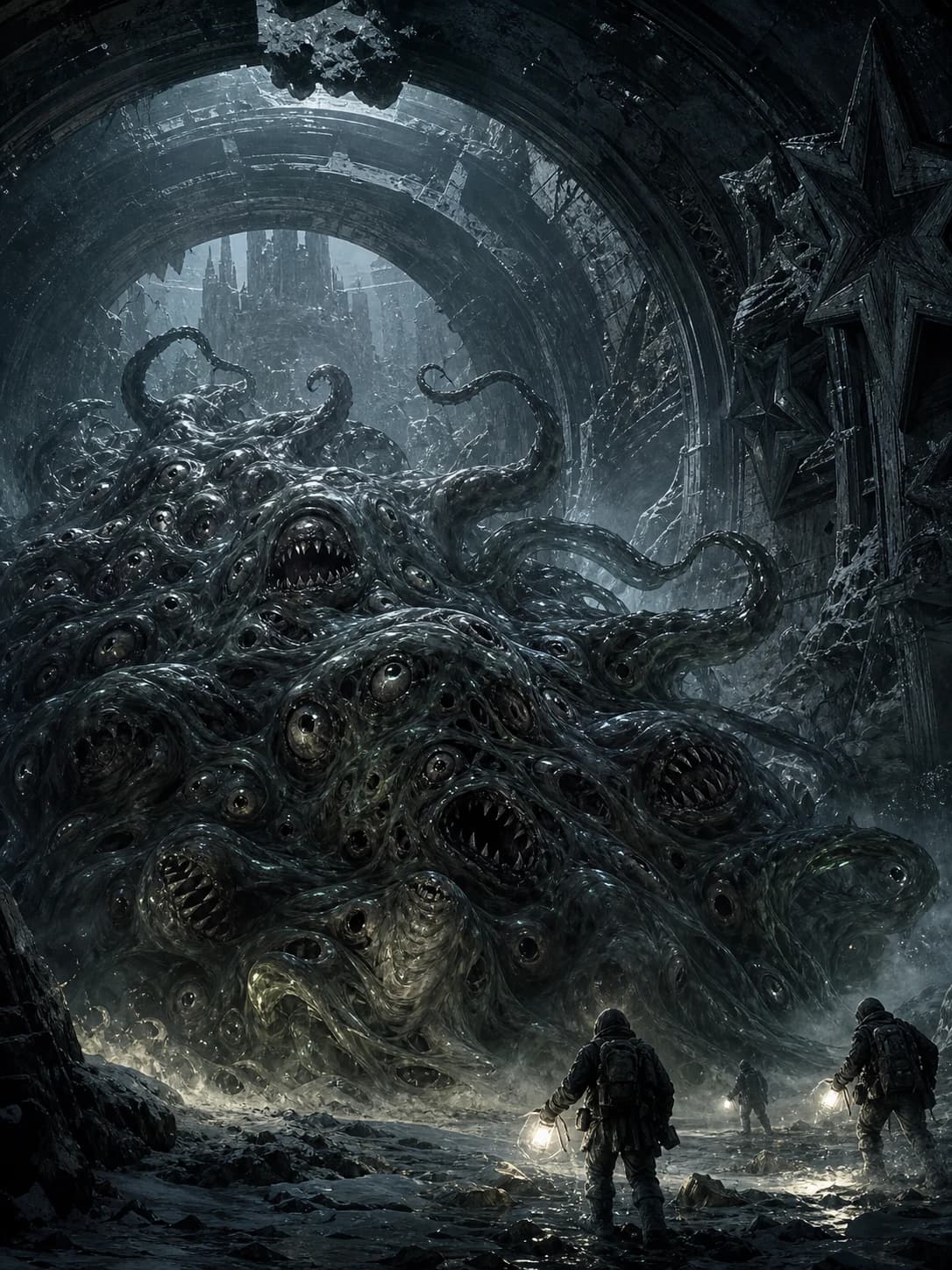
№ 021Cthulhu Mythos
修格斯
The Protoplasmic Tide That Learned Rebellion
 № 022
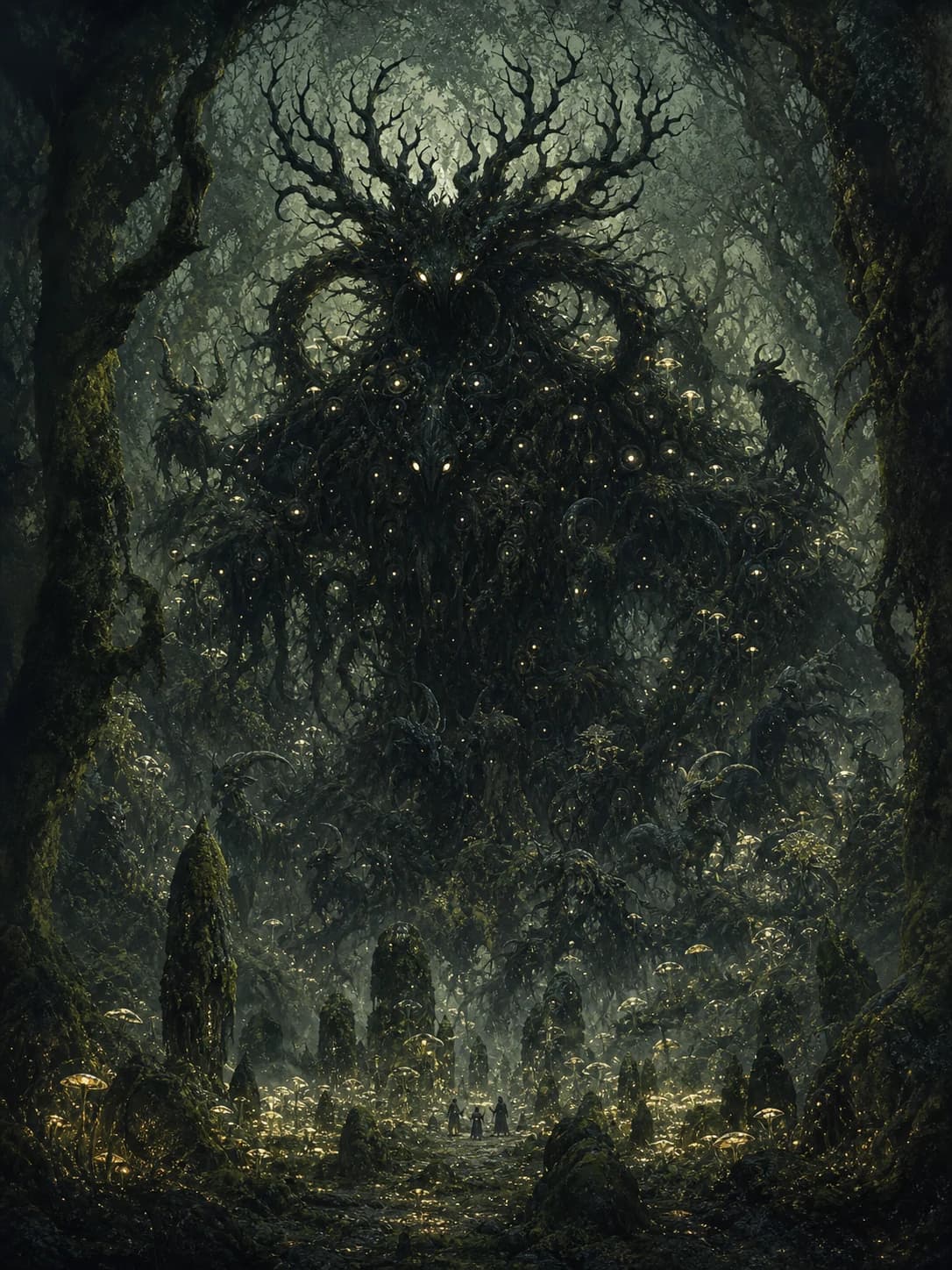
№ 022Cthulhu Mythos
莎布·尼古拉丝
The Black Presence of the Thousand Young
 № 023
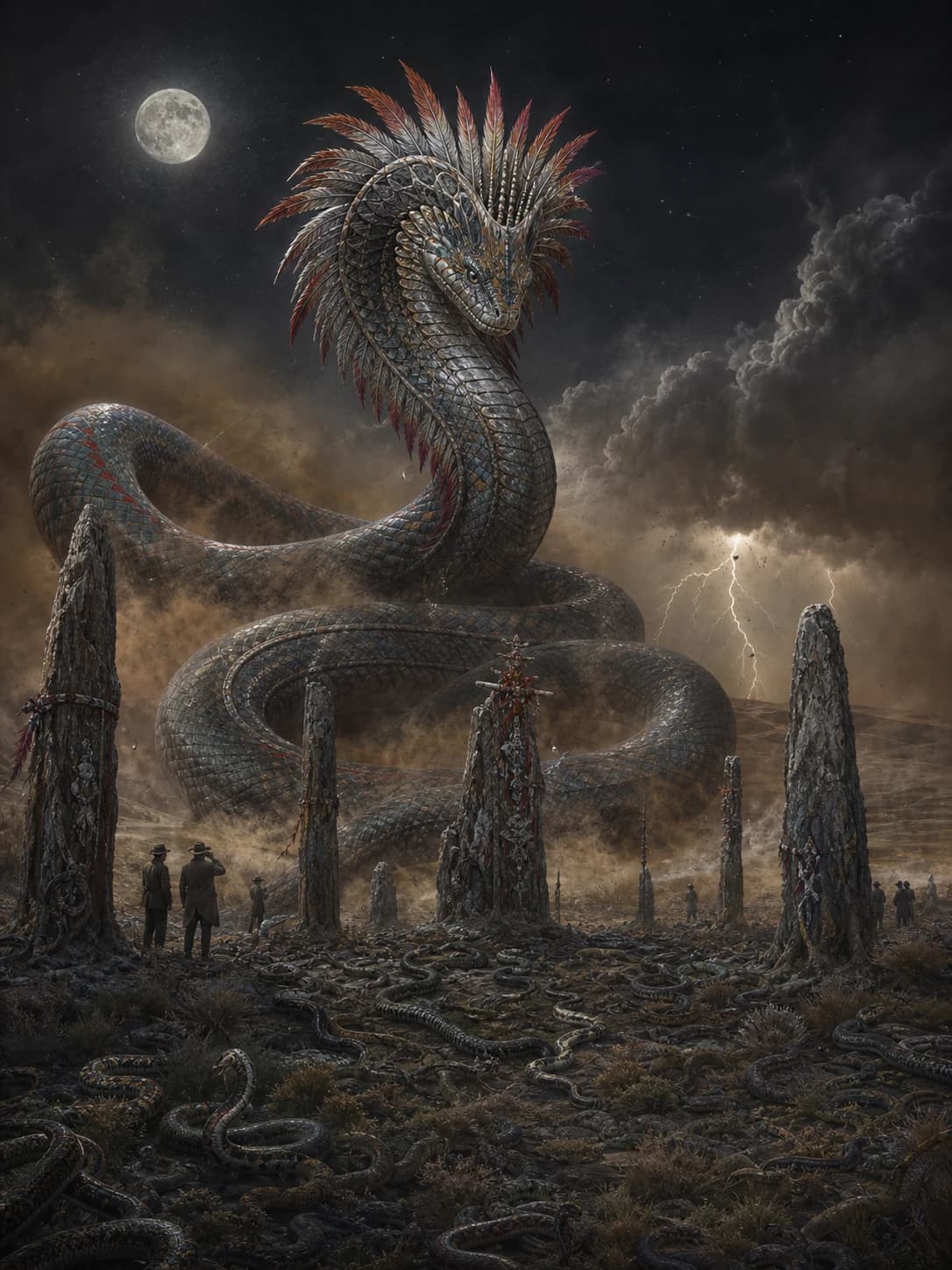
№ 023Cthulhu Mythos
伊格
The Father of Serpents Who Collects a Blood-Debt
 № 024
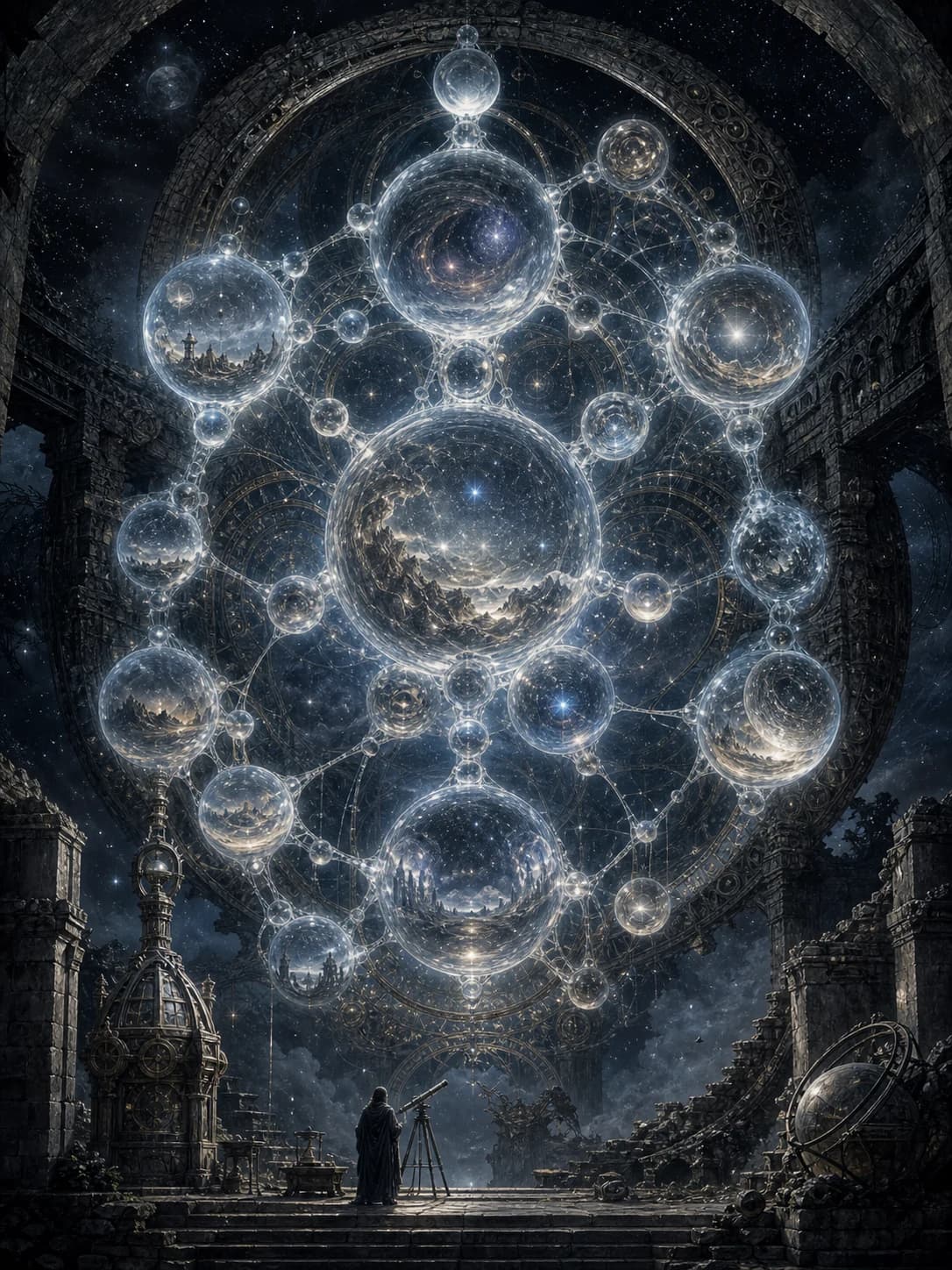
№ 024Cthulhu Mythos
犹格·索托斯
The Gate, the Key, and the Keeper