 № 001
№ 001Kaidan
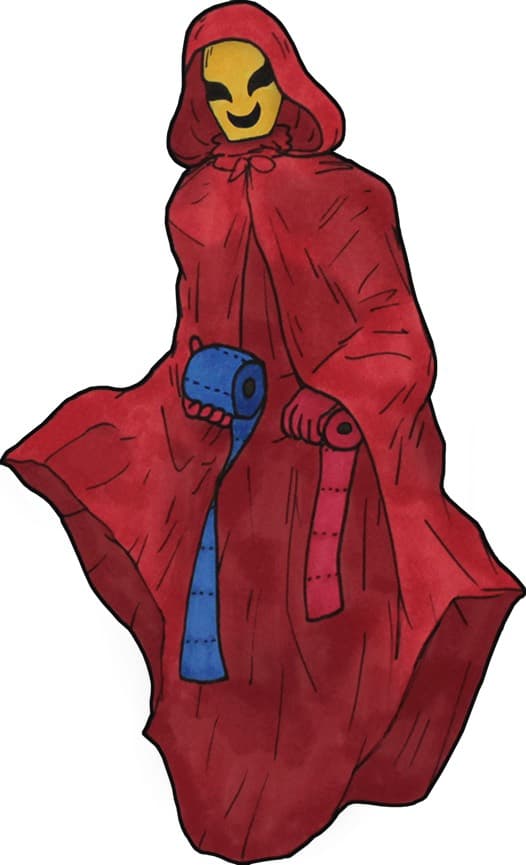
Aka Manto
Modern
红斗篷
The presence that asks 'Red paper or blue paper?'
Modern hauntings · 28
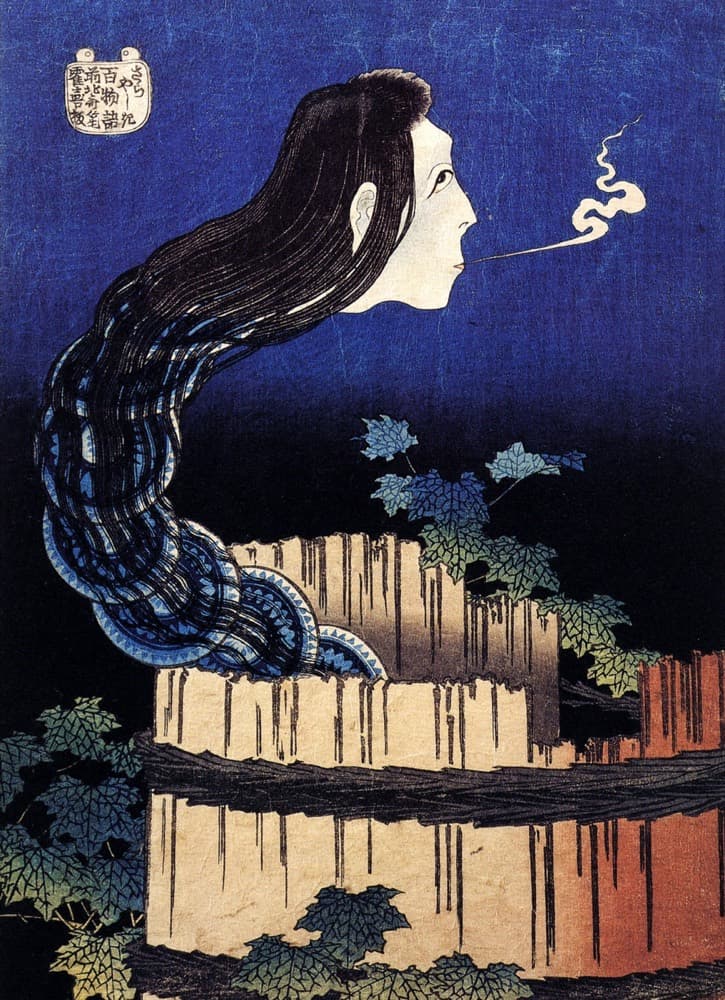
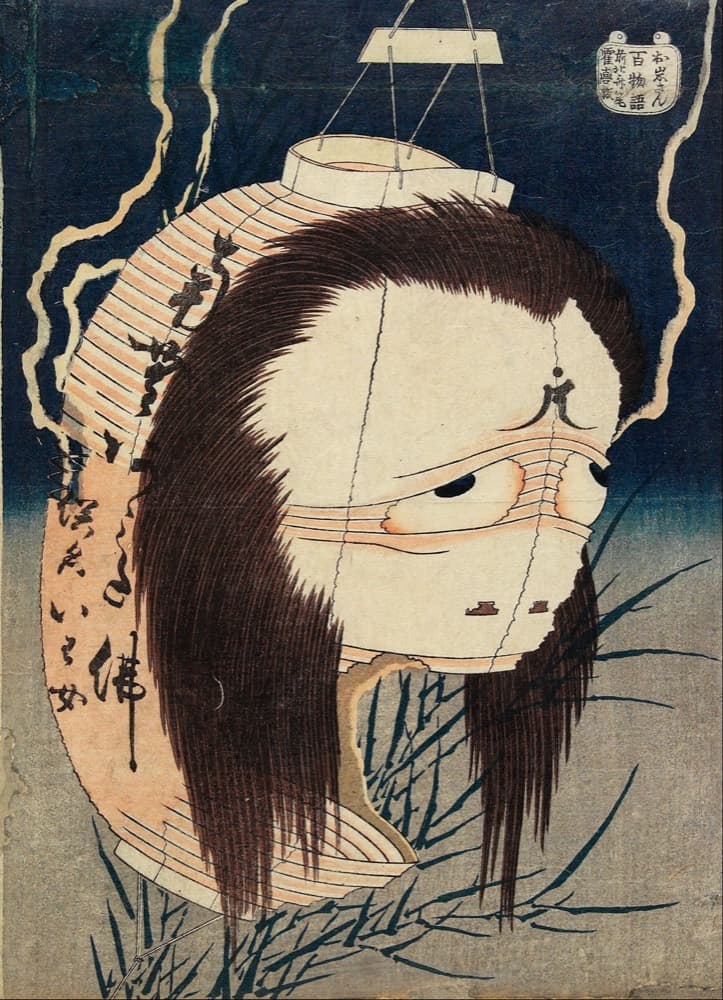
The word kaidan took its modern shape in the Edo period. On summer nights people gathered to play hyakumonogatari: a hundred lit wicks, one ghost story told and one wick blown out at a time, with something uncanny promised at the hundredth. The game's rules are the tradition's manifesto — horror as something told in turns and consumed together. Oiwa of Yotsuya Kaidan, Okiku of the Dish Mansion, and Otsuyu of the Peony Lantern, the three great ghost tales of Edo, were staged and restaged with kabuki's trick scenery, the puppet theater's shamisen, and Encho's rakugo; a wronged woman returning as a vengeful spirit is the shared skeleton. Documentary framing was there from the start: the Shiryo Gedatsu Monogatari Kikigaki of 1690 and the Yotsuya Zatsudanshu of 1727 both insist that their hauntings really happened.
The line never broke in the modern era; it changed carriers. In Meiji, Inoue Enryo founded 'monsterology' to dissect the Kokkuri-san seance, while Lafcadio Hearn retold the Snow Woman and Hoichi the Earless in English. After the war the ghosts moved into the new school buildings: Hanako of the toilet, Aka Manto, and Mary-san's telephone passed from child to child through the 1970s and 80s, converging into a publishing and film flood after Tsunemitsu Toru's Gakko no Kaidan appeared in 1990. The kuchisake-onna panic of 1979 showed the other face of the genre, a single rumor that had schools nationwide organizing escorted walks home and left social psychology a textbook case of transmission.
Around 2000 the occult boards of 2channel became the new hearth. Kisaragi Station's live-posted disappearance, Hasshaku-sama's warded village, Kunekune's forbidden sight — all grew out of anonymous relay narration, where every reader is also a co-author. From the wicks of hyakumonogatari to the ring of a night telephone to timestamps on a forum thread, kaidan keeps refitting the oldest fears into the newest household objects, and it is the one system in this atlas still multiplying at speed: the next entry may be getting typed on some board right now.
№ 001Kaidan
红斗篷
The presence that asks 'Red paper or blue paper?'
 № 002
№ 002Kaidan
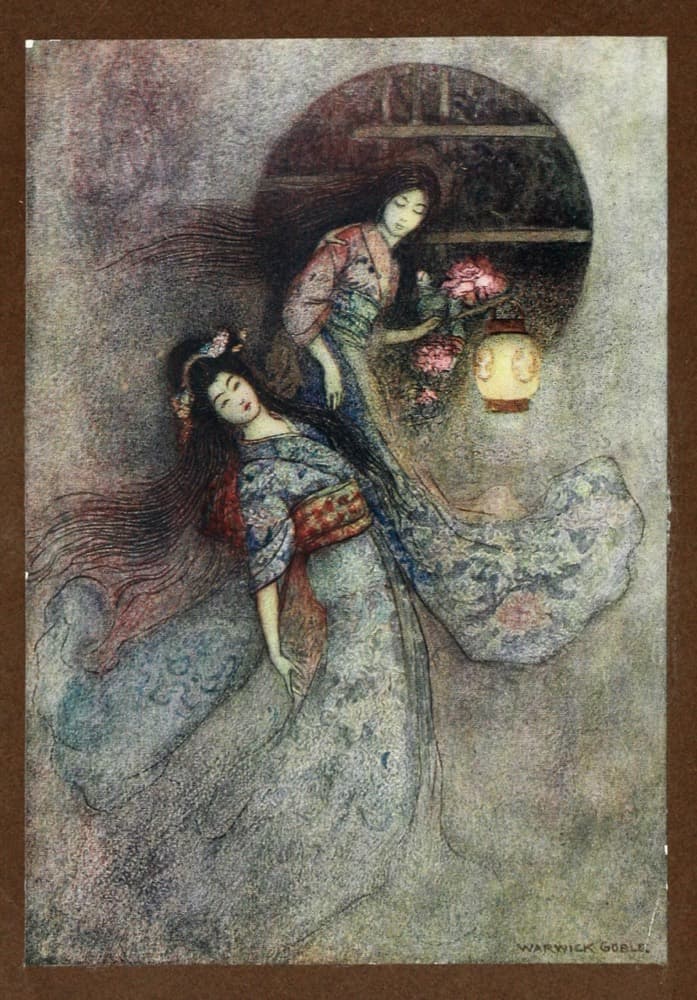
牡丹灯笼
The dead lover who visits by lantern light
 № 003
№ 003Kaidan
厕所里的花子
The girl in the third stall on the third floor
 № 004
№ 004Kaidan
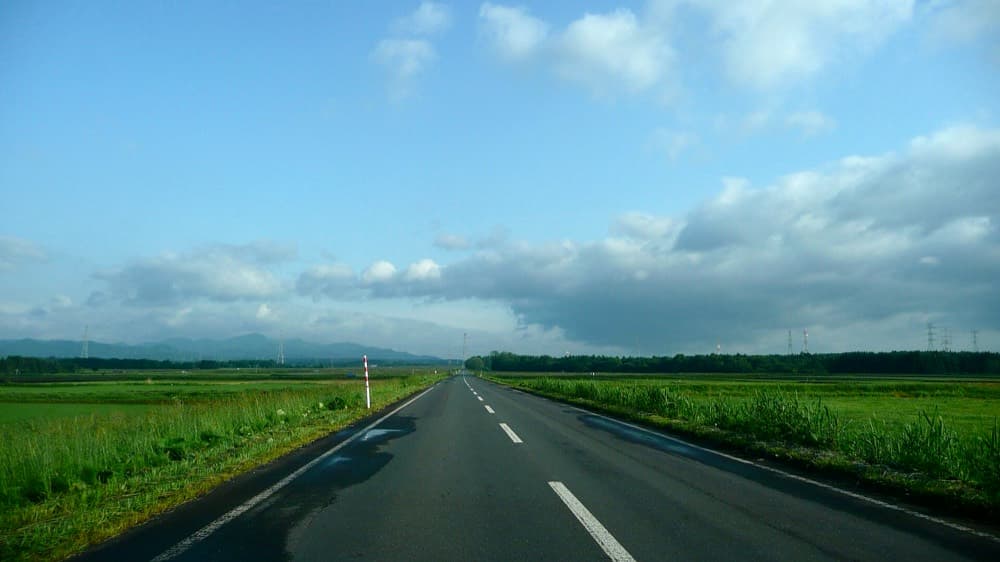
八尺样
The eight-foot woman who laughs 'po po po'
 № 005
№ 005Kaidan
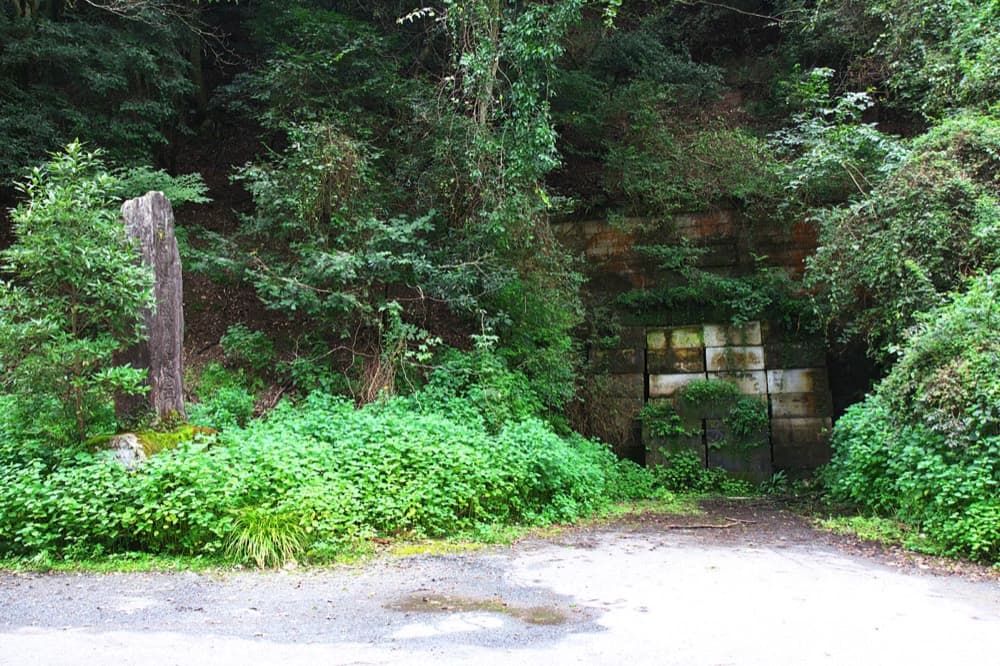
犬鸣村
The hidden village where 'the constitution of Japan does not apply'
 № 006
№ 006Kaidan
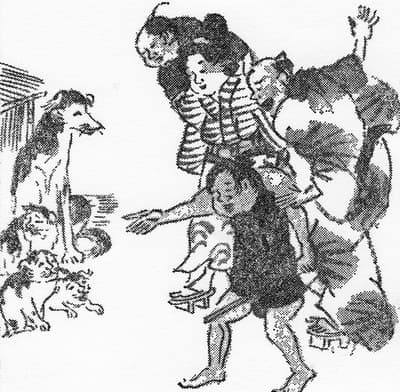
人面犬
The stray dog with a middle-aged man's face
 № 007
№ 007Kaidan
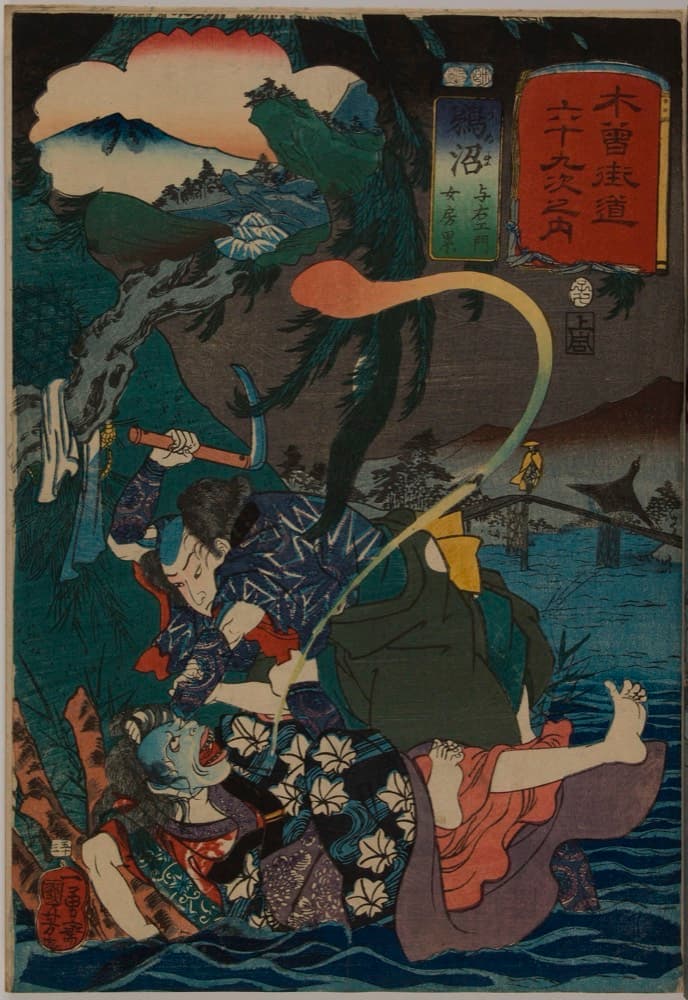
累渊
A river pool haunted by two generations of the murdered
 № 008
№ 008Kaidan
如月车站
A station that appears on no timetable
 № 009
№ 009Kaidan
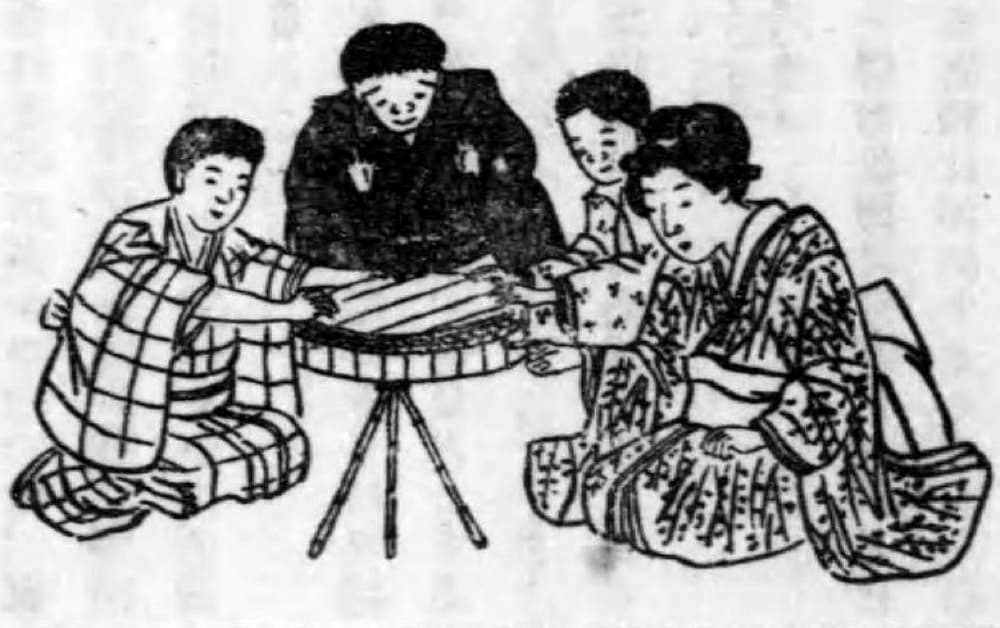
狐狗狸
Table-turning reborn as a ten-yen seance
 № 010
№ 010Kaidan
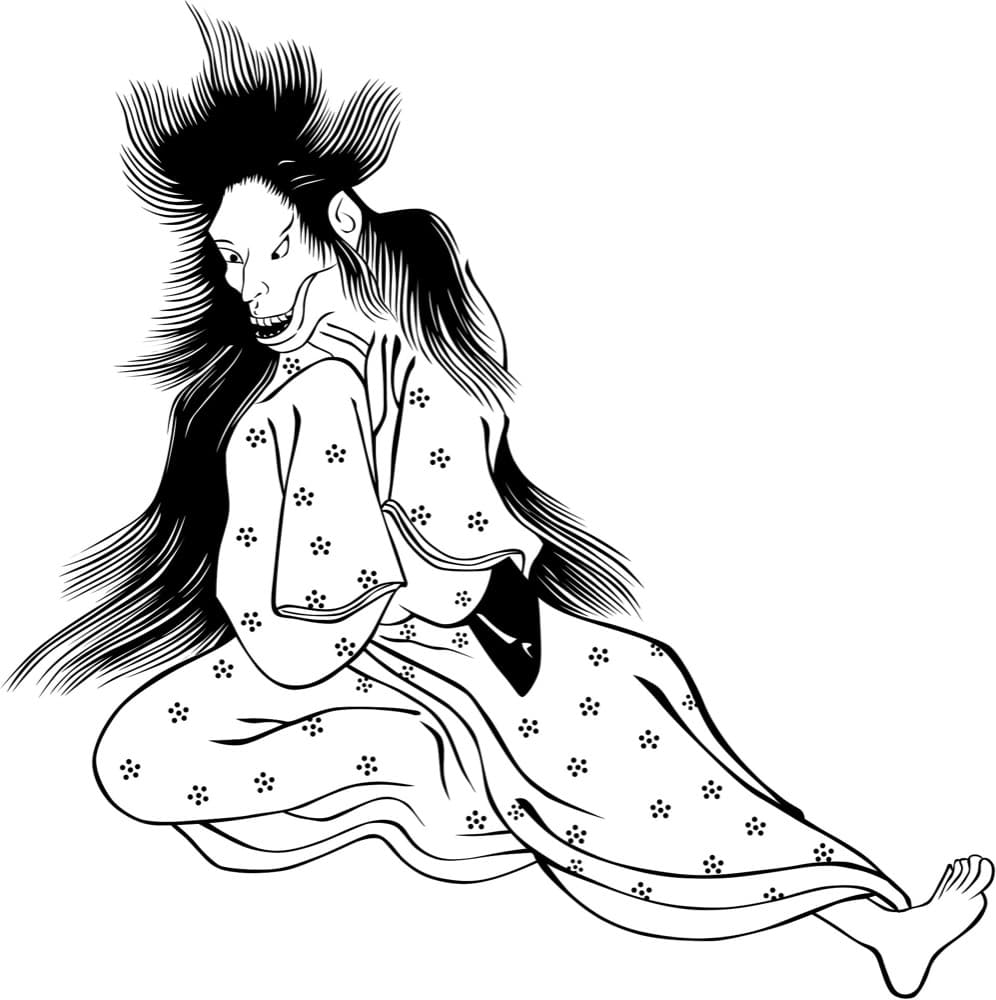
裂口女
The masked woman who asks 'Am I pretty?'
 № 011
№ 011Kaidan
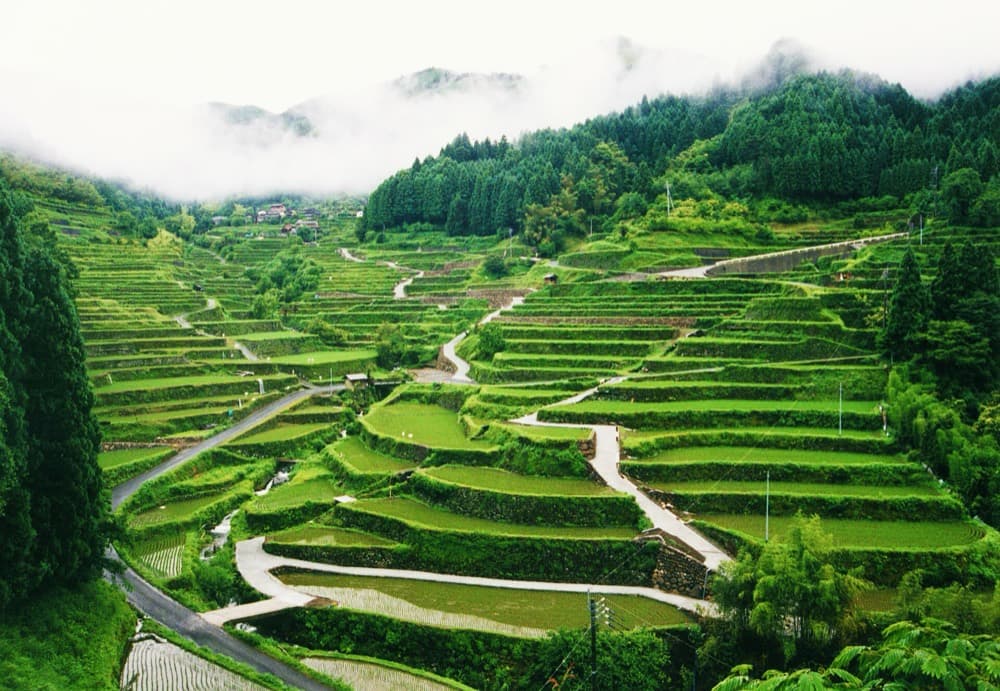
Kunekune
The white shape writhing in a distant field
 № 012
№ 012Kaidan
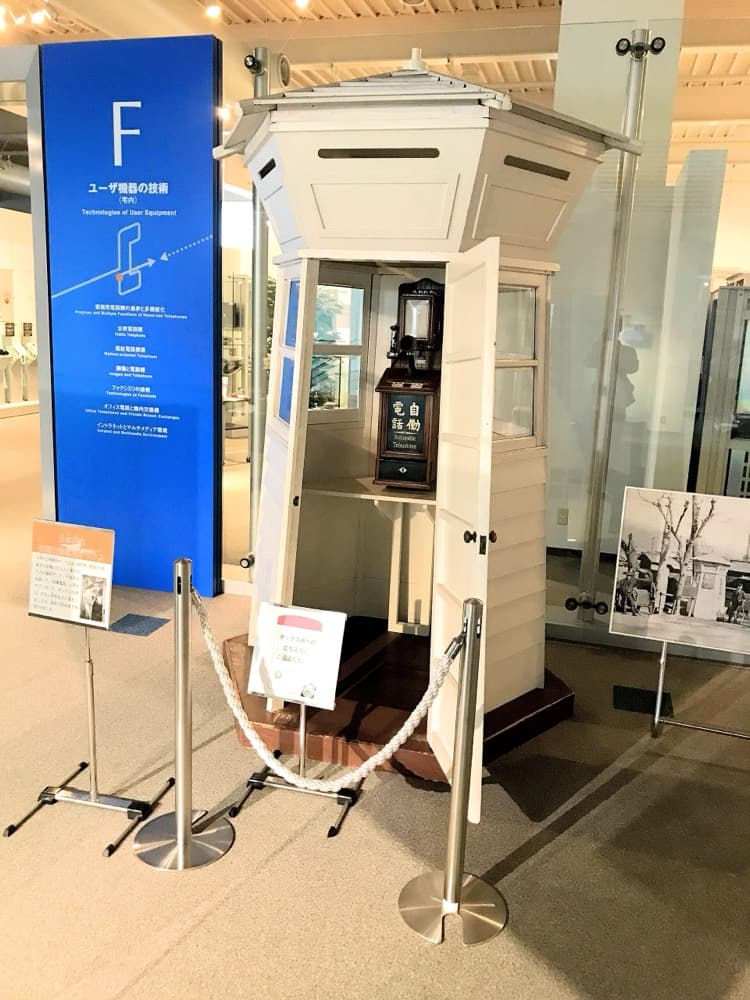
玛丽小姐的电话
The discarded doll that calls you back
 № 013
№ 013Kaidan
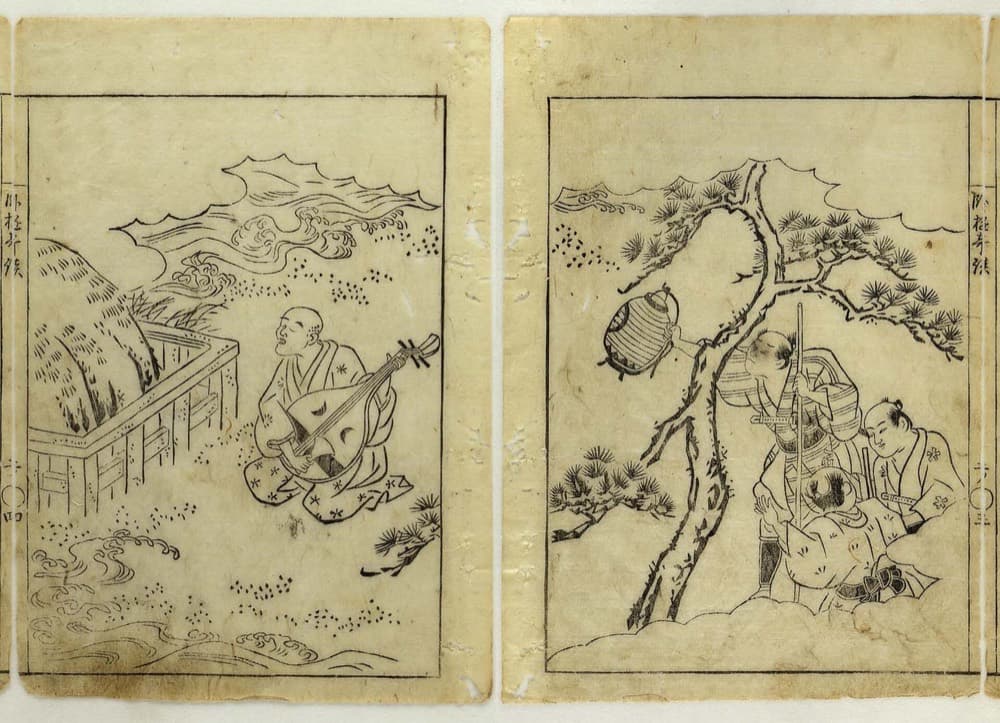
无耳芳一
The blind biwa player who performed for the Heike dead
 № 014
№ 014Kaidan
皿屋敷(阿菊)
The ghost who counts plates in the well
 № 015
№ 015Kaidan
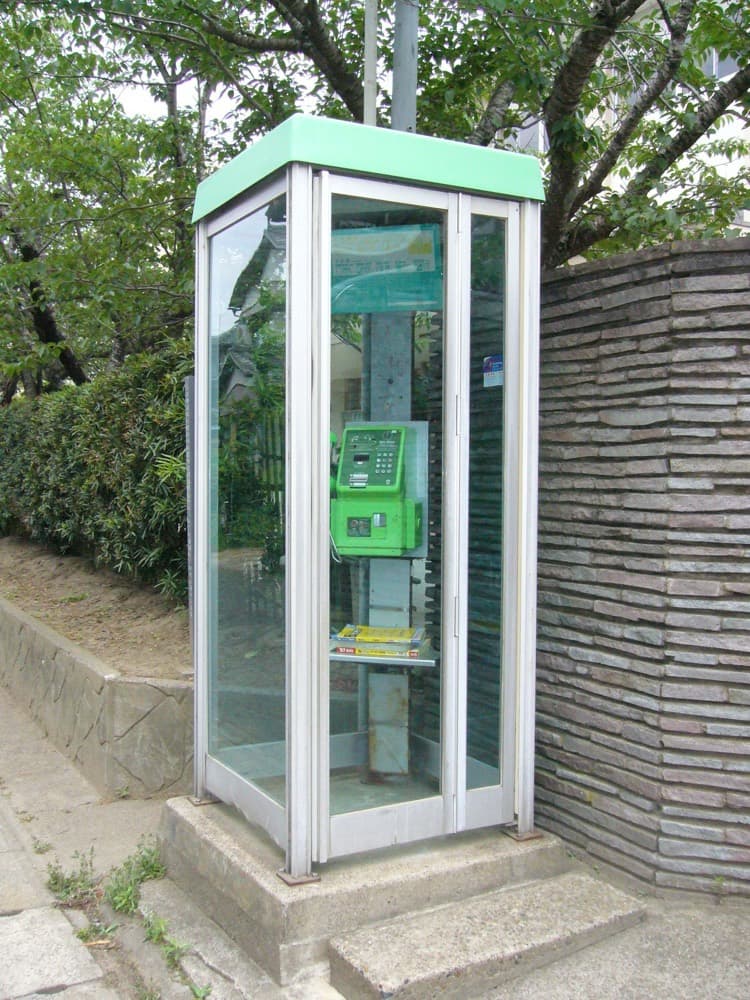
Satoru君
The all-knowing boy summoned by pay phone
 № 016
№ 016Kaidan
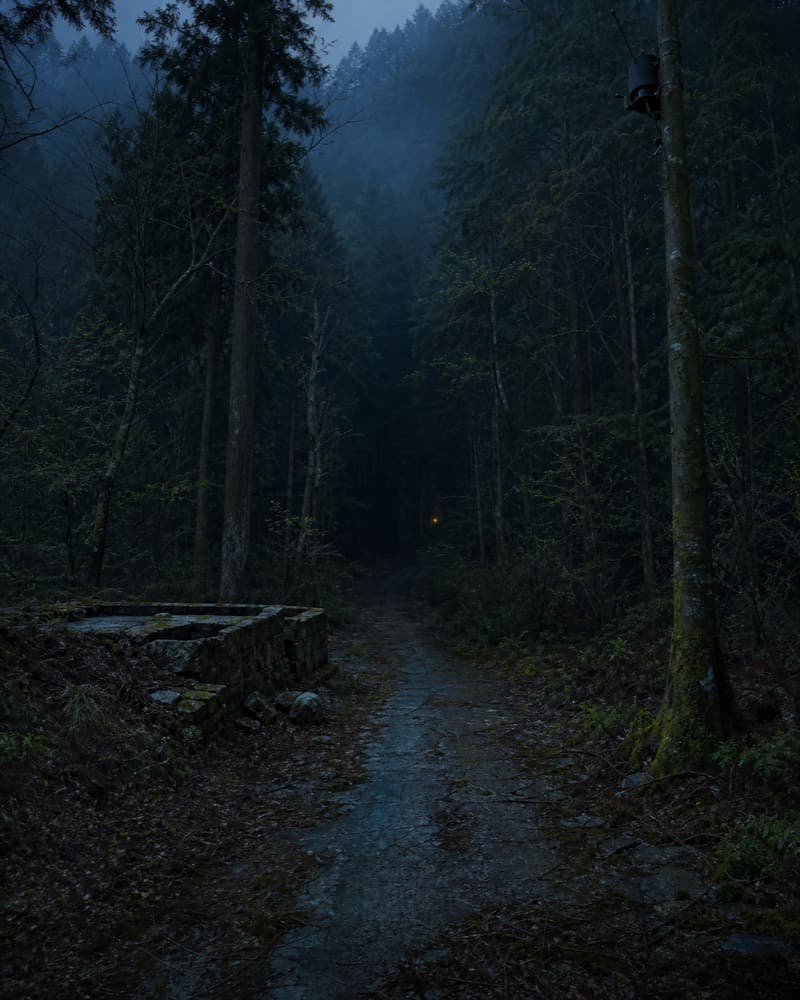
杉泽村
The massacre village erased from the map
 № 017
№ 017Kaidan
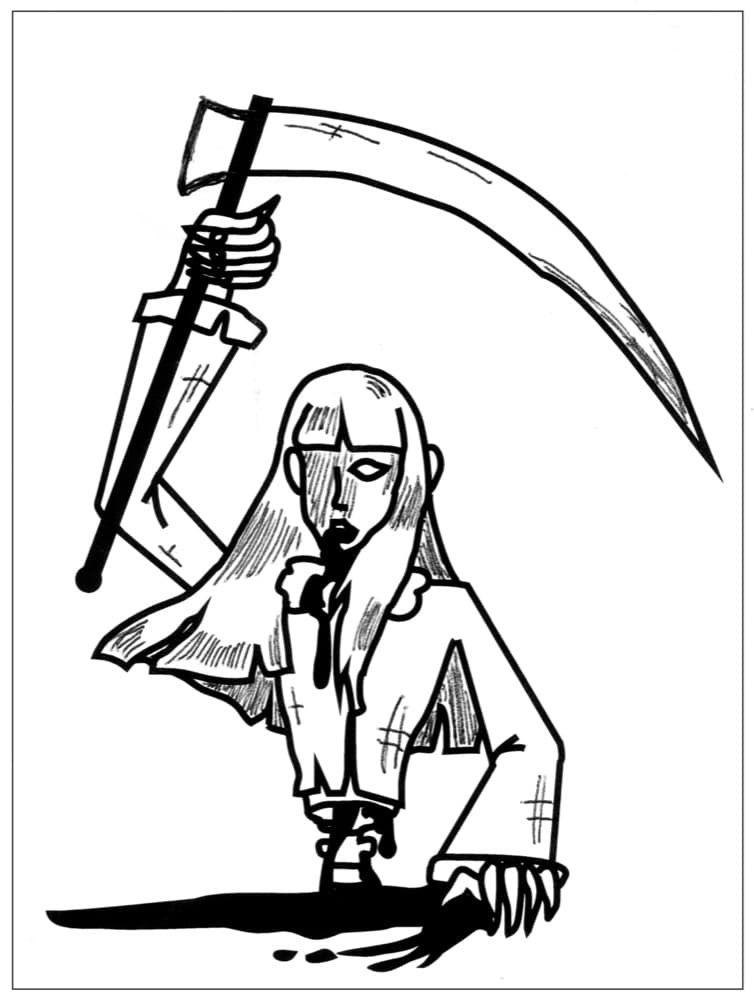
Teke-Teke
The half-bodied ghost that runs on its elbows
 № 018
№ 018Kaidan
四谷怪谈(阿岩)
The foremost of Edo's great ghost plays: a poisoned wife's revenge