THE STORY & ITS AFTERLIVES
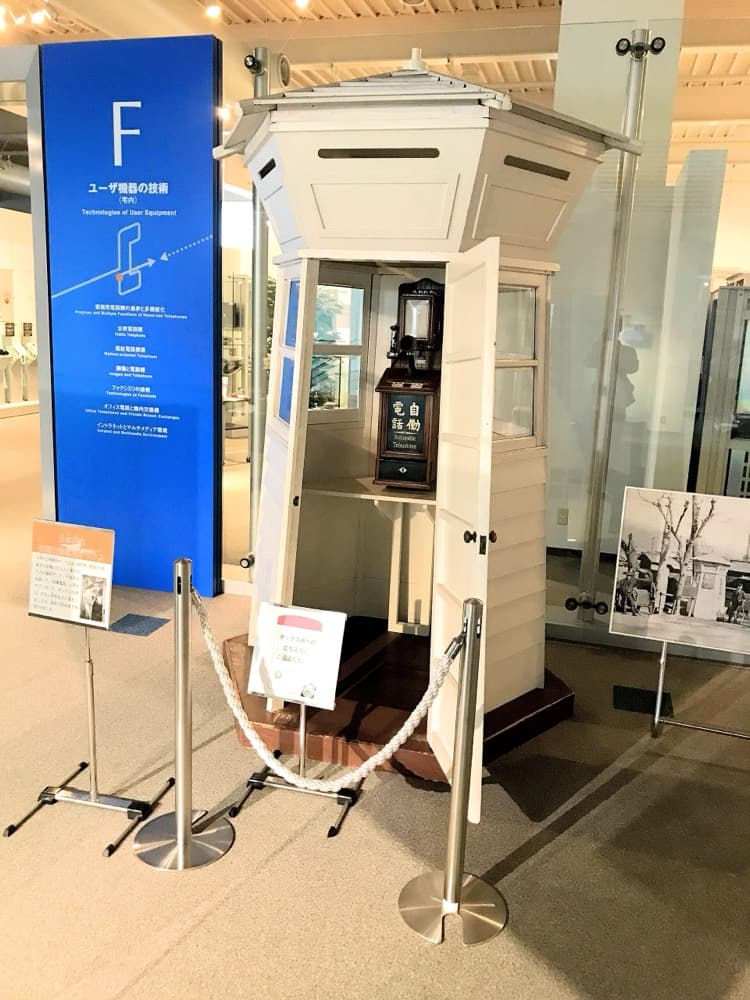
The ritual binds two generations of telephony together. Late at night, from a public phone booth, drop in a ten-yen coin, dial your own mobile number, and speak into the receiver: 'Satoru-kun, Satoru-kun, please come.' Hang up and wait. Your mobile then receives a series of calls in a boy's voice, each reporting his position, a station, a crossing, always nearer, until the last: 'I'm behind you.' He will now answer a single question, any question, truthfully. The rules are exact: do not turn to look at him while you wait or while he speaks, do not summon him without asking, do not fail to hear the answer out. Break any of these and Satoru-kun takes you with him.
The legend spread through 2channel and mobile horror sites in the early 2000s, among the first wave of stories built on the mobile phones that had just reached Japanese schoolchildren. Its pedigree is easy to read: the closing-distance call structure descends from Mary-san's telephone, the bargain of ritual for forbidden knowledge from Kokkuri-san, while the relay from pay phone to mobile is its own signature. That the summons must begin from a vanishing device has only sharpened with the disappearance of phone booths, turning the first step of the ritual into a threshold in itself.
'Satoru' is usually written with the character for enlightenment, to know all; commentators enjoy the echo of the satori, the mind-reading mountain yokai that shares the name. On livestreams and horror variety shows, dialing Satoru-kun remains a standard test of nerve.