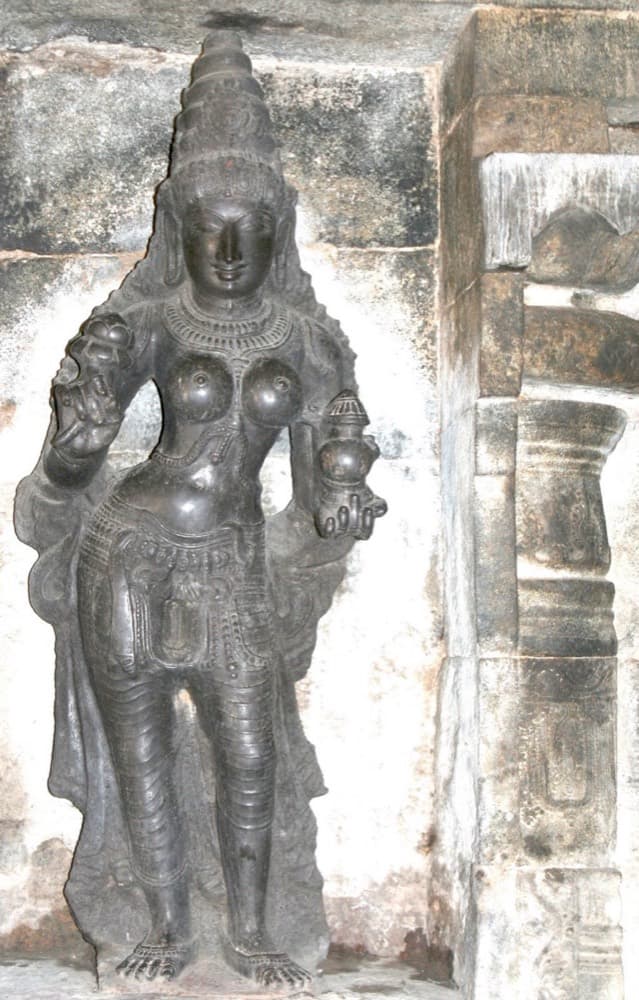
 № 001
№ 001Hindu
Amrita
Ancient
不死甘露
The nectar that makes the gods deathless
Divine lineages · 08
Hindu mythology is among the oldest bodies of myth still worshipped daily by hundreds of millions. Its wellspring is the four Vedas, transmitted orally from around 1500 BCE: in the thousand-odd hymns of the Rigveda, Indra the thunderer slays the drought serpent, Agni carries offerings to heaven, and the soma draught is already called amrita, the deathless. Over the next three millennia the tradition grew by accretion—through the two great epics, the Mahabharata (some 100,000 verses, containing the Bhagavad Gita) and the Ramayana (some 24,000), and on into the eighteen medieval Puranas. The Vedic king Indra gradually yielded pride of place to the Trimurti—Brahma the creator, Vishnu the preserver, Shiva the destroyer—while the goddess tradition crystallized in the Devi Mahatmya into the battle forms of Durga and Kali.
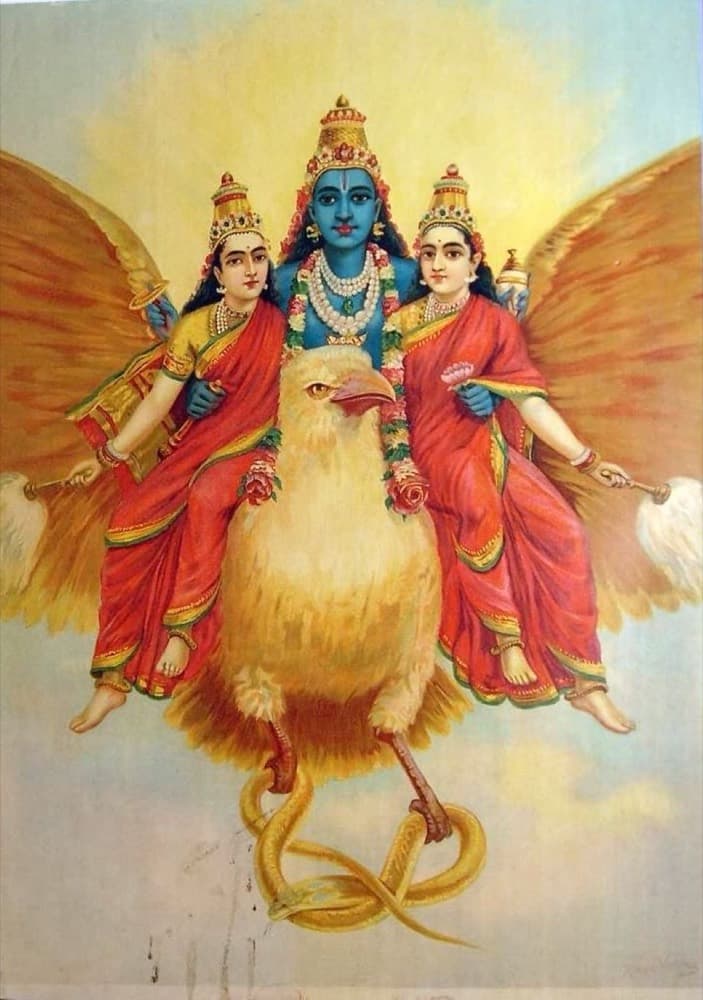
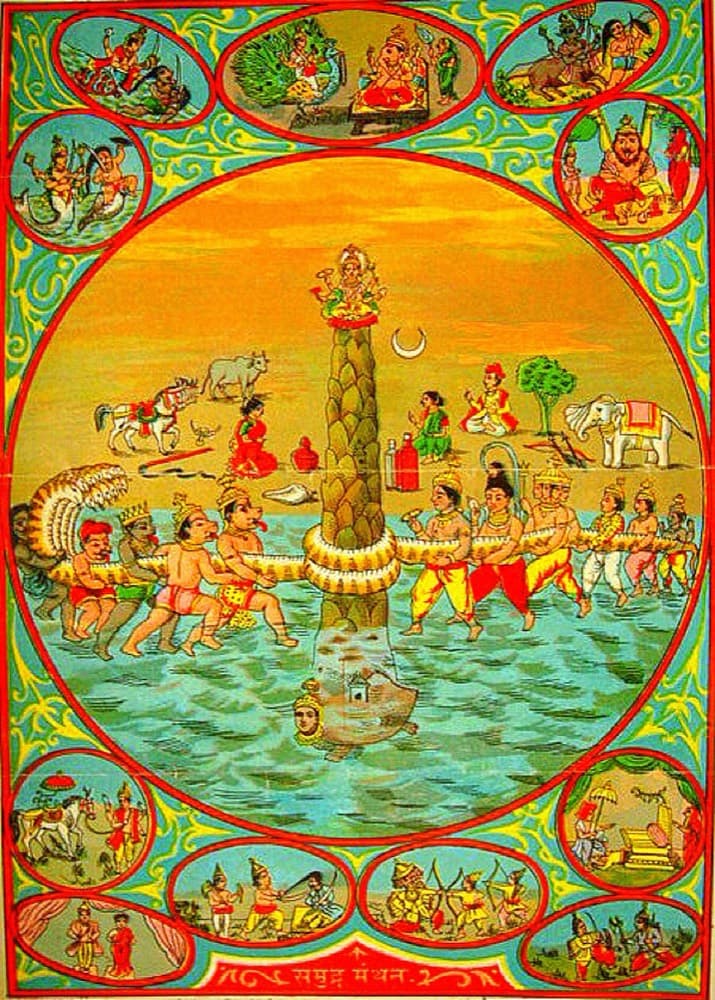
The deep pattern of this cosmos is the cycle. Universes are born and dissolved within a single day of Brahma; time rolls through four ages of steepening decline; each dissolution opens straight into the next creation. The devas and asuras, gods and anti-gods, are half-brothers who first cooperate to churn the ocean of milk for the nectar of immortality and then fight over the prize. Vishnu descends in ten successive avatars—fish, tortoise, boar, man-lion—down to flesh-and-blood heroes like Rama and Krishna. The gods have spouses, mounts and quarrelsome families: Shiva's son is the elephant-headed Ganesha, and Vishnu's eagle Garuda wages an eternal feud with the serpent nagas, so that the pantheon reads as a web of kinship and grudge.
Few mythologies have travelled farther. Carried east with Buddhism, Indra became Sakra of the Chinese scriptures, Mount Meru came to anchor the entire East Asian Buddhist cosmos, nagas and Garuda joined the eight legions of dharma protectors, and the rakshasa entered Chinese as the luocha, a byword for man-eating fiends. Southward, the Ramayana became Thailand's Ramakien and Cambodia's Reamker, and the ocean of milk is still being churned along the galleries of Angkor Wat. In India itself these stories were never ruins: each autumn Kolkata raises thousands of pavilions for Durga, Mumbai carries a hundred thousand Ganesha images into the sea, and the Kumbh Mela draws bathers by the hundred million in memory of a single pot of nectar.
Opening the origin story…
№ 001Hindu
不死甘露
The nectar that makes the gods deathless
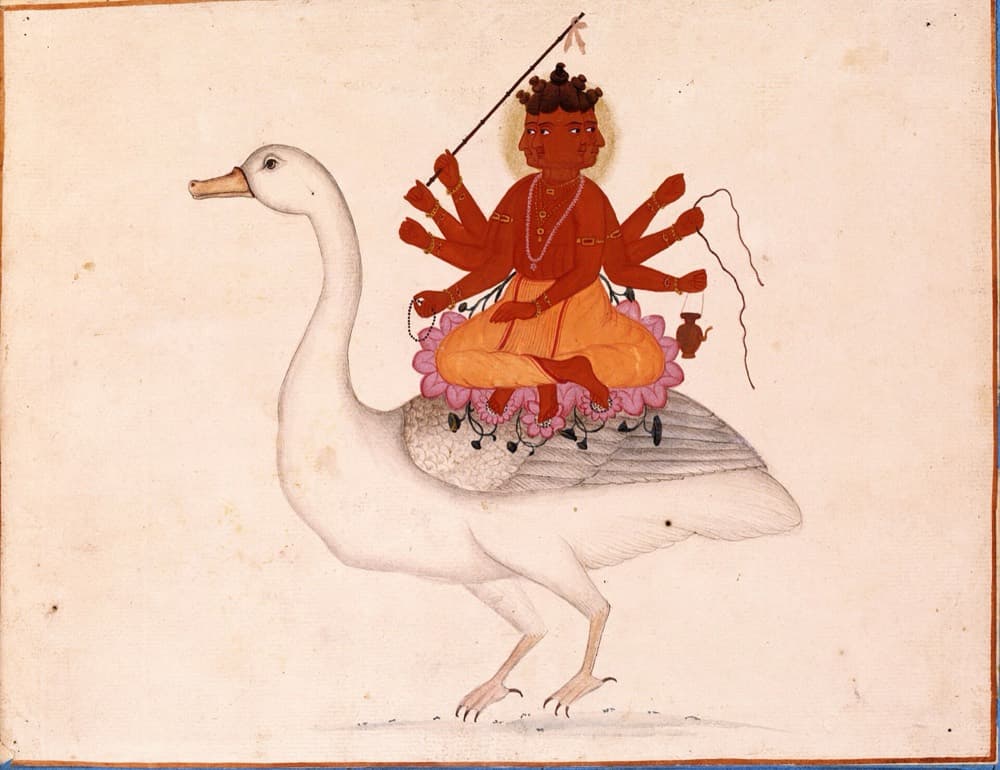 № 002
№ 002Hindu
梵天
The Creator, first of the Trimurti
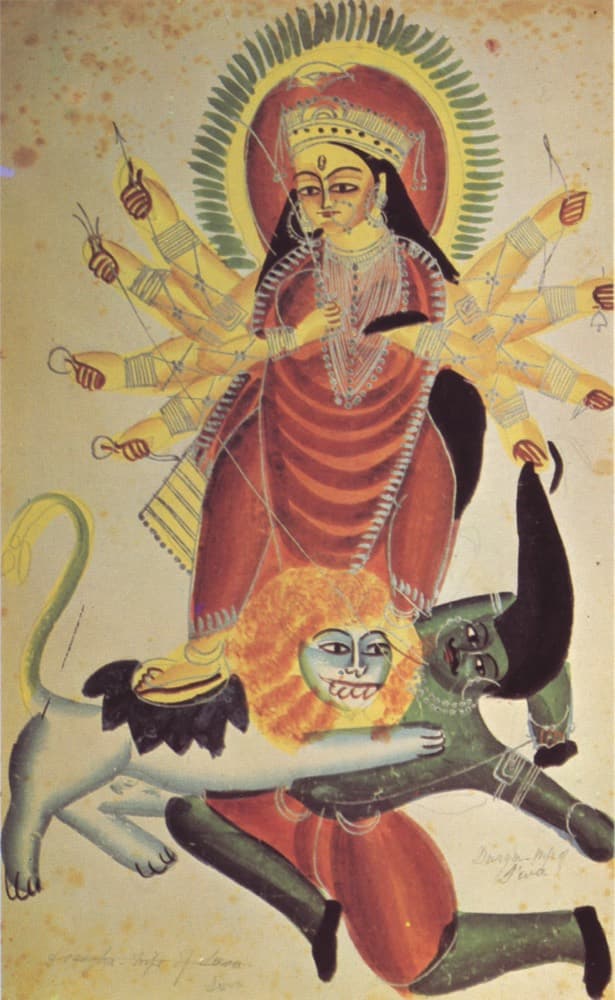 № 003
№ 003Hindu
杜尔迦
The lion-riding warrior goddess, the Invincible
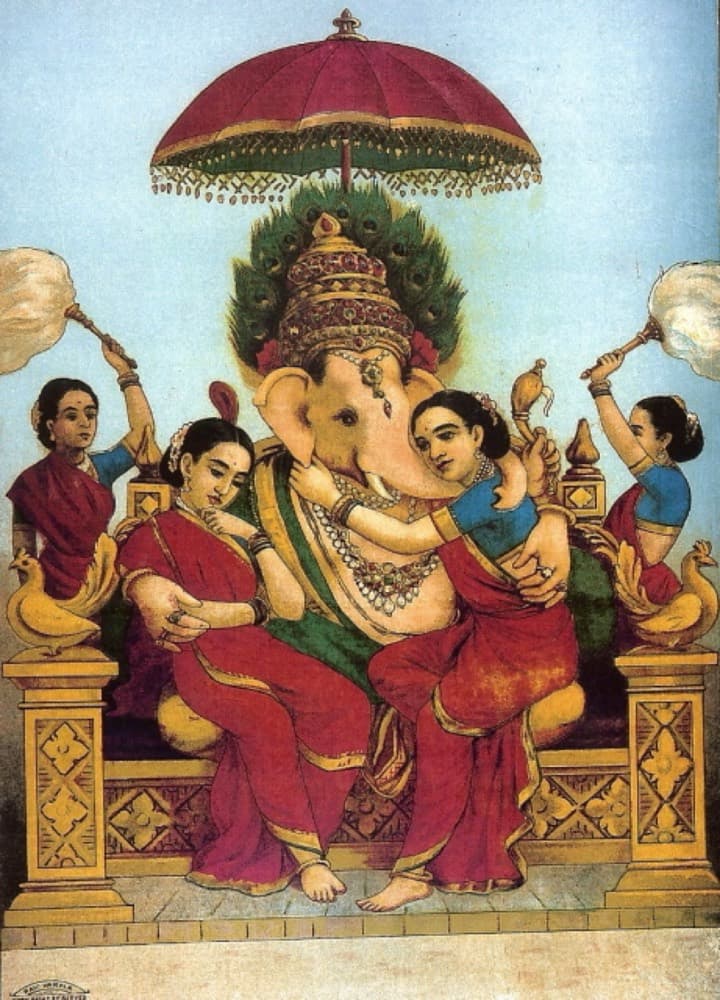 № 004
№ 004Hindu
迦尼萨
The elephant-headed remover of obstacles
 № 005
№ 005Hindu
迦楼罗
King of birds, mount of Vishnu
 № 006
№ 006Hindu
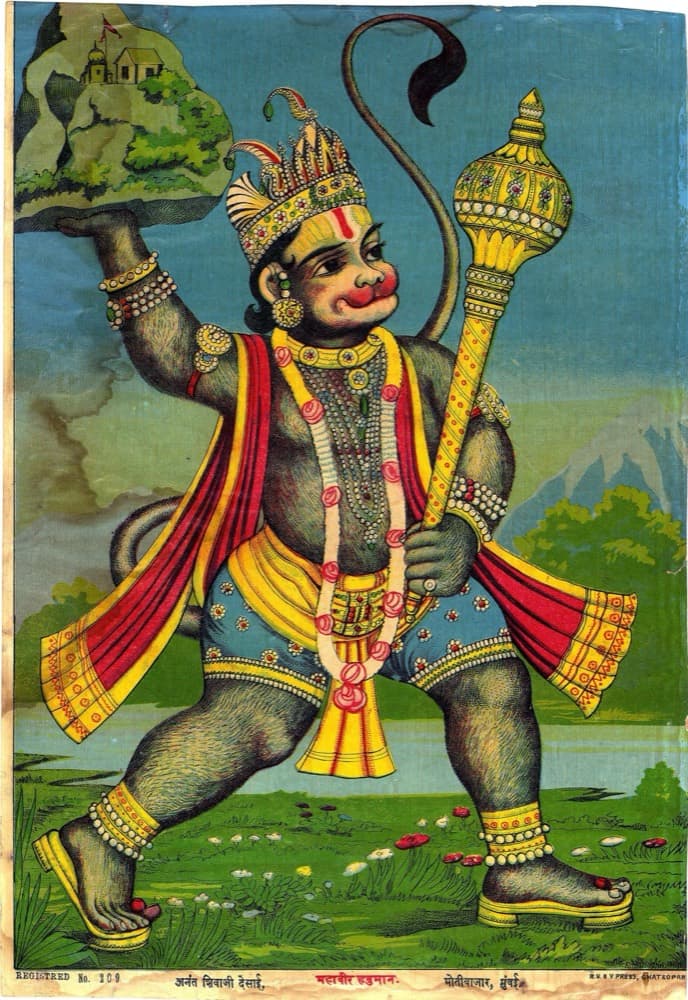
哈奴曼
Son of the wind, Rama's monkey champion
 № 007
№ 007Hindu
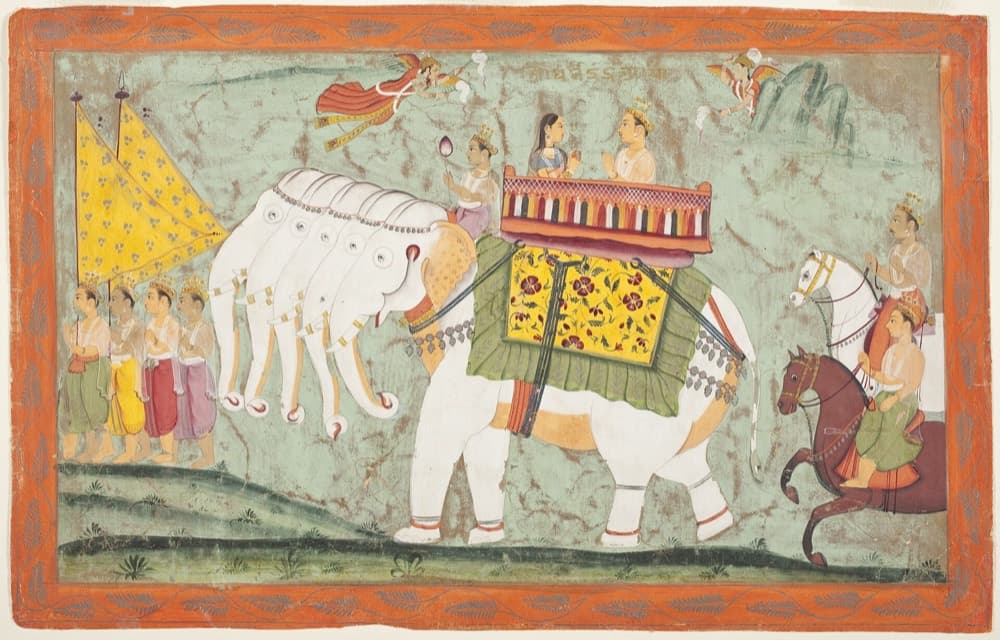
因陀罗
Wielder of the thunderbolt, king of the devas
 № 008
№ 008Hindu
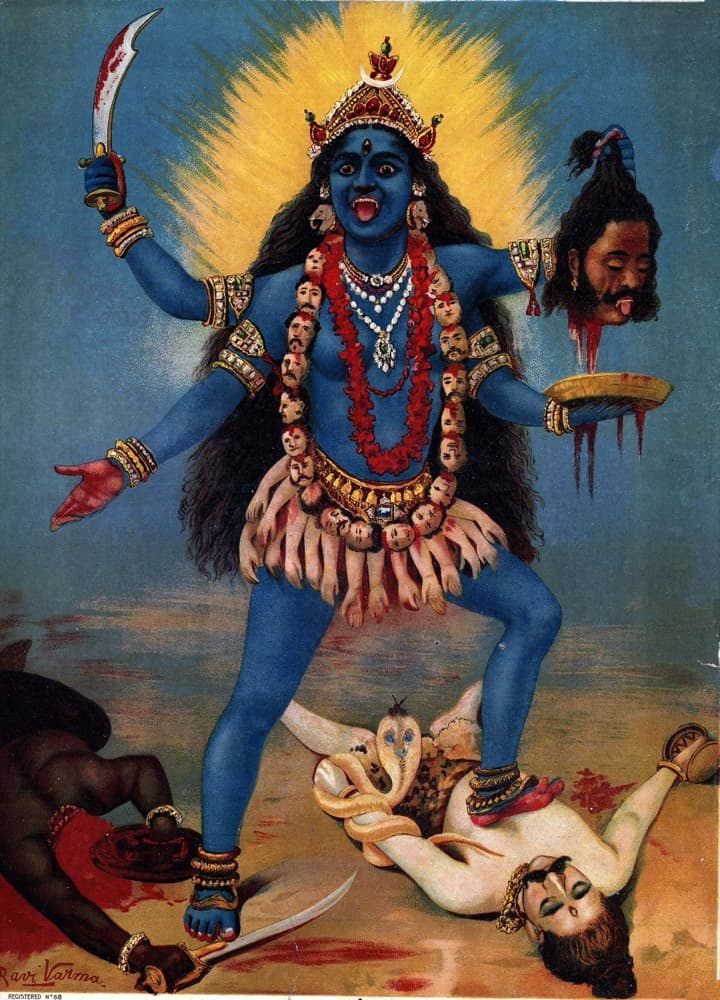
迦梨
The dark goddess of time and destruction
 № 009
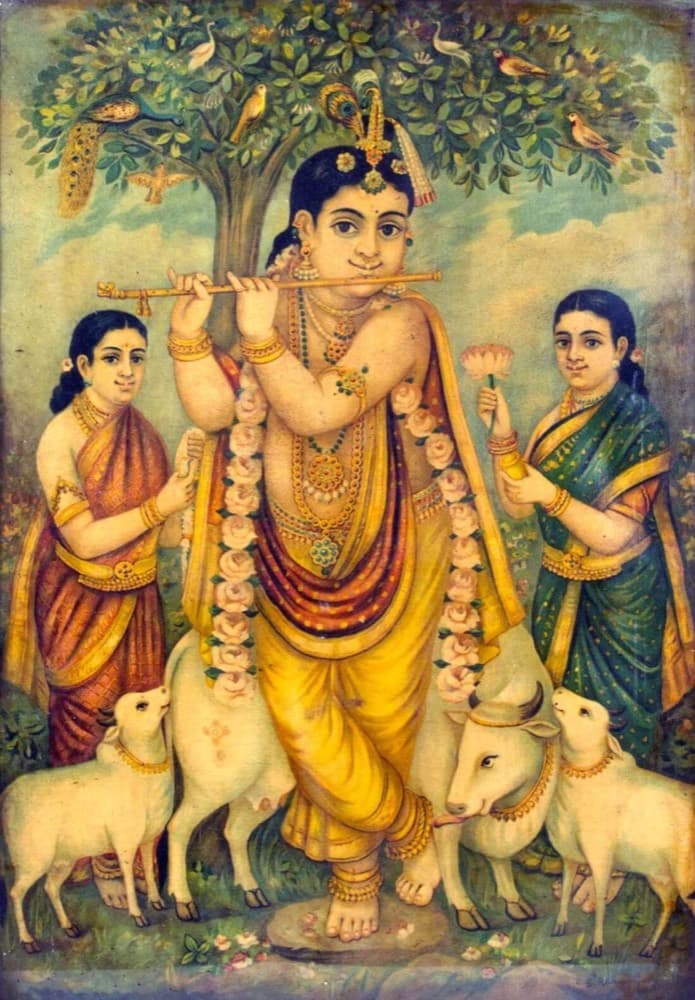
№ 009Hindu
克里希那
The flute-playing cowherd god, speaker of the Bhagavad Gita
 № 010
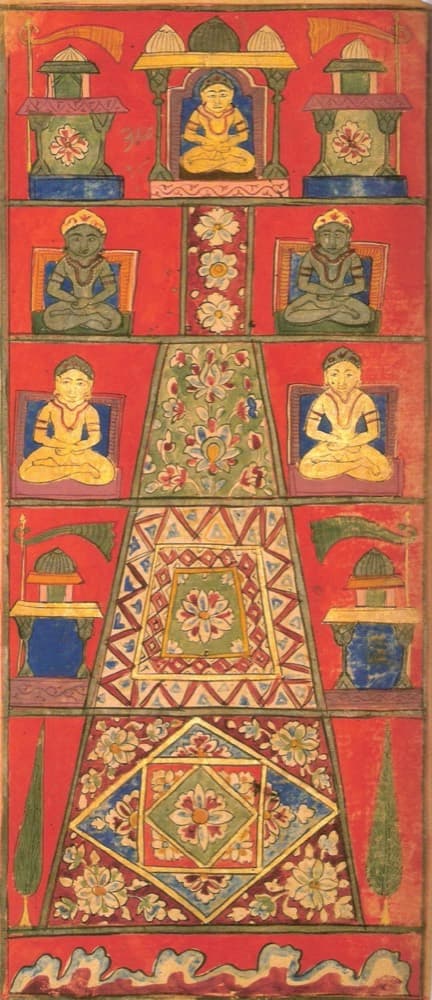
№ 010Hindu
须弥山
The golden mountain at the centre of the universe
 № 011
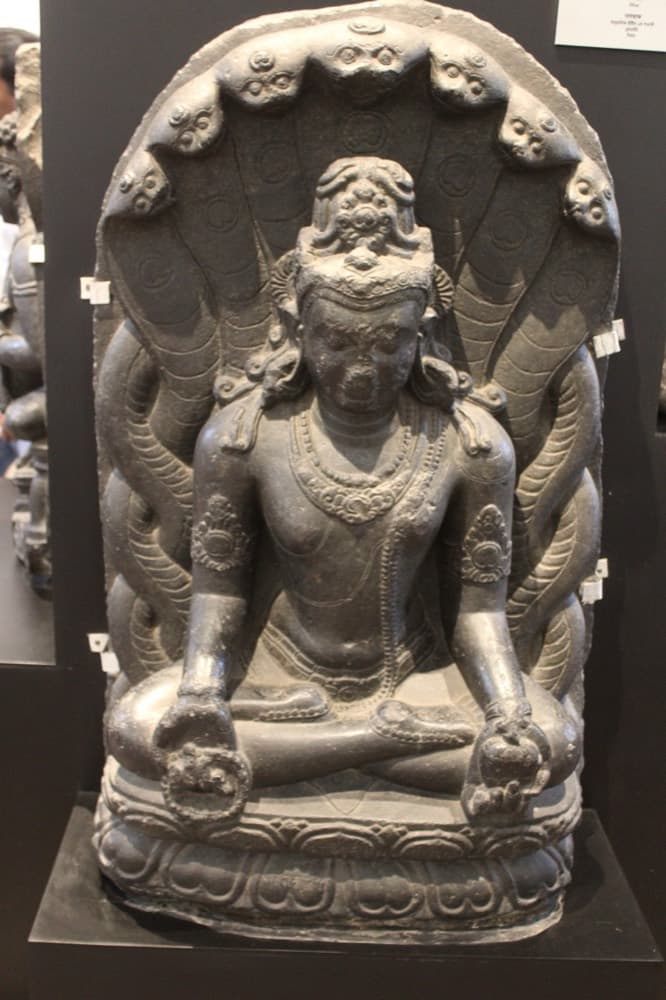
№ 011Hindu
那伽
The serpent race of the waters and the underworld
 № 012
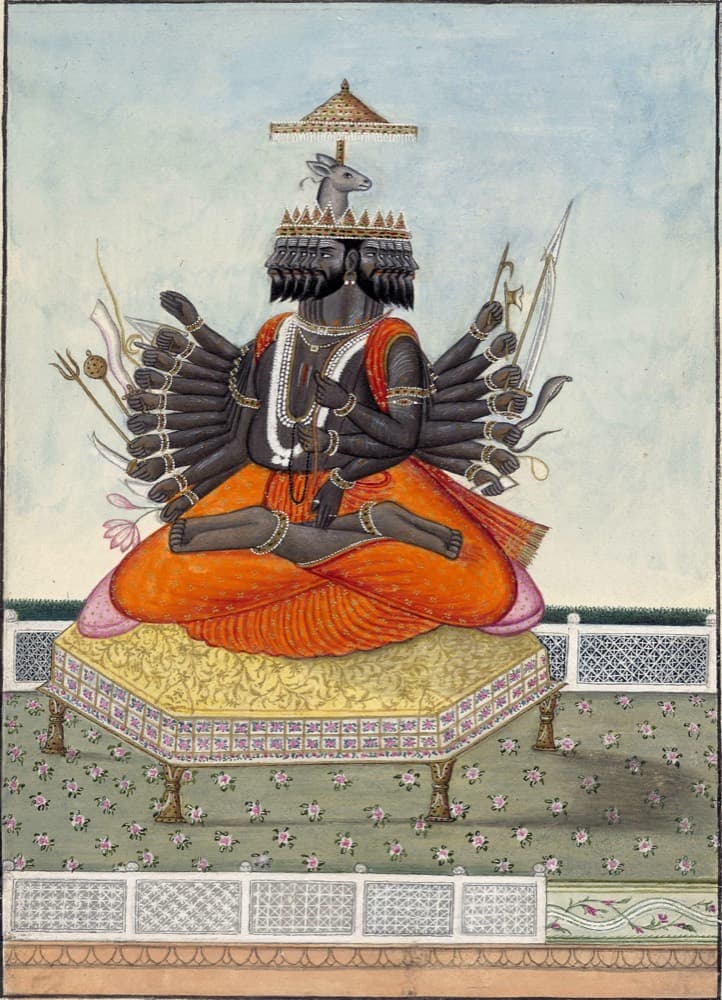
№ 012Hindu
罗刹
The man-eating demons of the night
 № 013
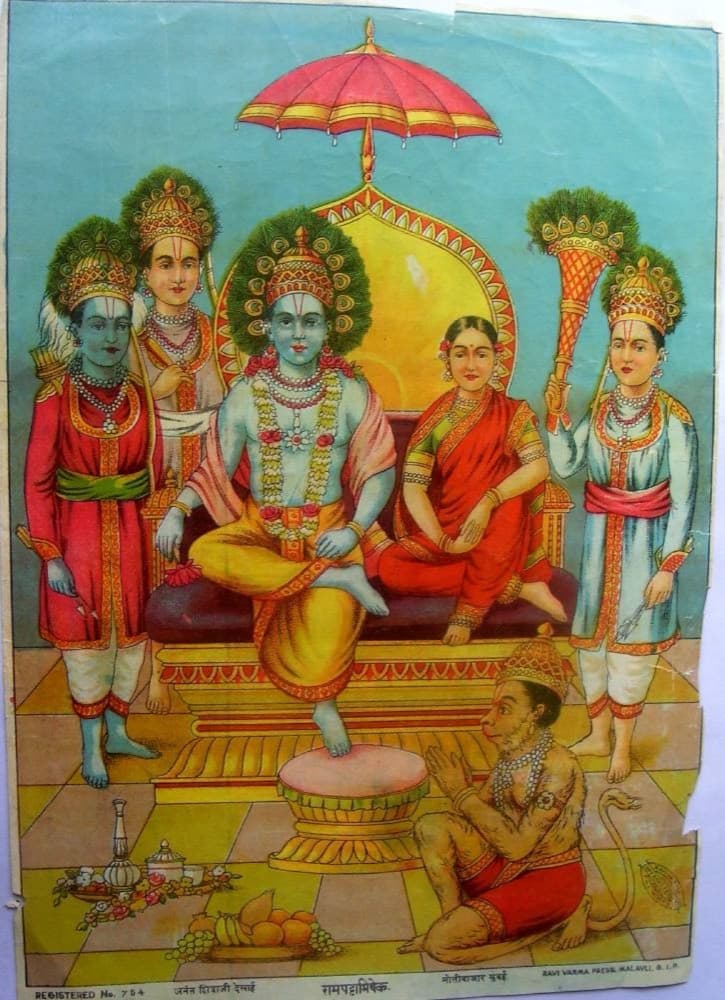
№ 013Hindu
罗摩
Prince of Ayodhya, seventh avatar of Vishnu
 № 014
№ 014Hindu
搅乳海
Devas and asuras churn the sea for the nectar of immortality
 № 015
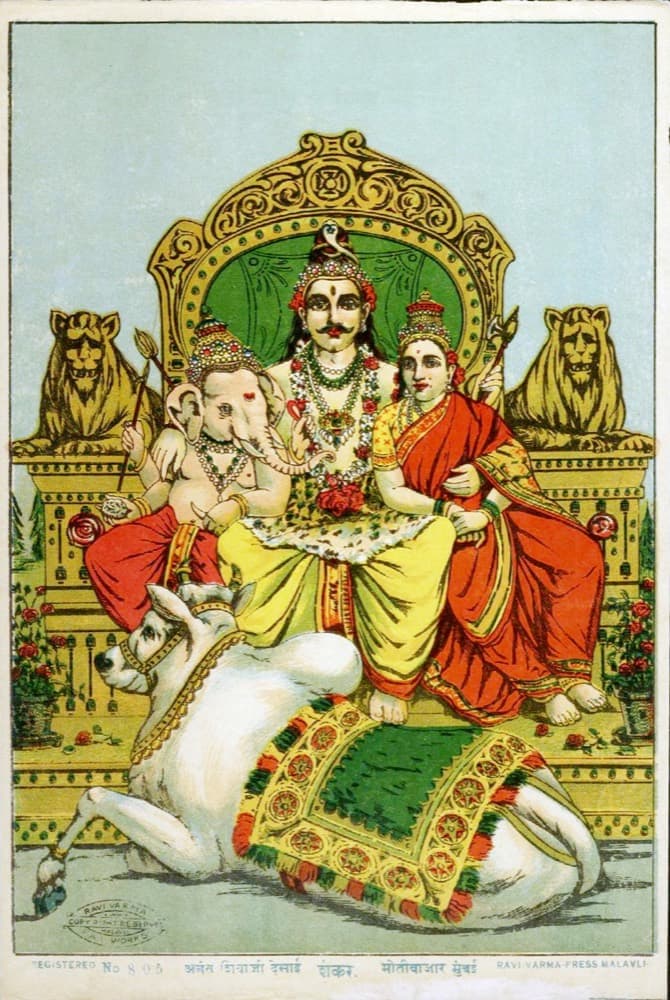
№ 015Hindu
湿婆
The Destroyer and Transformer, Lord of the Dance
 № 016
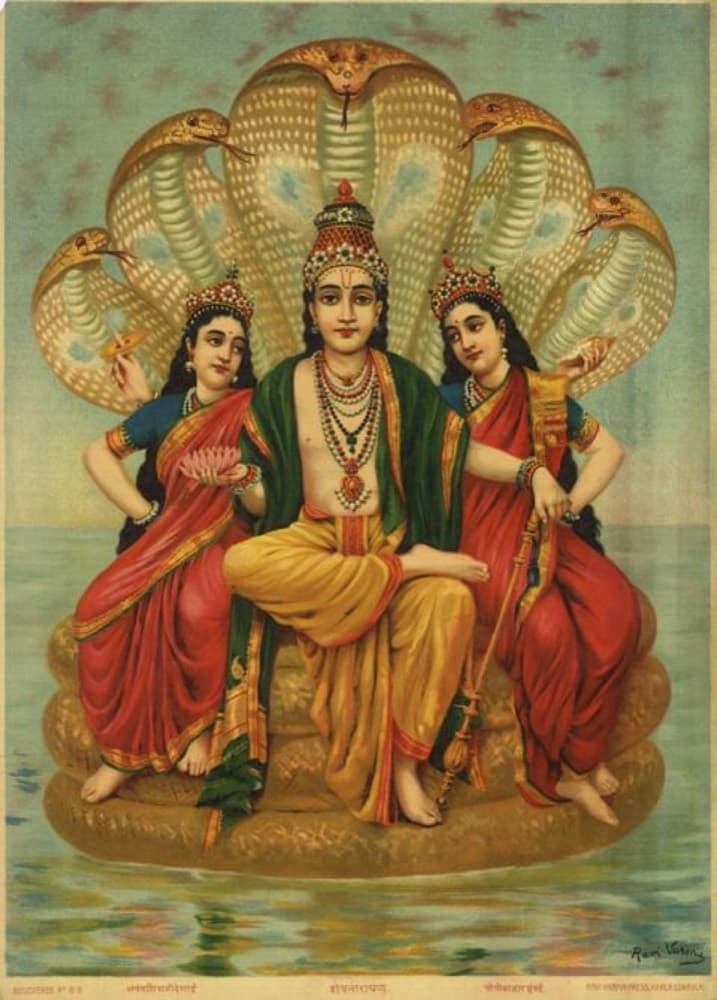
№ 016Hindu
毗湿奴
The Preserver, lord of the ten avatars