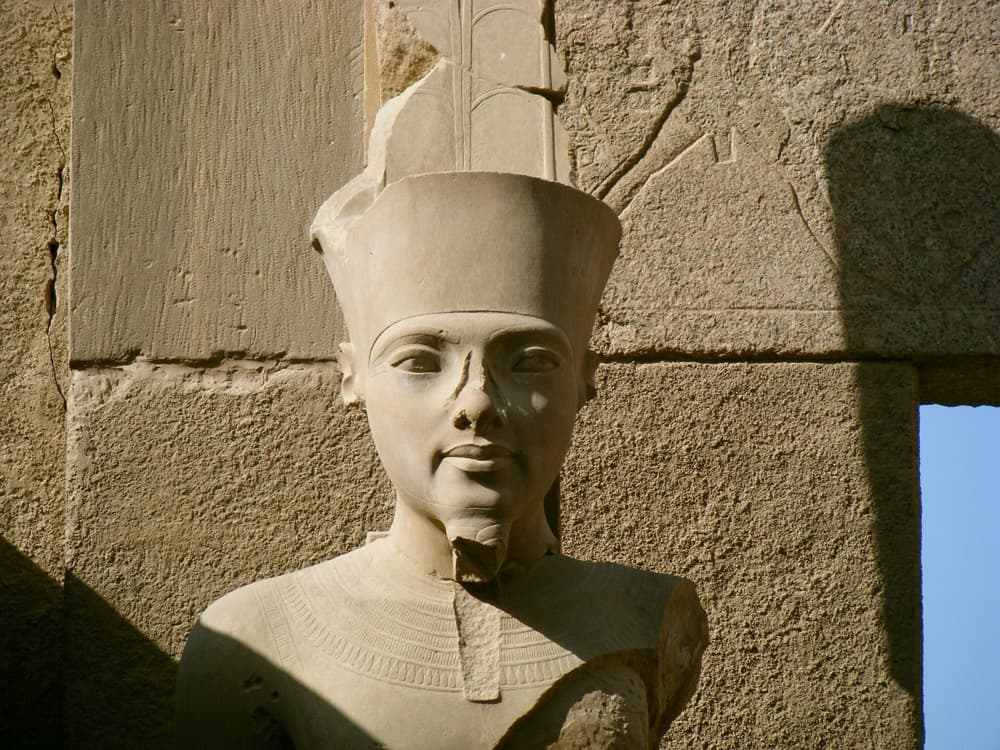
 № 001
№ 001Egyptian
Amun
Ancient
阿蒙
The Hidden One, King of the Gods at Thebes
Divine lineages · 05
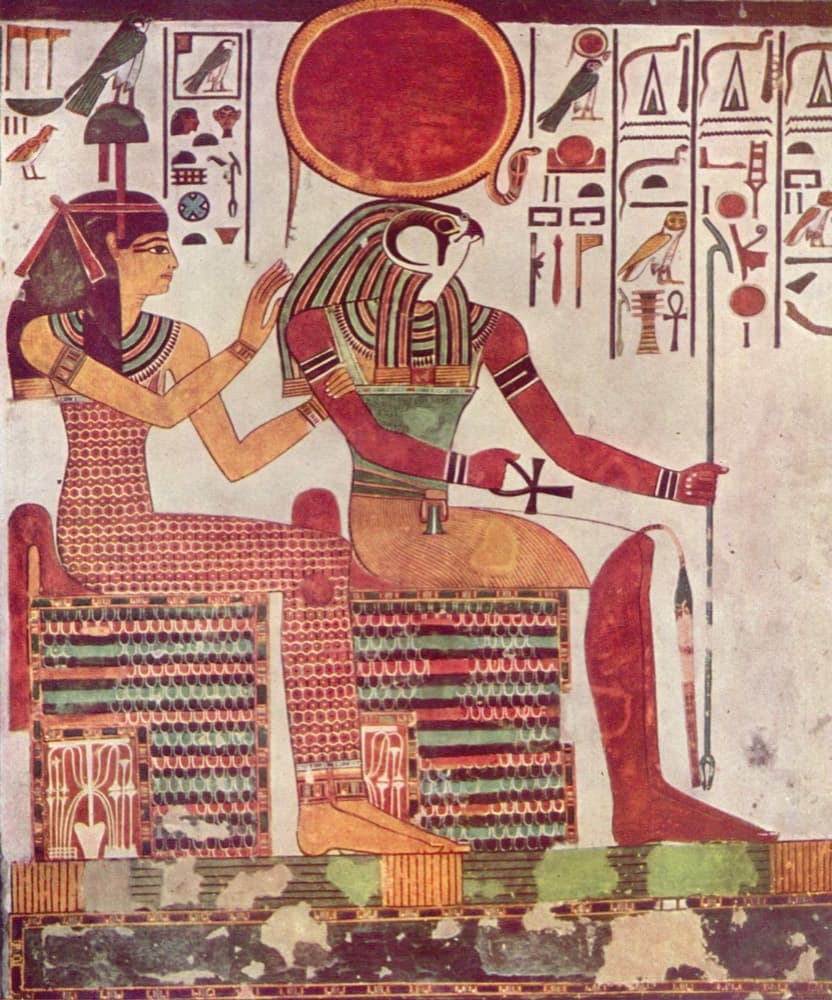
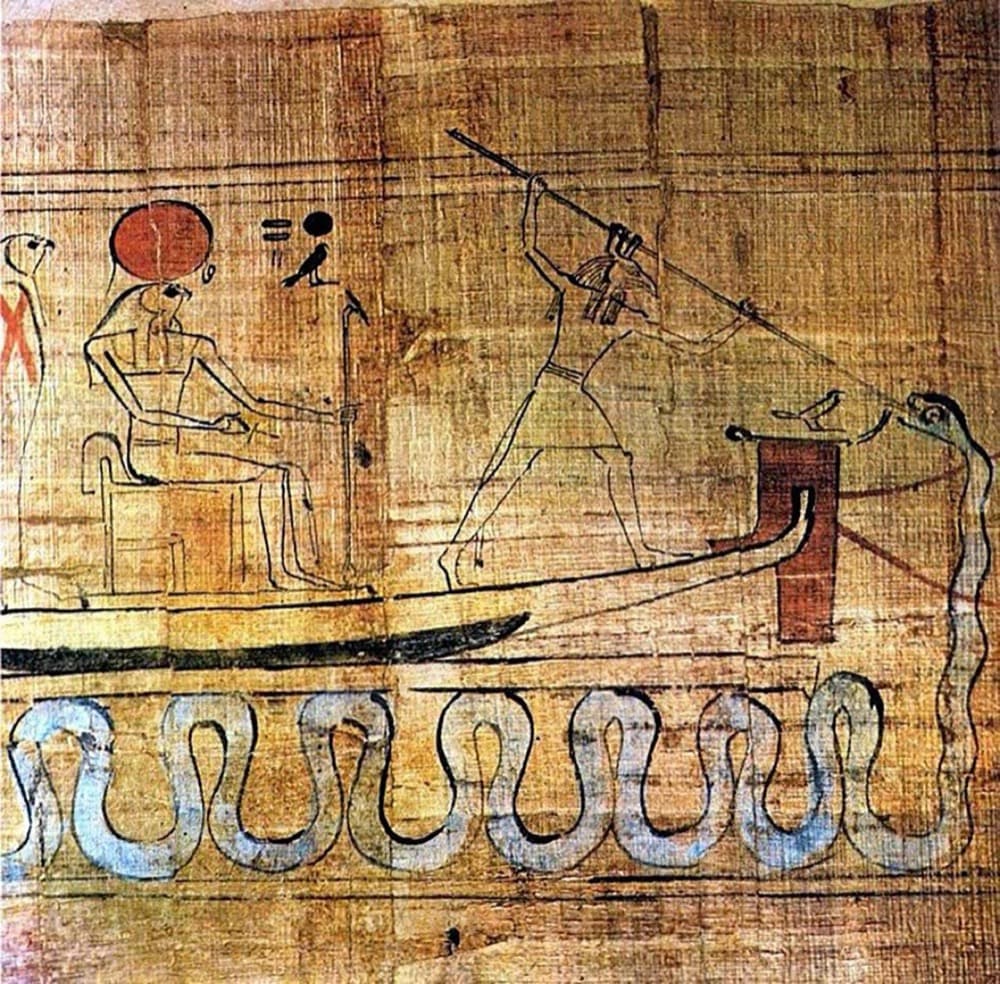
Egyptian mythology grew for over three thousand years in step with the Nile. Each summer the river flooded on schedule and withdrew leaving black silt; each night the sun sank into the western desert and rose again in the east. The cycle of death and renewal was written into the landscape, and the pantheon was built around it: falcon-headed Ra sails through the netherworld each night and beats back the chaos serpent Apep; Osiris, murdered and revived, presides over the judgment of the dead; the living pharaoh is Horus incarnate and becomes Osiris at death. The gods typically appear with animal heads on human bodies — jackal-headed Anubis, ibis-headed Thoth, cat-headed Bastet — and behind each face stands a specific holy city with its own rites.
There is no single scripture. The tradition survives on four kinds of carrier: the Pyramid Texts carved in Old Kingdom burial chambers around 2400 BCE, the oldest surviving body of religious writing; the Coffin Texts painted on Middle Kingdom coffins; the Book of the Dead copied onto New Kingdom funerary papyri; and the Amduat and Book of Gates mapping the sun's night voyage on royal tomb walls. Rival theologies coexisted without needing reconciliation — Heliopolis taught creation through the Ennead, Hermopolis through the Ogdoad, while Thebes raised its local god Amun to kingship over all. Herodotus's travel reports and Plutarch's account of Osiris, the fullest connected narrative we have, round out the corpus.
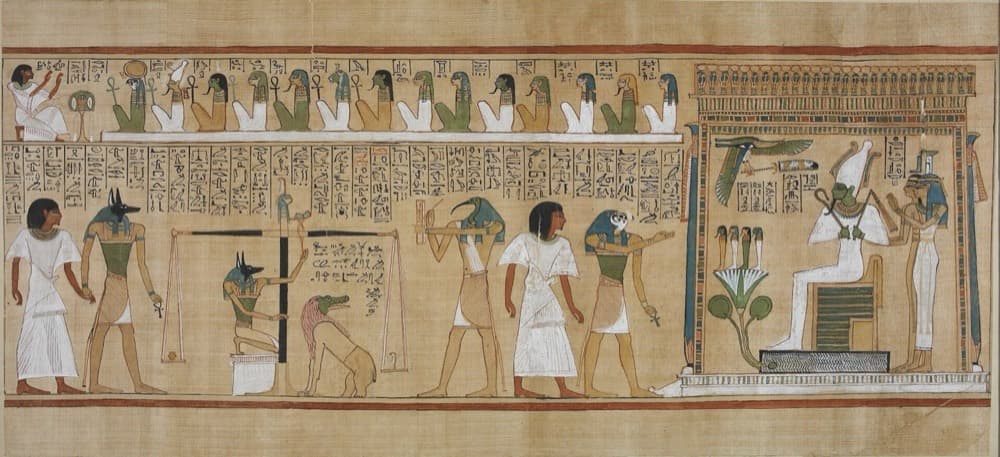
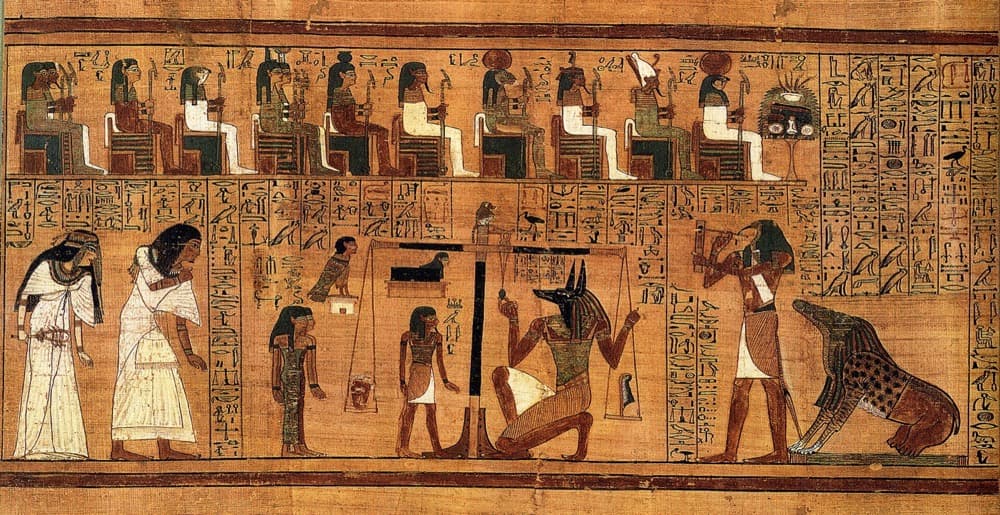
What sets the tradition apart is the sheer administrative detail of its afterlife: the Duat comes with maps, named gates, and rosters of guardians, and judgment follows a fixed procedure in which the heart is weighed against the feather of Maat, goddess of truth, a heavy heart being devoured on the spot. Death became a subject one could study for — mummification, amulets, and spell scrolls were the exam materials. That practical, unhurried view of mortality, together with the pyramids, the Sphinx, and the cat mummies, makes Egypt the most instantly recognizable mythology of the ancient world.
Opening the origin story…
№ 001Egyptian
阿蒙
The Hidden One, King of the Gods at Thebes
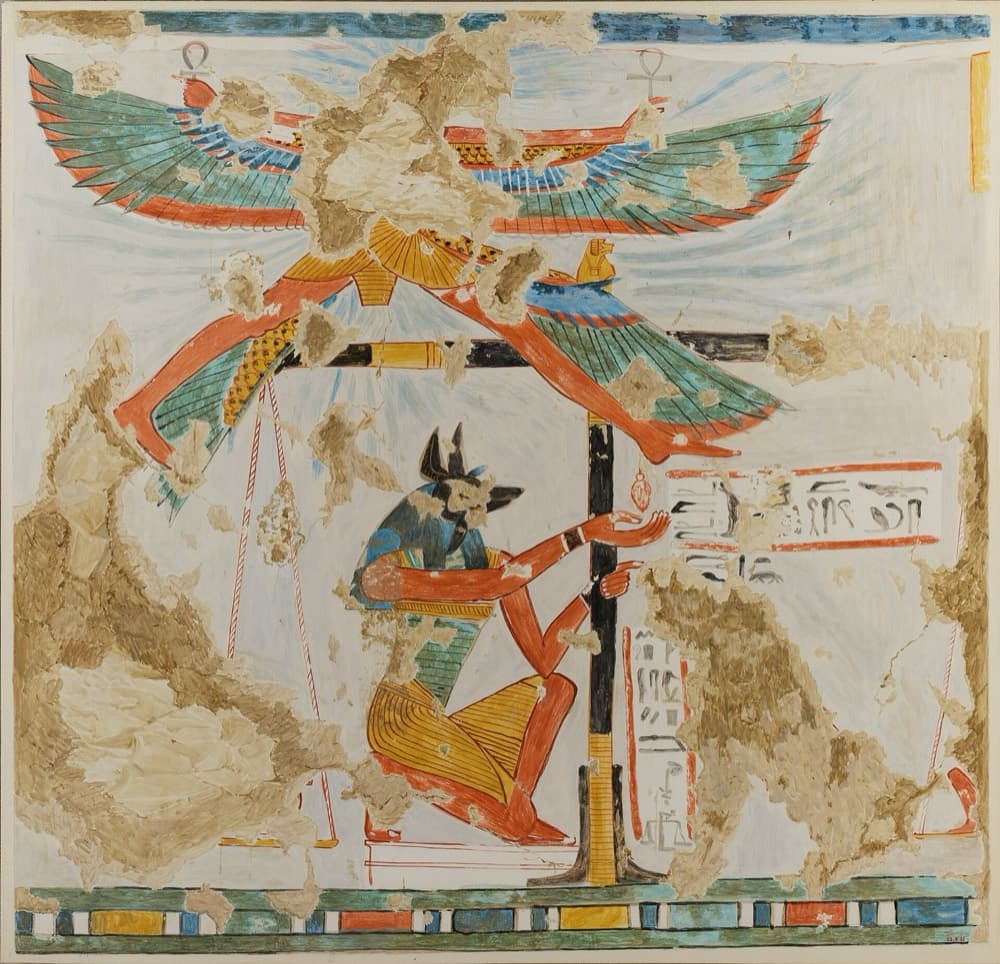 № 002
№ 002Egyptian
阿努比斯
God of Embalming and the Necropolis
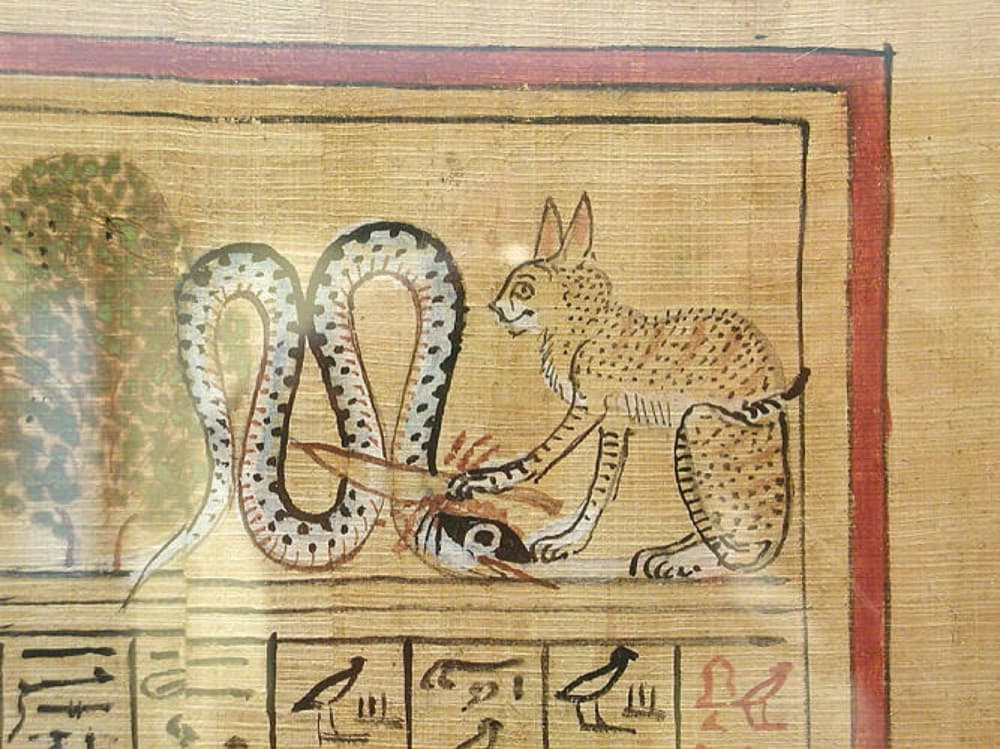 № 003
№ 003Egyptian
阿佩普
Serpent of Chaos
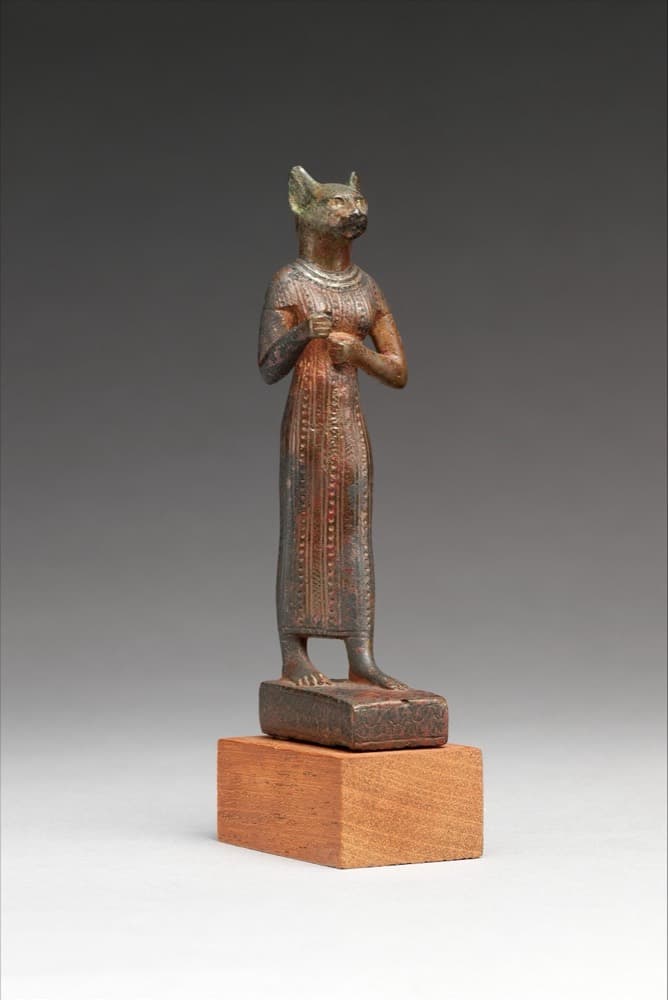 № 004
№ 004Egyptian
巴斯特
Cat Goddess of Protection and Joy
 № 005
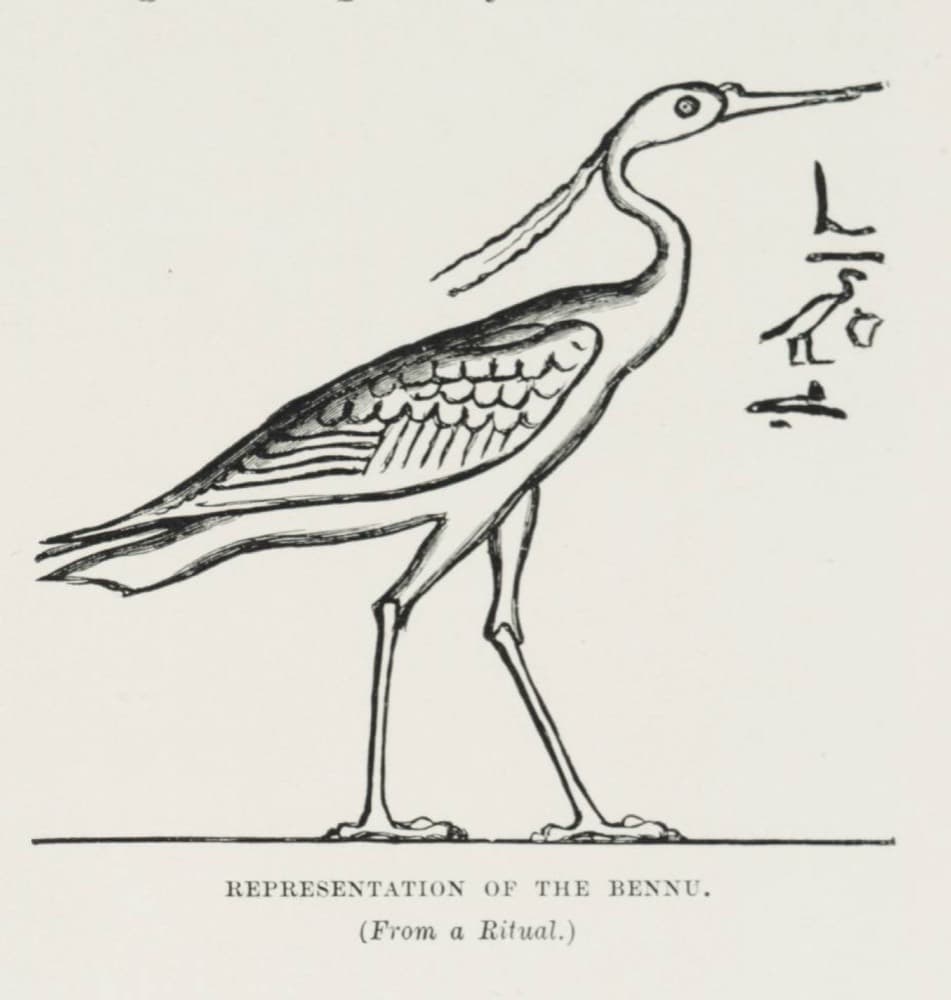
№ 005Egyptian
贝努鸟
Self-created Bird of the Sun
 № 006
№ 006Egyptian
亡灵书
The Spell Collection for the Afterlife
 № 007
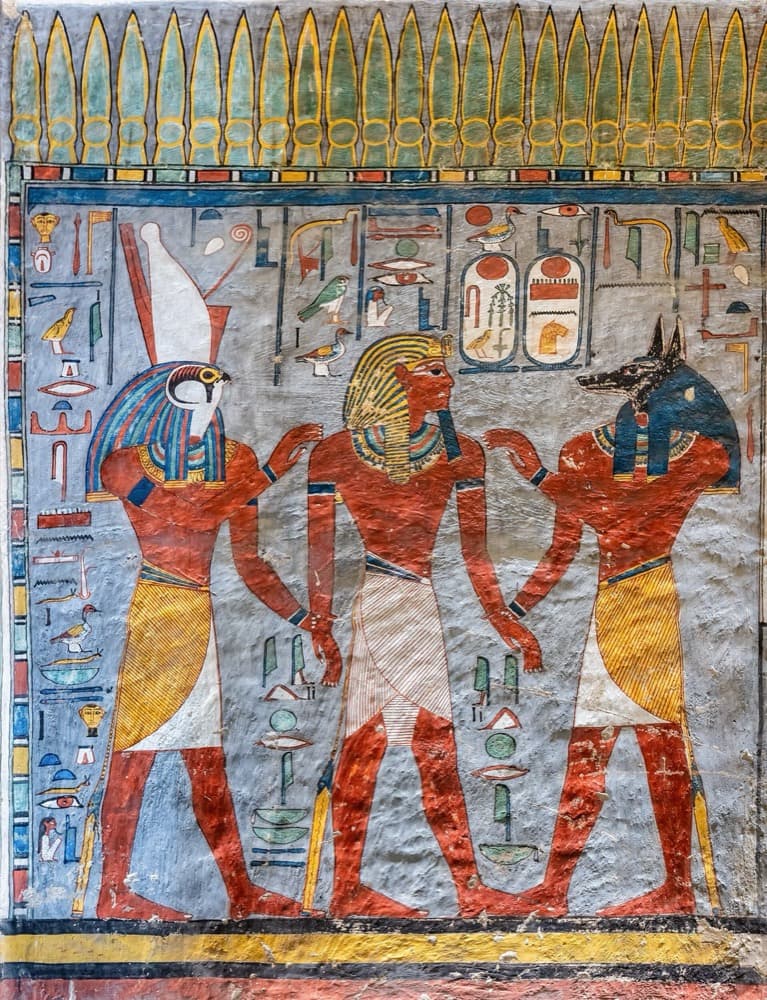
№ 007Egyptian
杜阿特
The Egyptian Netherworld
 № 008
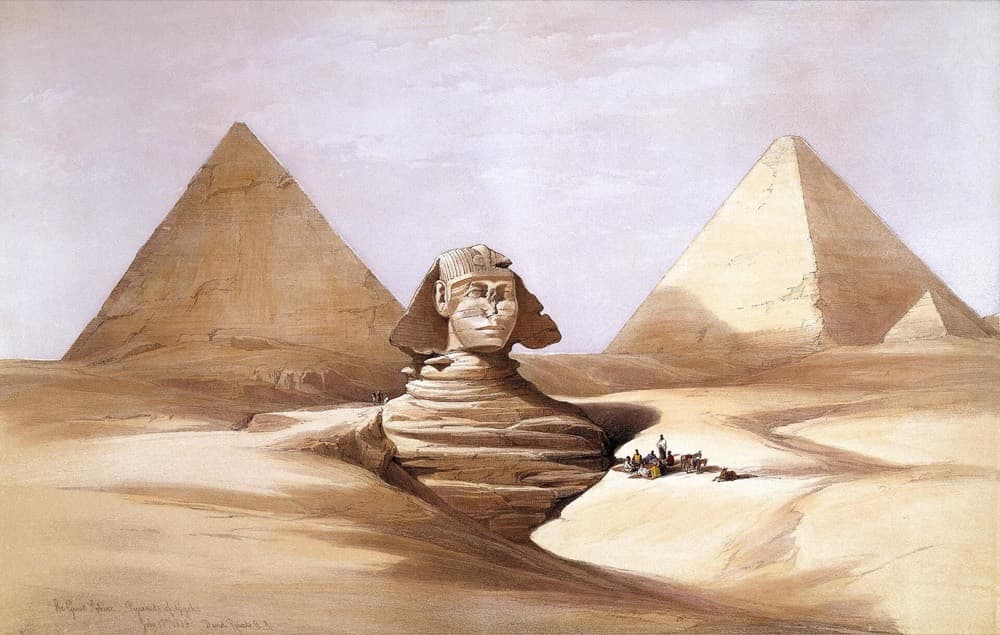
№ 008Egyptian
大斯芬克斯
The Lion-bodied Colossus of Giza
 № 009
№ 009Egyptian
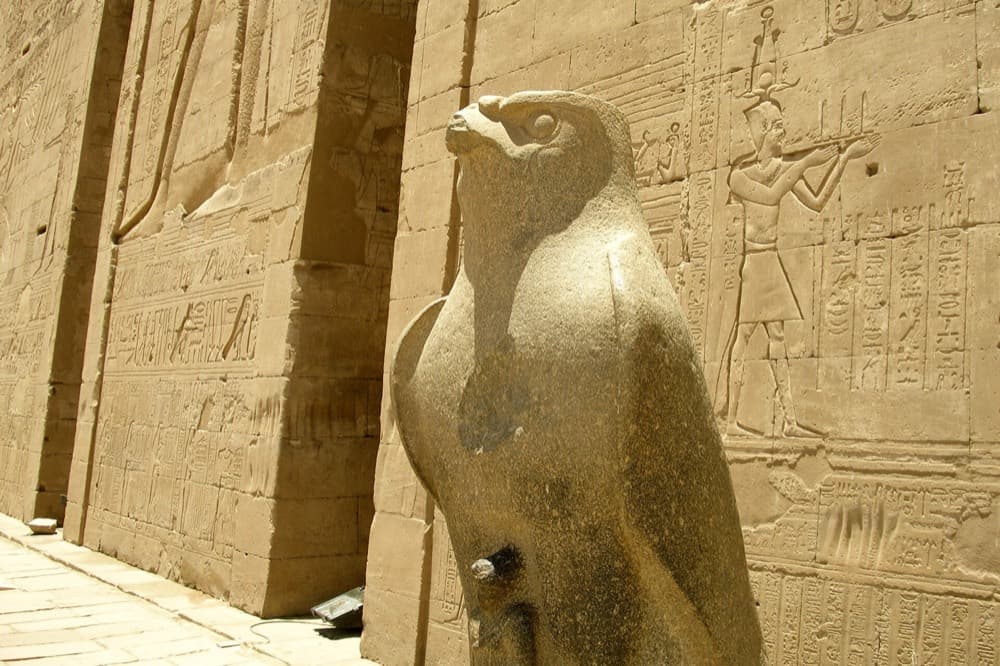
荷鲁斯
Sky God and Patron of Kingship
 № 010
№ 010Egyptian
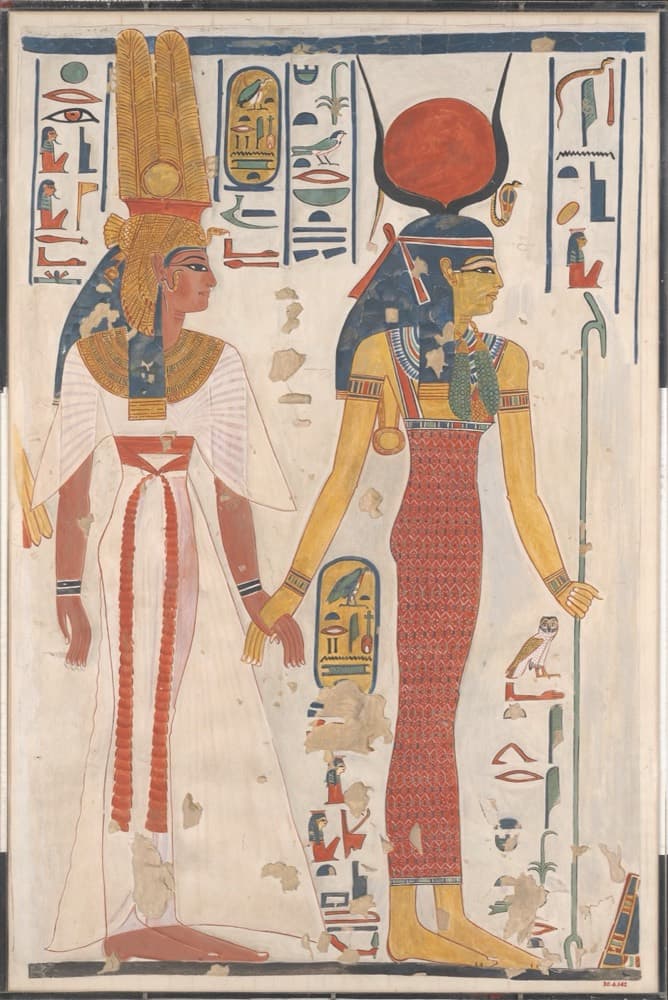
伊西斯
Goddess of Magic and Divine Motherhood
 № 011
№ 011Egyptian
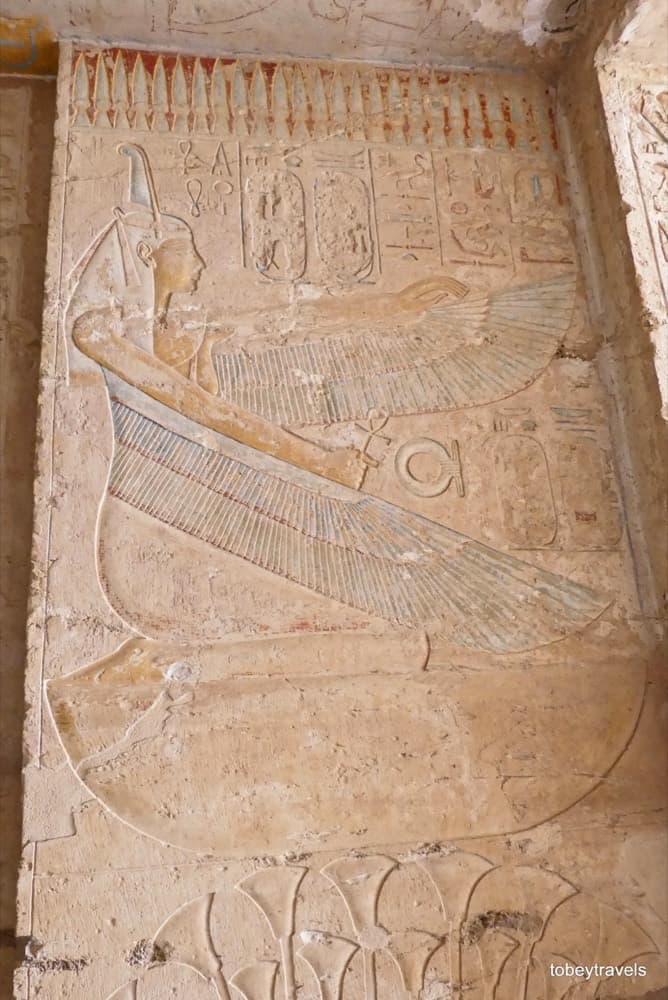
玛亚特
Personification of Truth and Order
 № 012
№ 012Egyptian
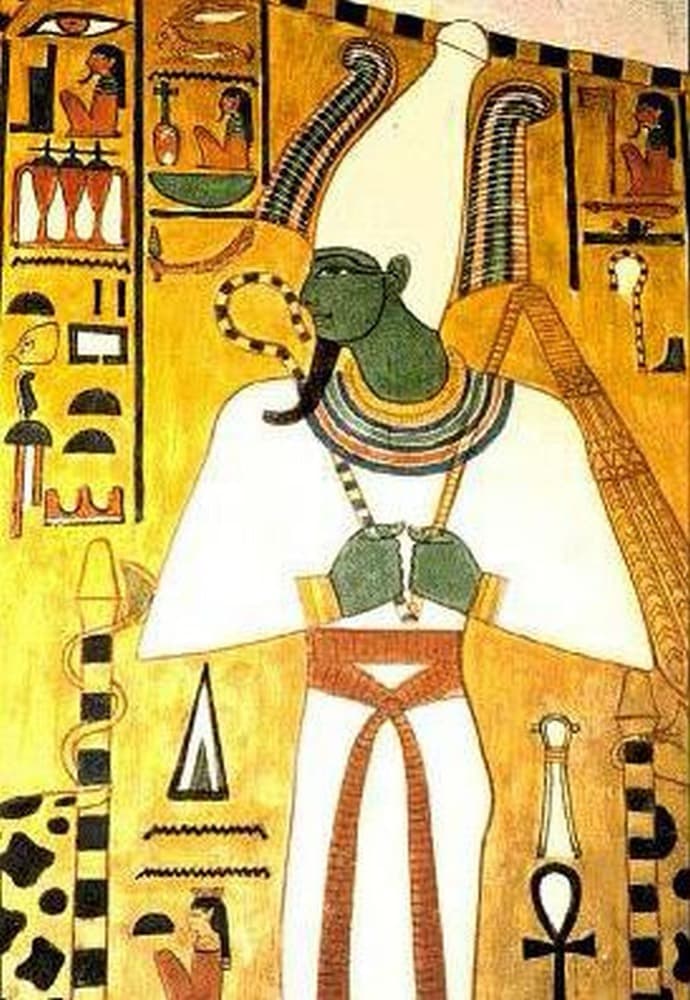
奥西里斯
Lord of the Underworld and God of Resurrection
 № 013
№ 013Egyptian
拉
Sun God and King of the Gods
 № 014
№ 014Egyptian
塞特
God of the Desert and Storms
 № 015
№ 015Egyptian
托特
God of Wisdom, Writing and the Moon
 № 016
№ 016Egyptian
心脏称量
The Judgment of the Dead