THE STORY & ITS AFTERLIVES
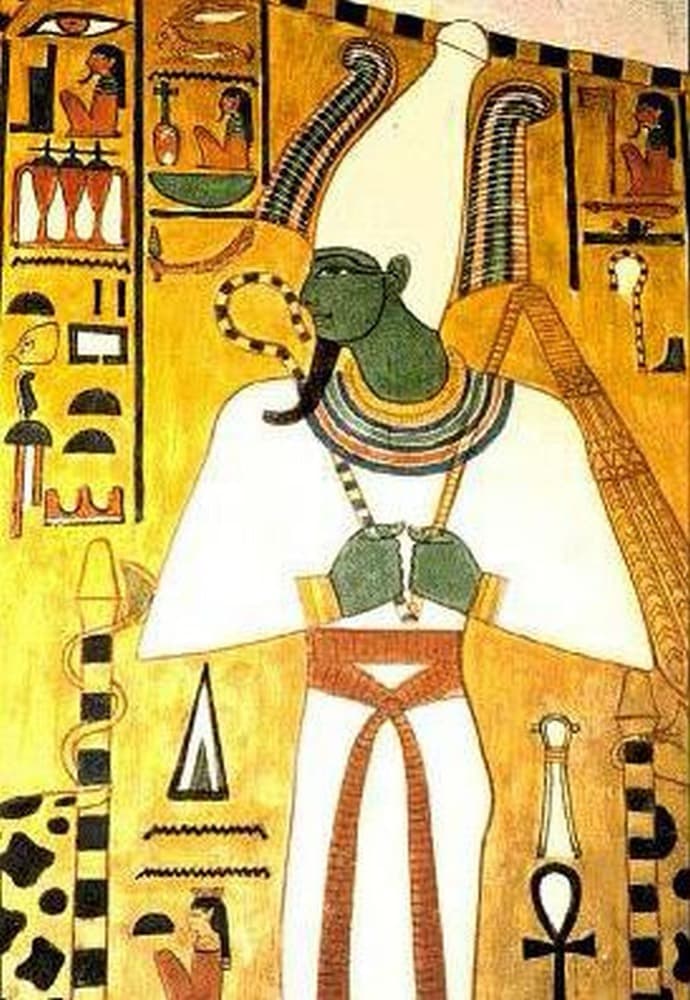
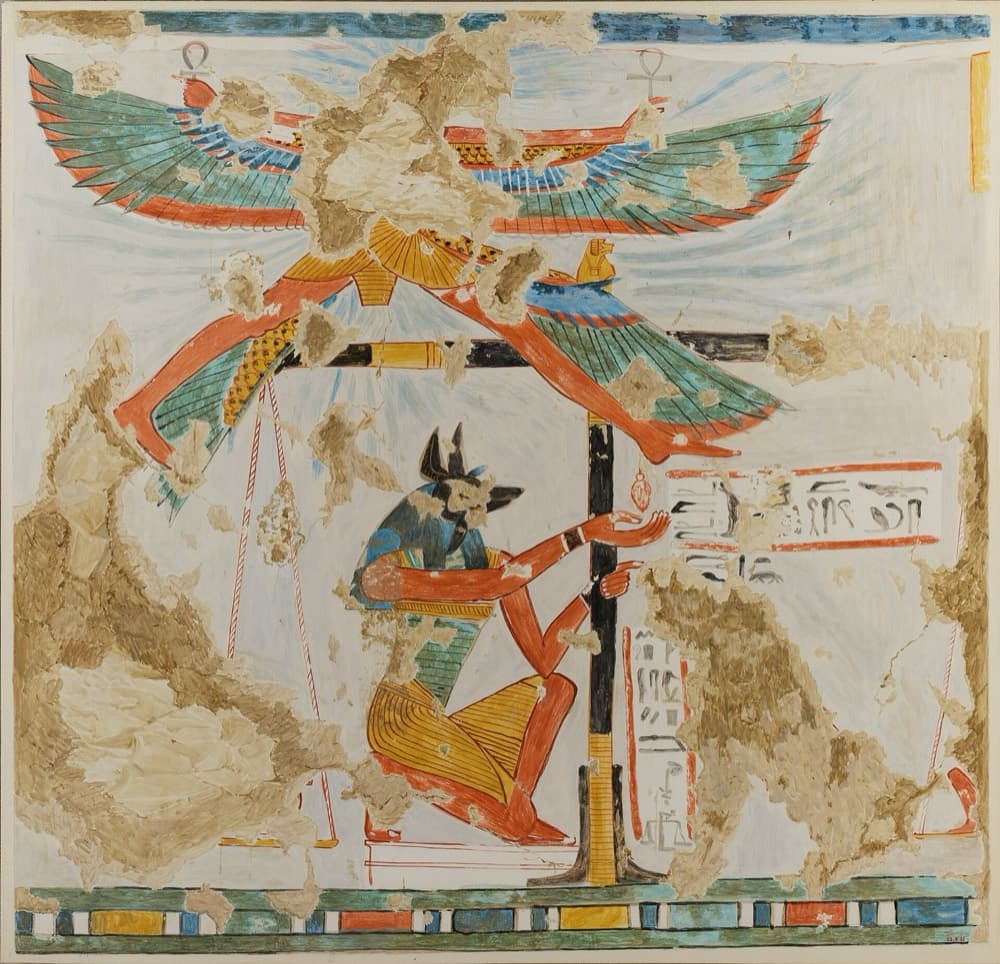
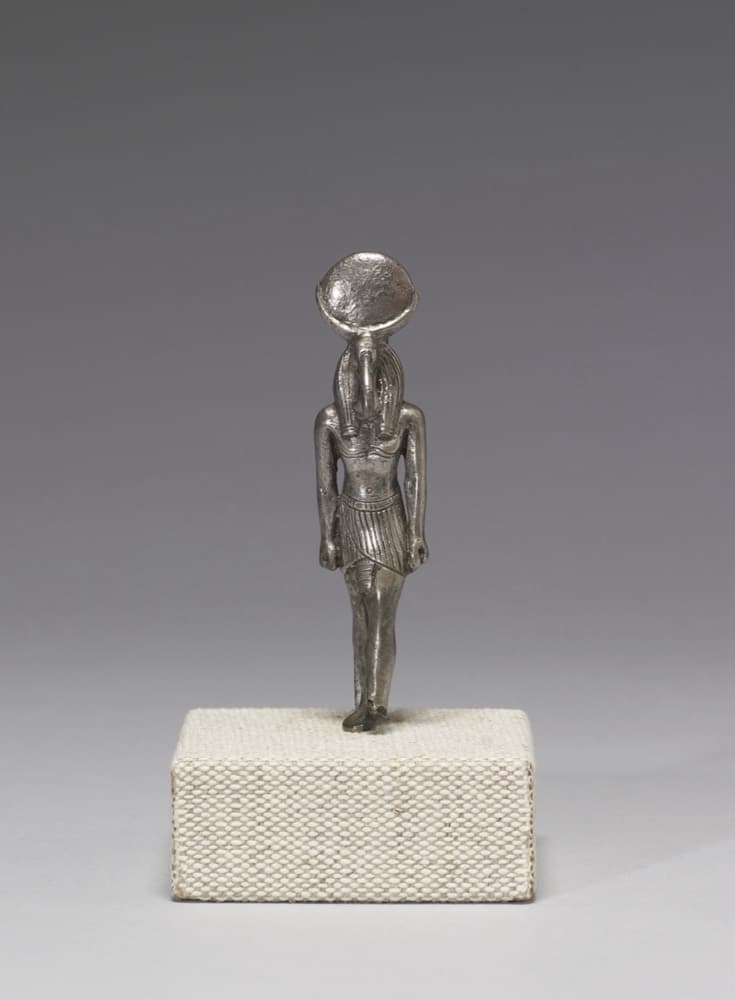
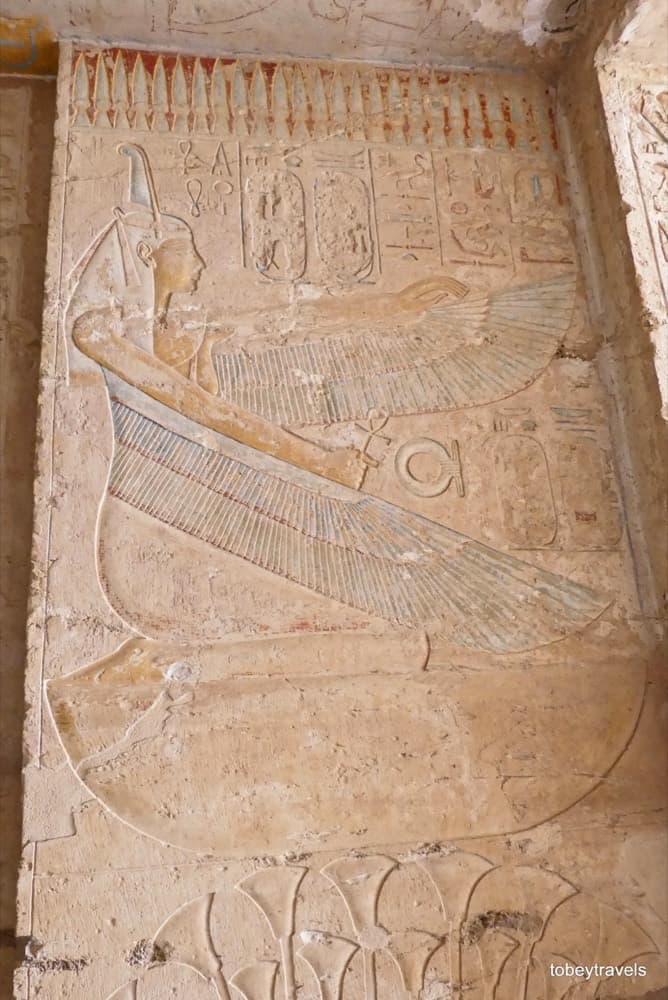
Every Egyptian dead person faced a final trial in the Hall of Two Truths, its procedure fixed in spell 125 of the Book of the Dead. The deceased greets Osiris, then addresses each of forty-two assessor gods with a declaration of innocence — 'I have not killed,' 'I have not stolen the god's offerings,' 'I have not caused anyone to weep' — the so-called Negative Confession. Then comes the weighing: Anubis sets the heart on one pan of the balance and the ostrich feather of Maat on the other. The heart was held to be the seat of memory and conscience, the ledger of a lifetime; falsehood makes it heavy. Thoth stands by with his pen to record, falcon-headed Horus escorts the deceased, and a baboon often squats atop the balance post.
Also present is Ammit, 'devourer of the dead': crocodile head, lion forequarters, hippopotamus hindquarters — the three great man-killers of the Nile valley in one body. If the heart outweighs the feather, Thoth reads out the verdict and Ammit swallows the heart on the spot; this is the 'second death,' complete annihilation. There is no hell in the scheme, only non-existence. Those who pass are declared 'true of voice' and led by Horus before Osiris, cleared to enter the Field of Reeds.
The most famous rendering of the scene is in the Papyrus of Ani (c. 1250 BCE, British Museum), where the scribe Ani and his wife bow beside the balance amid the full judicial cast. The living prepared countermeasures in advance: the heart scarab laid on the mummy's chest carries spell 30B, imploring the heart not to testify against its owner at the weighing.