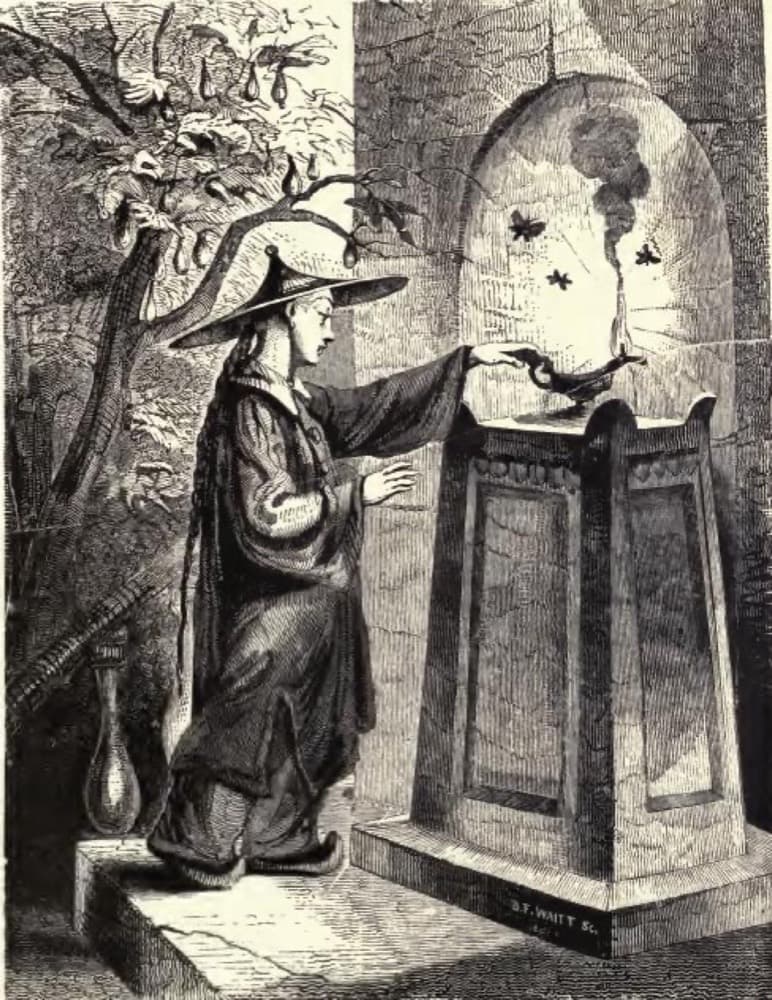
 № 001
№ 001Arabian
Aladdin's Lamp
Folk
阿拉丁神灯
The old oil lamp with a slave inside
Divine lineages · 13
At the root of Arabian lore lies the desert belief of the pre-Islamic peninsula: the invisible jinn share the world with humankind, holding the ruins, dry wells and wastelands, dictating verses to poets, while travellers on night roads watch for the shapeshifting, man-eating ghul. With the rise of Islam this hidden race was written into scripture — the Quran declares the jinn created from smokeless fire, rational beings alongside angels and humans, and devotes a chapter to their conversion. The prophet-king Solomon pressed them into service, building sanctuaries and diving for pearls, and sealed the rebels into brass bottles sunk in the sea, stocking the later stories with inexhaustible props.
These scattered beliefs pooled at last in the Thousand and One Nights. Its frame descends from the Persian Hazar Afsan, 'A Thousand Tales', noted by al-Mas'udi and Ibn al-Nadim in the tenth century, then thickened over centuries of retelling in Baghdad and Cairo, until Scheherazade's nightly stories, each suspended at daybreak, grew into a labyrinth wide enough for fishermen, porters, merchants and jinn. From 1704 Antoine Galland's French translation swept Europe; the most famous pieces of all — Aladdin, Ali Baba — are 'orphan tales' with no Arabic source text, told to Galland in Paris by the Syrian traveller Hanna Diyab.
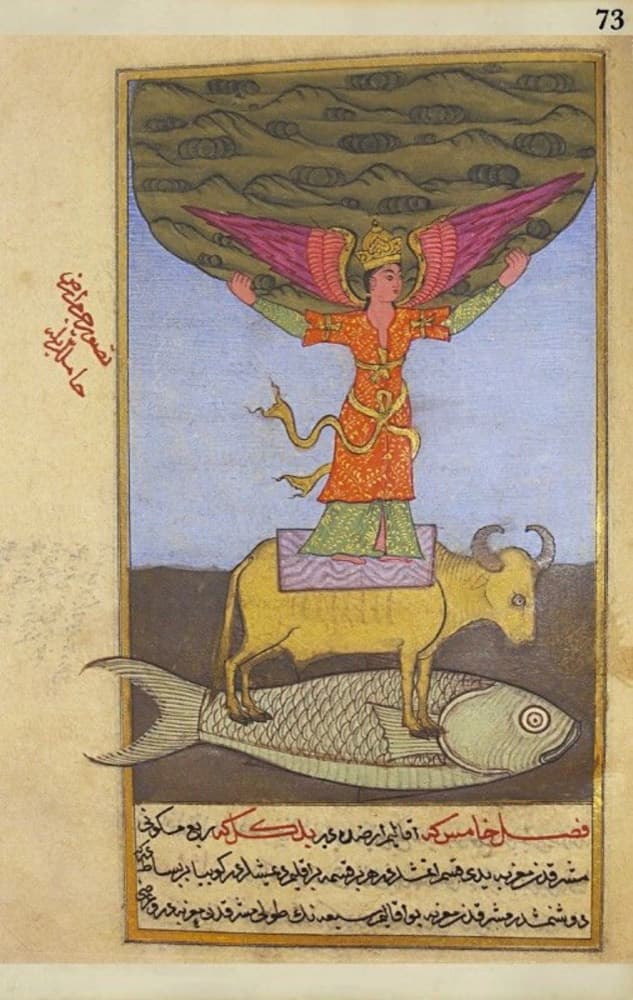
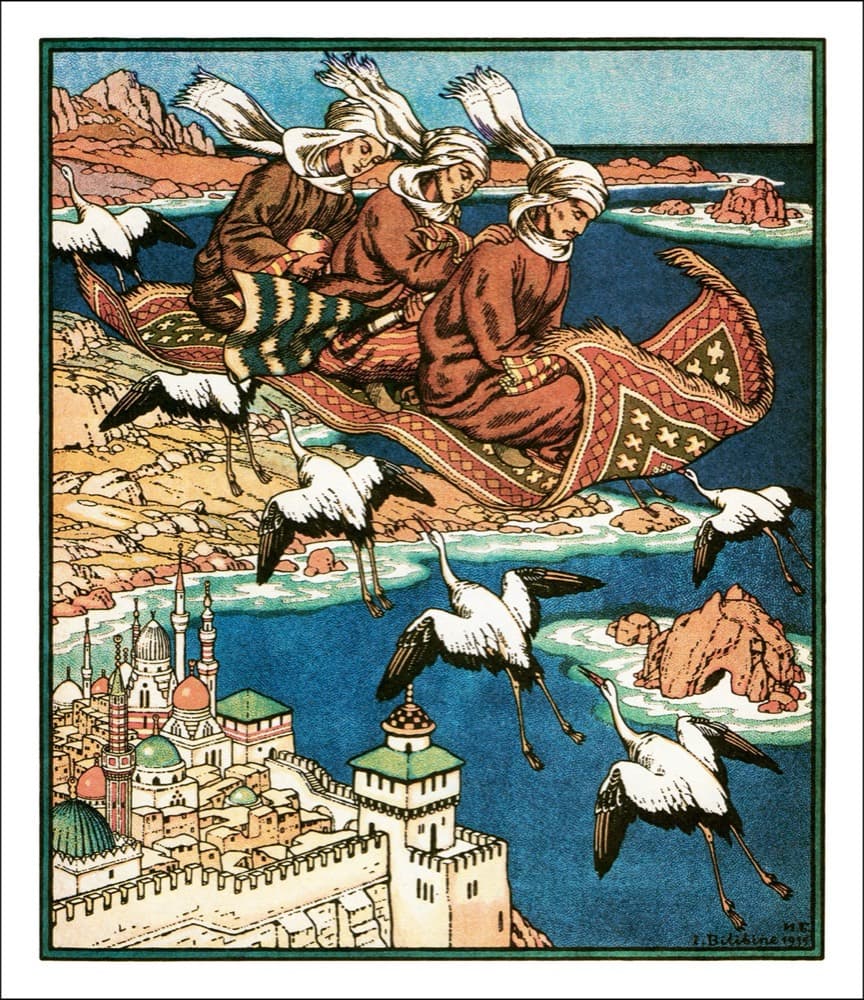
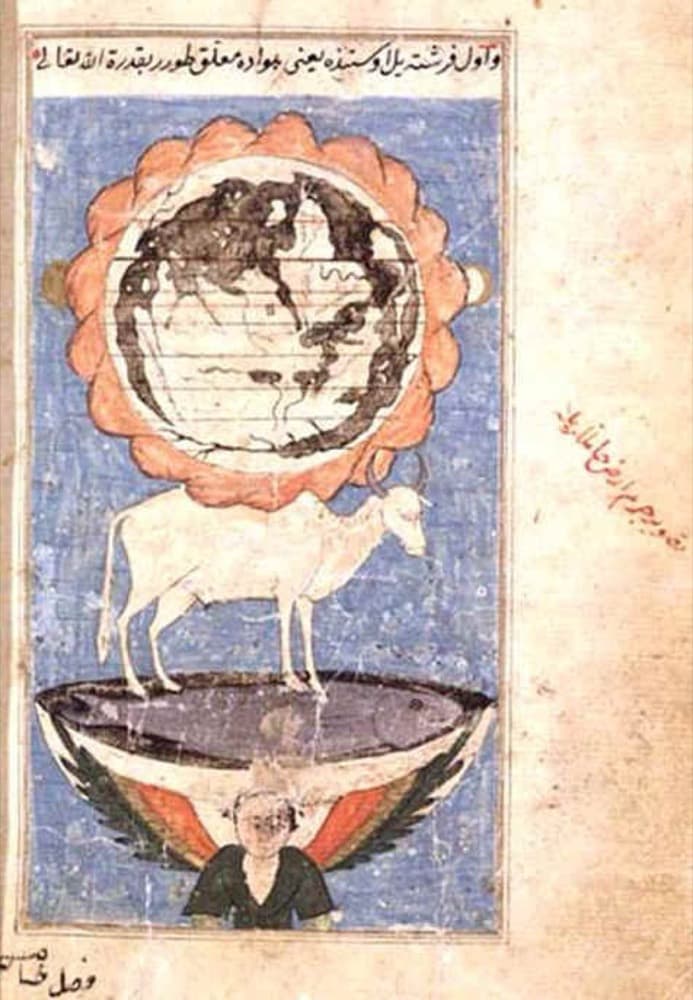
The temper of the tradition is mercantile. Its leading hero is Sinbad, a merchant of Baghdad, and even its wonders carry price tags — a flying carpet bought for forty purses of gold, diamonds fished from their valley with slabs of thrown meat. Yet its cosmos is vast: beyond the emerald ring of Mount Qaf lie the kingdoms of the jinn, and the earth rides on the backs of an angel, a bull and the cosmic fish Bahamut.
Opening the origin story…
№ 001Arabian
阿拉丁神灯
The old oil lamp with a slave inside
 № 002
№ 002Arabian
巴哈姆特
The cosmic fish that bears the world
 № 003
№ 003Arabian
飞毯
The woven thing that rides the wind
 № 004
№ 004Arabian
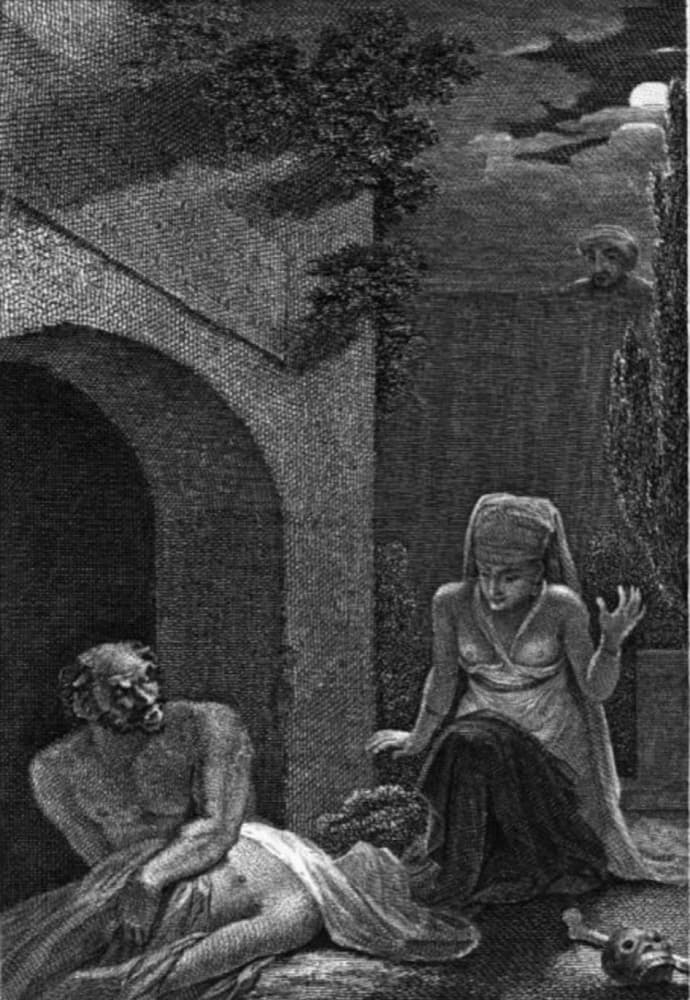
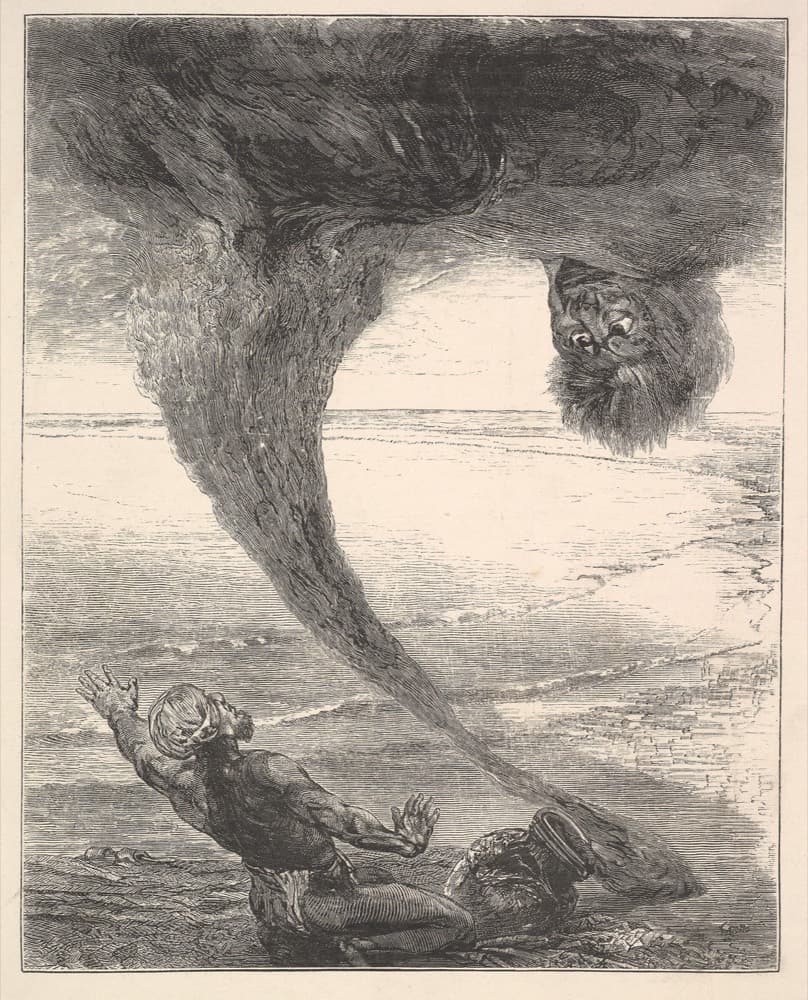
古尔
The shapeshifting man-eater of the desert
 № 005
№ 005Arabian
伊夫利特
The mighty among the jinn
 № 006
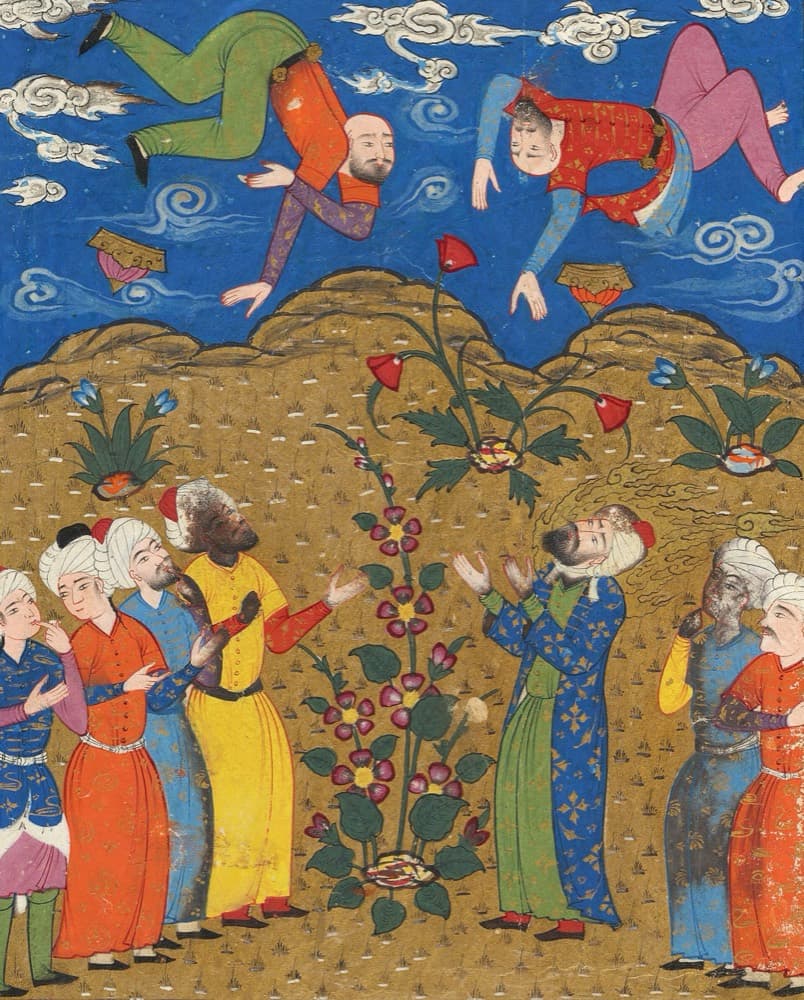
№ 006Arabian
千柱之城伊拉姆
The presumptuous city swallowed by the sands
 № 007
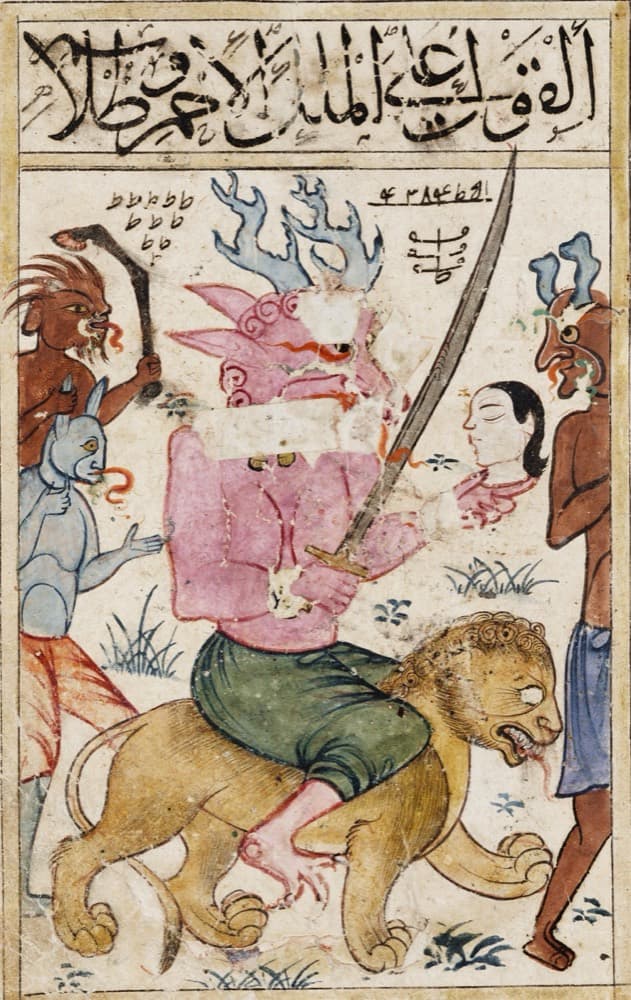
№ 007Arabian
镇尼
The hidden race made of smokeless fire
 № 008
№ 008Arabian
卡夫山
The emerald range that rings the world
 № 009
№ 009Arabian
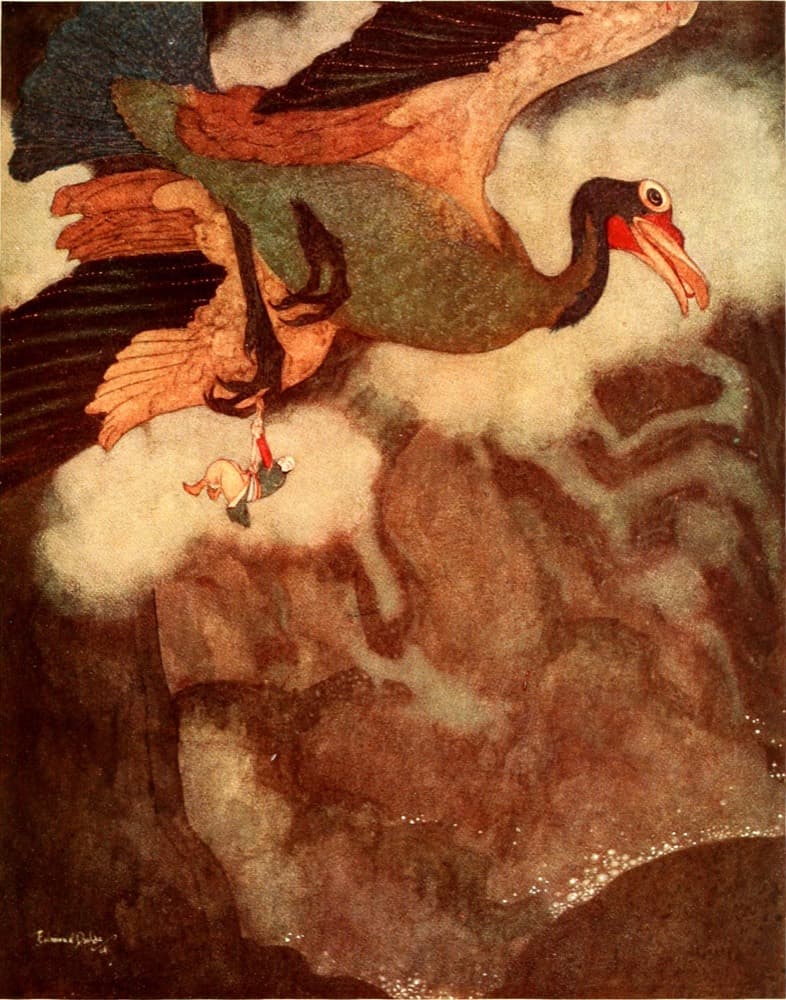
鲁克鸟
The bird that carries off elephants
 № 010
№ 010Arabian
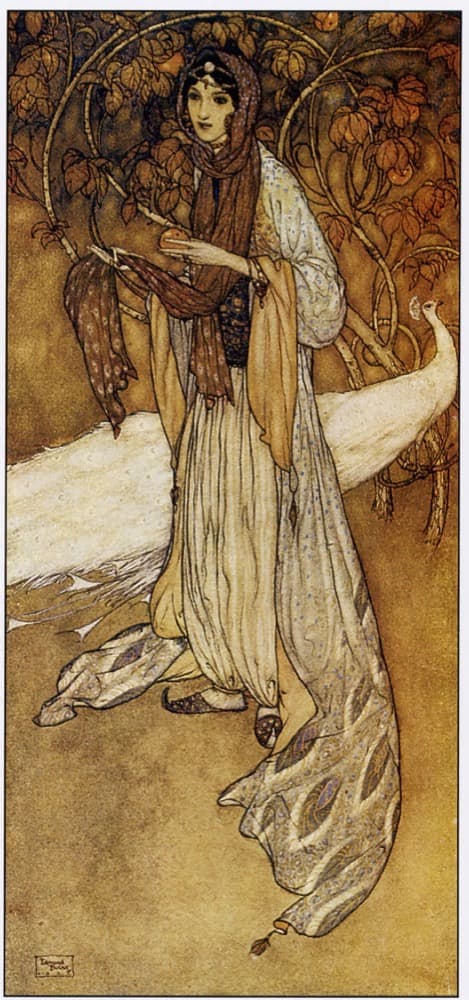
山鲁佐德
The teller who bought each dawn with a story
 № 011
№ 011Arabian
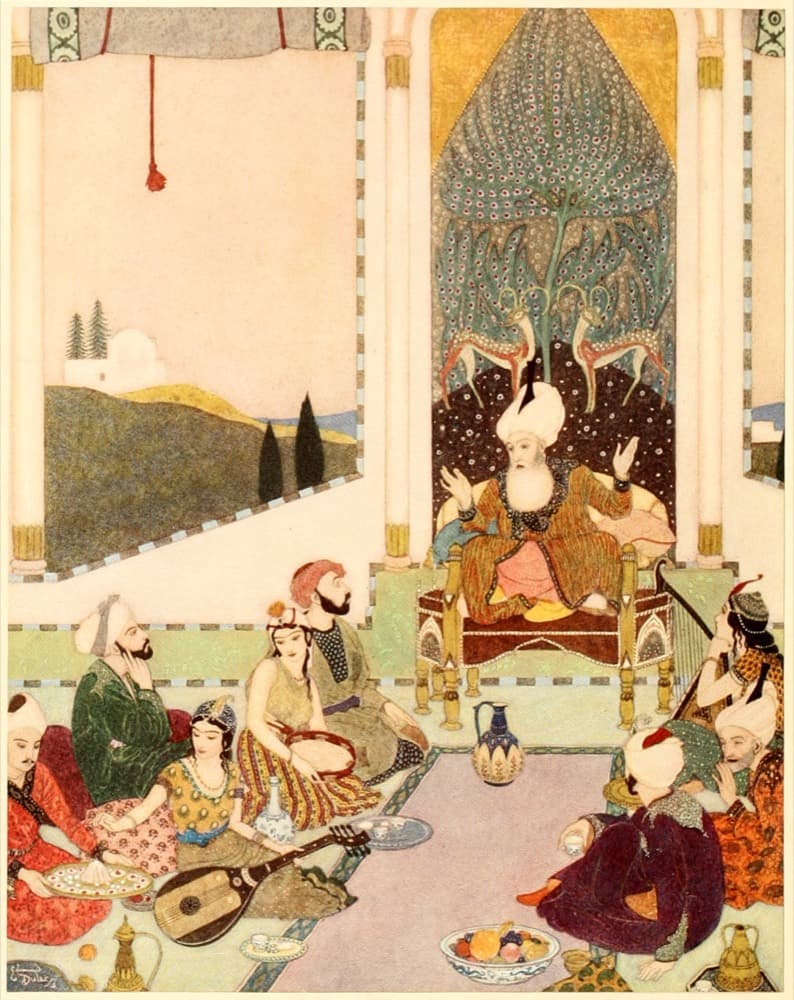
辛巴达
The Baghdad merchant of the seven voyages
 № 012
№ 012Arabian
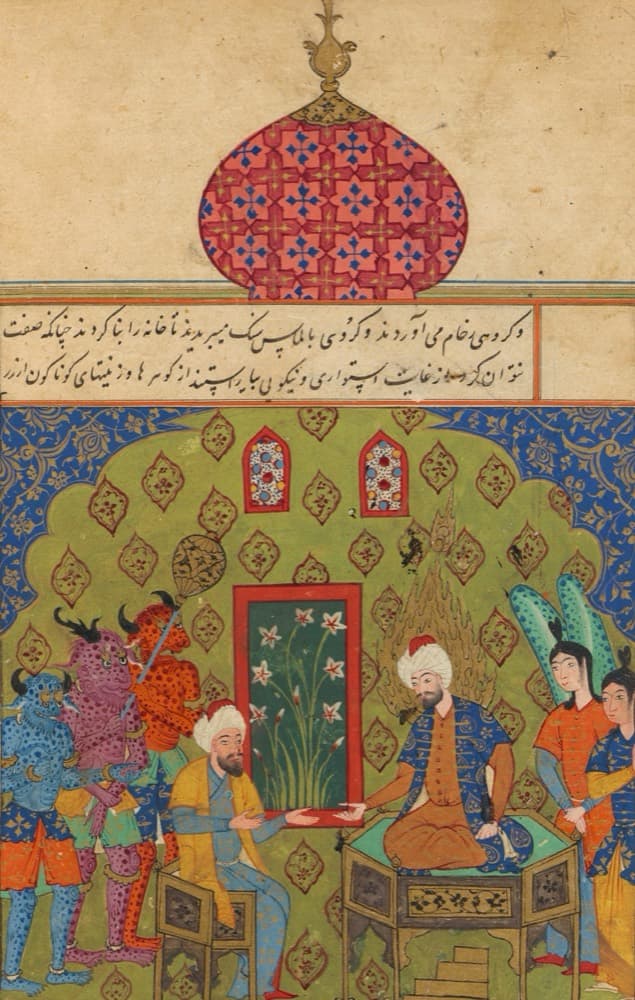
所罗门与精灵
The prophet-king who commanded the jinn