THE STORY & ITS AFTERLIVES
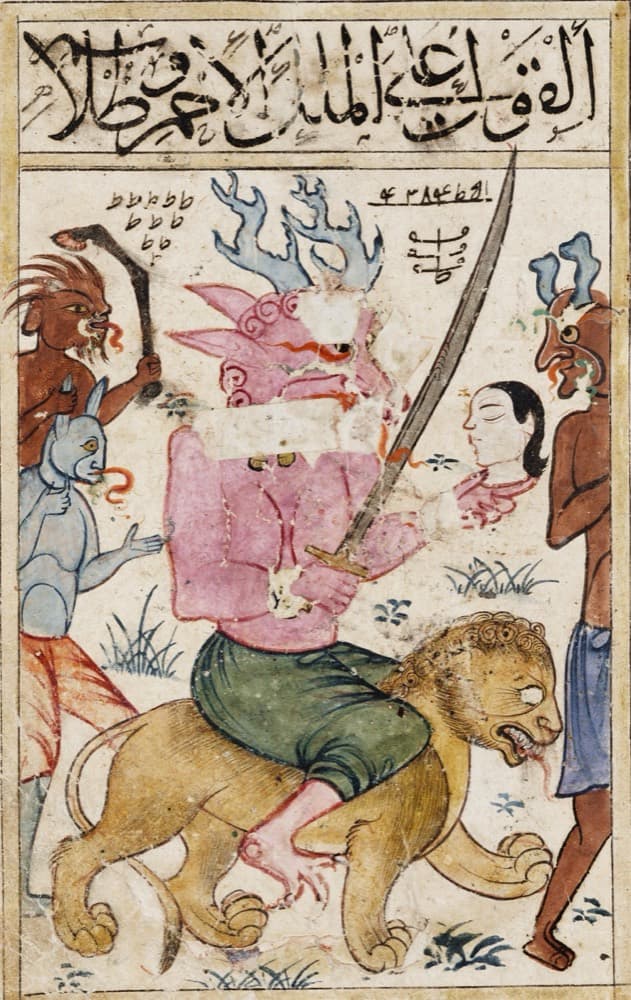
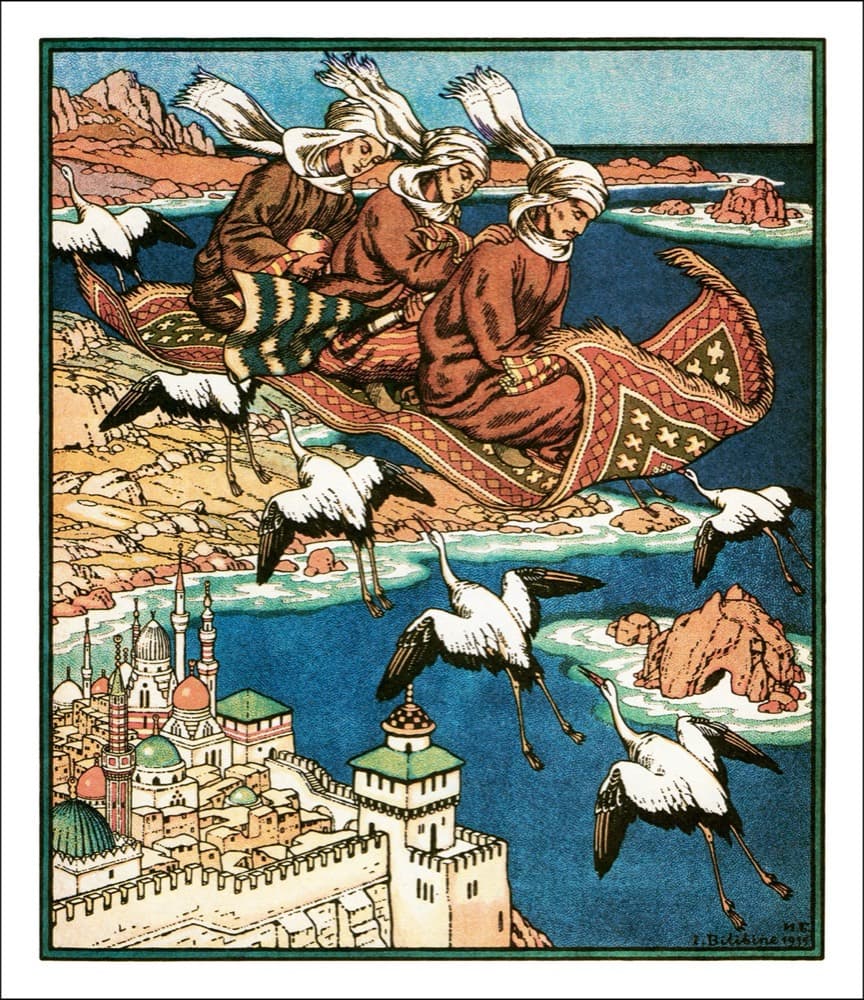
In Islamic tradition Solomon (Sulayman) is prophet as well as king, granted powers no ruler held before him: the wind at his command, covering a month's journey in a morning and a month's in an evening; the jinn and devils bound to his service, building sanctuaries, carving statues, casting basins as large as reservoirs, diving into the deep for pearls, with the defiant chained together in fetters (Quran 21:81-82, 34:12-13, 38:36-38). He understood the speech of birds; the hoopoe scouted the kingdom of Sheba for him, and an ifrit offered to fetch its queen's throne in the blink of an eye.
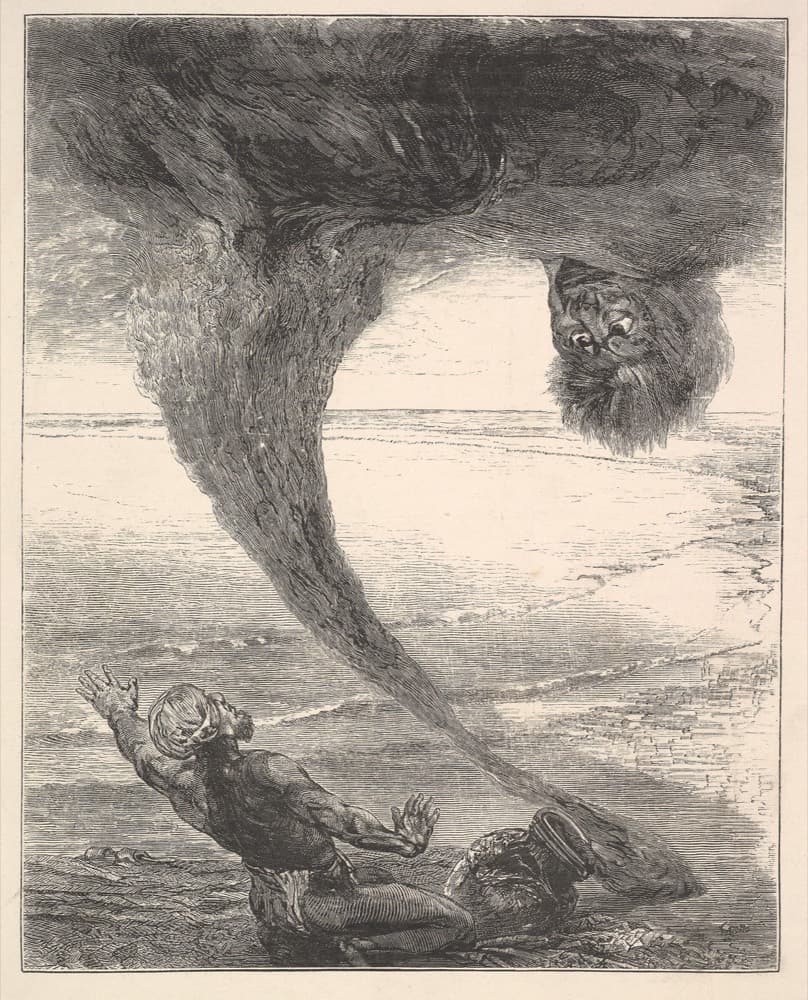
Later legend gave this authority a token: a signet ring engraved with the greatest name of God, the Seal of Solomon. With it he summoned, judged and sentenced the spirits, corking the worst of the jinn into brass bottles stoppered with lead and stamped with the seal, then sinking them in the sea. The bottle the fisherman hauls up in the Thousand and One Nights is one of these. The motif is older than Islam: the Greek Testament of Solomon, composed roughly between the first and third centuries, already shows him compelling demons to build the Temple with a ring brought by an angel.
Even his death turns on the jinn. Quran 34:14 relates that Solomon died standing, propped on his staff, and the jinn toiled on unaware until a worm gnawed the staff through and the body fell — proof, the verse notes, that they never knew the unseen. The scene closes the age of spirit corvee and bequeaths the Nights its ready-made cosmos: a sea floor littered with bottled wrath from Solomon's reign.