 № 001
№ 001Lost Lands
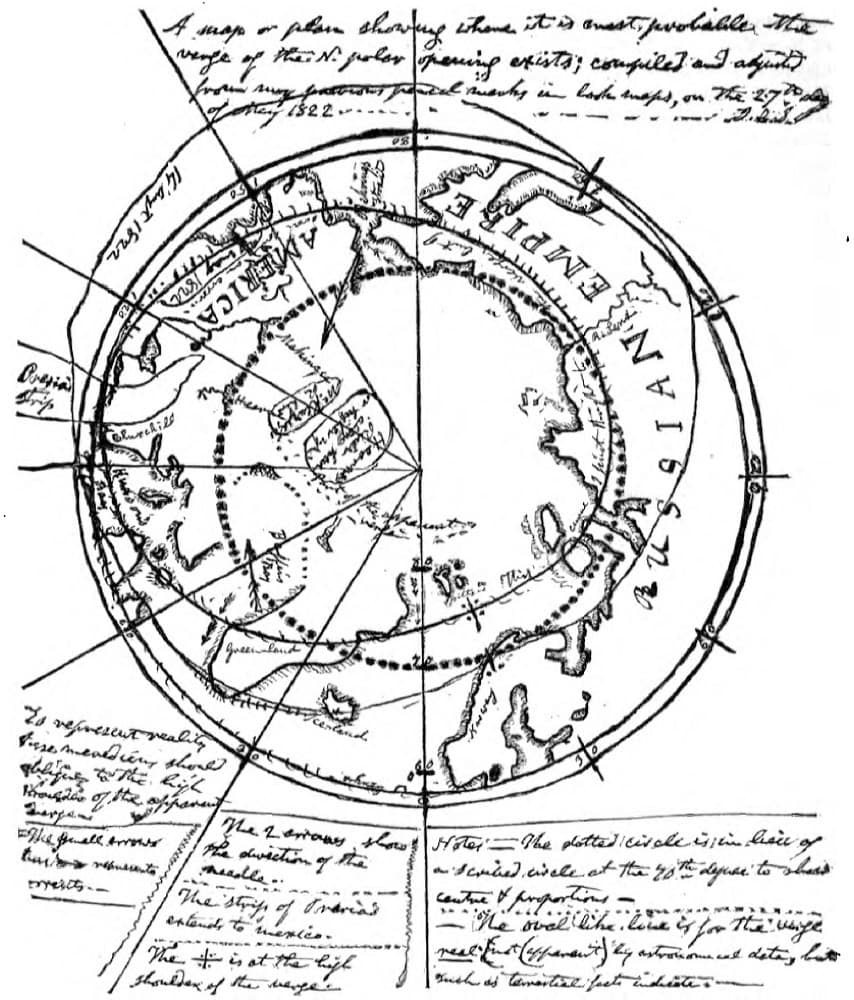
Agartha
Modern
阿加尔塔
The hidden kingdom under the earth
Drowned realms · 30
Capitals swallowed by the sea, phantom isles surfacing through fog, kingdoms hidden behind snow mountains or beneath the earth's crust, countries of gold that stay forever one march away — lost lands turn up in the records of every civilization. This collection gathers fourteen of the most storied: from Plato's Atlantis, sunk in a single day and night, to Penglai hanging like cloud over the Bohai Sea; from Kitezh, which prayed itself beneath a Russian lake, to Hy-Brasil, which haunted nautical charts for five hundred years.
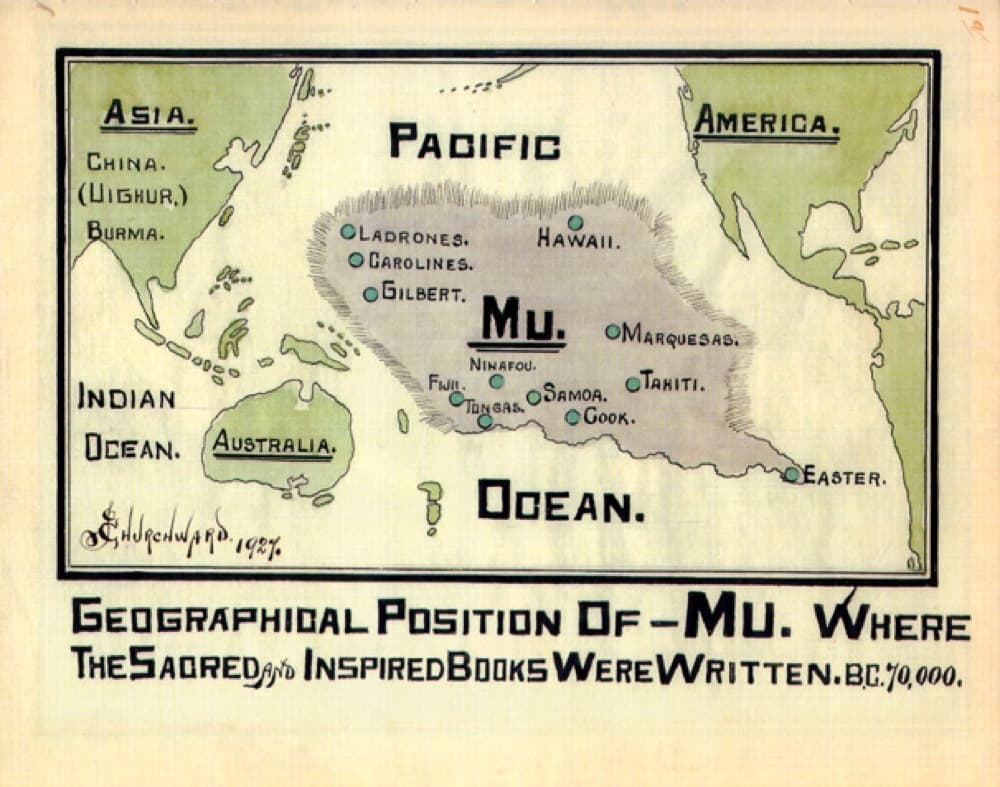
Their paper trails could hardly differ more. Some rest on classical canon — Plato's Timaeus, Sima Qian's Records, Pindar's odes; some crystallized in medieval saints' lives and chronicles, like Avalon and Ys; others are outright modern inventions — Mu was born of a mistranslated Maya codex, Lemuria began as a zoologist's land-bridge hypothesis, and Agartha was assembled by French occult writers. From the late nineteenth century, Theosophy and its heirs wove these unrelated place-names into a single narrative of lost civilizations, and sunken continents, subterranean kingdoms, and polar paradises have been entangled in popular esoterica ever since.
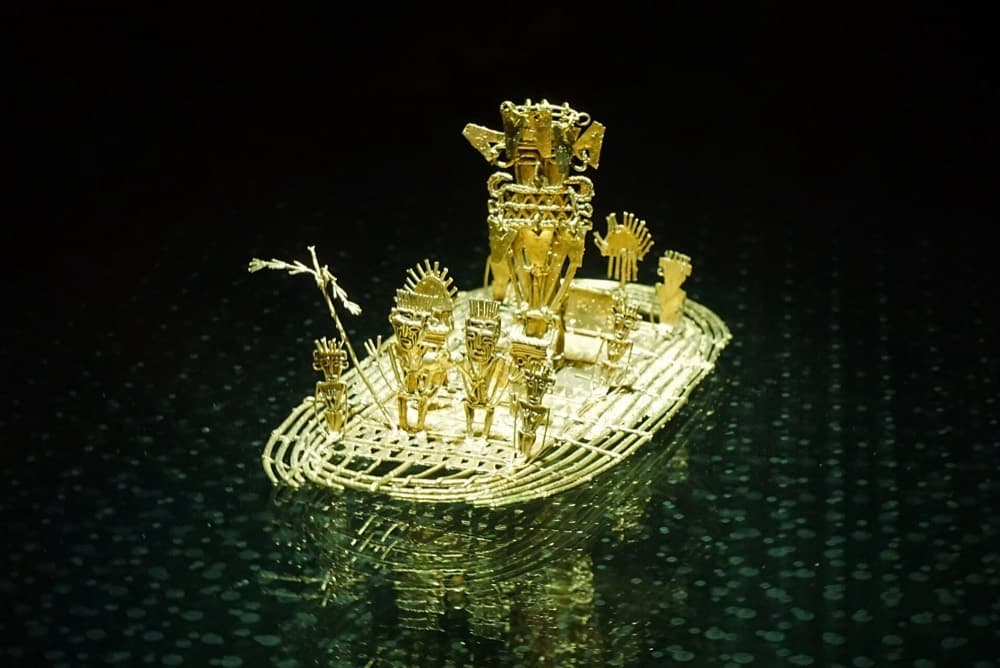
Each entry here cites the earliest source and traces the later career of the legend, keeping tale and verifiable fact apart: Muisca goldwork really has been recovered from Lake Guatavita, Glastonbury's "tomb of Arthur" was more likely a medieval fundraising scheme, and Mu’s legendary maps should not be treated as verified ancient geography. And every legend is pinned to the place it claimed — the Atlantic beyond Gibraltar, the Bay of Douarnenez, the still water of Lake Svetloyar.
№ 001Lost Lands
阿加尔塔
The hidden kingdom under the earth
 № 002
№ 002Lost Lands
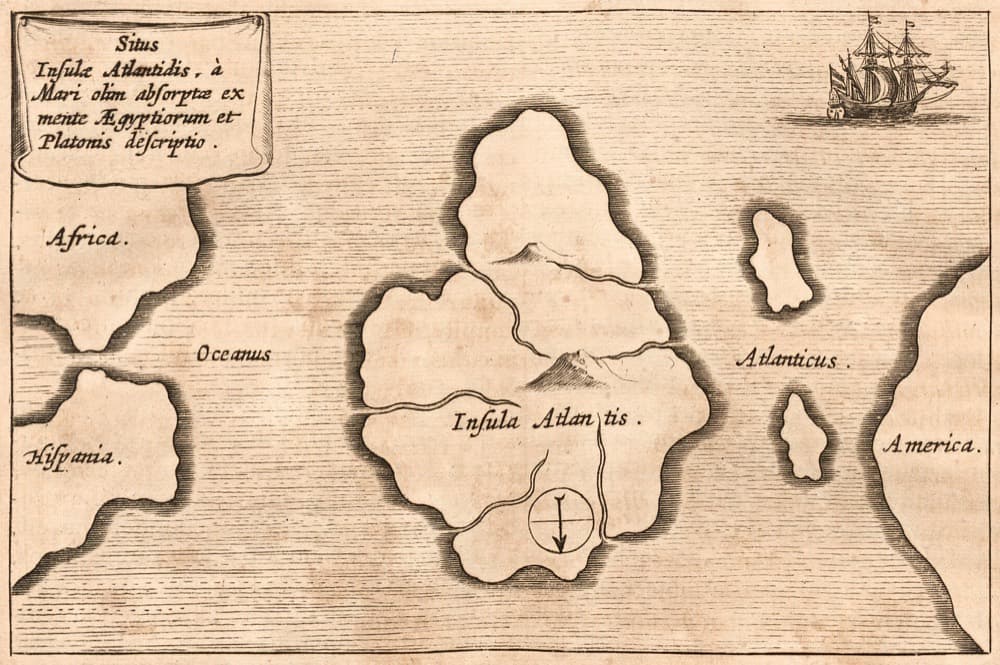
亚特兰蒂斯
The island empire that sank in a single day and night
 № 003
№ 003Lost Lands
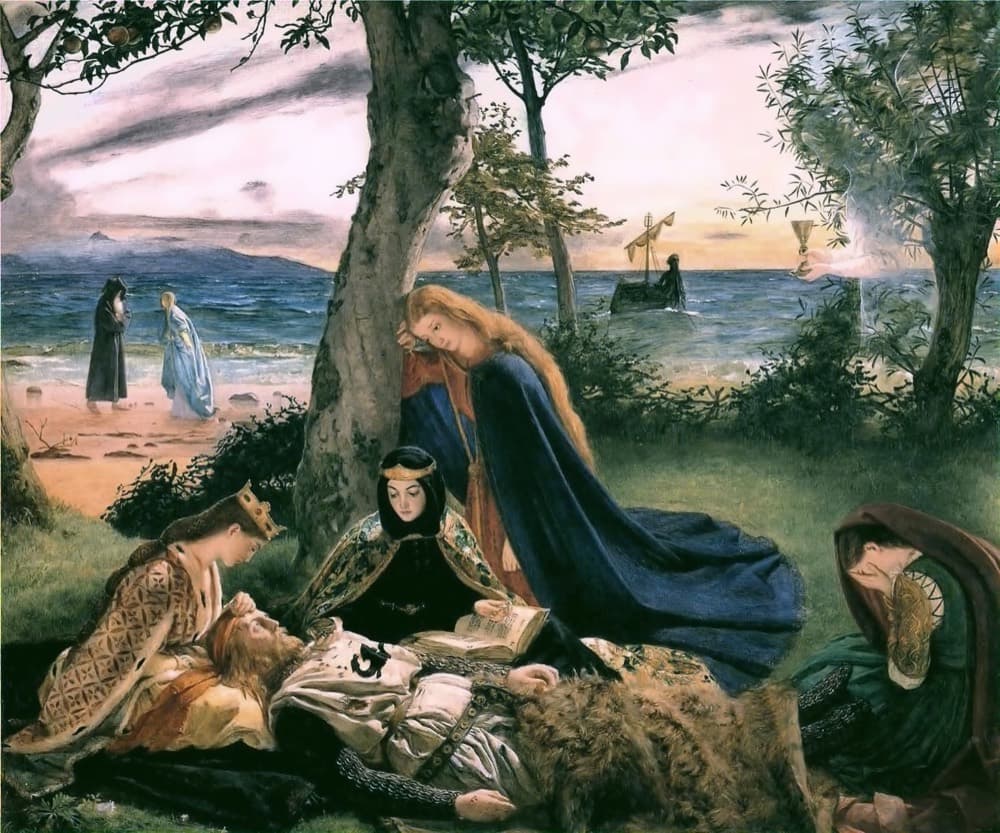
阿瓦隆
The isle of apples where Arthur sleeps
 № 004
№ 004Lost Lands
黄金国
From the Gilded Man to a city of gold
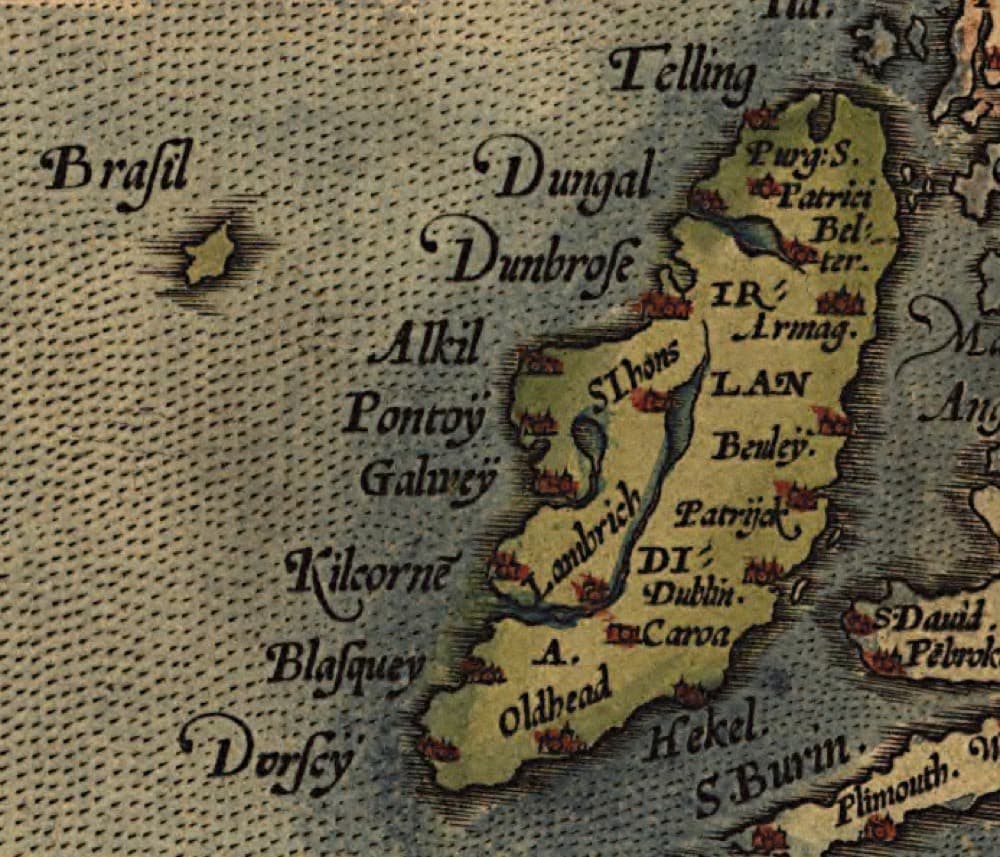 № 005
№ 005Lost Lands
海布拉西尔
The Irish phantom isle seen once in seven years
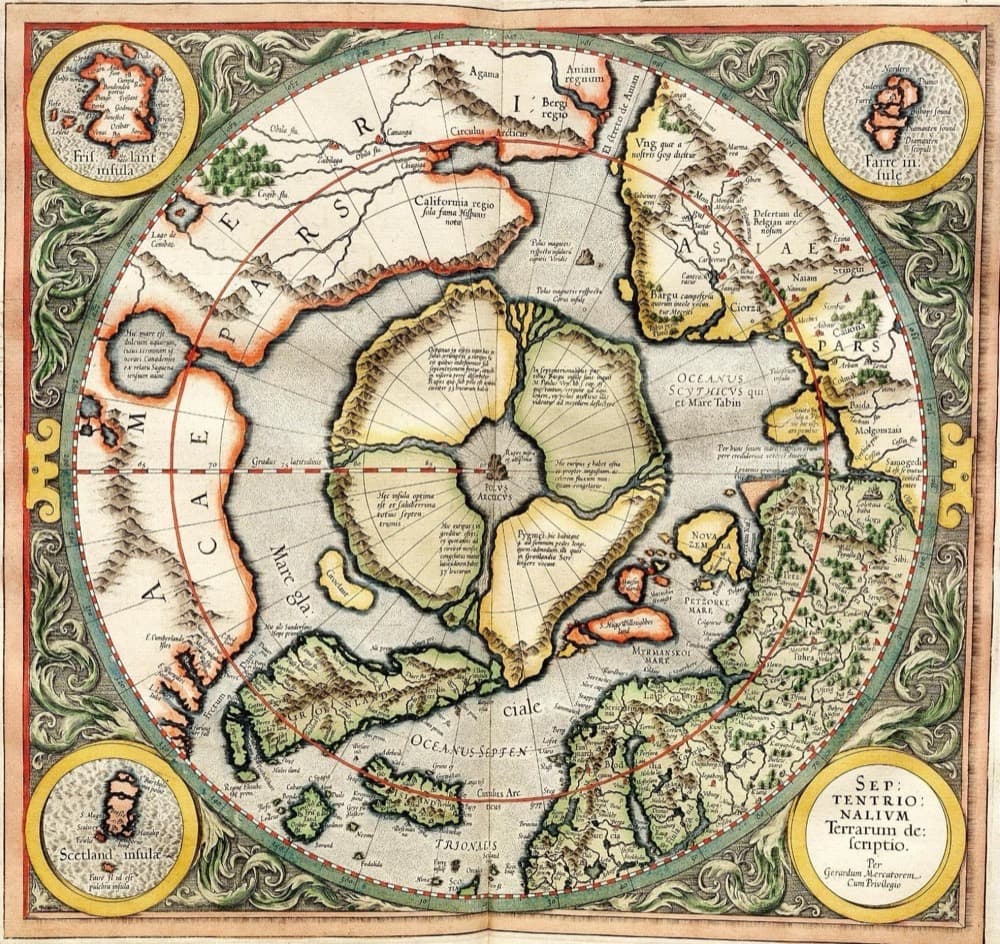 № 006
№ 006Lost Lands
许珀耳玻瑞亚
The blessed land beyond the North Wind
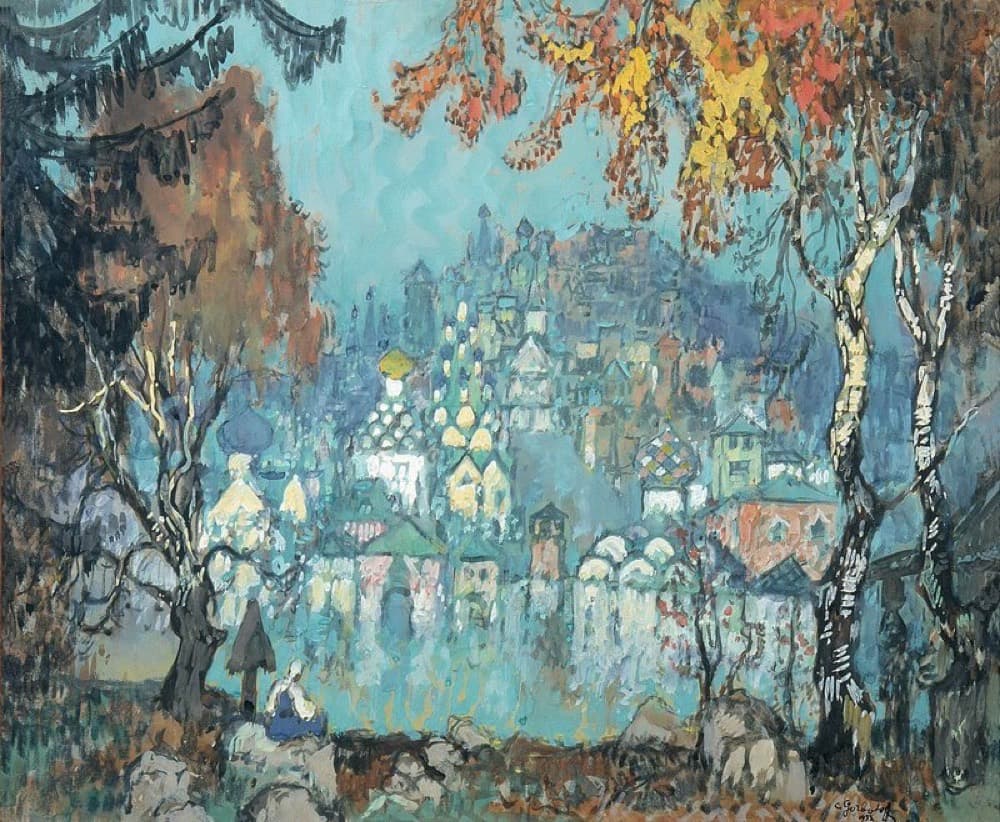 № 007
№ 007Lost Lands
基捷日
The city that prayed itself invisible beneath the lake
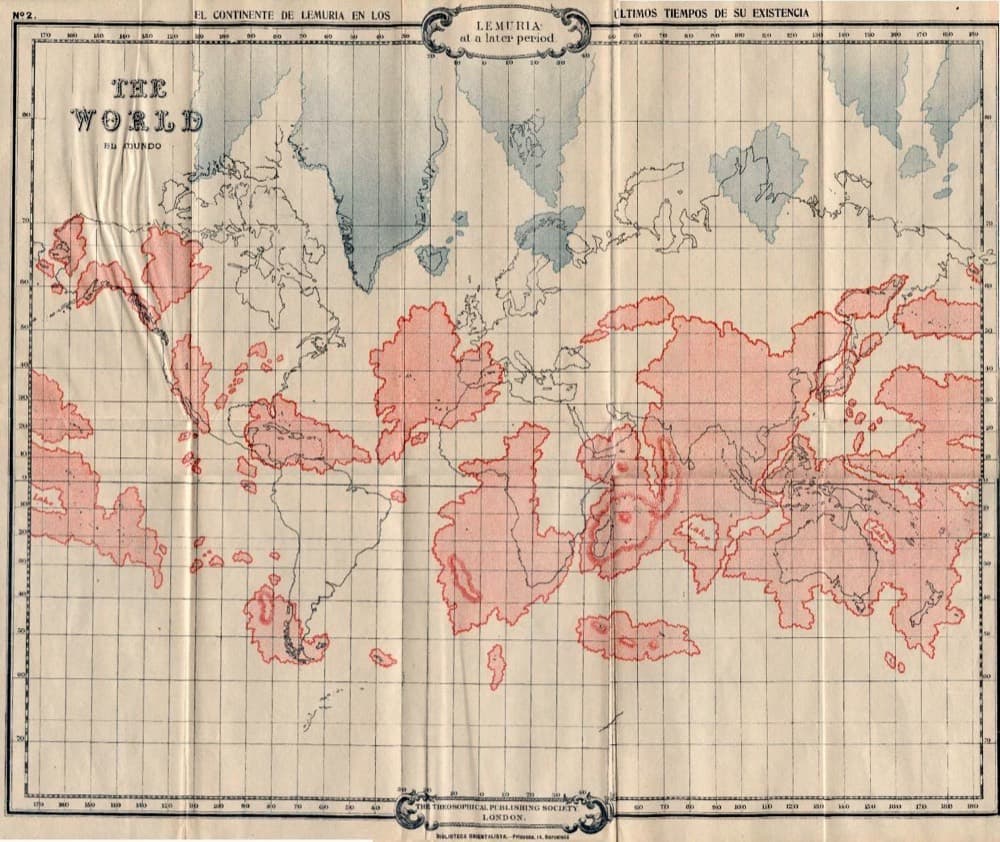 № 008
№ 008Lost Lands
雷姆利亚
The sunken land bridge invented to explain lemurs
 № 009
№ 009Lost Lands
姆大陆
The lost Pacific continent born of a mistranslation
 № 010
№ 010Lost Lands
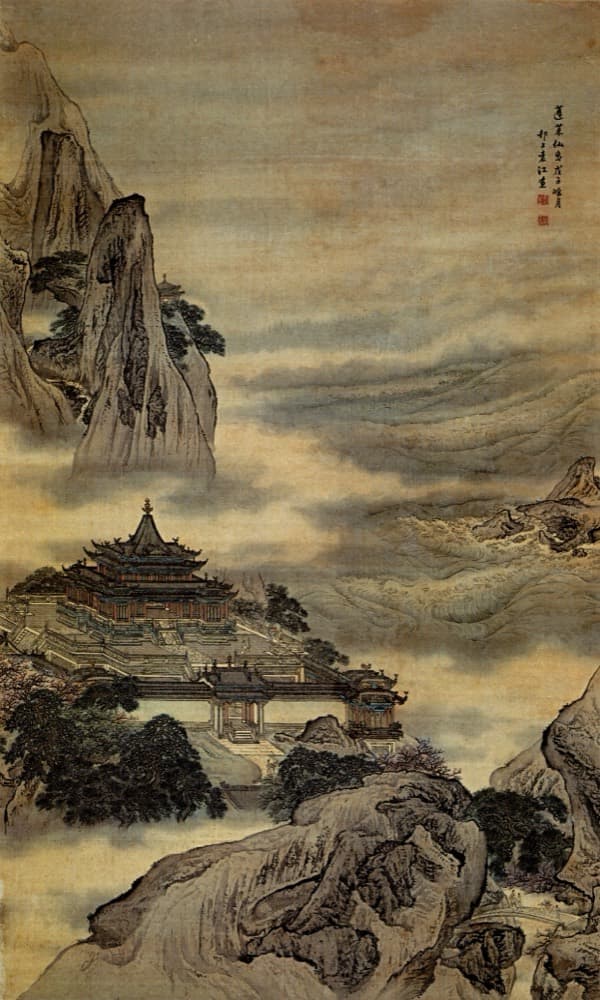
蓬莱
The immortal isle that recedes like cloud on the Bohai Sea
 № 011
№ 011Lost Lands
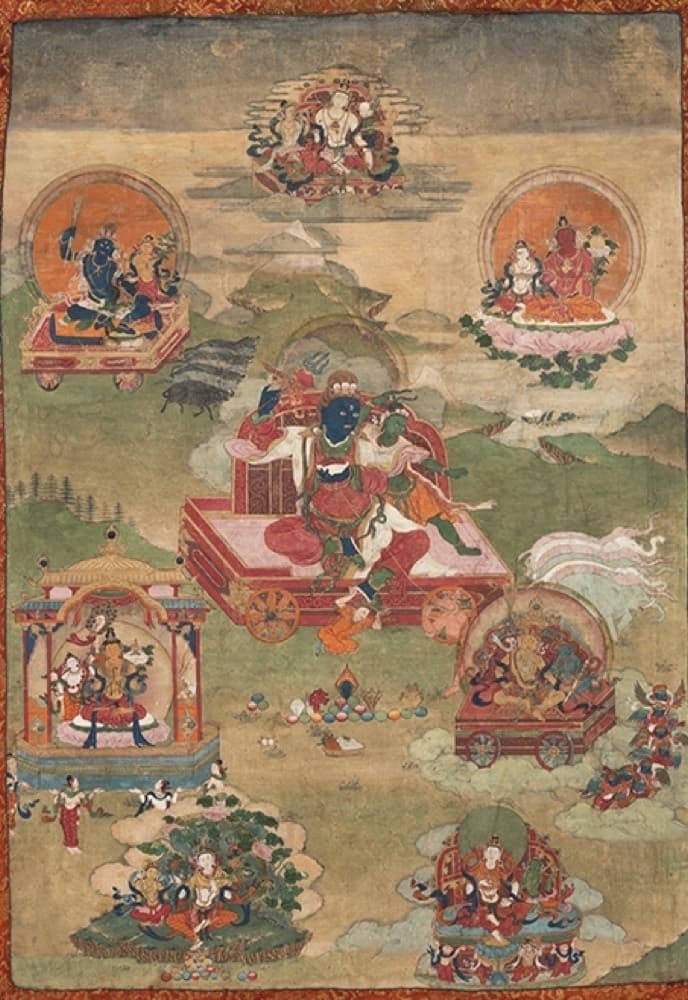
香巴拉
The hidden kingdom that guards the Kalachakra
 № 012
№ 012Lost Lands
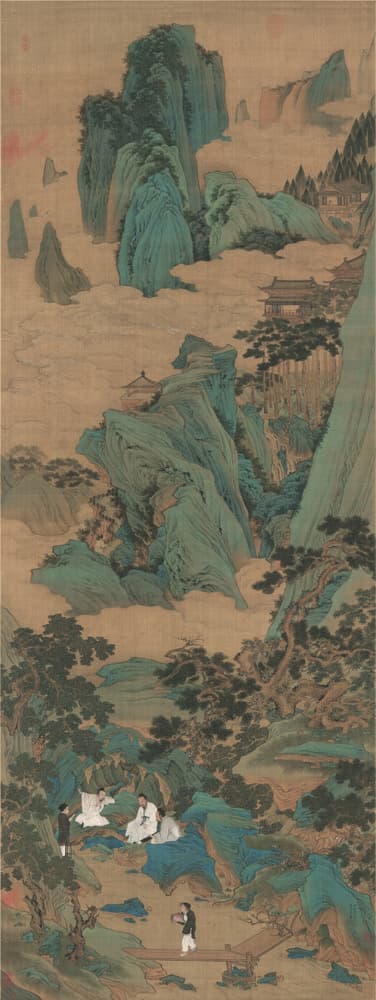
桃花源
The village at the stream's end, hidden since Qin
 № 013
№ 013Lost Lands
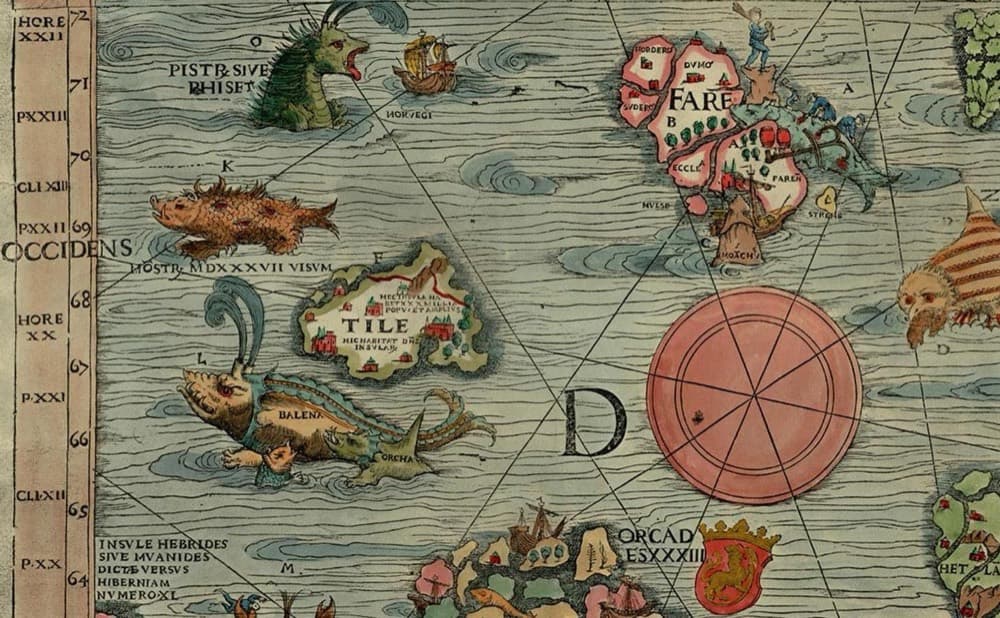
图勒
The island at the world's edge that Pytheas reached
 № 014
№ 014Lost Lands
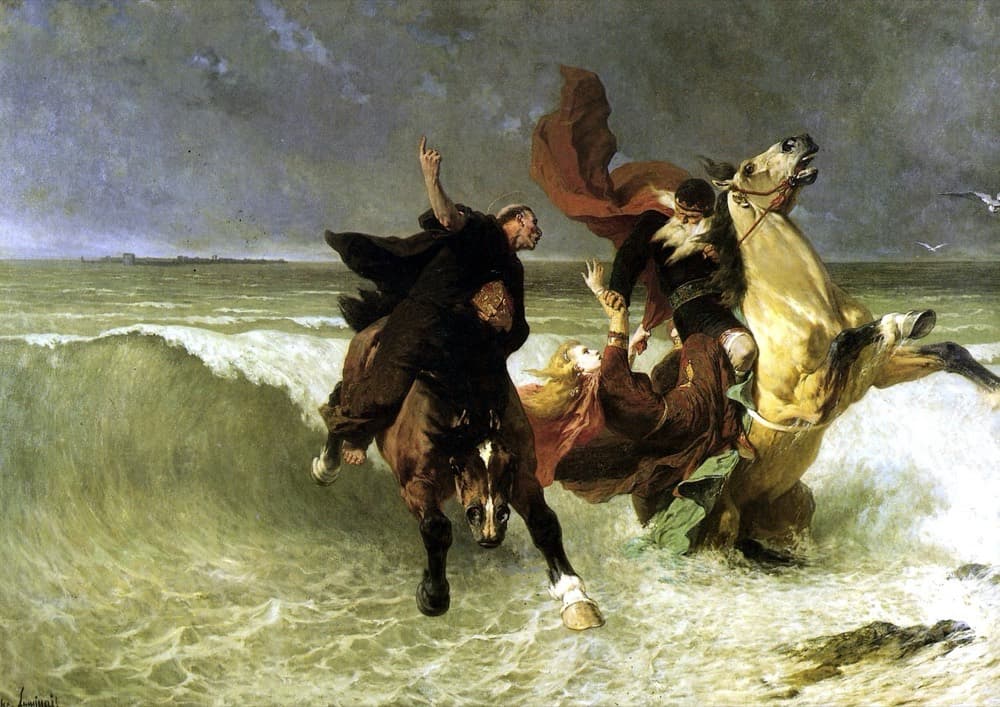
伊斯城
The Breton city drowned when its sluice gates opened