THE STORY & ITS AFTERLIVES
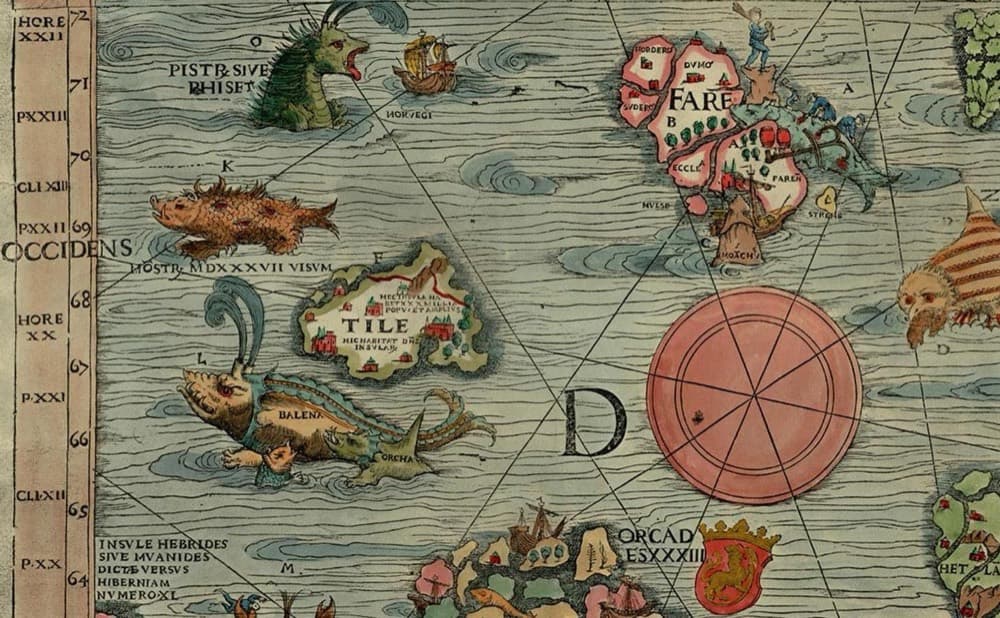
Hyperborea means the land of those "beyond Boreas", the north wind: past the wind god's home and the fabled Riphean mountains, winter itself ended. In the tenth Pythian ode (498 BCE) Pindar describes a people who know neither disease nor old age, free of toil and war, feasting to the music of lyres and pipes with bay leaves in their hair in the service of Apollo; Perseus once joined their hecatombs of asses. Each winter Apollo left Delphi in a chariot drawn by swans to dwell among them, returning with the spring.
Herodotus, in Book 4 of the Histories, records a strange junction of legend and practice: the sanctuary of Apollo on Delos claimed that offerings wrapped in wheat straw were relayed from the Hyperboreans through Scythia and a chain of peoples down to the Aegean, and the Delians kept the tombs of two Hyperborean maidens who had died on the island. Herodotus himself doubted the people existed. In the fourth century BCE Hecataeus of Abdera wrote a whole treatise placing Hyperborea on a great island in the ocean north of the Celts, which later readers liked to identify with Britain.
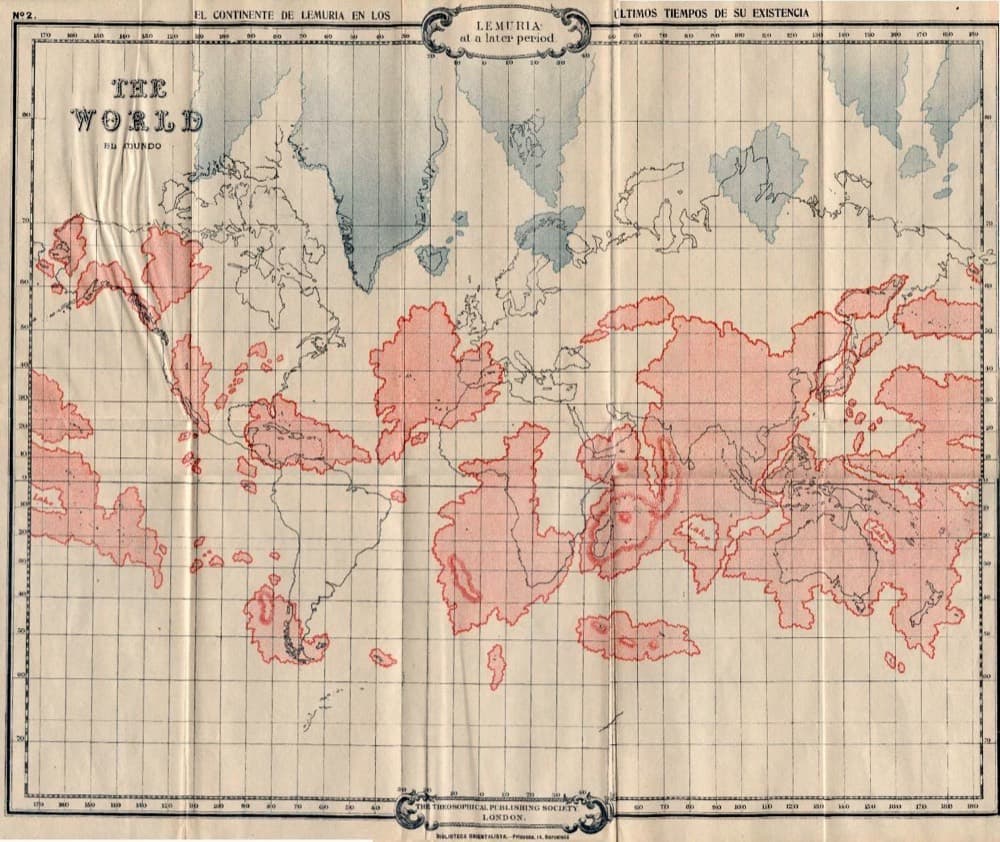
Modern esoterica claimed the land too: Blavatsky assigned it to her Second Root Race, and twentieth-century polar-origin and Aryanist writers borrowed it as an imagined northern homeland, a career remote from anything in the classical texts.