THE STORY & ITS AFTERLIVES
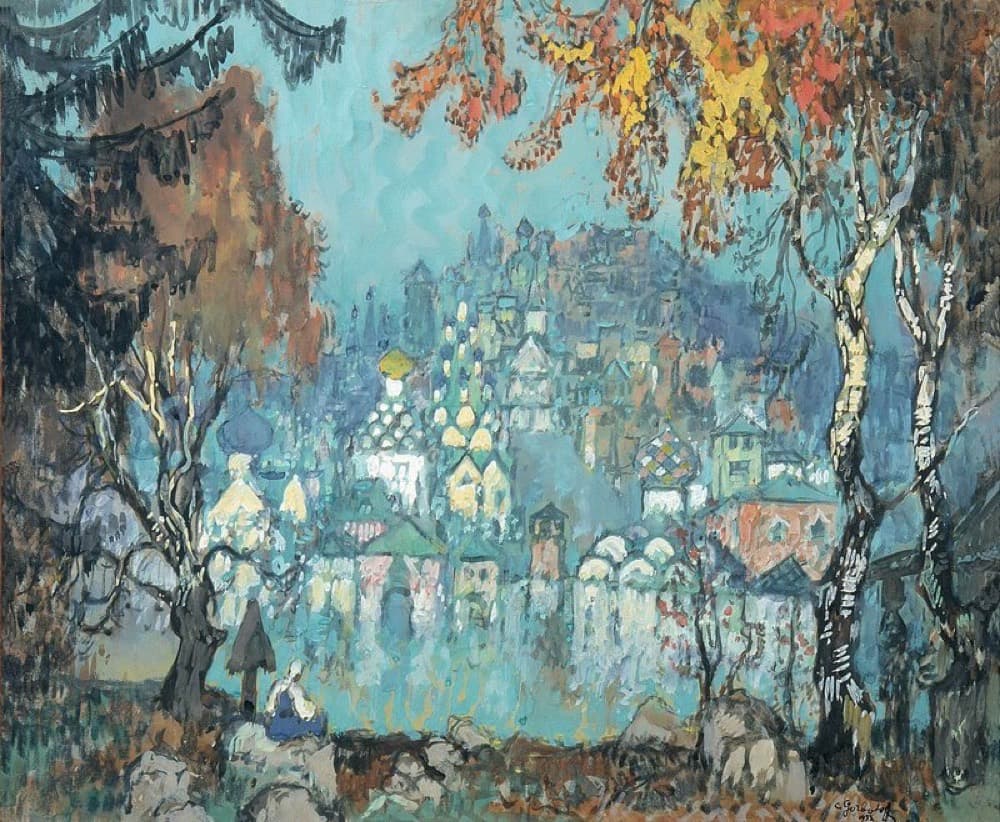
Ys, in Breton Kêr-Is, "the low city", is Brittany's great drowning legend. King Gradlon of Cornouaille built it in the Bay of Douarnenez below the level of the sea, defended by dikes and bronze sluice gates whose only key hung at the king's own neck. His daughter Dahut, beautiful and unruly, turned the city into a place of endless feasting. One night a stranger in red, in most tellings the Devil, persuaded her to steal the key and open the gates, and the Atlantic poured in. Woken by Saint Winwaloe, Gradlon galloped from the flood on his sea-horse Morvarc'h with Dahut clinging behind, but the waves gained until the saint commanded him to cast off the sinner; Dahut fell and became the mermaid-like morgen of Breton waters, the sea grew calm, and Ys sank forever. Fishermen say its bells can still be heard on still days, and a Breton saying holds that when Paris ("Par-Is", the equal of Ys) is drowned, Ys will rise again.
Gradlon and Winwaloe are semi-legendary figures of about the fifth and sixth centuries. The drowned city appears in late medieval chronicles such as Pierre Le Baud's in the fifteenth century; Albert Le Grand's 1636 lives of the Breton saints fixed the Dahut plot, and the lament "Livaden Geris" in La Villemarqué's ballad collection Barzaz Breiz (1839) carried it across Europe. Édouard Lalo's opera Le roi d'Ys (1888) and Debussy's prelude The Sunken Cathedral (1910) gave the underwater city a musical afterlife, and Falcom's game series Ys (from 1987) borrowed the name.