Divine lineages · 09

Chinese Mythology

Mythic realm
Yellow & Yangtze River Valleys
Age remembered
from legendary antiquity
Names preserved
16

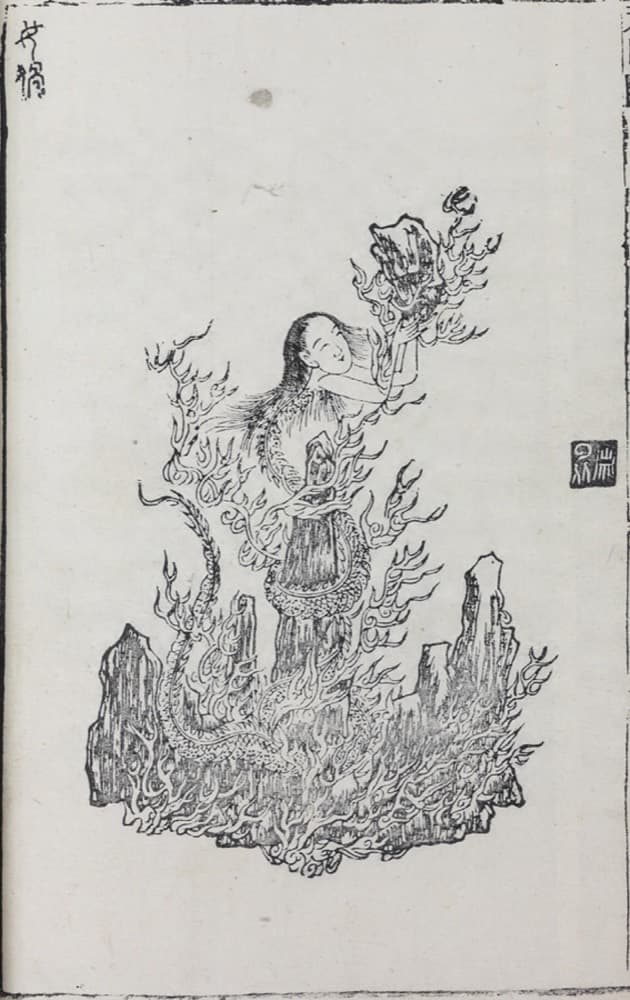
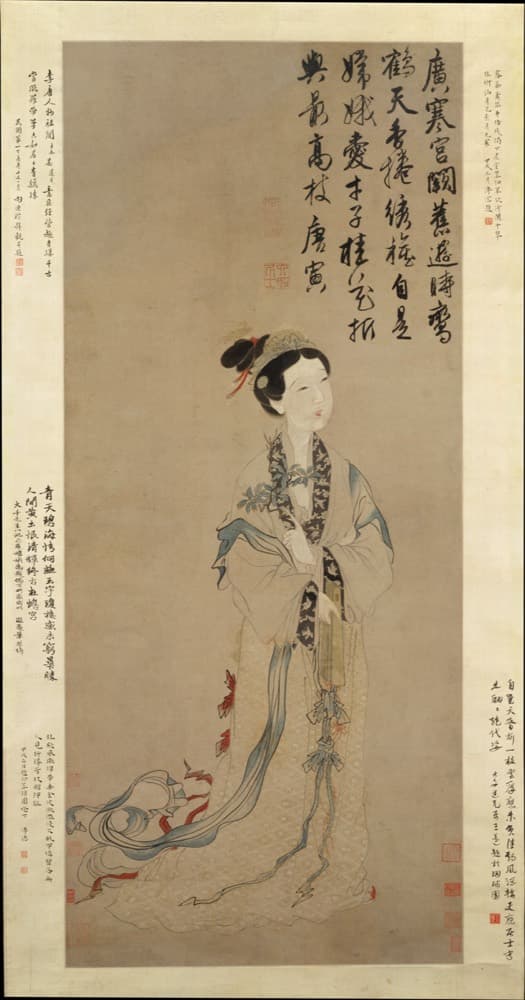
Chinese mythology has no single scripture. Pangu's opening of the cosmos, Nüwa's mending of the sky, and Yi's shooting of the nine suns survive as scattered passages in the Huainanzi, the Chu ci, the Shanhaijing, and fragments of Han apocrypha — often a few dozen characters that nonetheless account for the shape of the world: why heaven tilts to the northwest, why every river runs east to the sea, how people first came out of yellow clay.

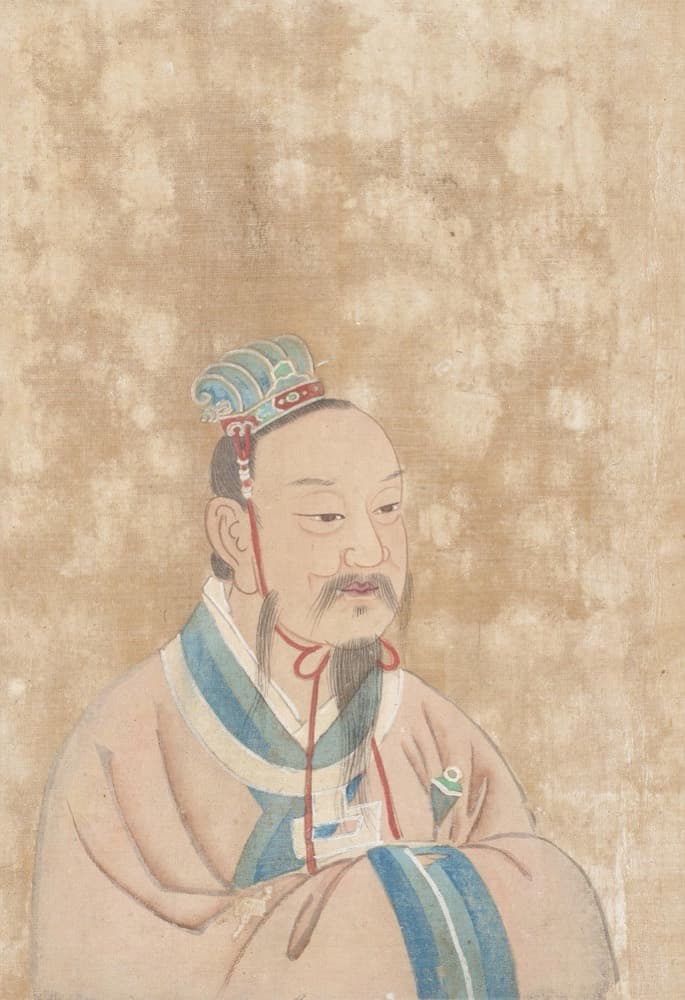
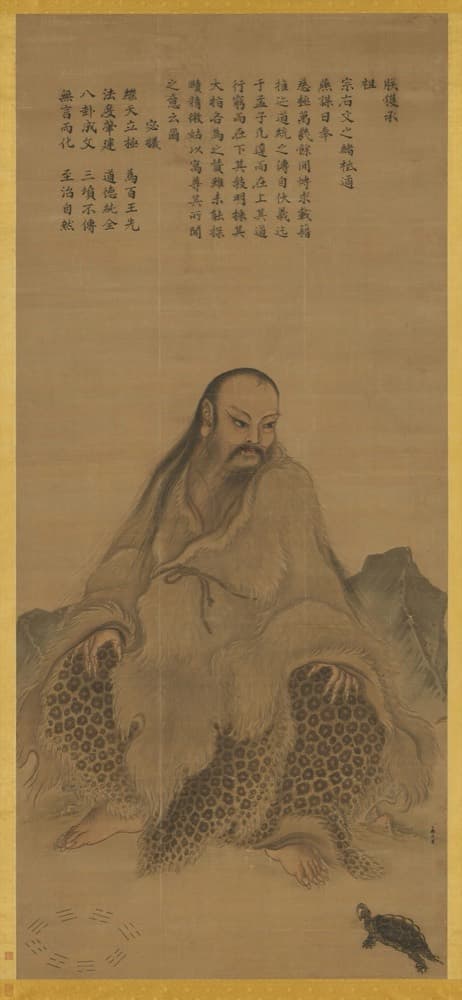
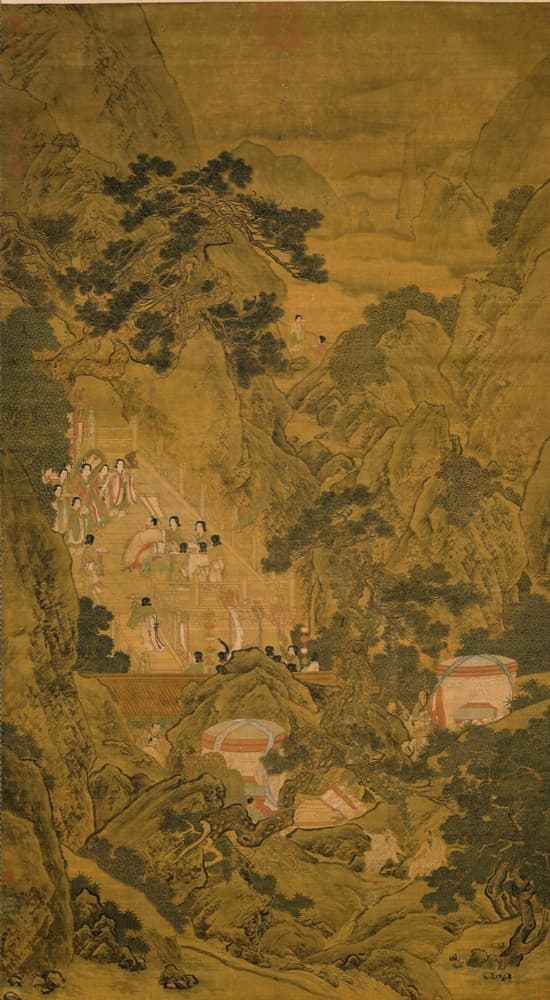
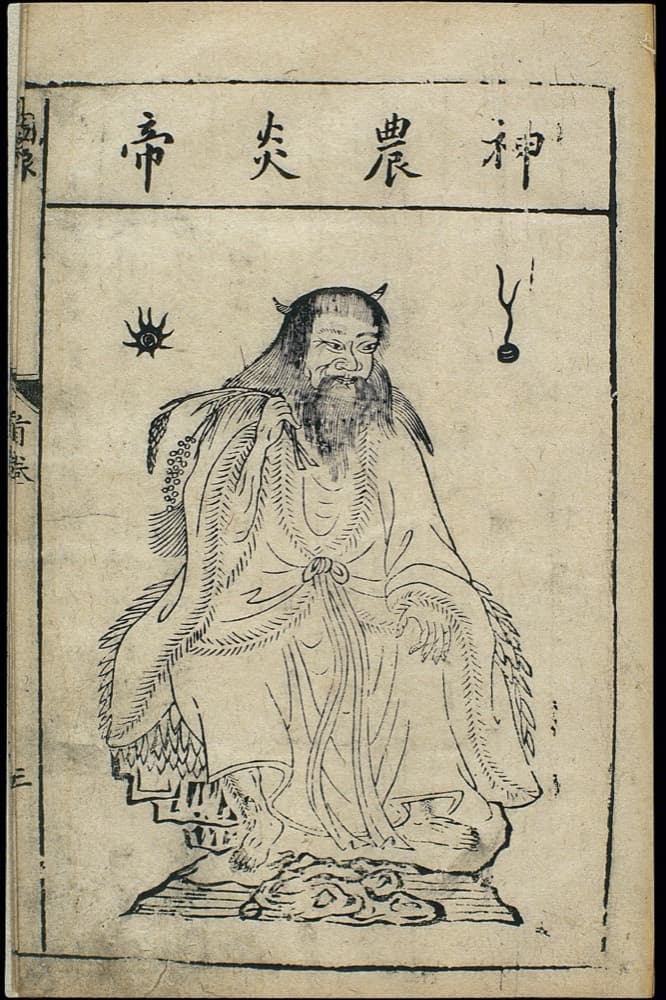
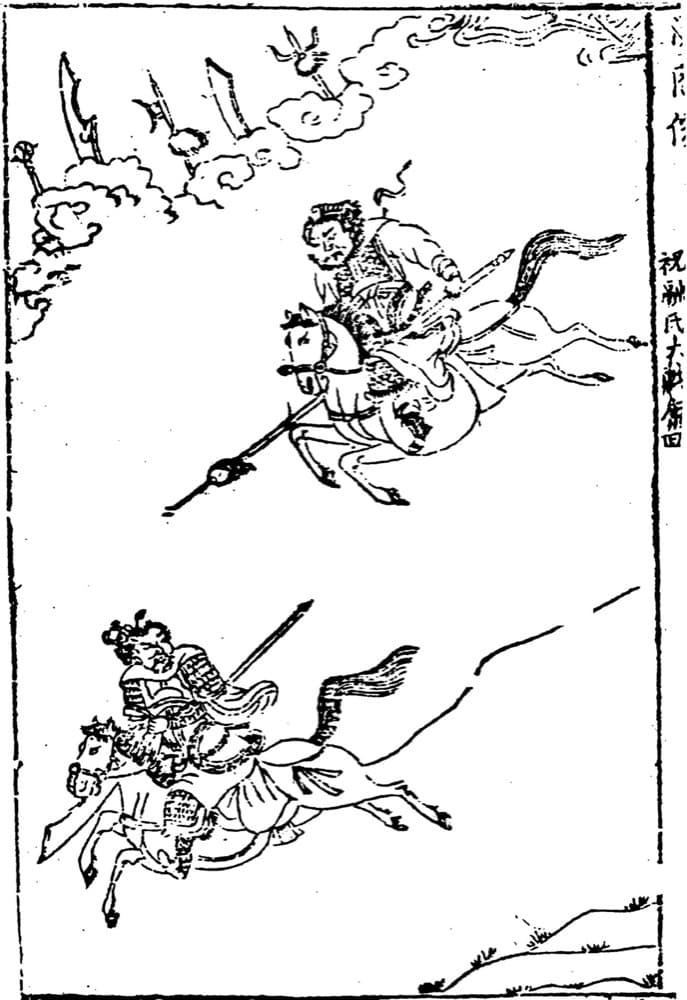
The tradition's most distinctive trait is the historicization of its myths. Fuxi, the Yellow Emperor, and Yu the Great began as gods and culture heroes, yet the court historians folded them into the royal genealogy: the Records of the Grand Historian opens not with creation but with the Five Sovereigns, and writing, the calendar, medicine, and agriculture were all credited to their reigns. Myth became a family tree — Chinese still call themselves descendants of Yan and Huang. Nor were the defeated erased: Chiyou, crushed at Zhuolu, was worshipped by generals as the Lord of Arms, and Gonggong's rage against the pillar of heaven left the land permanently atilt.

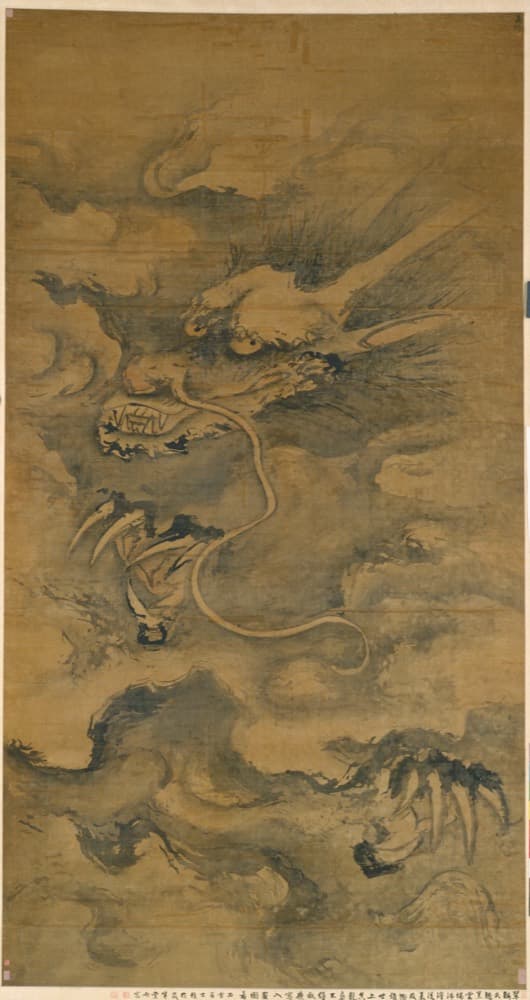
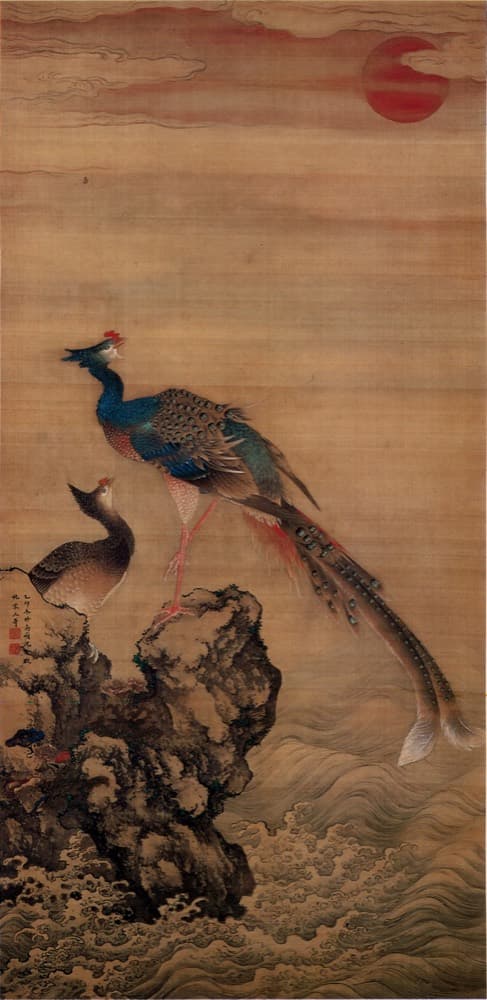
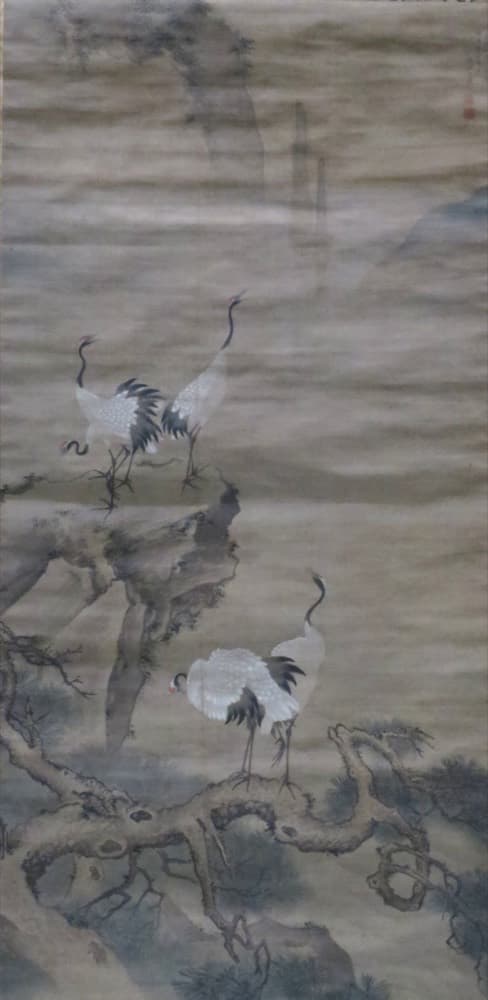
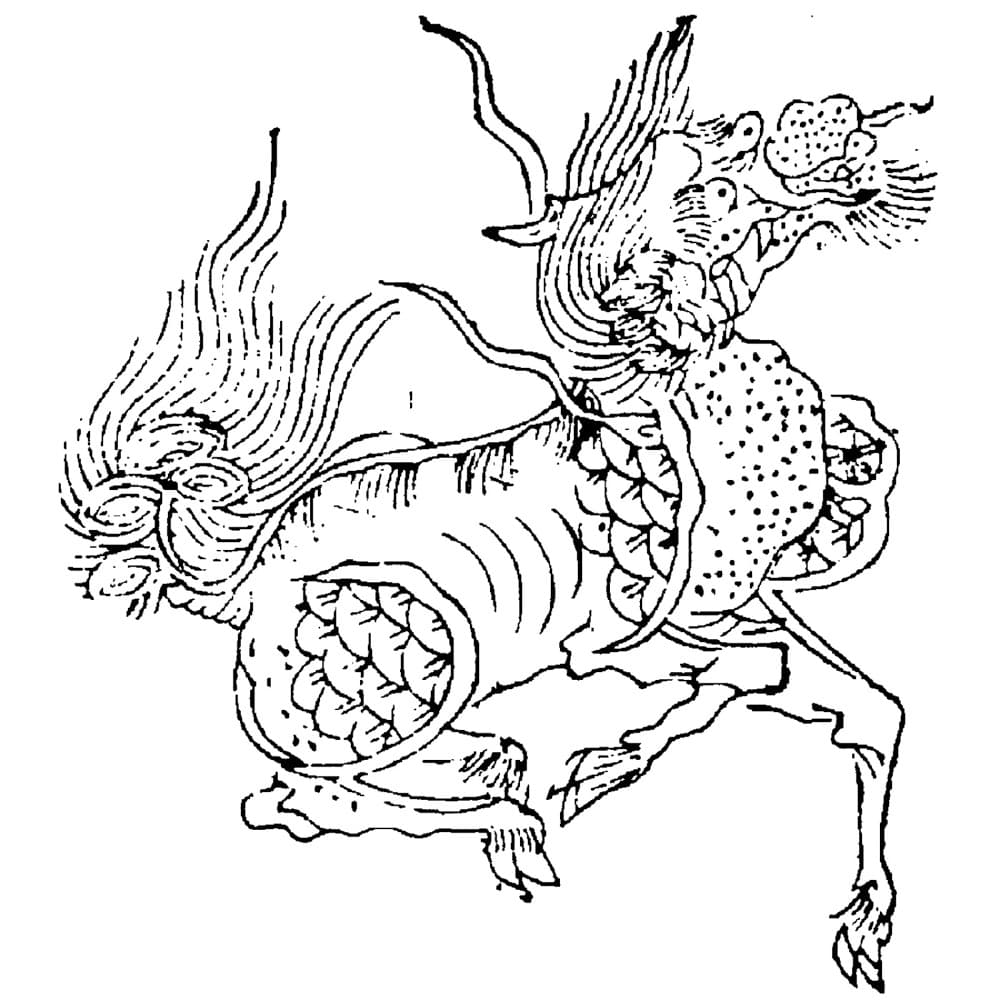
Alongside the gods stands a distinct order of auspicious beasts: the dragon who brings rain, the phoenix whose cry on Mount Qi announced the rise of Zhou, the qilin who treads on no living grass — three of the Four Numinous Beasts. Their appearances were read as a gauge of the age: phoenixes dance when the world is well governed, and when hunters took a qilin, Confucius laid down his brush. From clamshell dragons laid out 6,400 years ago to the lunar probes named Chang'e, these ancient figures are still being written forward.

Return by the star-path

CHRONICLE OF ORIGINS · A LIVING SCROLL

Chinese Mythology

Yellow & Yangtze River Valleys08 STAGESENTER THE MYTHIC LINEAGE ↗

The Formless Deep1 / 8

Before heaven and earth

Chaos like a hen's egg

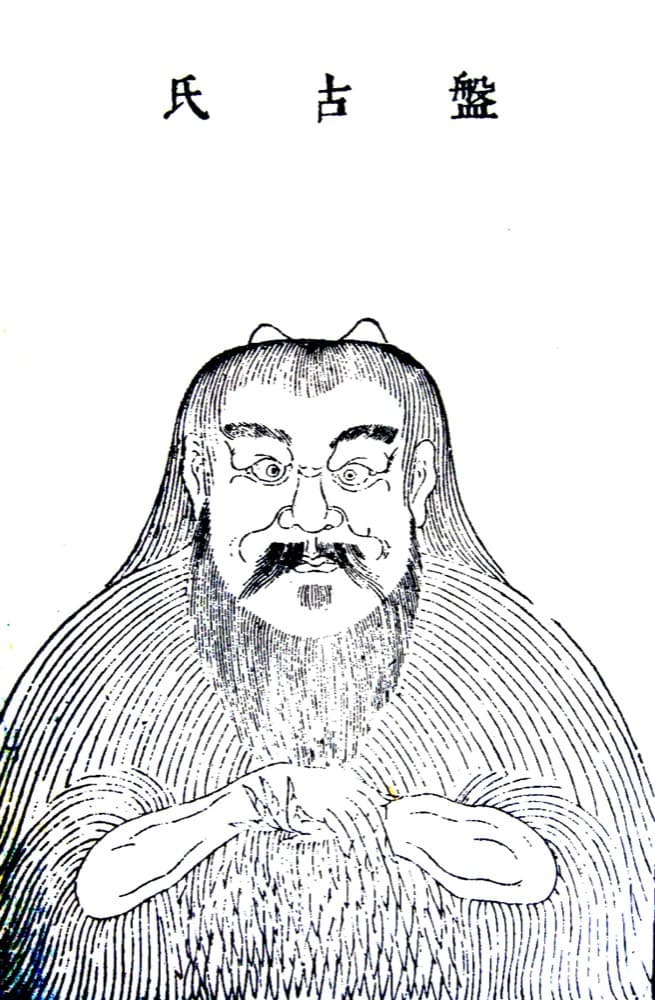
Before heaven and earth were parted there was one undivided mass, shaped like a hen's egg, and Pangu was born inside it. The Sanwu Liji says he stayed there eighteen thousand years, changing nine times a day, godlike toward the sky and sagelike toward the earth. Nothing was above or below anything else, and the clear had not yet separated from the turbid.

THOSE WHO APPEAR
VARIANTS, FRAGMENTS & ANCIENT SOURCES

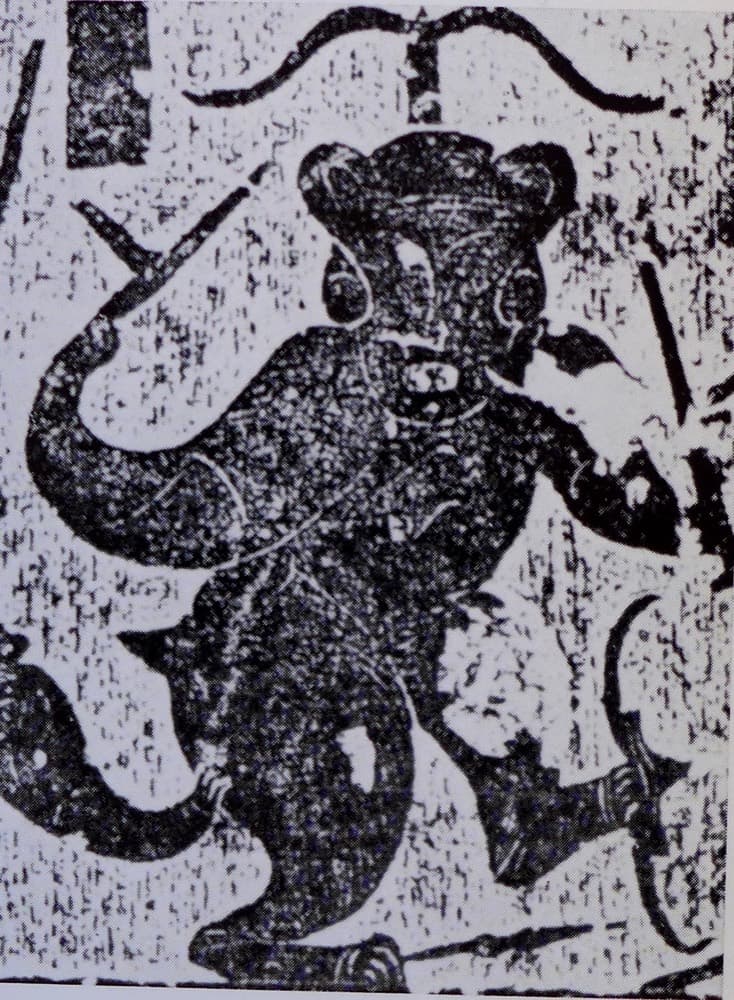
There is no single Chinese creation scripture. The sequence below is stitched together from texts of different periods and different schools, and the stitching itself is a later habit — largely of modern mythography and popular retellings. Running alongside the Pangu line there is a Han-era cosmology with no creator in it at all. The Tianwen chapter of the Huainanzi opens with the Way arising from empty space, empty space giving birth to the cosmos, the cosmos to breath; the clear and light of that breath drifts up and becomes sky, the heavy and turbid congeals into earth. The Jingshen chapter has two gods emerging together out of the murk, laying out heaven and earth and only then dividing yin from yang. Laozi's "the Way bore one, one bore two" and the Book of Changes' "the Supreme Ultimate gave birth to the two modes" belong to the same family. Nobody prises the sky open in these accounts; the world differentiates by itself. They and the Pangu story have separate pedigrees and were layered together only later. Pangu himself is a late arrival: his earliest surviving account is the Sanwu Liji by Xu Zheng of Wu (3rd century CE), a book now lost and known only through quotations in Tang and Song encyclopedias. No pre-Qin text mentions him, and scholars still disagree about where he came from; some argue for indigenous origin, others connect him with the Panhu legend of southern peoples. Human origins likewise come in incompatible versions: the vermin on Pangu's corpse turned into people (Wuyun Linian Ji), and Nuwa moulded people out of yellow earth (Fengsu Tongyi). The Tang-era Duyi Zhi adds a third, in which Nuwa and her elder brother, alone on Mount Kunlun with no people anywhere, agree to marry and populate the world; that text never names the brother as Fuxi and contains no flood, and the flood-survivor framing belongs to later folk and southwestern minority traditions. In the Huainanzi, Gonggong's assault on Mount Buzhou (Tianwen chapter) and Nuwa's repair of the sky (Lanming chapter) sit in separate chapters and the text never says the first caused the second; reading them as cause and effect is attested no later than Wang Chong's Lunheng in the 1st century CE. Gonggong's opponent is not fixed either: Zhuanxu in the Tianwen chapter, Gaoxin in the Yuandao chapter, Zhurong in Sima Zhen's Tang supplement to the Shiji. The Gun-and-Yu flood story is half myth (self-growing soil, a son cut from his father's belly) and half dynastic history (the tribute grades of the Yugong), and the line between them was always blurred. China also has no systematic theogony — the gods after Pangu come from unrelated sources and form no coherent lineage — which is why this timeline has no first-beings stage.

Drawn fromXu Zheng, Sanwu Liji (quoted in Yiwen Leiju, ch. 1); Wuyun Linian Ji, attributed to Xu Zheng (quoted in Ma Su's Yishi); a lost fragment of Ying Shao's Fengsu Tongyi (quoted in Taiping Yulan, ch. 78); Huainanzi, chapters Tianwen, Lanming, Yuandao and Jingshen; Laozi, ch. 42; the Xici commentary to the Book of Changes; Shanhaijing, Hainei jing, with Guo Pu's commentary quoting the Guizang; the Guizang as quoted in Chuxue Ji; Book of Documents, Yugong; Mencius, Teng Wen Gong I; Wang Chong, Lunheng, Tantian; Li Rong, Duyi Zhi; Sima Zhen's supplementary Annals of the Three Sovereigns to the Shiji

Names within the leaves

16