Divine lineages · 12

Biblical Tradition

Mythic realm
The Levant
Age remembered
Hebrew Bible, 1st millennium BCE
Names preserved
14

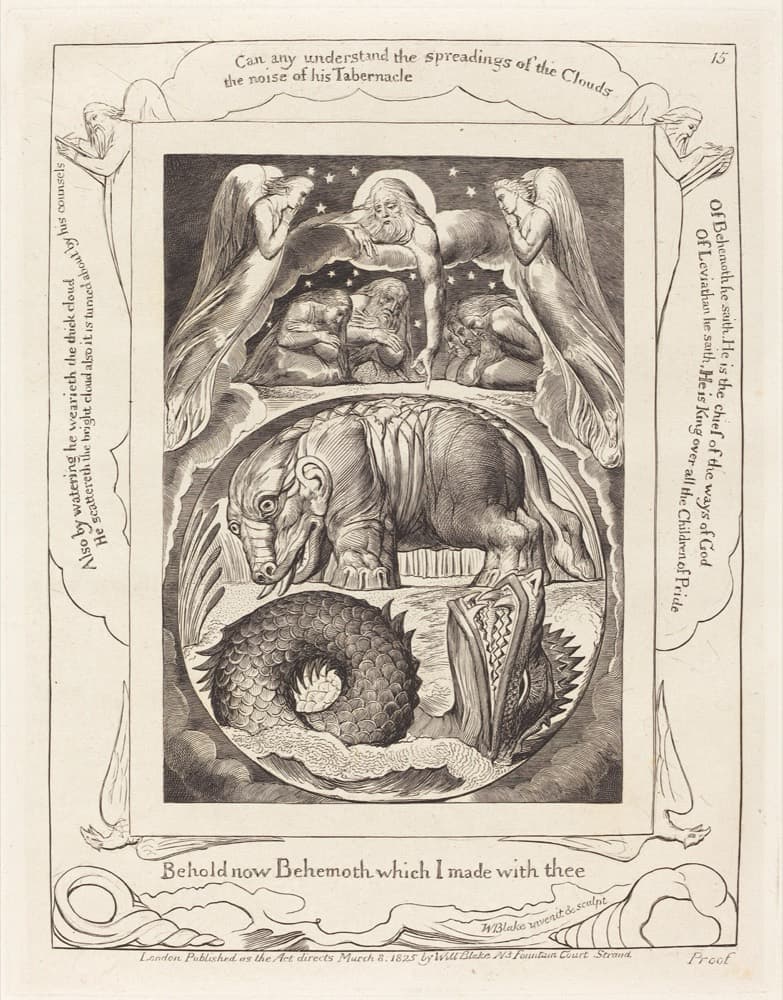
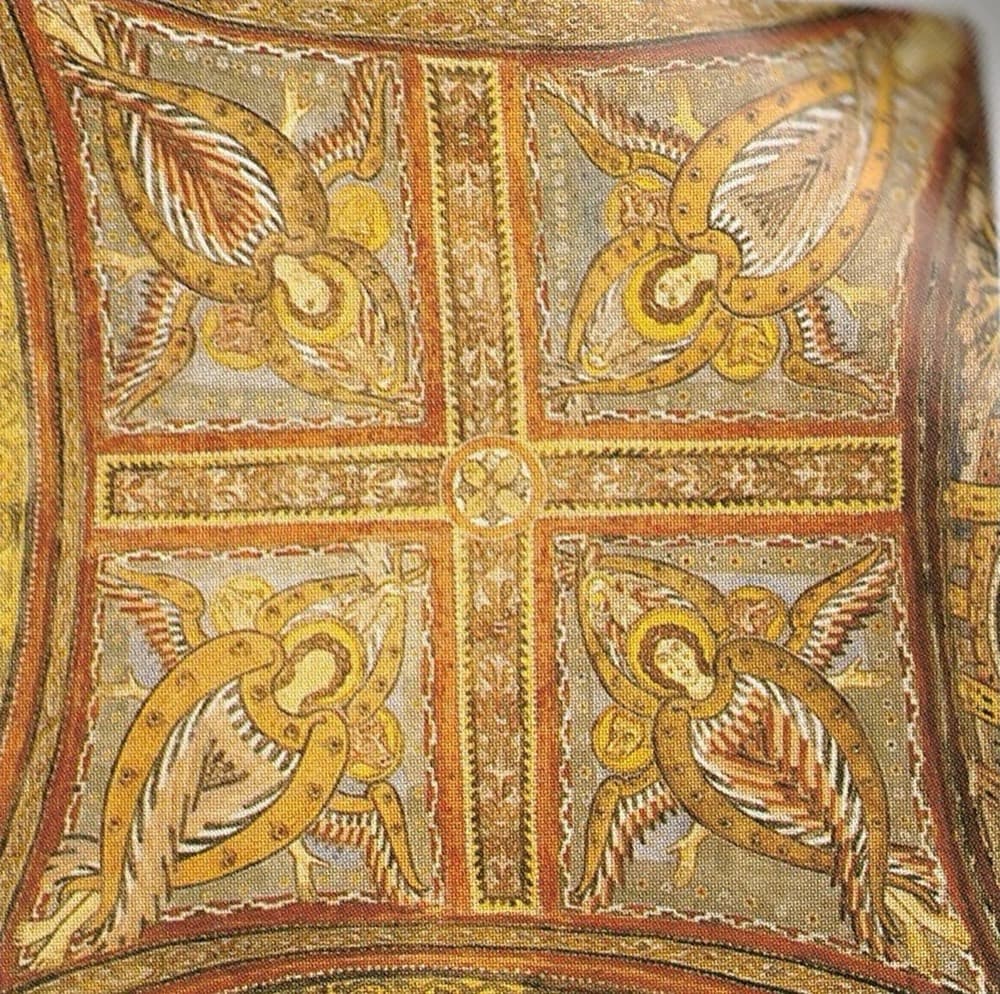
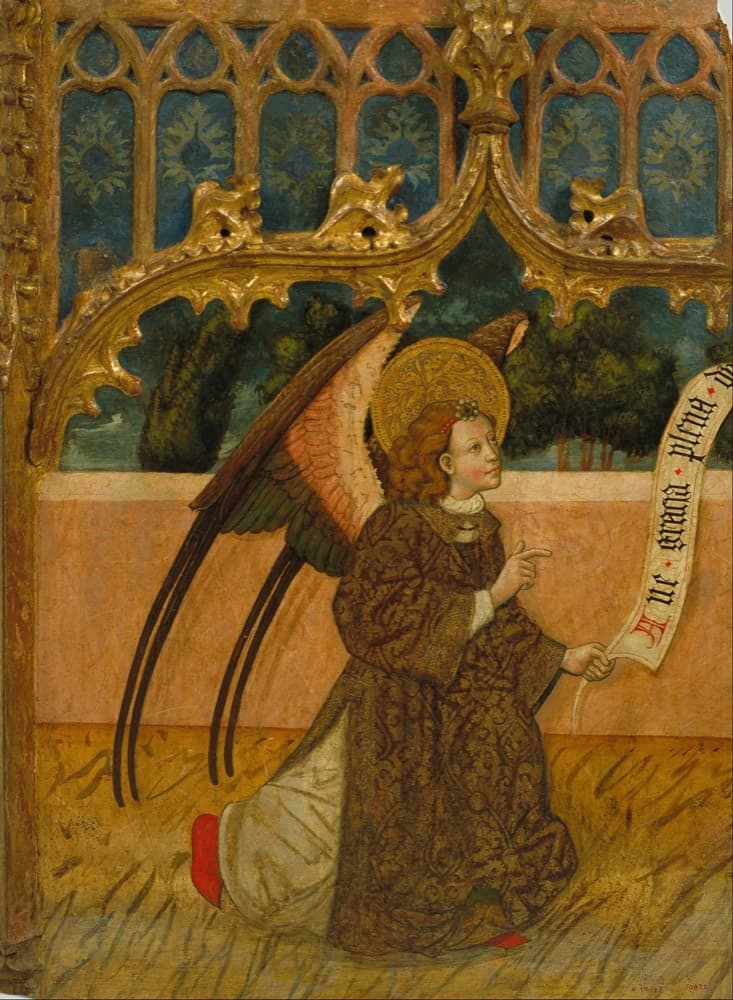
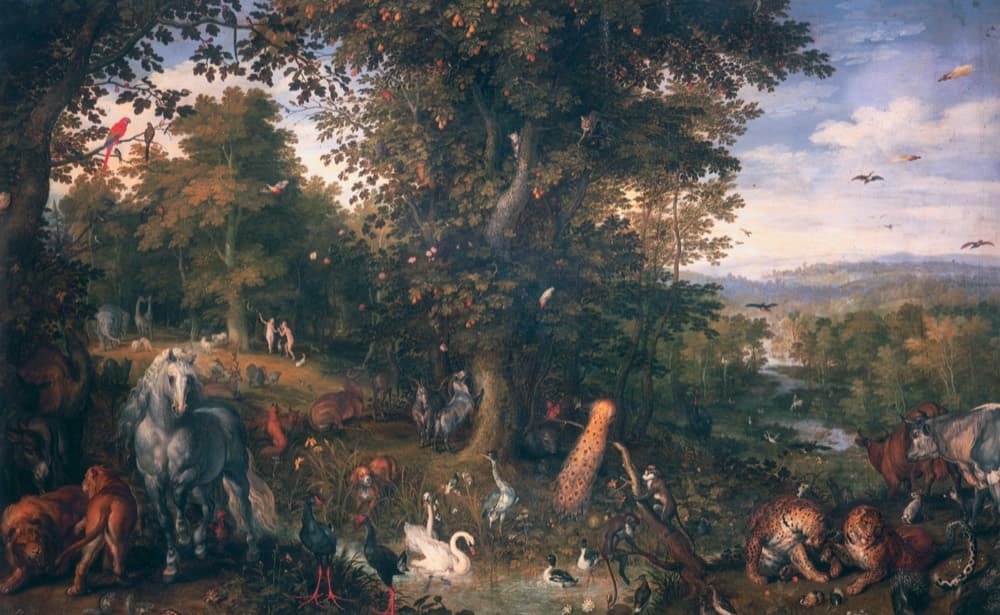
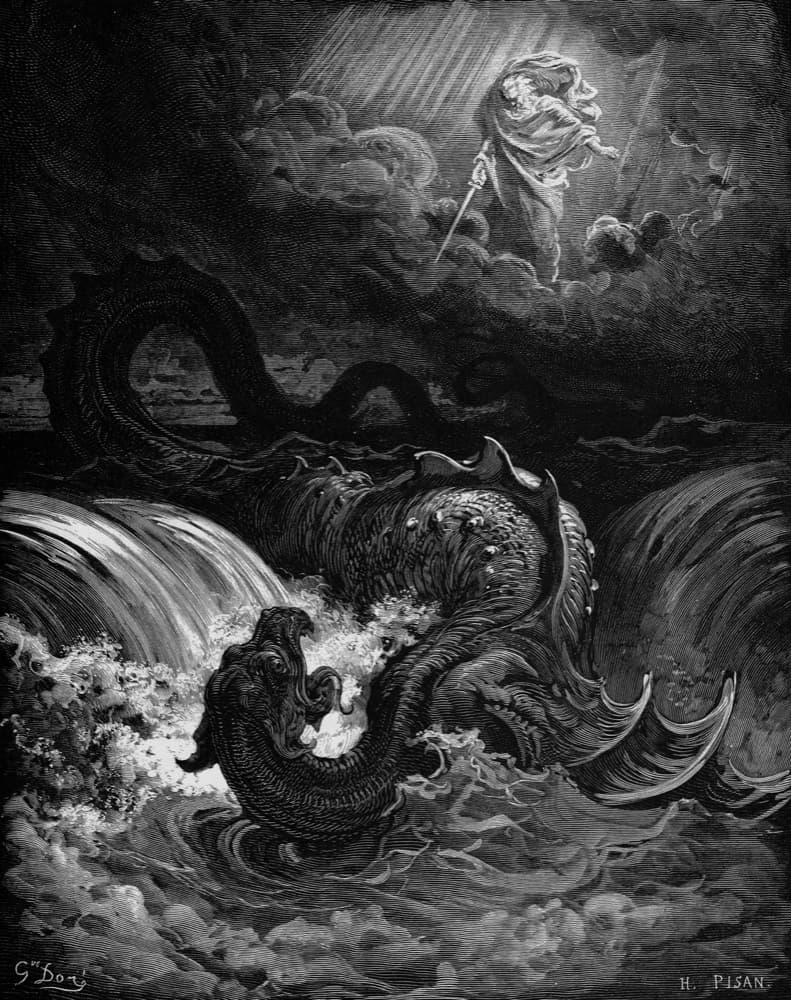
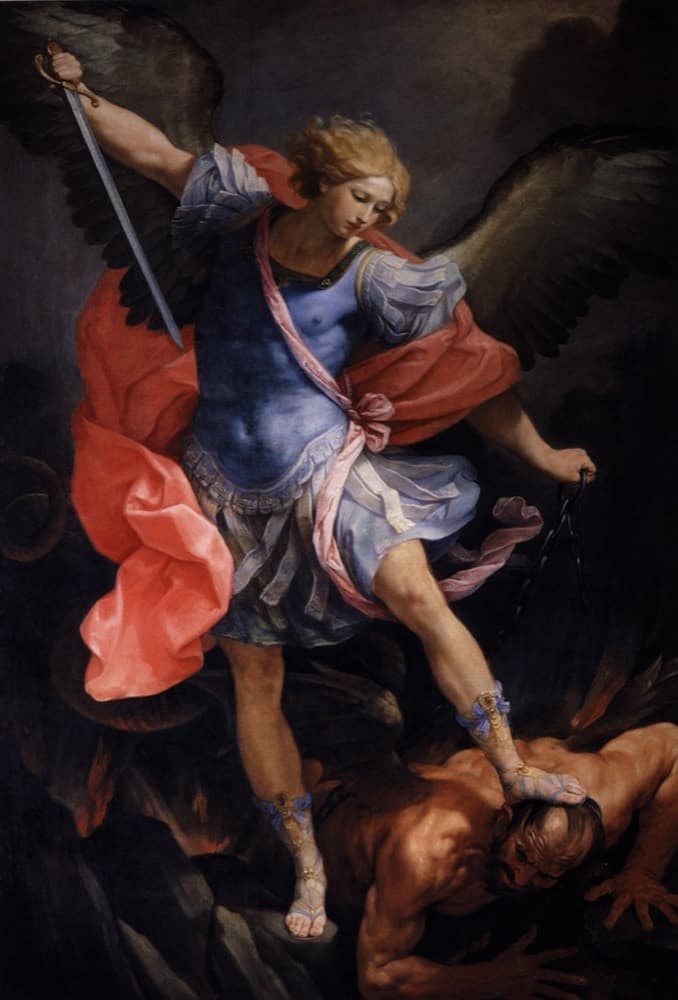
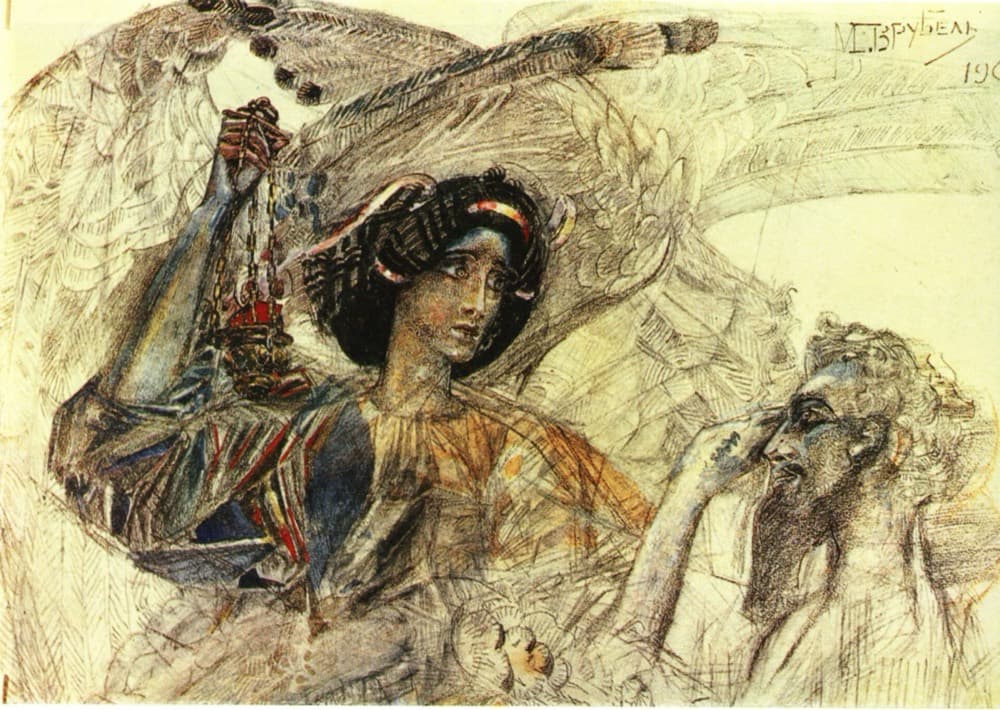
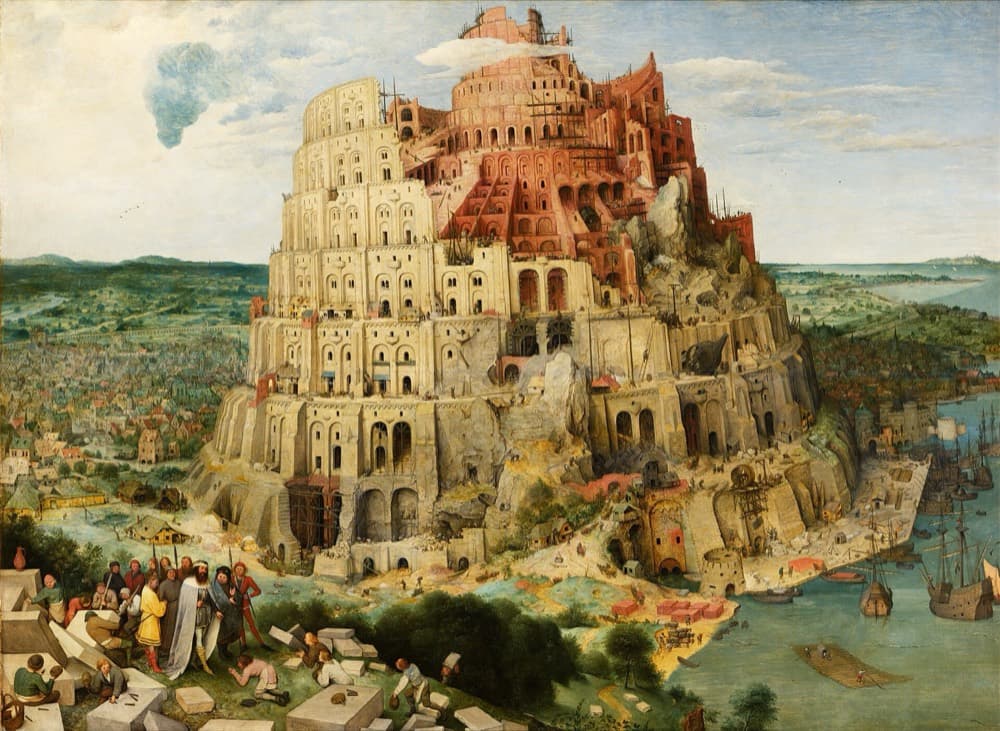
At the core of the biblical tradition stands the Hebrew Bible — the Tanakh of Judaism, the Old Testament of Christianity — a collection of scrolls composed mainly in the first millennium BCE in the Levant. It tells of one God and his dealings with the world: a garden planted in the east for the first humans, a flood loosed on an earth filled with violence, the speech of tower-builders confounded on the plain of Shinar, a people chosen and bound by covenant. Around that spine moves a strange and vivid company: Leviathan armored in the deep, Behemoth in the reeds of the Jordan, six-winged seraphim, four-faced cherubim, and the archangels Michael and Gabriel carrying war and word between heaven and earth.

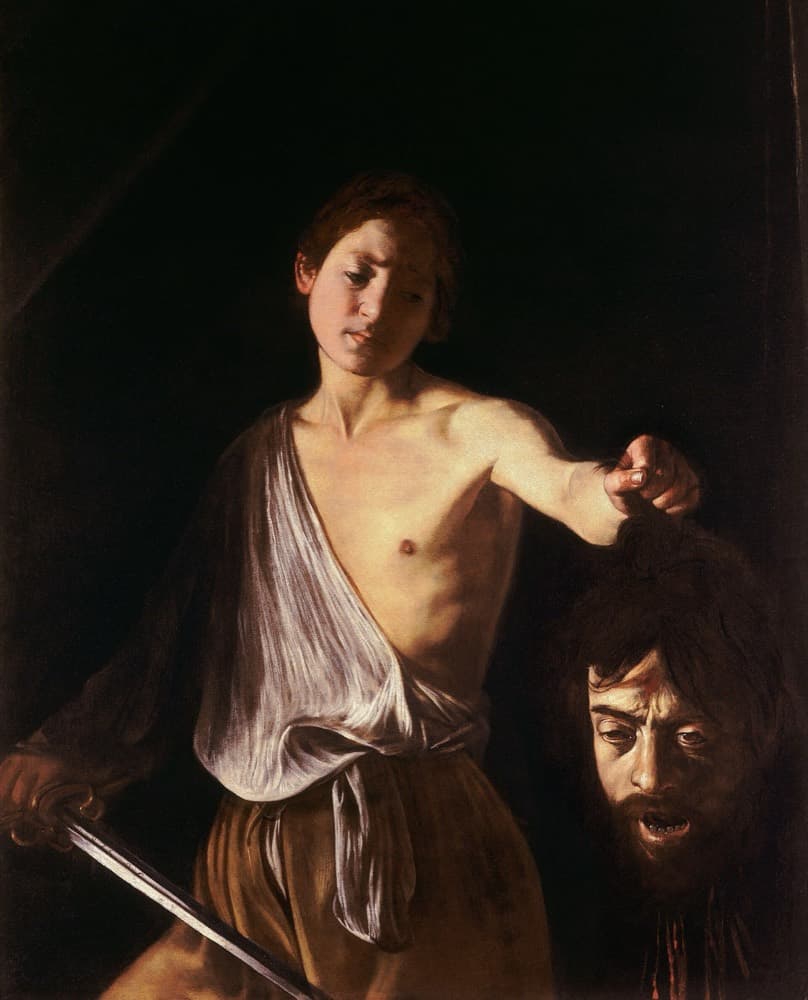
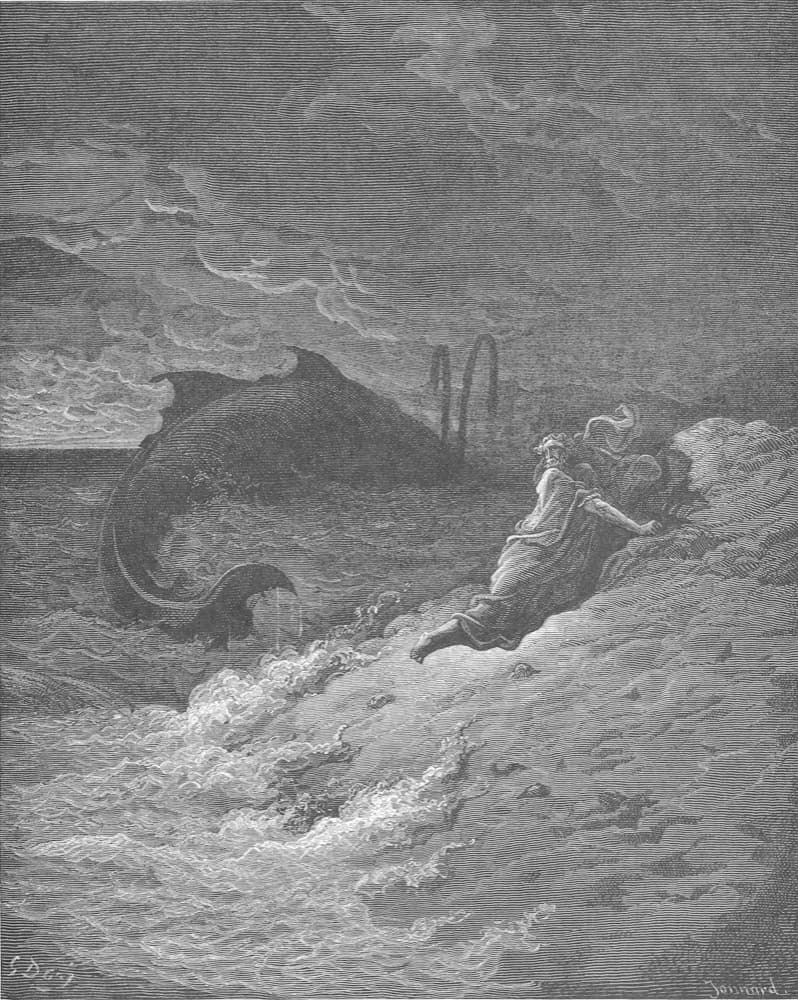
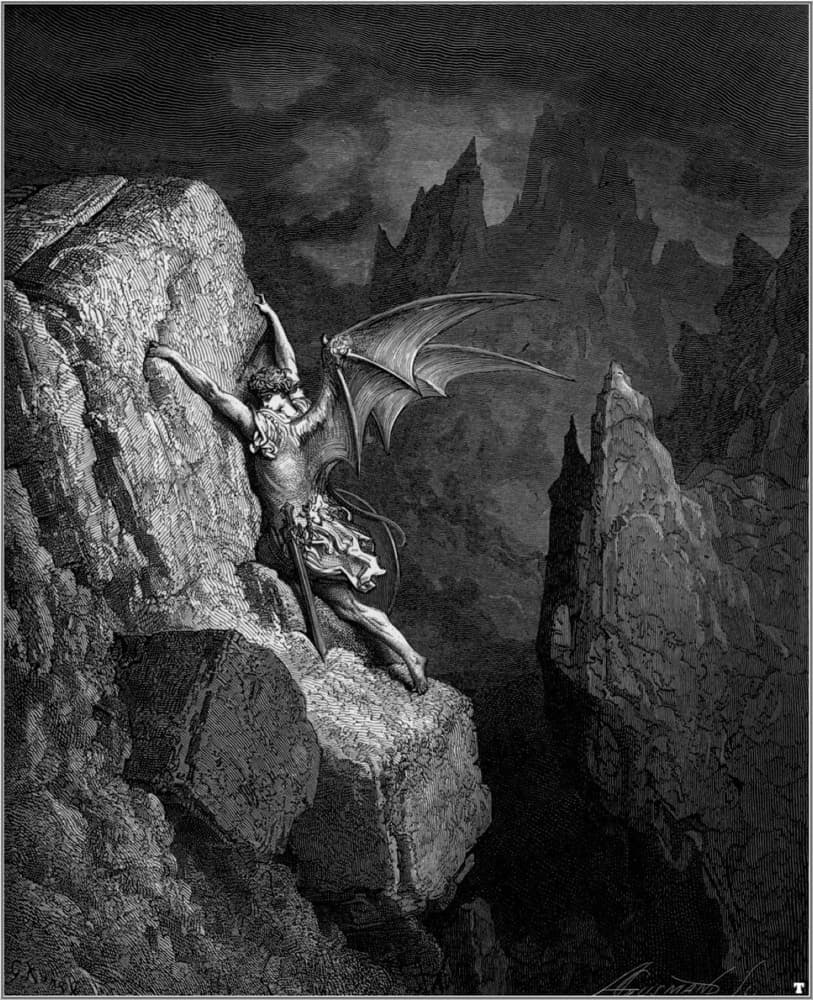
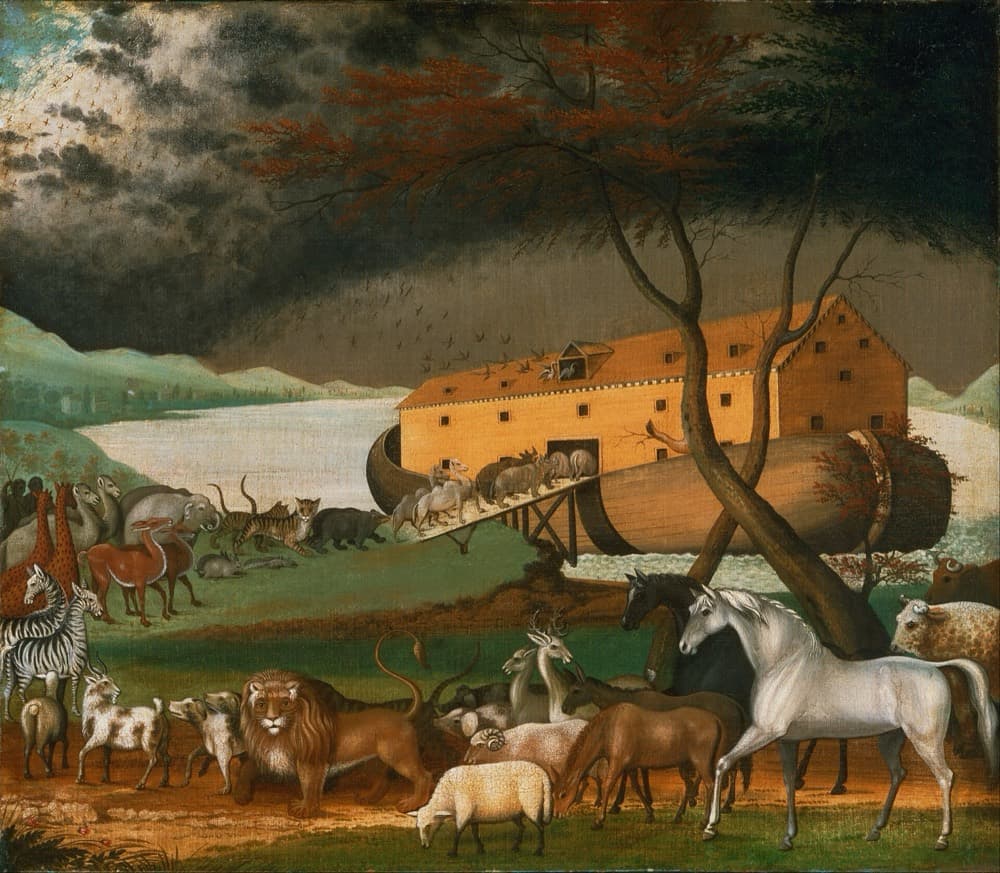
Among the mythologies of the ancient Near East this tradition has a temperament of its own: however vast its monsters, they remain creatures of the one God, and however terrible its angels, they serve at his command; no rival deity contests the stage. The weight of the stories falls on the dealings of God with human beings — a runaway prophet praying in a fish's belly, a shepherd boy walking out to meet a giant with a sling, one family listening to forty days of rain inside a wooden ark. Second Temple writings such as 1 Enoch added a darker margin of fallen Watchers and their giant offspring, and the Latin Vulgate, Dante, and Milton later forged the 'morning star' of Isaiah into Lucifer, the fallen angel.

This collection presents these figures and narratives as traditional accounts. They remain part of living faiths: the threefold Holy of the seraphim is still sung in synagogue and mass, and Islamic tradition honors Noah and Jonah as prophets and knows Gabriel as Jibril, bearer of the Quran. The entries respect that context, and hold to the texts and to documented tradition.

Return by the star-path

CHRONICLE OF ORIGINS · A LIVING SCROLL

Biblical Tradition

The Levant08 STAGESENTER THE MYTHIC LINEAGE ↗

The Formless Deep1 / 8

In the beginning

Formless and void, darkness on the deep

In the beginning God created the heavens and the earth. The earth was formless and empty — tohu wa-bohu — darkness lay on the face of the deep, and the spirit of God moved over the waters. Water is already there on the first line; where it came from is not said. God says, Let there be light, and there is light. He sees that the light is good, divides it from the darkness, calls the light Day and the darkness Night. There is evening and there is morning: one day.

VARIANTS, FRAGMENTS & ANCIENT SOURCES

Genesis 1–11 reads as one continuous line in the canon, but the seams inside it are visible. Genesis 1:1–2:4a and 2:4b–3 are two creation accounts. The first (conventionally assigned to the Priestly source, P) runs plants, animals, then male and female together at the end, calls God Elohim, and marches through six days in fixed formulas. The second (the Yahwist, J) makes the man first, then plants the garden, then forms beasts and birds and brings them for naming, and only at the end builds the woman from a rib; it calls God YHWH Elohim. Jewish and Christian tradition has long read the two chapters as a summary followed by a close-up of the same event. The documentary hypothesis, since Wellhausen in the nineteenth century, reads them as separate sources set side by side; that remains the mainstream analytical frame, though the layering and dating are still argued over. The Flood shows the seam even more plainly: animals go in two by two (6:19–20) or seven pairs of every clean kind (7:2); the rain lasts forty days and nights (7:12), and the waters also prevail for a hundred and fifty days (7:24). The text lays both sets of numbers down without reconciling them.

Even the first verse is disputed. Traditionally it is rendered 'In the beginning God created the heavens and the earth'; it can also be read as a temporal clause — 'When God began to create heaven and earth, the earth was formless and void' — which is how Rashi took it in the eleventh century and how NJPS and NRSV translate it. The Hebrew does not say that God made the world out of nothing; creatio ex nihilo is a later theological formulation.

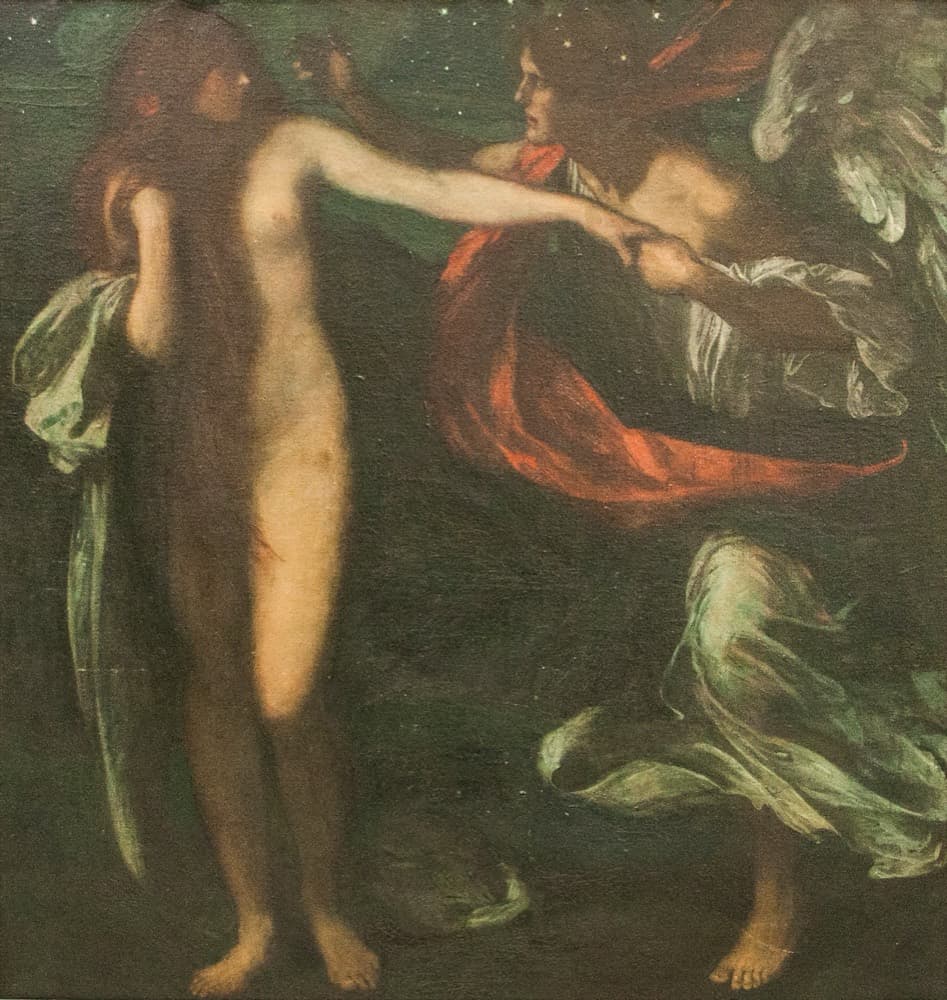
The tempter in Genesis 3 is only 'the serpent' (nachash), the subtlest of the wild creatures. The text does not call it an angel or Satan; that identification is later (Wisdom of Solomon 2:24 blames death on the devil's envy; Revelation 12:9 calls Satan 'that old serpent' outright), and the name Lucifer comes from the Latin of Isaiah 14:12, a taunt-song against the king of Babylon, borrowed afterwards. The Nephilim occupy four verses in the canon (6:1–4), are named in only one of them, and are never quite said to be the children the sons of God fathered; it is 1 Enoch and Jubilees that expand those verses into the long story of the fallen Watchers and their giant offspring. The 'great sea creatures' God makes on the fifth day are tanninim, the same vocabulary used of Leviathan in Psalms and Isaiah, but in Genesis 1 they are simply among the made things, with no battle attached. Noah's Flood overlaps closely with the Mesopotamian flood stories (Atrahasis, Gilgamesh XI) in the boat, the released birds, the mountain landing and the sacrifice afterwards; how the two are related has been debated for well over a century.

This timeline follows Genesis 1–11 only. The Islamic account, from the same Abrahamic stream, is scattered across the Qur'an and differs in substance: creation in six days, but with the explicit statement that no fatigue touched God (50:38), so there is no seventh-day rest; Adam formed from clay, the angels ordered to bow to him and Iblis refusing; his wife is never named in the Qur'an, and the rib comes from hadith rather than scripture; both eat the forbidden fruit, both are held responsible, and Adam is then forgiven, with no doctrine of original sin; Nuh's flood is told in suras 11 and 71; and there is no Tower of Babel.

Drawn fromGenesis 1–11 in the Hebrew Bible (Masoretic Text), with the Septuagint Genesis for comparison; later interpretive layers from Wisdom of Solomon 2:24, Revelation 12:9, the Book of the Watchers in 1 Enoch, and Jubilees

Names within the leaves

14