THE STORY & ITS AFTERLIVES
Genesis 2 tells how the Lord God planted a garden in Eden, in the east, and set there the man he had formed from dust, to till and keep it. Every tree pleasant to the sight and good for food grew in it, and in its midst two trees: the tree of life, and the tree of the knowledge of good and evil. A river flowed out of Eden to water the garden and divided into four: the Pishon, winding through Havilah where there is gold; the Gihon, around the land of Cush; the Hiddekel, which is the Tigris; and the Euphrates. Of every tree the man might eat, save the tree of knowledge — 'for in the day that you eat of it you shall surely die.'
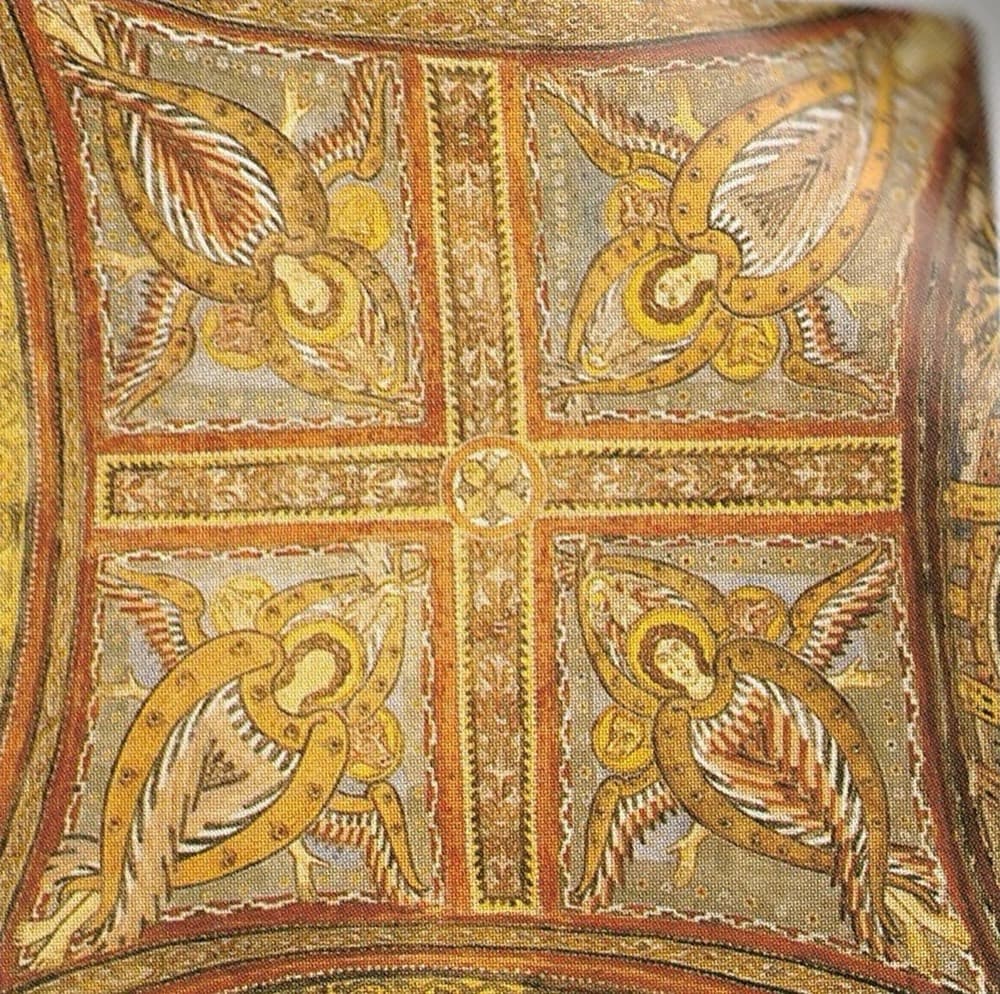
Chapter 3 tells the loss. The serpent assures the woman that they will not die, but that their eyes will be opened and they will be like God, knowing good and evil. Seeing that the tree was good for food and a delight to the eyes, she took its fruit and ate, and gave it to her husband. Their eyes were opened, they knew themselves naked, and they sewed fig leaves for coverings. God, walking in the garden in the cool of the day, pronounced the sentences: the serpent to go on its belly and eat dust, the woman to bear children in pain, the ground to be cursed for the man's sake. He clothed the pair in garments of skins, drove them out, and stationed cherubim east of the garden with a flaming, turning sword to guard the way to the tree of life.
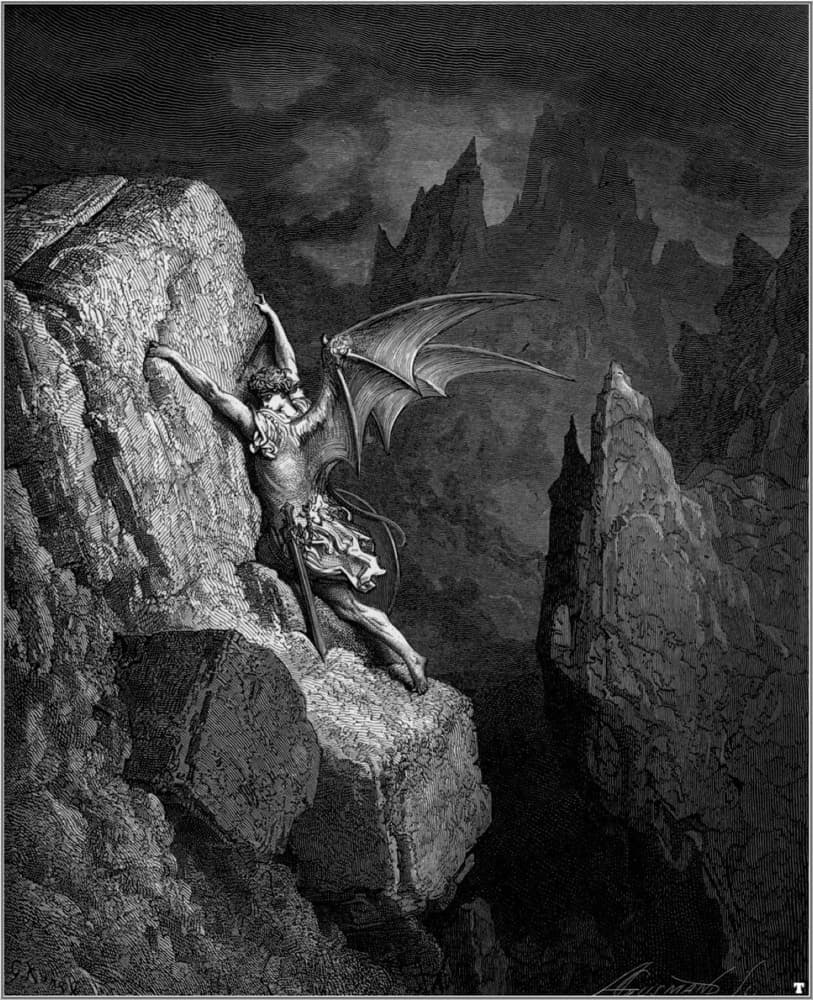
Because the text names the real Tigris and Euphrates, commentators have long placed Eden somewhere in Mesopotamia, but the Pishon and Gihon resist identification and the site remains unfixed. Ezekiel 28 preserves another tradition, calling Eden 'the garden of God' on the holy mountain, adorned with precious stones. The word 'paradise' reached Greek from the Persian pairidaeza, a walled park, and the Septuagint used it for Eden. Milton's Paradise Lost (1667) retold the rebellion of the angels and the expulsion from the garden at epic length, and remains the story's definitive literary treatment.