Divine lineages · 18

Native American Mythology

Mythic realm
North America
Age remembered
oral traditions spanning millennia
Names preserved
12

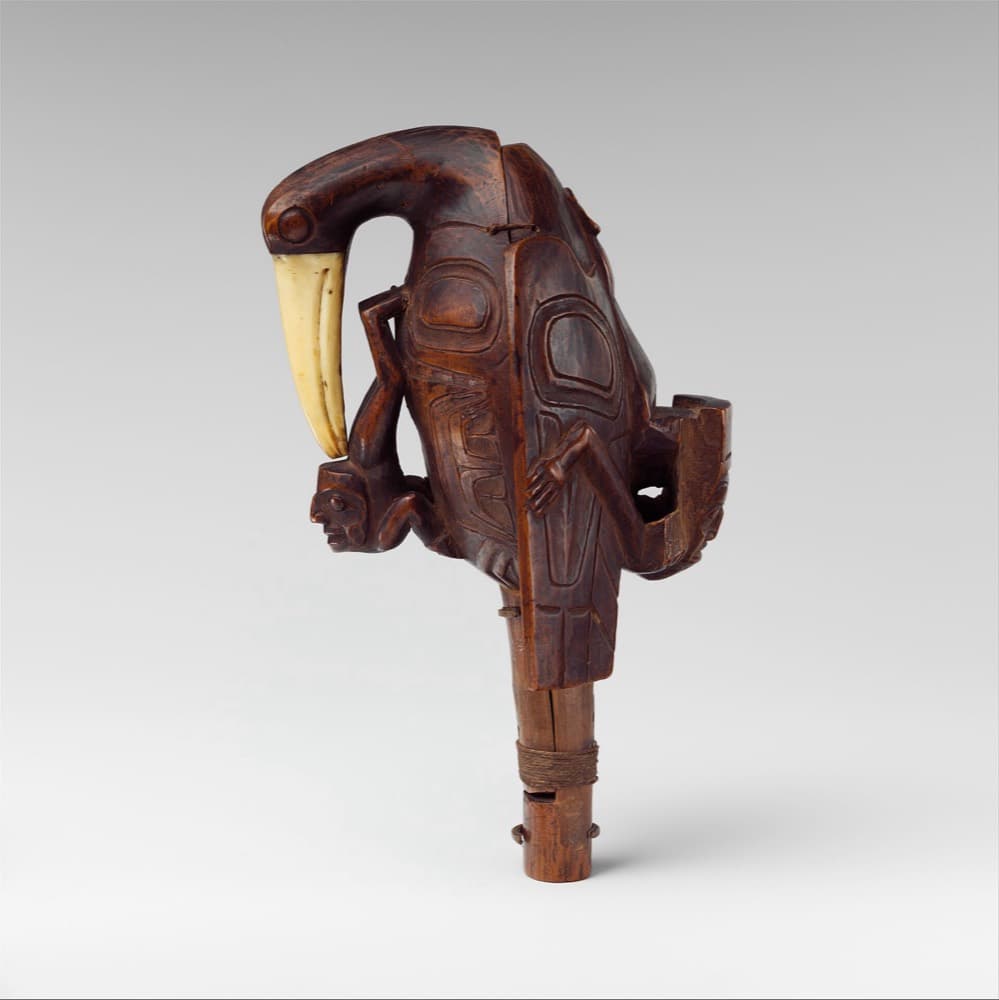
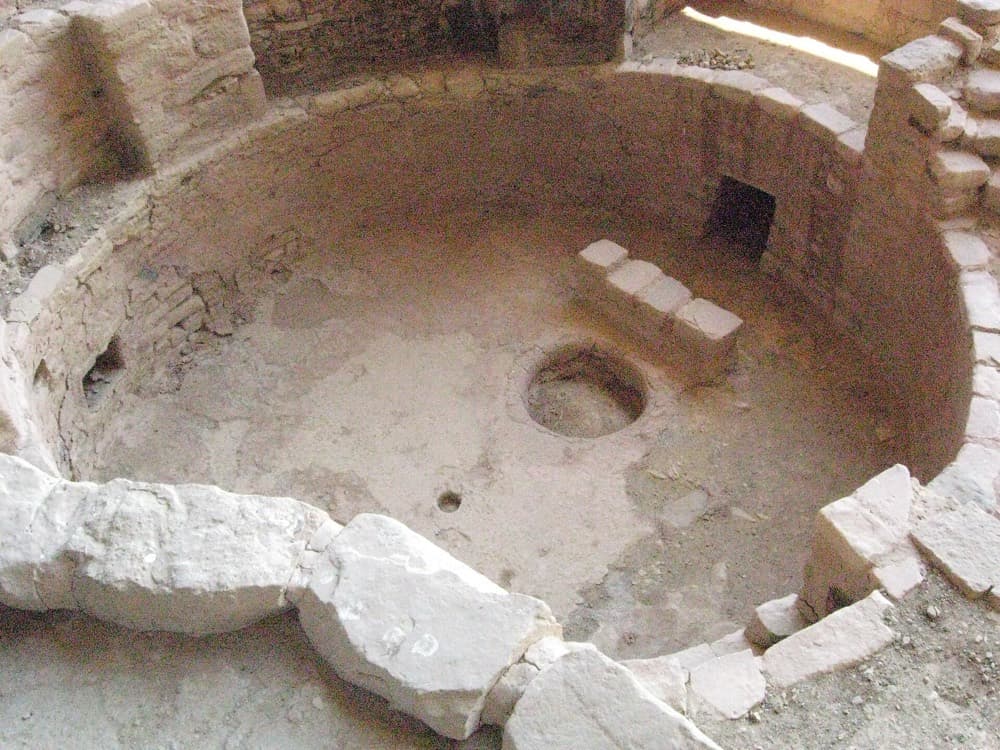
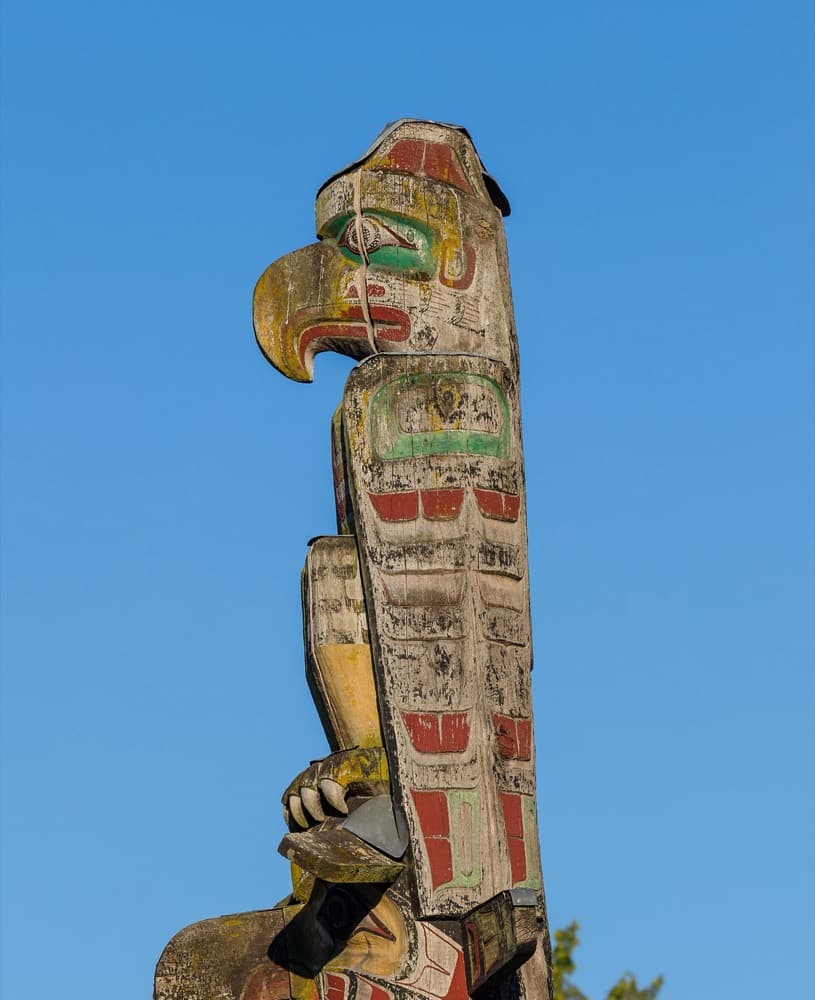
Native North American mythology is the collective name for the oral traditions of hundreds of nations, each reaching back millennia, with no single system among them: the Haida and Tlingit of the rainforest coast tell of Raven stealing the light, the Anishinaabe of the Great Lakes tell Nanabozho stories after the snow falls, the Lakota of the Plains pray to Wakan Tanka through the sacred pipe, and the Hopi of the southwestern mesas receive the kachinas in their kivas. Each tradition stands on its own, yet certain motifs run across the continent: animals diving for soil to create the world, a great turtle bearing the land, a vast bird whose wingbeats are thunder, and tricksters who bless and blunder in the same breath.

These traditions have no single scripture. Their vessels are winter-night storytelling, song and dance in ceremony, and the memory of keepers passing their charge down the generations. Most written records come from ethnography since the nineteenth century: Schoolcraft's Algic Researches (1839), Swanton's Haida and Tlingit texts, the Lakota holy men's accounts recorded by Walker at Pine Ridge, and Black Elk's testimony in Brown's The Sacred Pipe, alongside Native authors writing from within, such as the Tuscarora historian David Cusick and the Ojibwe scholar Basil Johnston. Any page of text is a single dipper drawn from moving water.

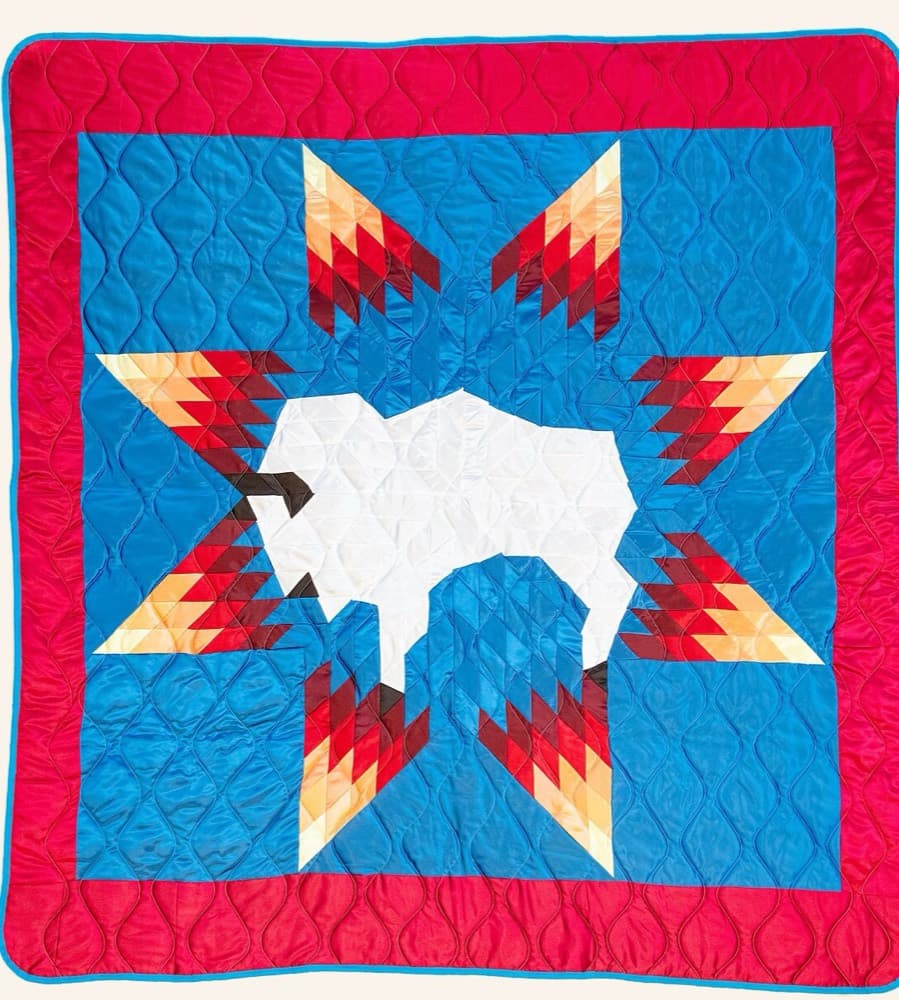
Everything gathered here belongs to living religions. The Sun Dance and the kachina ceremonies are still held, the birth of a white buffalo calf is still an event, and figures like the wendigo and the skin-walker remain grave subjects not spoken of lightly in their communities, far removed from the monsters of popular culture. This collection puts respect and accuracy first, naming the specific nation each entry comes from.

Return by the star-path

CHRONICLE OF ORIGINS · A LIVING SCROLL

Native American Mythology

North America08 STAGESENTER THE MYTHIC LINEAGE ↗

The Formless Deep1 / 8

Haudenosaunee: before there was land

A world in the sky, water underneath

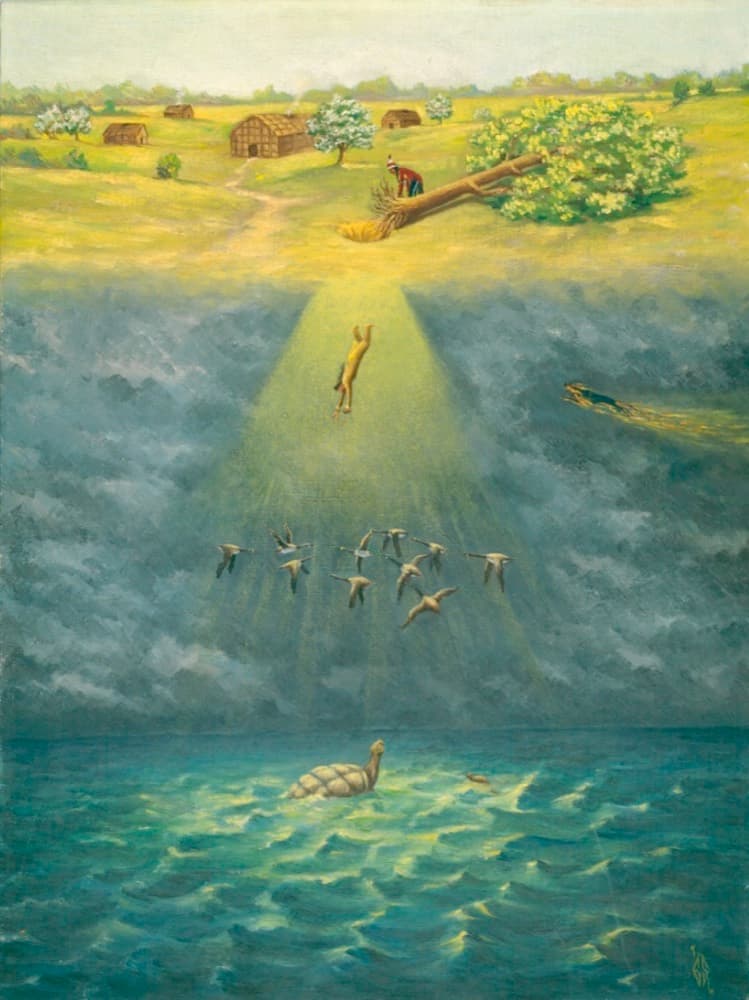
The Haudenosaunee account begins overhead. There was a world in the sky, with people and villages in it and a great tree at its center that bore blossoms giving light; there was no sun, and the light came from the tree. Below, there was not a handful of dry ground anywhere — only water without a shore, with waterfowl floating on it and diving animals underneath. When the chief of the sky world fell ill, it was said the tree should be pulled up to cure him. The tree came away, and where its roots had been there was a hole, and under the hole lay the water.

VARIANTS, FRAGMENTS & ANCIENT SOURCES

There is no such thing as a single Native American mythology. More than five hundred tribes are federally recognized in the United States and more than six hundred First Nations communities exist in Canada, speaking languages that belong to more than a dozen unrelated families, and their accounts of how things began differ accordingly: earth brought up from under water, people climbing out of the ground, Raven letting the daylight out of the box that held it — and, in some nations, a beginning that is simply not told to outsiders on request. Three reasonably well documented accounts are set out here: the Haudenosaunee (the Iroquois Confederacy, chiefly the Seneca and Onondaga records), the Lakota, and the Diné (Navajo). They are three separate traditions, not three parts of one story; the order below is a matter of layout only and implies no sequence and no claim that these three stand for the rest. Where a nation has its own name for itself, that name is used: Iroquois, Sioux and Navajo are all names given from outside. All three are living traditions. Only published material is drawn on here, and nothing that belongs to ceremony or to initiated knowledge.

On the versions, one by one. Sky Woman: Cusick's Sketches (1827) is the earliest account written in English by a Haudenosaunee man, but he wrote it inside a world of missionaries and English history books. The Mohawk, Onondaga and Seneca texts Hewitt published in 1903 and 1928 do not agree with one another — whether Sky Woman fell, was pushed, or climbed down; whether it was the muskrat or the toad that came up with the mud; what the twins are called and what weapon settles their contest. The Lakota emergence: the connected version people read today comes mainly from James R. Walker, a physician at Pine Ridge from 1896 to 1914, who collected fragments from George Sword and other holy men and assembled them into a single cycle. When Elaine Jahner edited that material for publication in 1983 she said plainly that Walker's own literary arrangement is part of what we have, and that it cannot be treated as a fixed canonical text. A separate body of Lakota knowledge sets the terrain of the Black Hills against the constellations, site answering to star, with the ceremonial year following the sun between the two (Ronald Goodman, Lakota Star Knowledge, 1992). Identifying Wind Cave as the place of emergence carries great weight in Lakota oral tradition today and in the Black Hills land claim, but not every record says so.

Diné bahané does not settle even the number of worlds: most tellings bring the people up into a fourth world, the Glittering World, while some records count five. Nor do the records agree on where First Man and First Woman came into being — Matthews (1897) has the ears of corn become them in the world reached after the ascent, while O'Bryan (1956) and Zolbrod (1984) place it in the lowest, Black World. Diné tradition holds that these stories are told in winter. None of the three accounts contains a separation of sky and earth: for the Haudenosaunee, sky and water are two realms from the outset, and the Lakota and Diné worlds are stacked one above another, so nothing has to be split apart or propped up. The Hopi and other Pueblo peoples of the Southwest have emergence accounts of their own, which are not the same as the Diné one and are not folded in here.

Drawn fromDavid Cusick, Sketches of Ancient History of the Six Nations (1827); J. N. B. Hewitt, Iroquoian Cosmology, First Part (21st Annual Report of the Bureau of American Ethnology, 1903) and Second Part (43rd Annual Report, 1928); Arthur C. Parker, Seneca Myths and Folk Tales (1923); James R. Walker, Lakota Belief and Ritual (ed. DeMallie and Jahner, 1980) and Lakota Myth (ed. Jahner, 1983); Joseph Epes Brown, The Sacred Pipe: Black Elk's Account of the Seven Rites of the Oglala Sioux (1953); Washington Matthews, Navaho Legends (1897); Aileen O'Bryan, The Diné: Origin Myths of the Navaho Indians (1956, from the account of Sandoval); Paul G. Zolbrod, Diné bahané: The Navajo Creation Story (1984)

Names within the leaves

12