THE STORY & ITS AFTERLIVES
Wakan Tanka is the Lakota name for the highest sacred reality, joining wakȟáŋ (sacred, beyond comprehension) with tȟáŋka (great). It names the one sacred power running through sun and sky, thunder and stone, buffalo and human beings alike, with no human form and no fixed dwelling. In the early twentieth century the Oglala holy man George Sword described the system to the physician James R. Walker: Wakan Tanka comprises sixteen aspects arranged in four ranks, headed by Sun, Sky, Earth, and Rock, with the thunder beings Wakíŋyaŋ, the winds, and the buffalo spirit ordered beneath them.
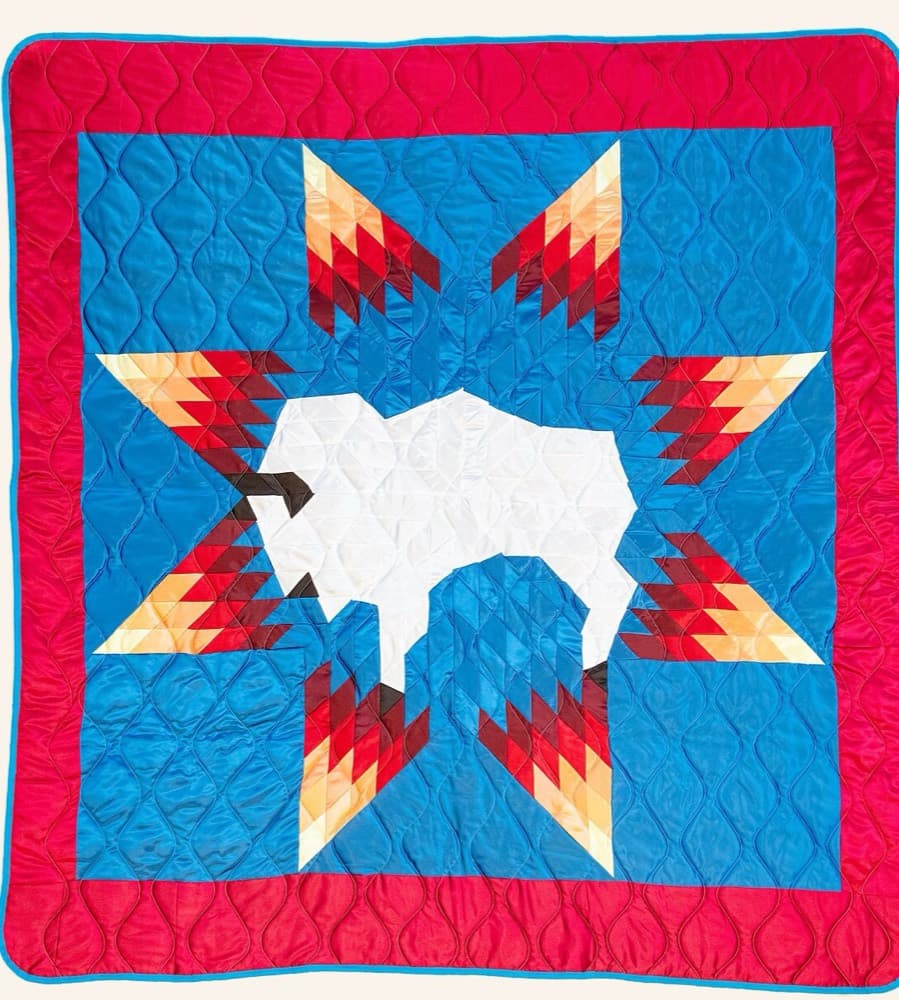
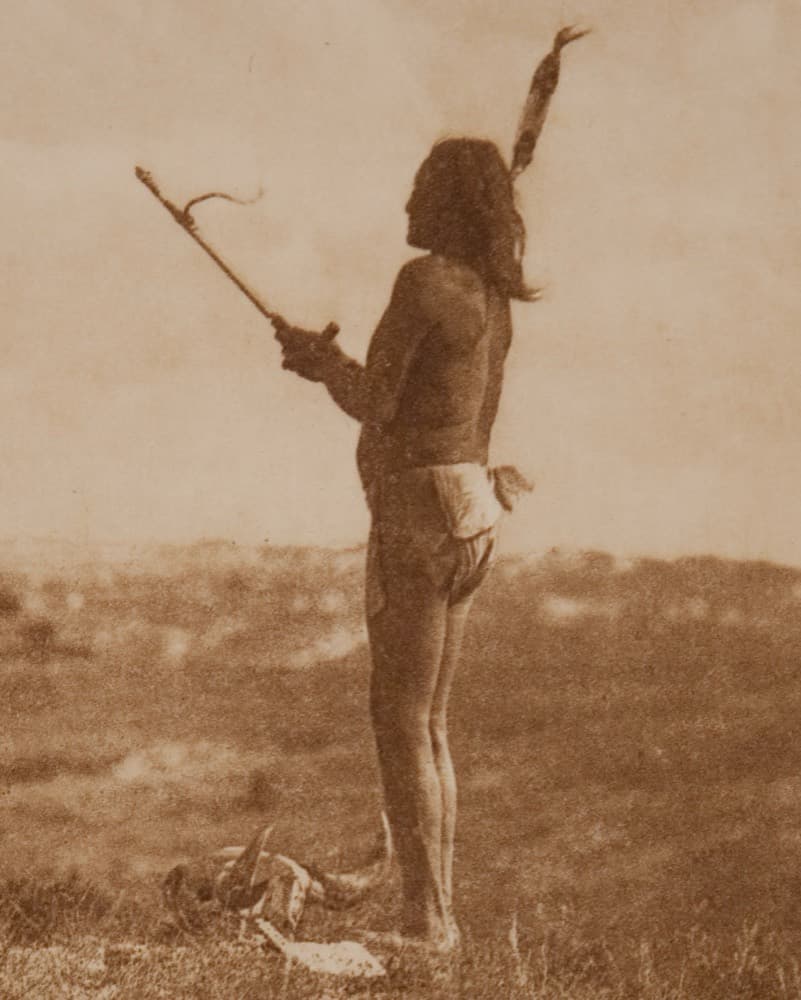
The Lakota approach Wakan Tanka through the Seven Sacred Rites said to have been brought by White Buffalo Calf Woman, among them the pipe ceremony, the sweat lodge, the vision quest (hanbleceya), and the Sun Dance. Prayers commonly close with Mitákuye Oyás'iŋ, "all my relations," the phrase that carries the heart of the tradition: humans and all other beings stand within one sacred order as kin.
From the nineteenth century onward the phrase "Great Spirit," spread by missionaries and treaty texts, became a blanket English term for the high beings of many nations, absorbing concepts such as the Algonquian Gitche Manitou. Lakota ceremonial life continues today, from the Sun Dance to the sweat lodge, and Wakan Tanka remains a name spoken in prayer.