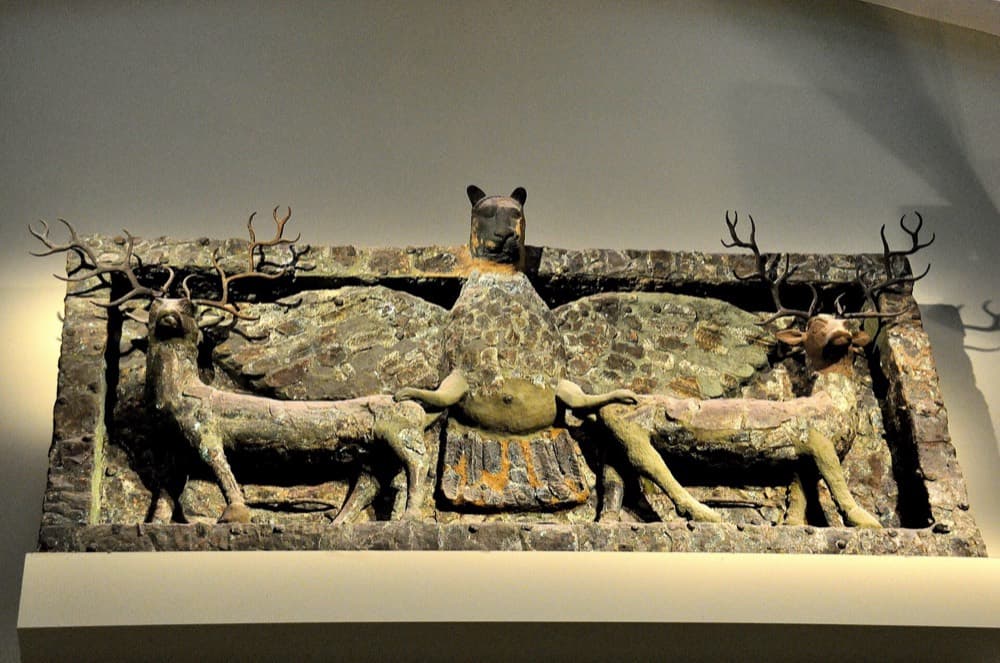
 № 001
№ 001Mesopotamian
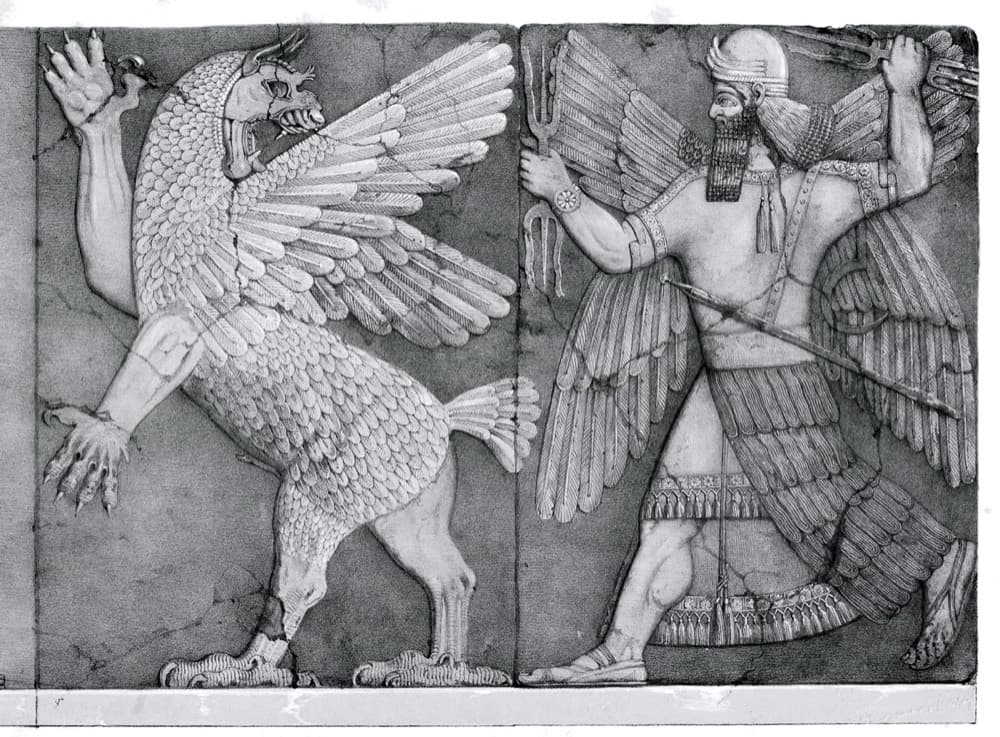
Anzu
Ancient
安祖
The Storm Bird Who Stole Destiny
Divine lineages · 06
Mesopotamian mythology is the oldest mythology ever written down. In the third millennium BCE the Sumerians pressed their god-lists and epics into wet clay with reed styluses; dried or baked, the tablets proved durable as brick. Akkad, Babylon, and Assyria inherited the system in turn, which is why most major gods carry two names — Sumerian Enki and Inanna are Akkadian Ea and Ishtar. Each god held a city: Enlil at Nippur, Marduk at Babylon, Ishtar in the Eanna temple at Uruk. The fortunes of cities were the fortunes of gods, and once Babylon rose to empire, Enuma Elish rewrote the genealogy outright, having Marduk slay the primordial sea Tiamat, build heaven and earth from her corpse, and take the kingship of the gods.
The core texts come mostly from excavation since the mid-nineteenth century. Ashurbanipal's library at Nineveh yielded the standard Epic of Gilgamesh and the chief copies of Enuma Elish; the tens of thousands of tablets from Nippur preserve the Sumerian poems, Inanna's Descent and the Lugalbanda cycle among them; Atrahasis and the Epic of Anzu tell of mankind's creation, the Flood, and the theft of the Tablet of Destinies. In 1872 George Smith read out a flood story older than Genesis to a stunned London audience, and the corpus is still being pieced together — a tablet acquired in 2011 restored the birdsong and monkey chatter of the Cedar Forest.
The temperament of this mythology is practical and clear-eyed. Humans are clay mixed with the blood of a slaughtered god, made to take over the gods' drudgery; the netherworld is the House of Dust, where all alike feed on clay; even destiny is paperwork — a sealed tablet that can be worn, transferred, or stolen by a giant bird. The gods behave like the officials of a city-state: they tire, lose sleep, and after the Flood swarm 'like flies over the offering.' Gilgamesh scours the earth for immortality and comes home with advice instead: go back, tend your wall, live your days.
Opening the origin story…
№ 001Mesopotamian
安祖
The Storm Bird Who Stole Destiny
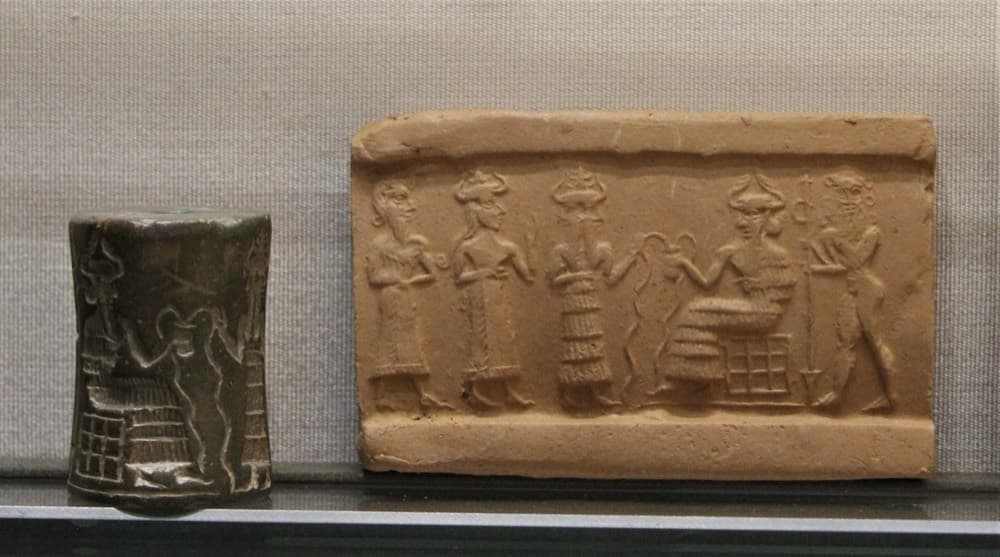 № 002
№ 002Mesopotamian
恩基
God of Wisdom and the Deep
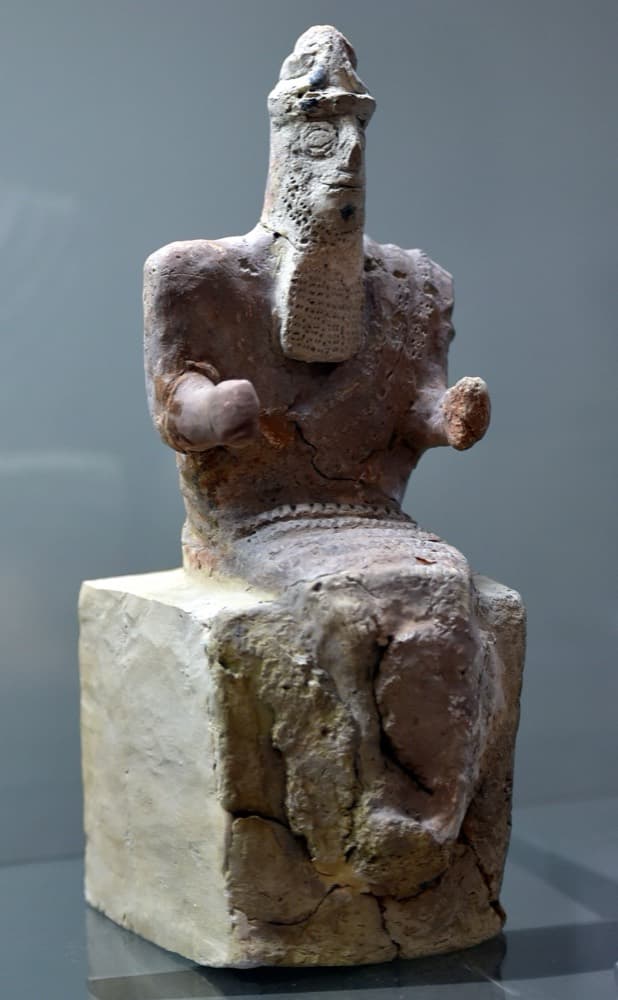 № 003
№ 003Mesopotamian
恩利尔
Lord Wind, Head of the Pantheon
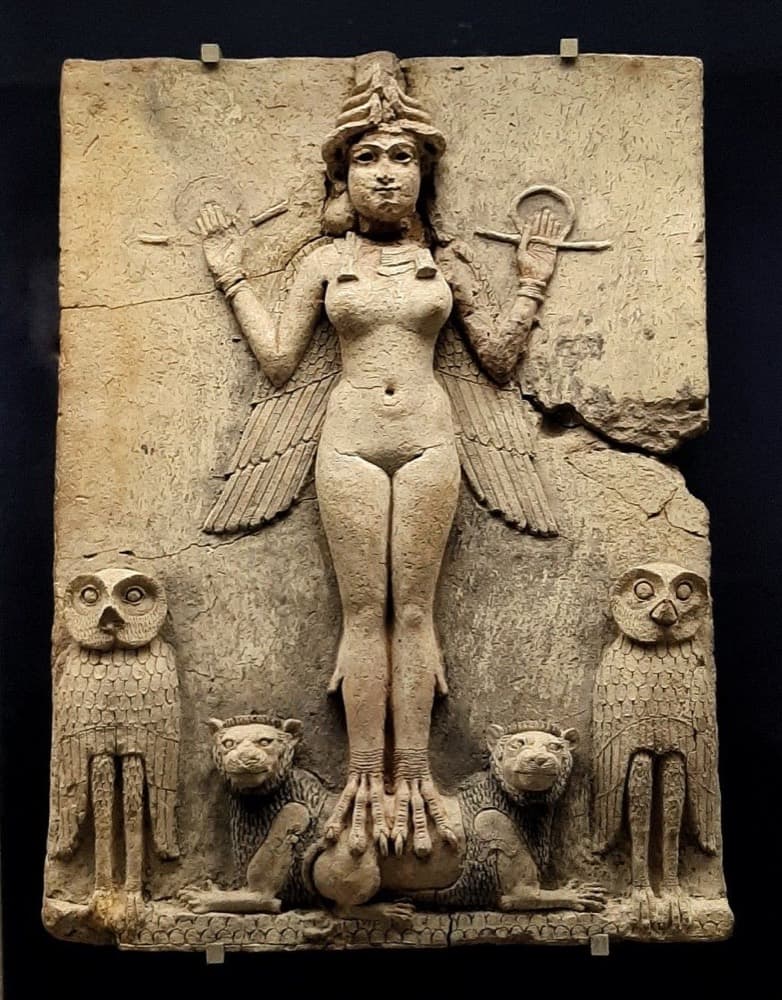 № 004
№ 004Mesopotamian
埃列什基伽勒
Queen Who Cannot Leave the Great Earth Below
 № 005
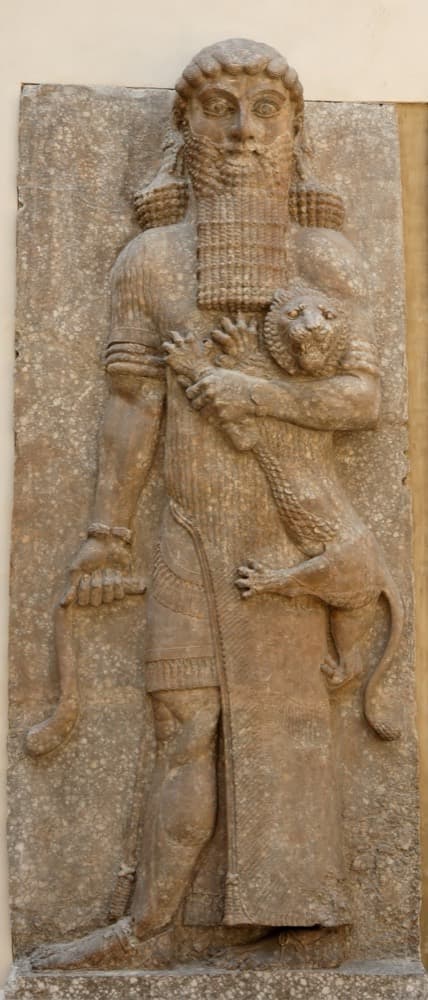
№ 005Mesopotamian
吉尔伽美什
King of Uruk
 № 006
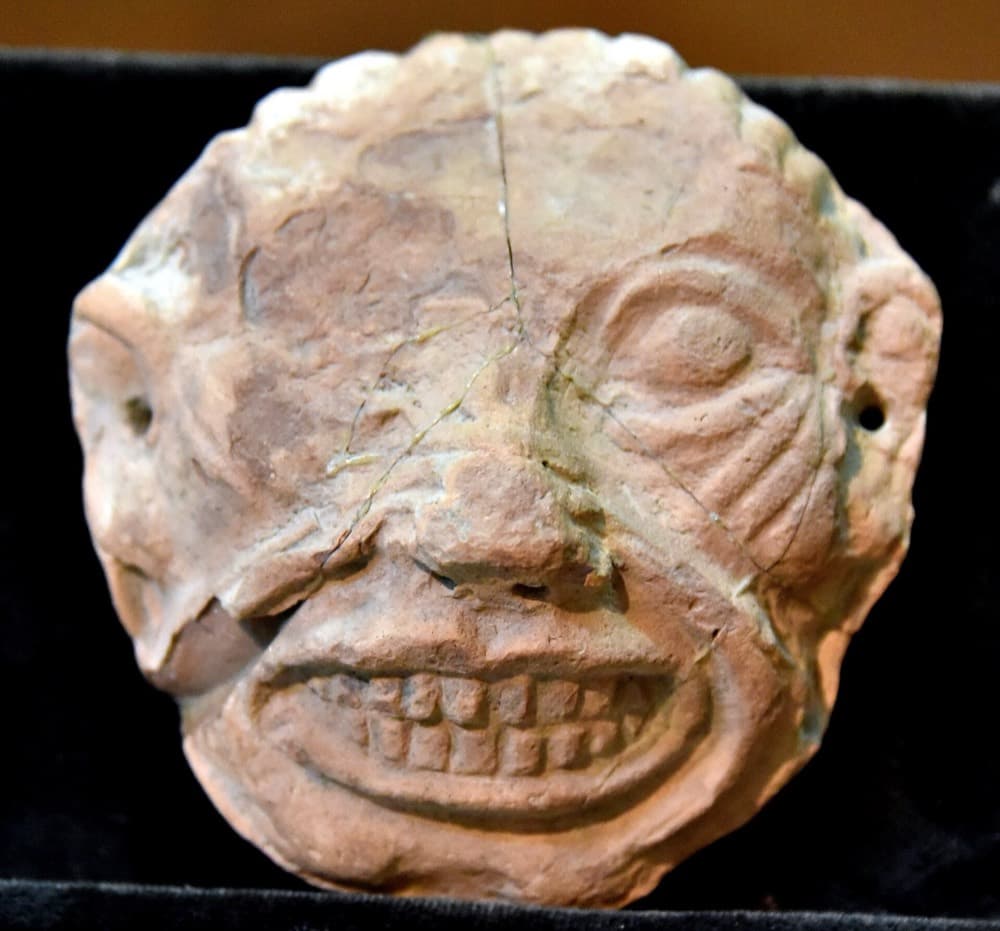
№ 006Mesopotamian
胡姆巴巴
Guardian of the Cedar Forest
 № 007
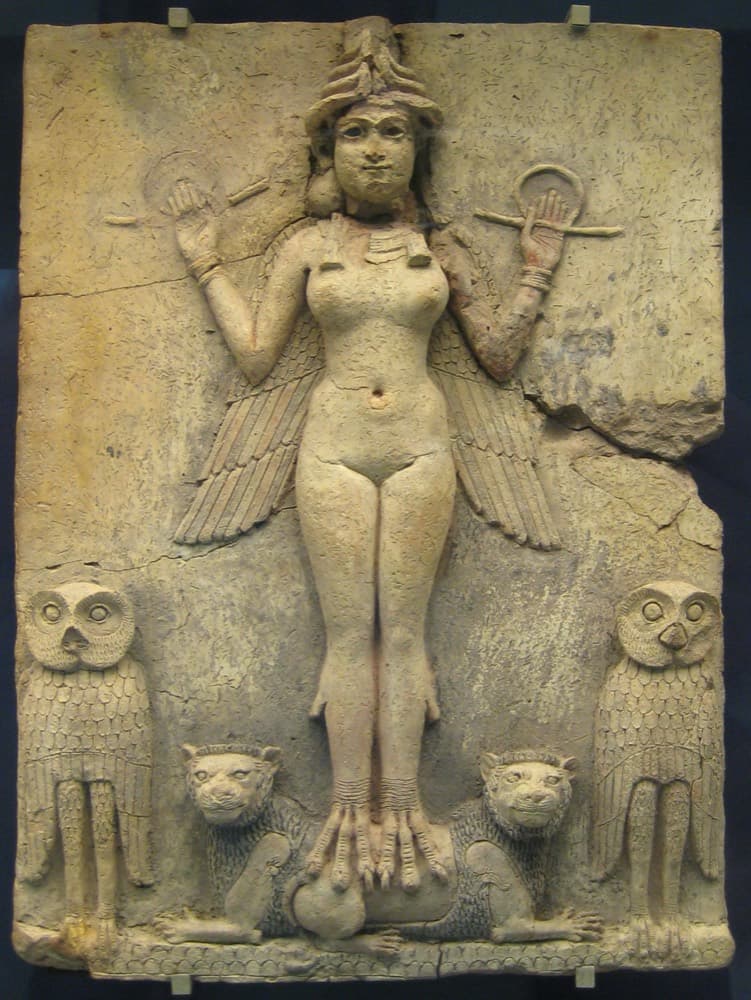
№ 007Mesopotamian
伊什塔尔
Goddess of Love and War
 № 008
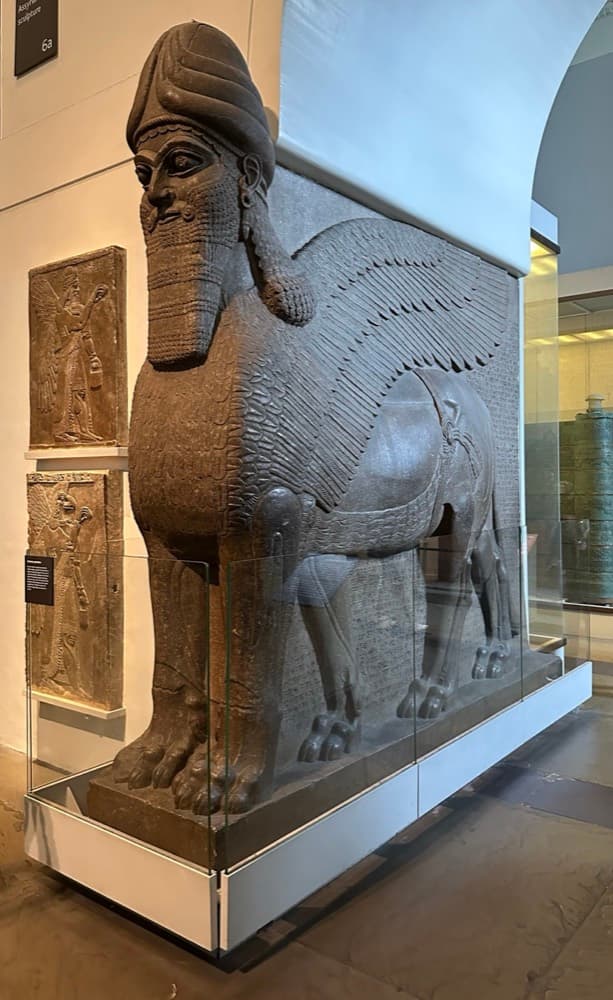
№ 008Mesopotamian
拉玛苏
Guardian of the Palace Gates
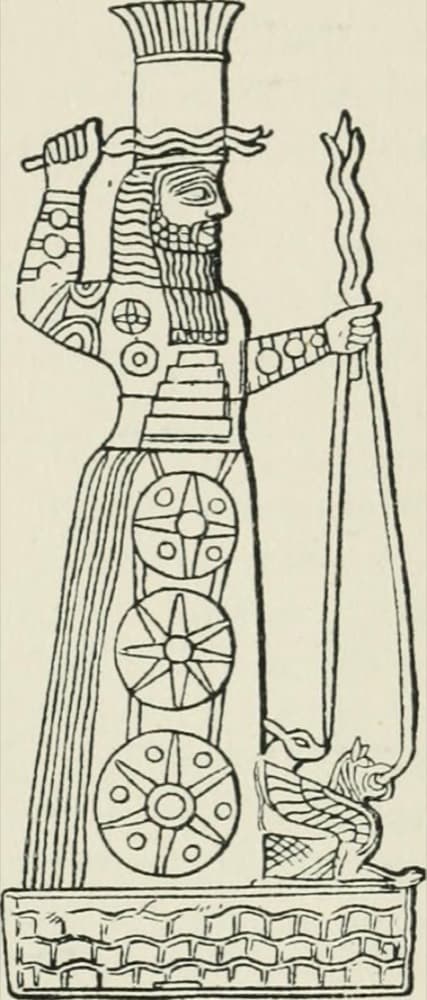 № 009
№ 009Mesopotamian
马尔杜克
Patron of Babylon, King of the Gods
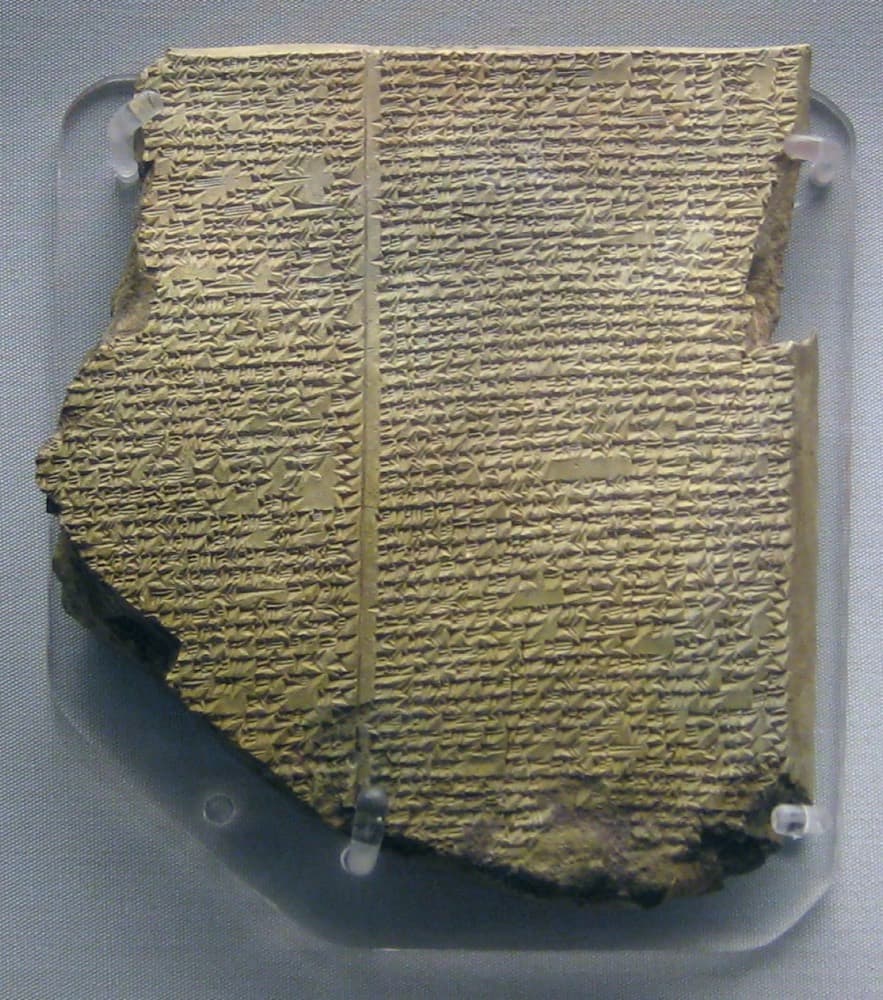 № 010
№ 010Mesopotamian
大洪水传说
The Deluge and the First Ark
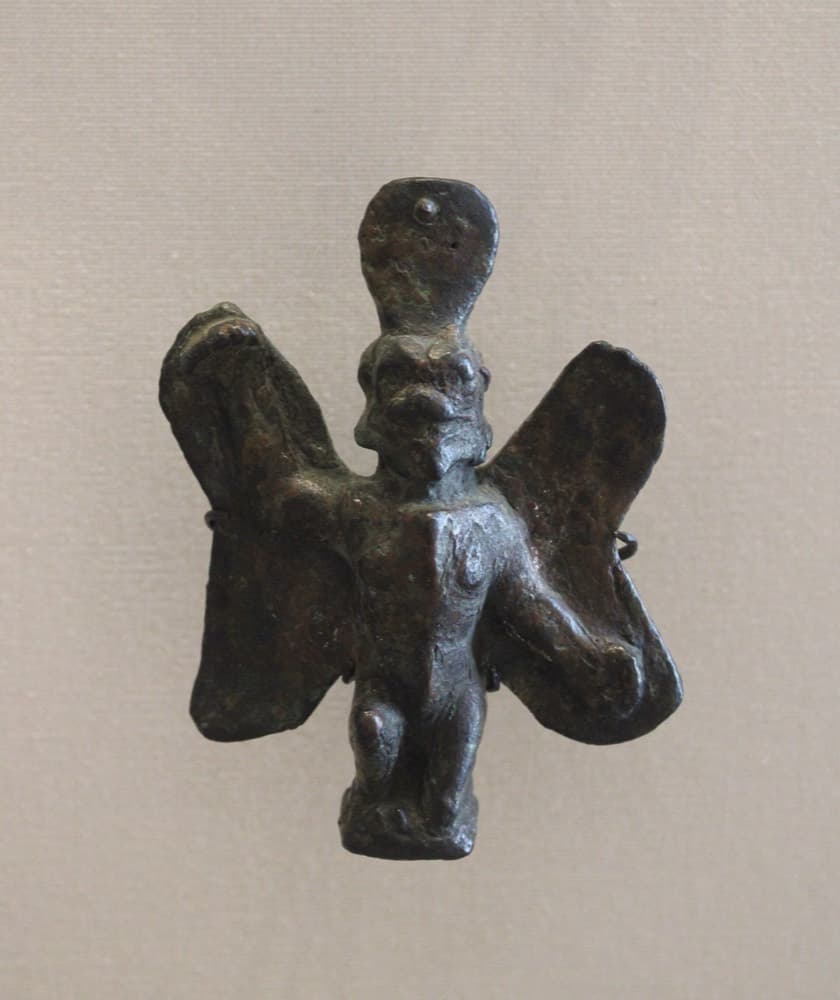 № 011
№ 011Mesopotamian
帕祖祖
King of the Wind Demons
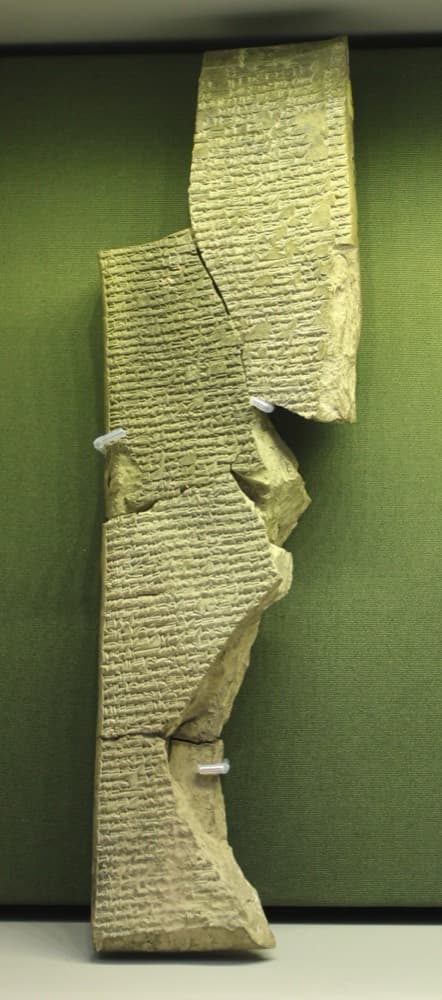 № 012
№ 012Mesopotamian
天命泥板
Charter of Supreme Authority
 № 013
№ 013Mesopotamian
提亚马特
Primordial Mother of the Salt Sea