THE STORY & ITS AFTERLIVES
The Tablet of Destinies — Akkadian ṭuppi šīmāti — is the supreme instrument of authority in Mesopotamian myth: a sealed clay tablet whose holder speaks fate itself, every divine command flowing from it. The image comes straight from Mesopotamian administration: in a world where contracts, verdicts, and royal orders lived on clay under cylinder seals, the master charter of heaven and earth was naturally a tablet too. Its keeper wore it fastened on the breast, as an official carries his seal.
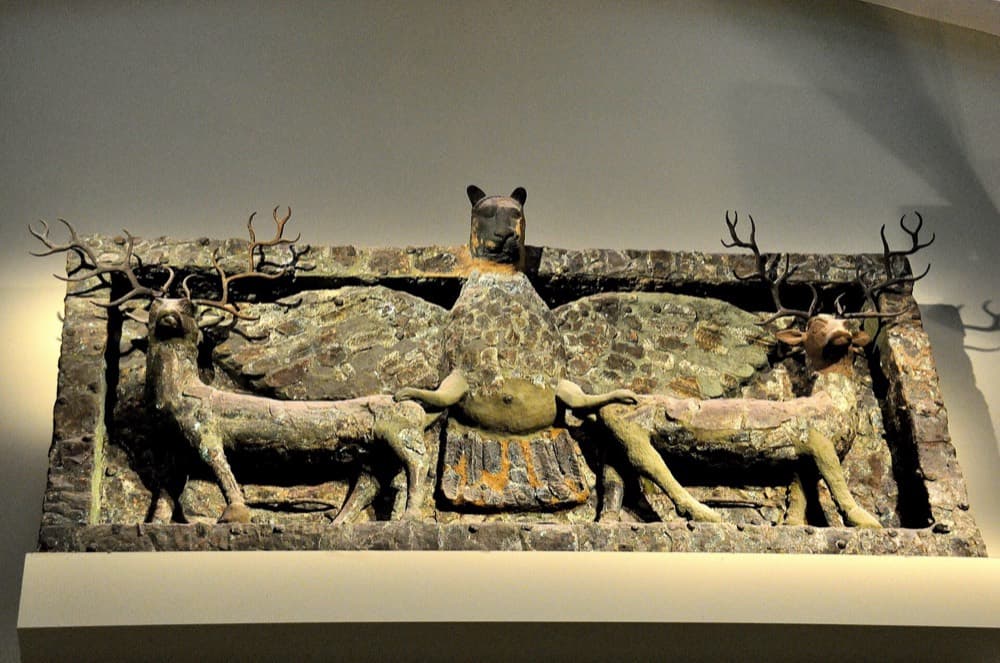
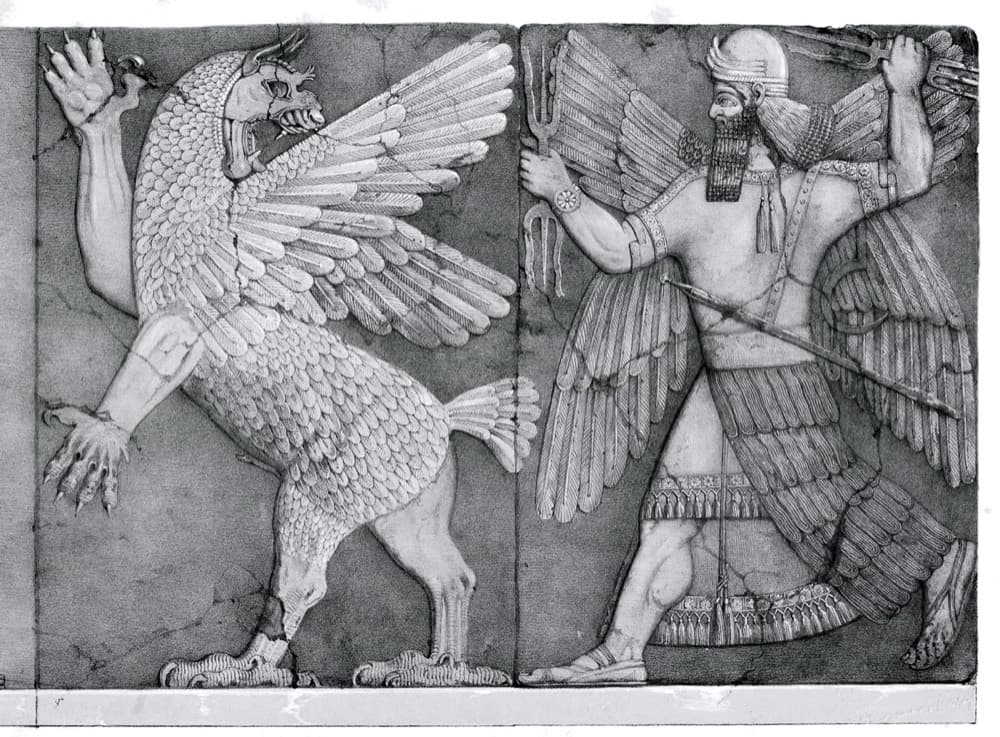
The Epic of Anzu turns on its theft: the lion-headed bird snatches it while Enlil bathes and flies off to the mountains; command fails across the universe, and arrows shot at the thief are talked back into reed and feather by the tablet's power, until Ninurta kills the bird by stratagem and carries it home.
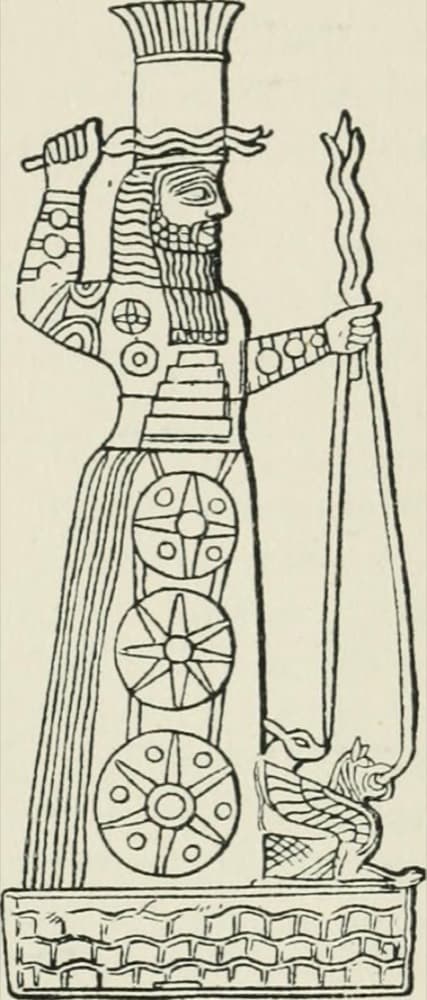
In Enuma Elish it changes hands again: Tiamat fastens it on the breast of Qingu, commander of her monstrous host, as his commission; after the victory Marduk takes it from Qingu's body, stamps it with his own seal, and binds it on his own chest — a change of regime executed with the paperwork in perfect order. A Sumerian fragment, Ninurta and the Turtle, has it tumble back into the Abzu and spark yet another contest, showing the tradition ran in more than one channel.