THE STORY & ITS AFTERLIVES
Gilgamesh was king of the Sumerian city of Uruk. The Sumerian King List places him fifth in the First Dynasty of Uruk with a reign of 126 years, and most scholars take him for a historical ruler of about 2700 BCE, deified soon after his death. The epic calls him two-thirds god and one-third man, son of the wild-cow goddess Ninsun and the former king Lugalbanda, and credits him with Uruk's baked-brick city wall, whose circuit ran nearly ten kilometers.
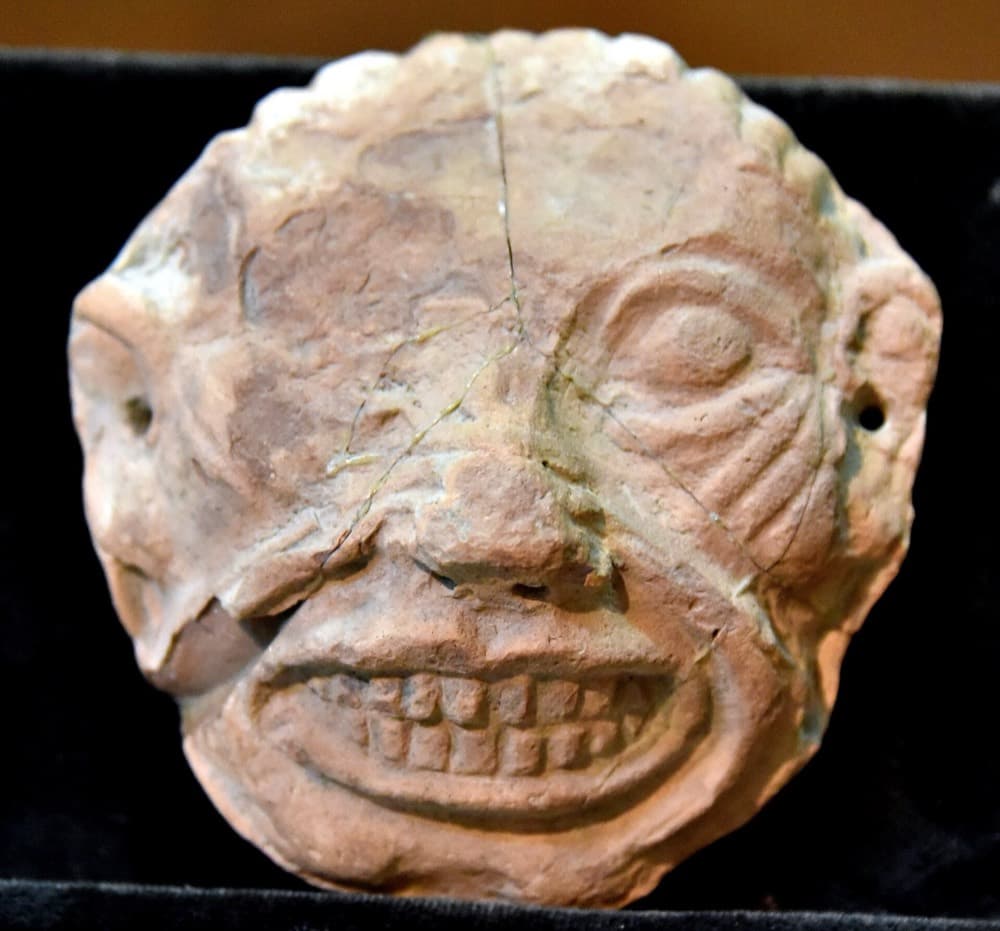
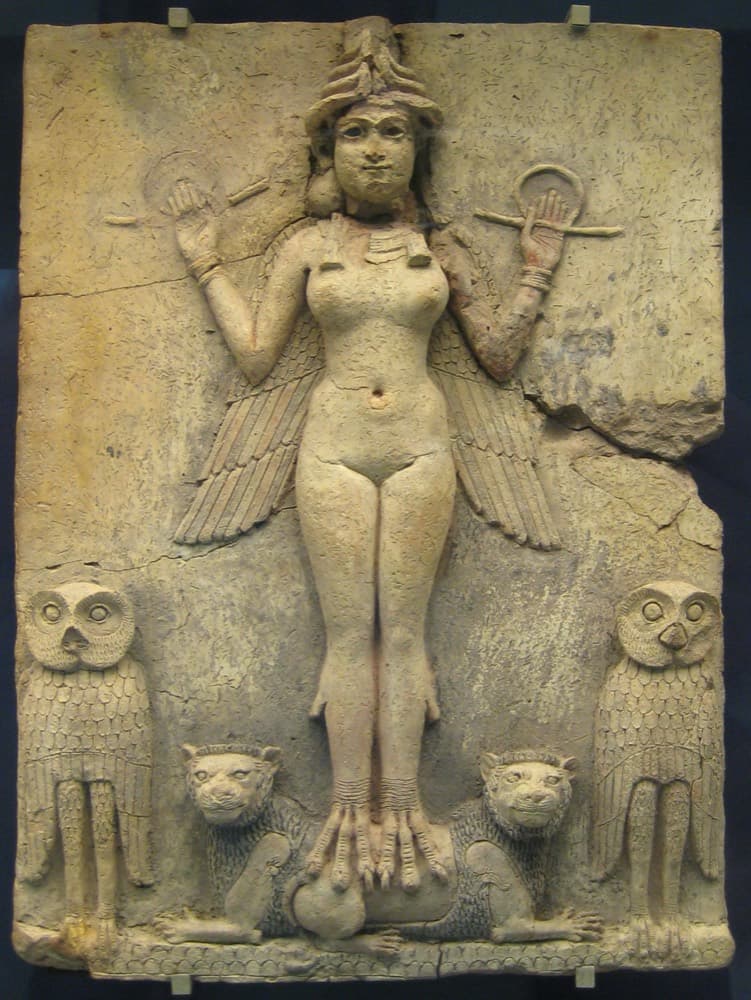
In the standard version of the epic the young king is a tyrant, so the gods fashion the wild man Enkidu as his match; the two wrestle at the city gate and become inseparable. Together they journey to the Cedar Forest and kill its guardian Humbaba, then slaughter the Bull of Heaven that Ishtar unleashes after Gilgamesh spurns her proposal. The gods decree Enkidu's death, and grief sends Gilgamesh wandering: through the scorpion-men's tunnel under Mount Mashu, across the Waters of Death, to Utnapishtim, survivor of the Flood, in search of immortality. He fails the test set for him, wins a plant that restores youth, and loses it to a snake while bathing in a pool. He returns empty-handed and shows the boatman Urshanabi the wall of Uruk, where the poem ends.
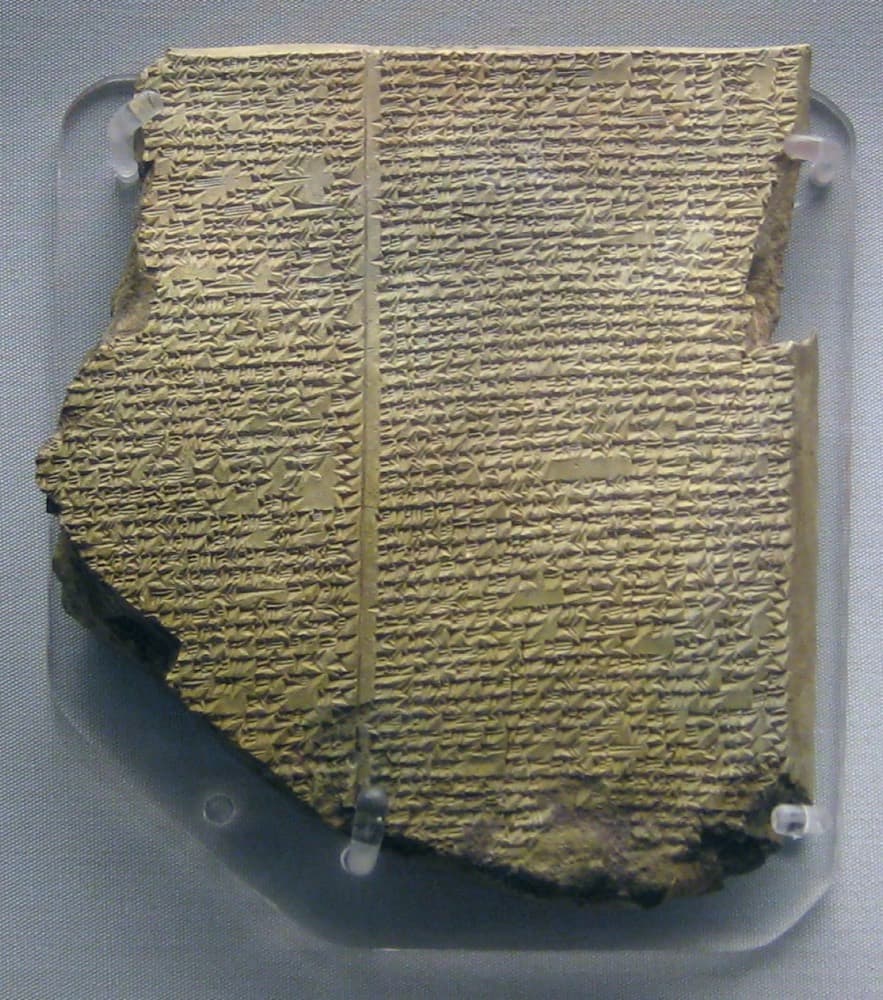
The Standard Babylonian version fills eleven tablets, with a twelfth appended from a Sumerian poem; ancient catalogues title it 'He who saw the Deep' and credit its redaction to the scribe Sin-leqi-unninni. The chief manuscripts came from Ashurbanipal's library at Nineveh, excavated in the 1850s; in 1872 George Smith's reading of its flood story caused a sensation across Europe.