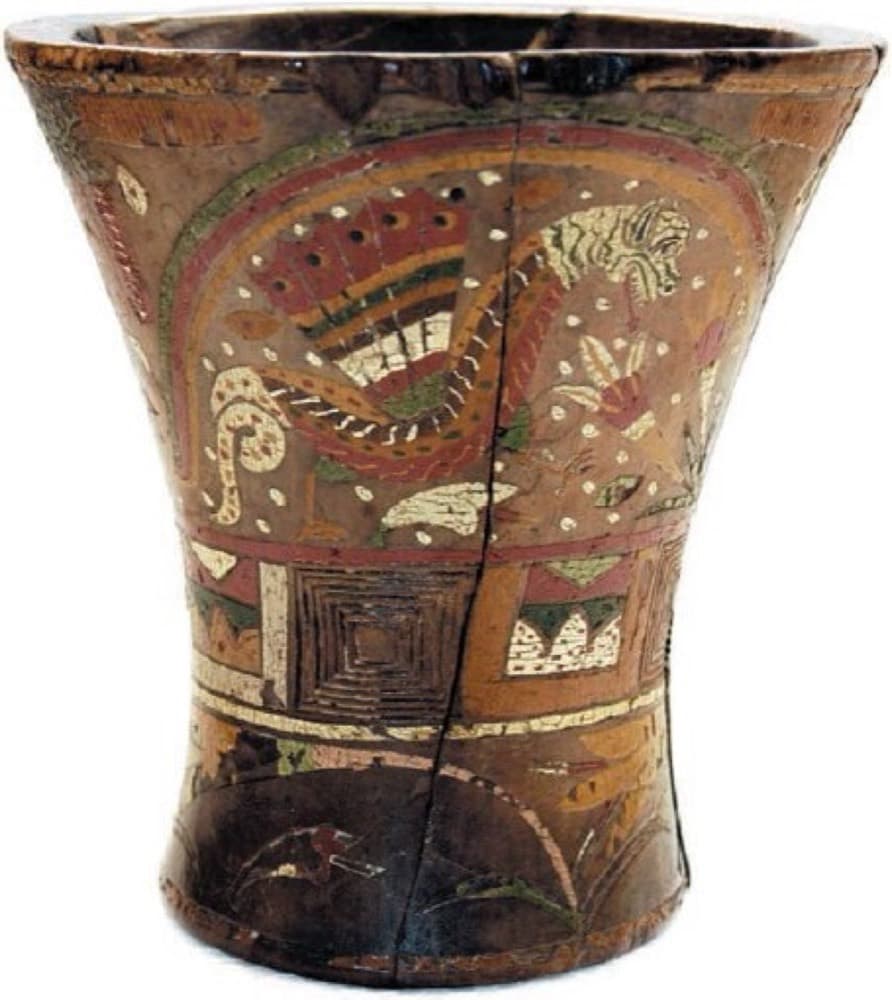
 № 001
№ 001Inca
Amaru
Ancient
阿马鲁
The Great Serpent of Deep Waters
Divine lineages · 17
The Incas called their realm Tawantinsuyu, the Four Quarters Together, with Cusco as its navel; a Cusco-valley polity from the thirteenth century, it took less than a hundred years from the mid-fifteenth to draw nearly four thousand kilometers of Andean highland, canyon and coast into a single empire. Its mythology is layered the same way. Above sat the official cult of the sun god Inti, whose son the Inca king claimed to be, worshipped in the gold-sheeted Coricancha of Cusco; beneath it lay the far older native religion of earth and mountain — Pachamama the earth mother, the apu lords dwelling in the snowpeaks, the great serpent amaru asleep in deep lakes, and Viracocha, who made sun, moon and humankind at Lake Titicaca. The world had three tiers: Hanan Pacha above, Kay Pacha here, Ukhu Pacha below, and any stone, spring, pass or lake could be a huaca, a shrine owed offerings.
The Incas had no writing, and the knotted cords of the quipu still cannot be read as text, so this mythology survives entirely through colonial pens: Betanzos's Suma y narración de los Incas (1551), Sarmiento's Historia de los Incas (1572), Molina's account of the rites, the Royal Commentaries (1609) of Garcilaso — himself of Inca royal blood on his mother's side — the Nueva corónica of the indigenous chronicler Guaman Poma (c. 1615) with its nearly four hundred drawings, and the Quechua-language Huarochirí Manuscript (c. 1608). Every one of these texts passed through Spanish or churchly hands; reading Inca myth means peering at the lake bed through the conquerors' ink.
It is also a mythology that never died. Pachamama still receives her offerings each August, the cairns at the high passes keep growing, and tens of thousands of pilgrims gather every year for the Snow Star festival below Ausangate; in the oral legend of Inkarri, the beheaded Inca king waits underground for the day his body is whole and the world turns over. From the rock of creation in Lake Titicaca to the sun festival restaged in Cusco, many of the entries here describe rites still performed and stories still told.
Opening the origin story…
№ 001Inca
阿马鲁
The Great Serpent of Deep Waters
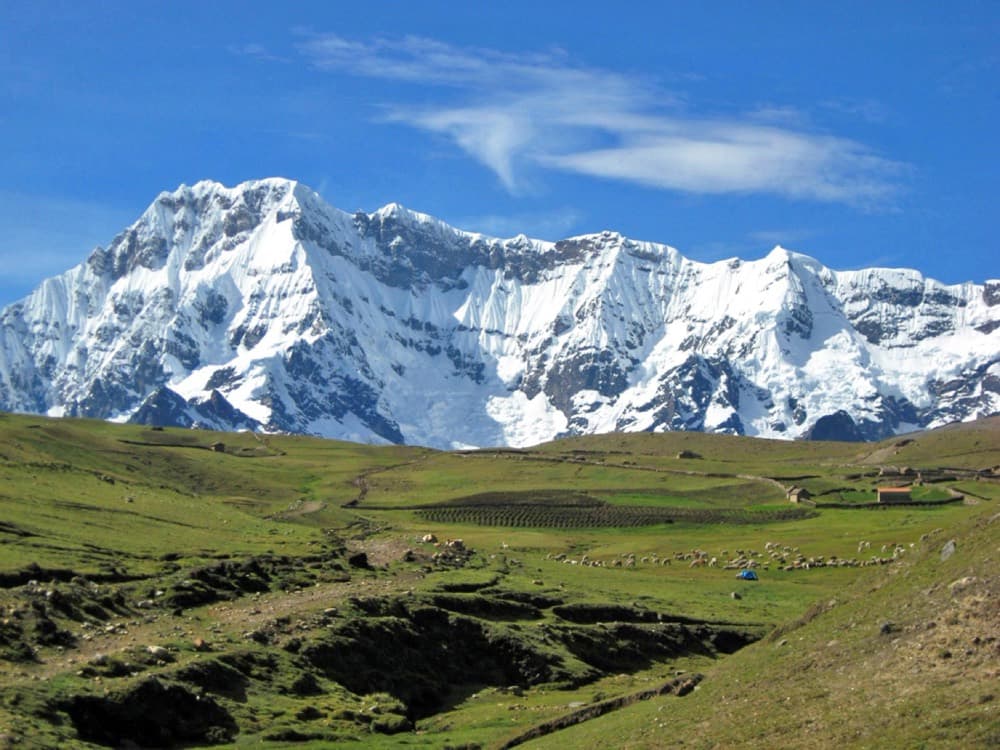 № 002
№ 002Inca
阿普
Mountain Lords of the Andes
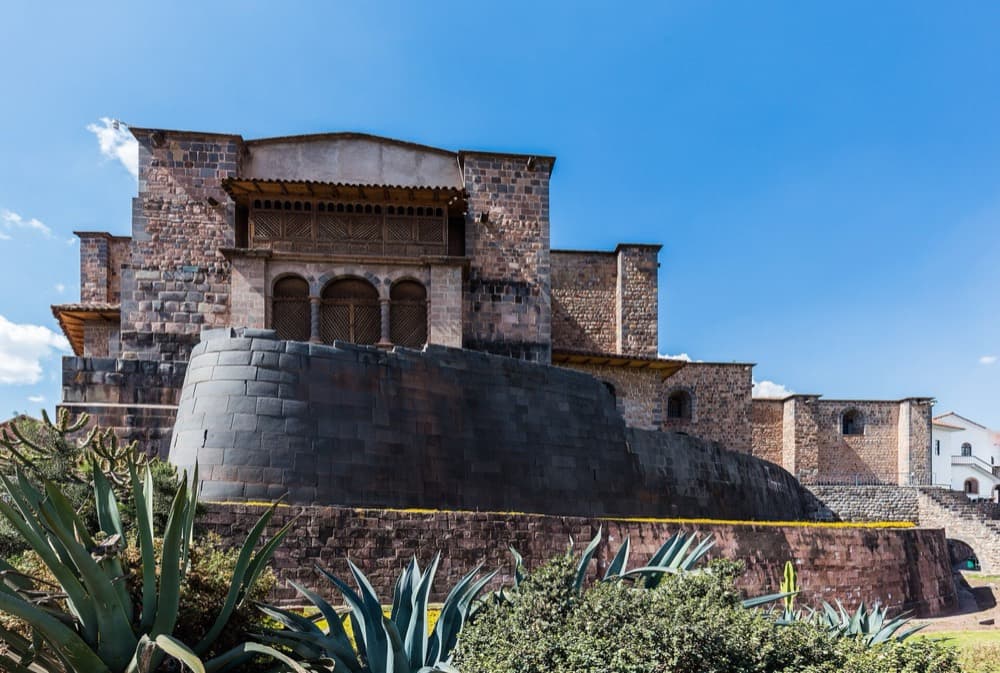 № 003
№ 003Inca
科里坎查
Temple of the Sun in Cusco, the Golden Enclosure
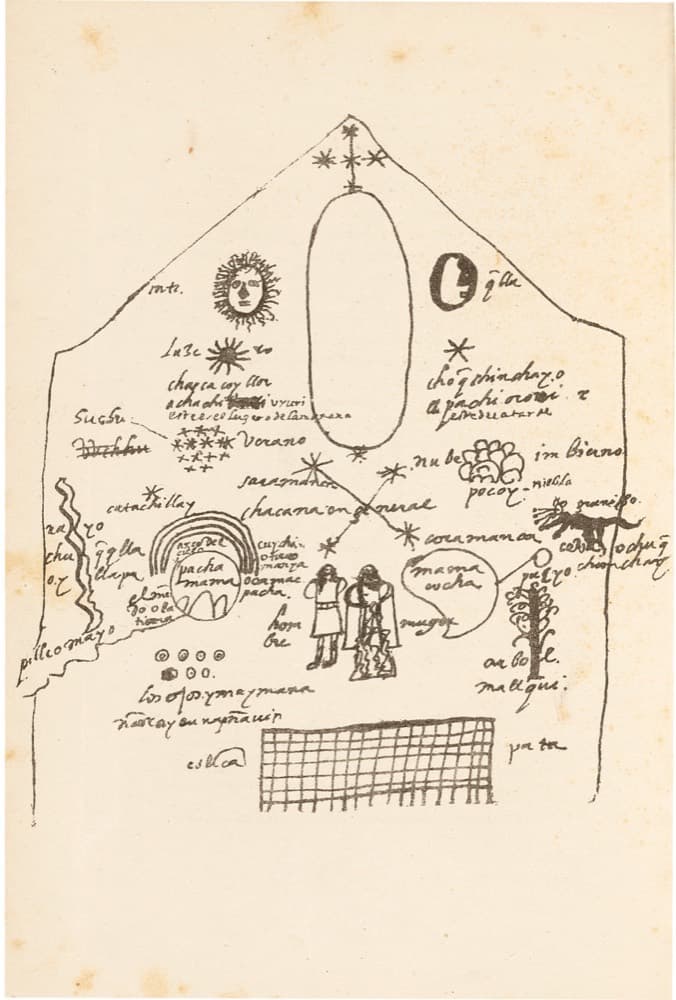 № 004
№ 004Inca
伊利亚帕
God of Thunder and Weather
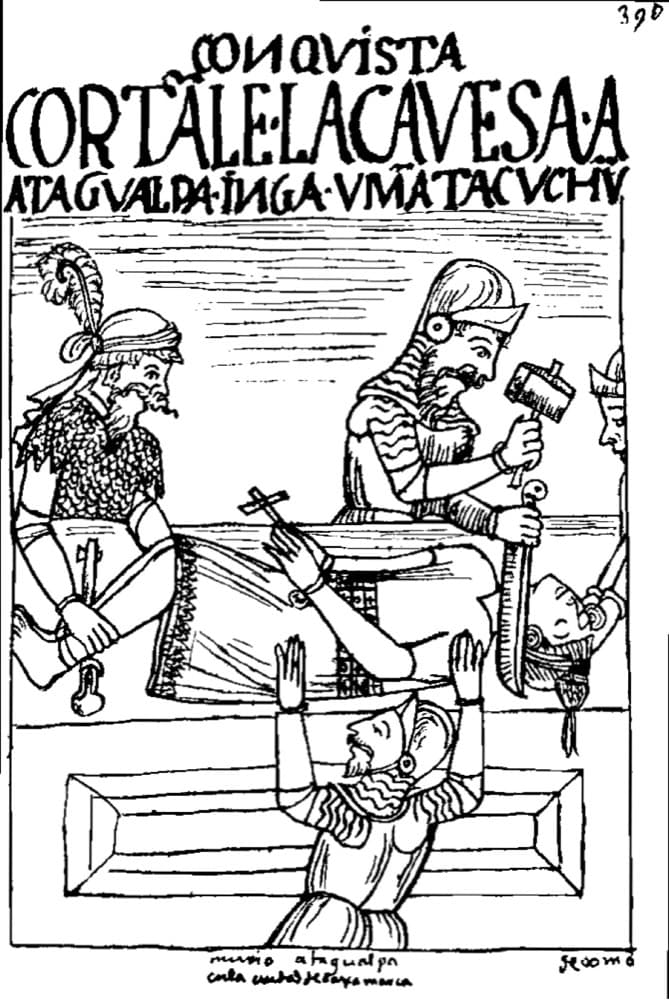 № 005
№ 005Inca
印卡里
The Beheaded Inca King Who Will Return
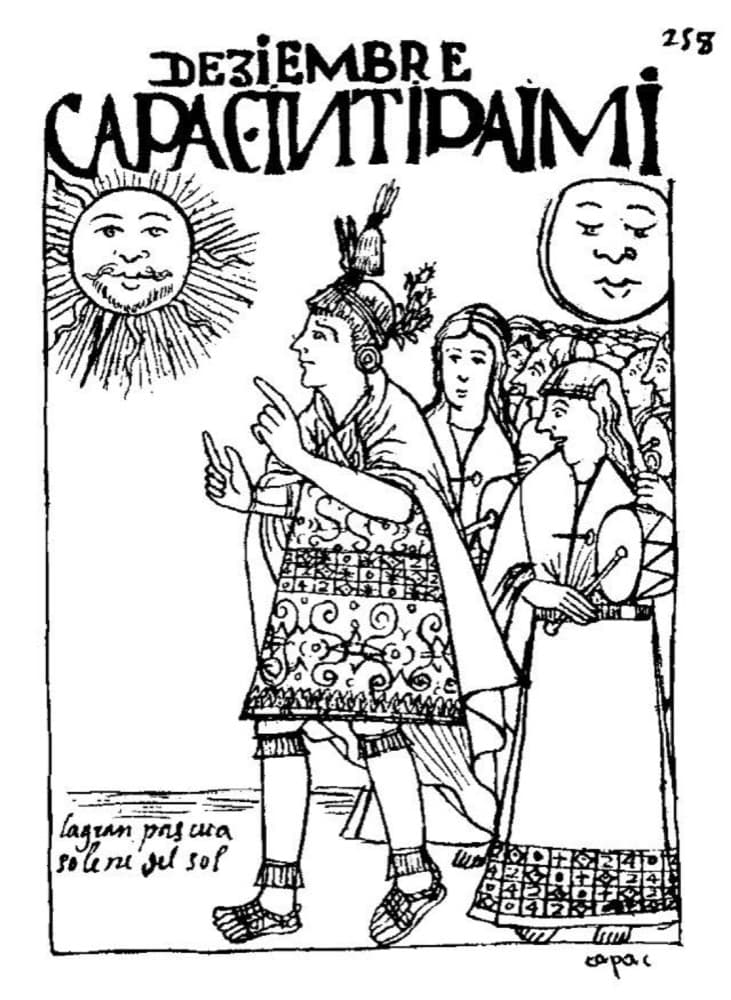 № 006
№ 006Inca
因蒂
The Sun, Ancestor of the Inca Kings
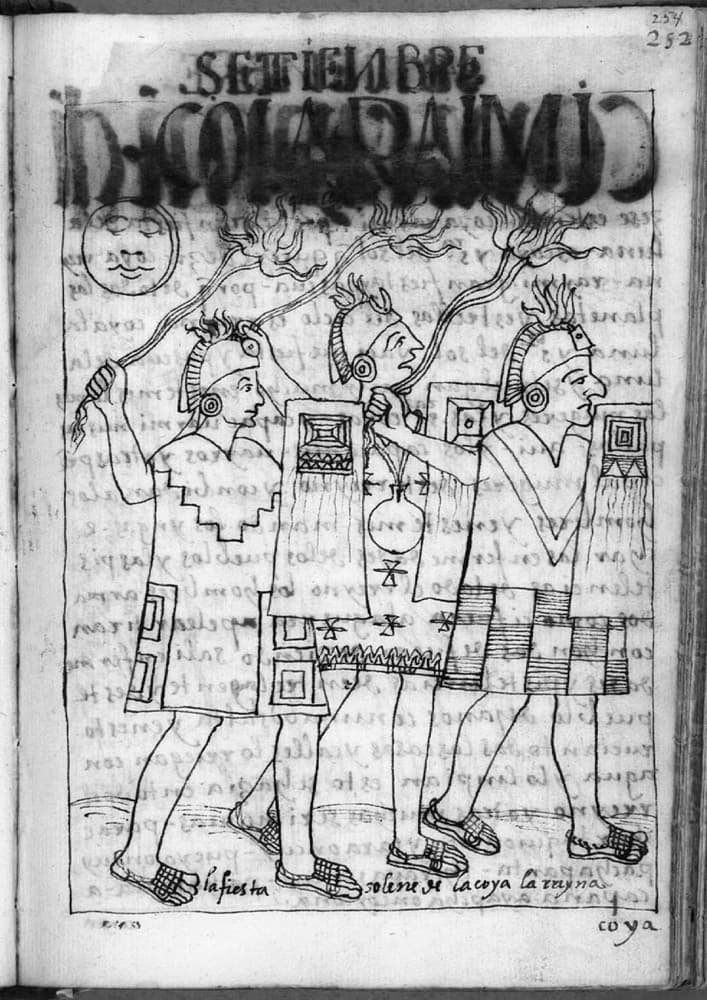 № 007
№ 007Inca
妈妈基利亚
Moon Goddess, Wife of the Sun
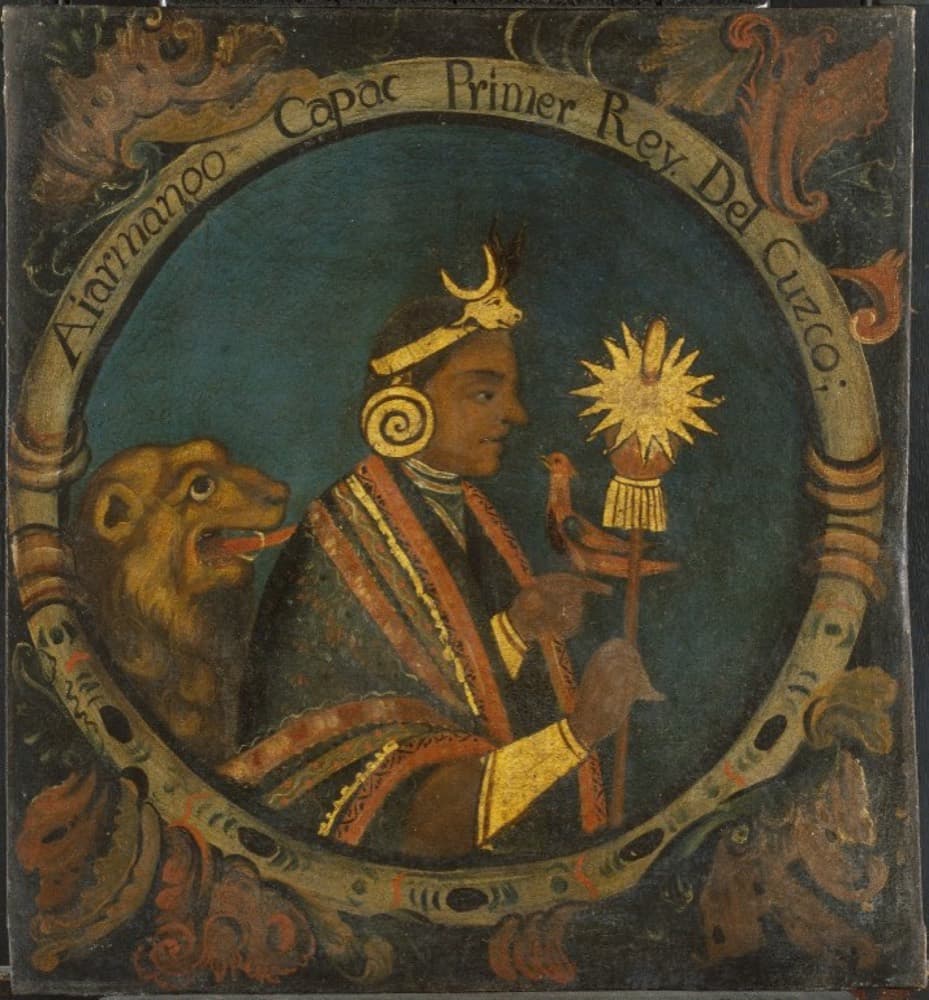 № 008
№ 008Inca
曼科·卡帕克
Founder of Cusco, First Sapa Inca
 № 009
№ 009Inca
帕查妈妈
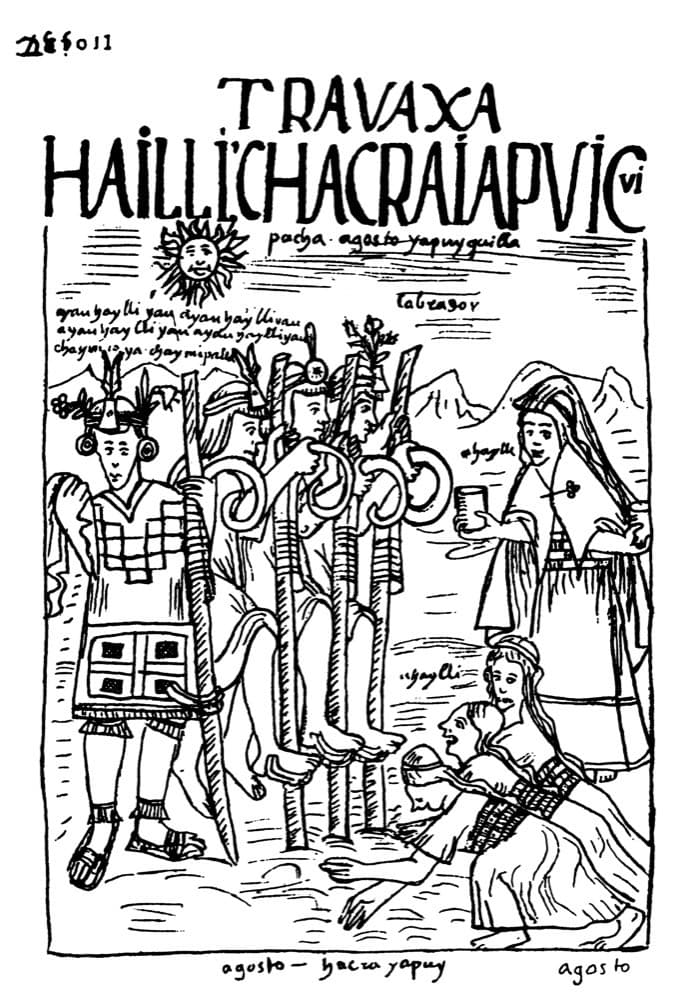
Earth Mother
 № 010
№ 010Inca
蓬乔
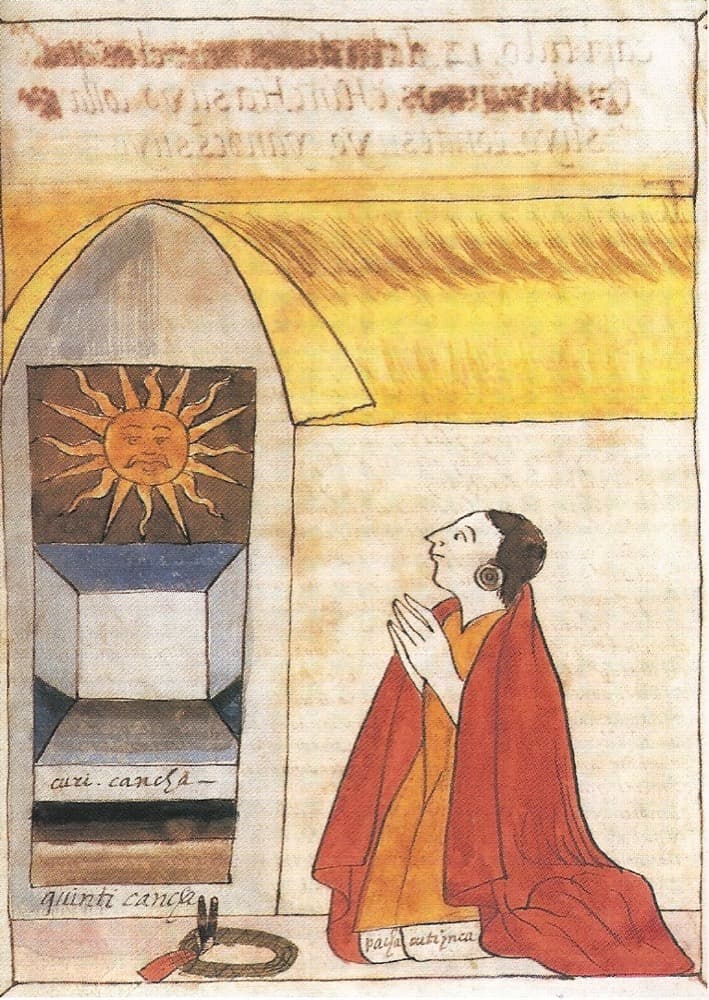
The Golden Sun Image of Coricancha
 № 011
№ 011Inca
的的喀喀湖创世传说
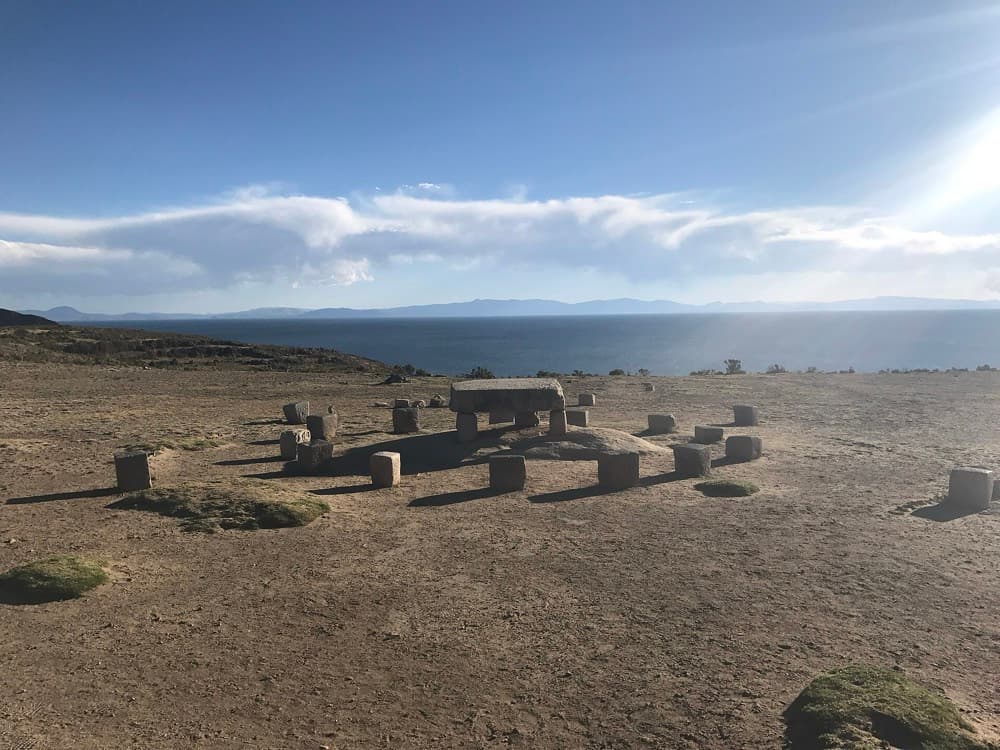
The Beginning of the Andean World
 № 012
№ 012Inca
维拉科查
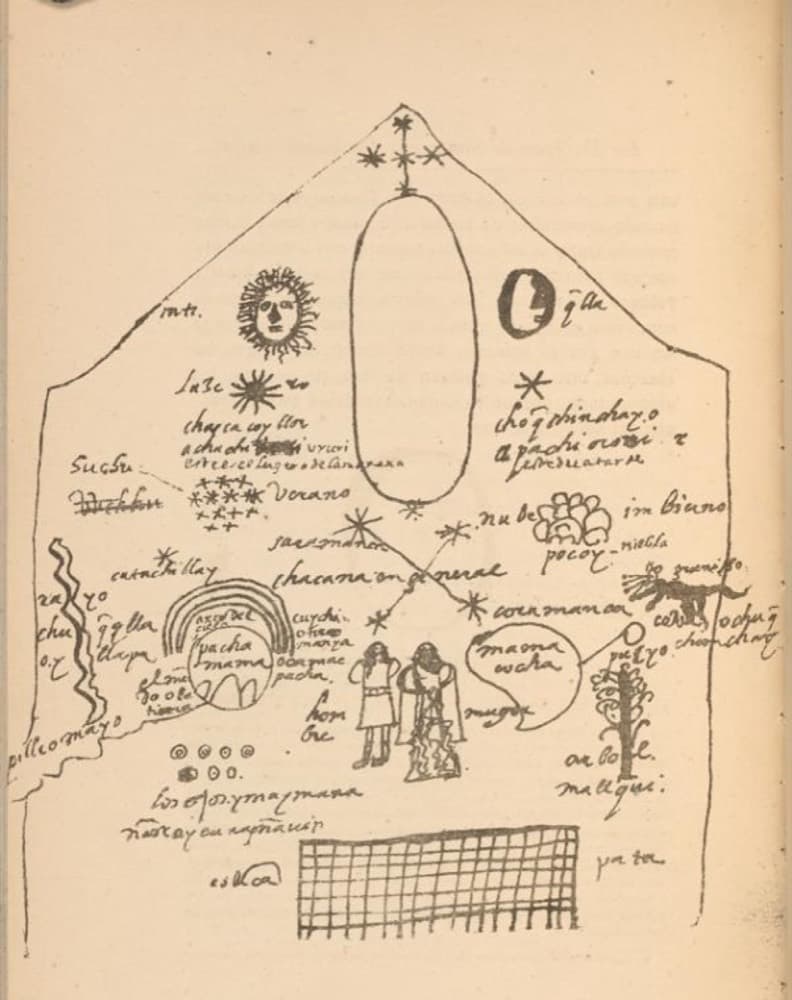
Creator and Shaper of All Things