THE STORY & ITS AFTERLIVES
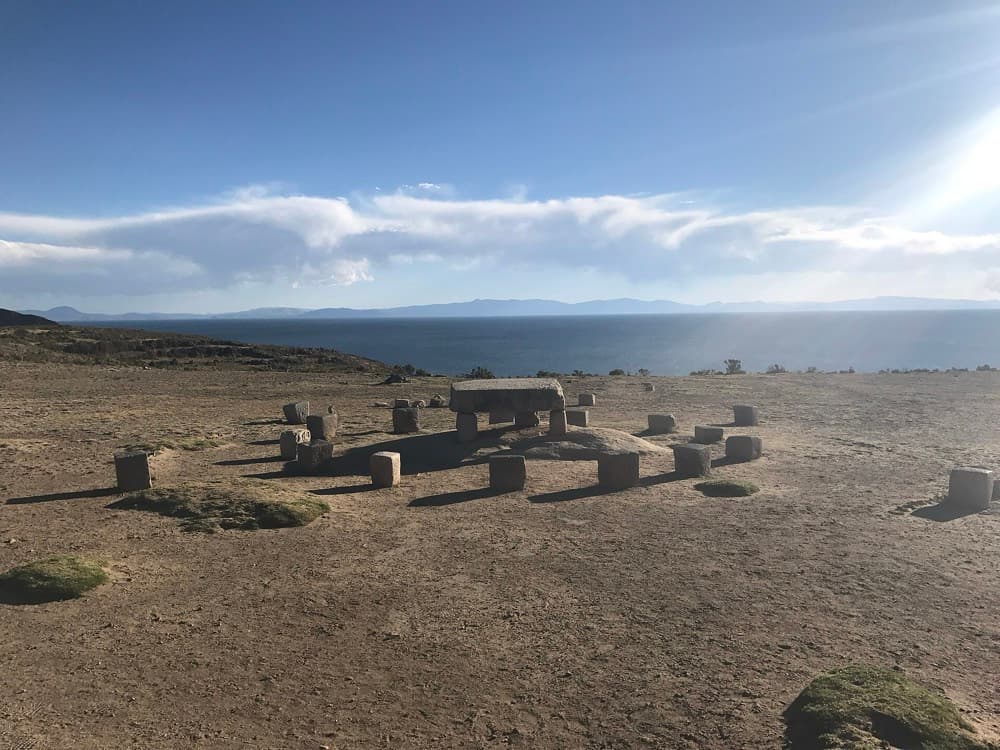
The chronicles preserve two stories of where Manco Cápac came from. In the version Garcilaso took from royal oral tradition, the sun god Inti pitied humankind and sent down his son Manco Cápac and daughter Mama Ocllo at Lake Titicaca, giving them a golden rod and bidding them travel north until it sank into the earth at a single thrust: there they were to found a city. At the hill of Huanacauri in the valley of Cusco the rod vanished into the ground. The pair gathered the people of the region, Manco teaching the men to farm and Mama Ocllo teaching the women to weave, and Cusco was founded.
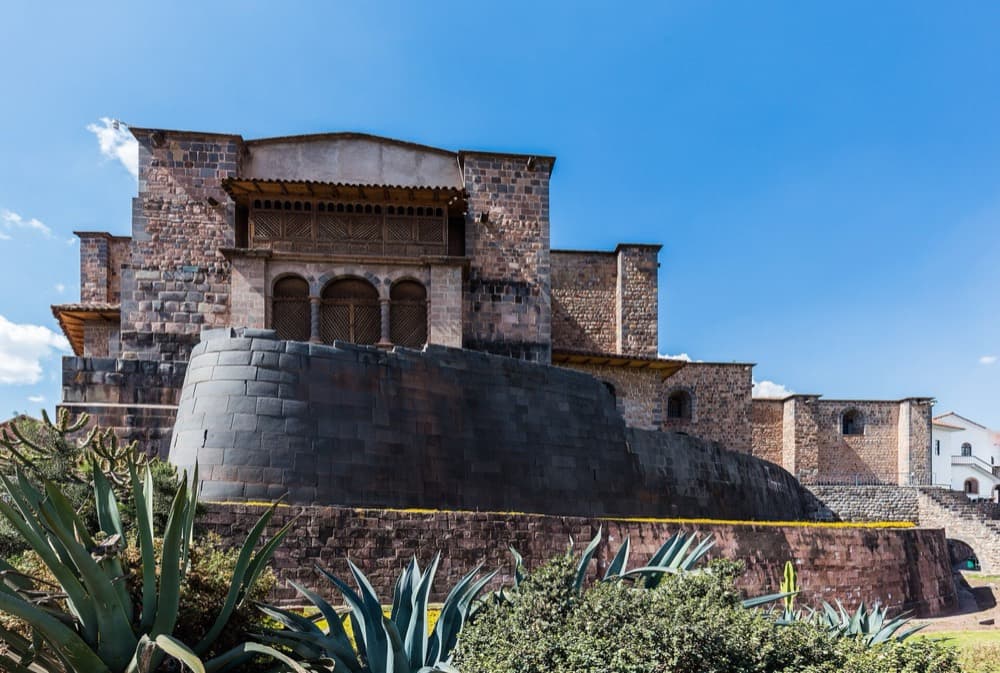
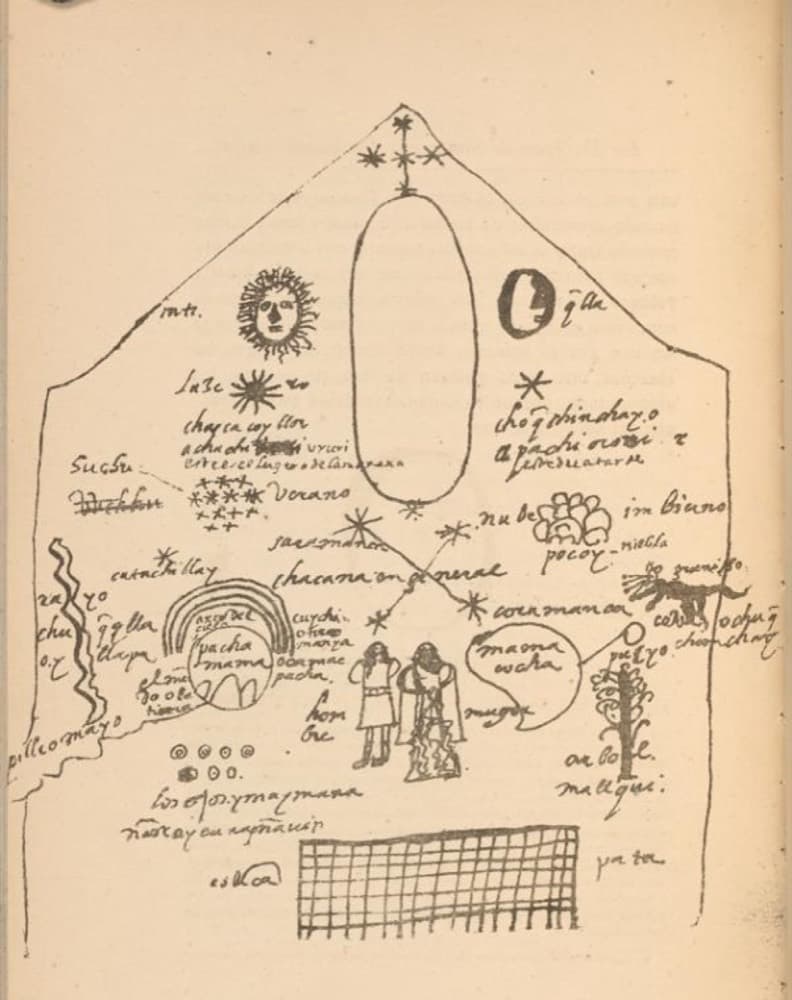
Betanzos and Sarmiento record a different beginning at Pacaritambo, south of Cusco, where the mountain Tambo Toco has three openings. From the middle window came four brothers and four sisters: Ayar Manco, Ayar Cachi, Ayar Uchu and Ayar Auca with their sister-wives. On the journey Ayar Cachi proved so strong that a stone from his sling could level a hilltop; his uneasy brothers sent him back into the cave on a pretext and sealed the mouth behind him. Ayar Uchu turned to stone on the summit of Huanacauri and became a venerated huaca; Ayar Auca flew ahead and became a stone marker on the site of Cusco. Ayar Manco alone arrived to found the city as Manco Cápac, raising the Inticancha, the dwelling of the Sun that preceded the Coricancha.
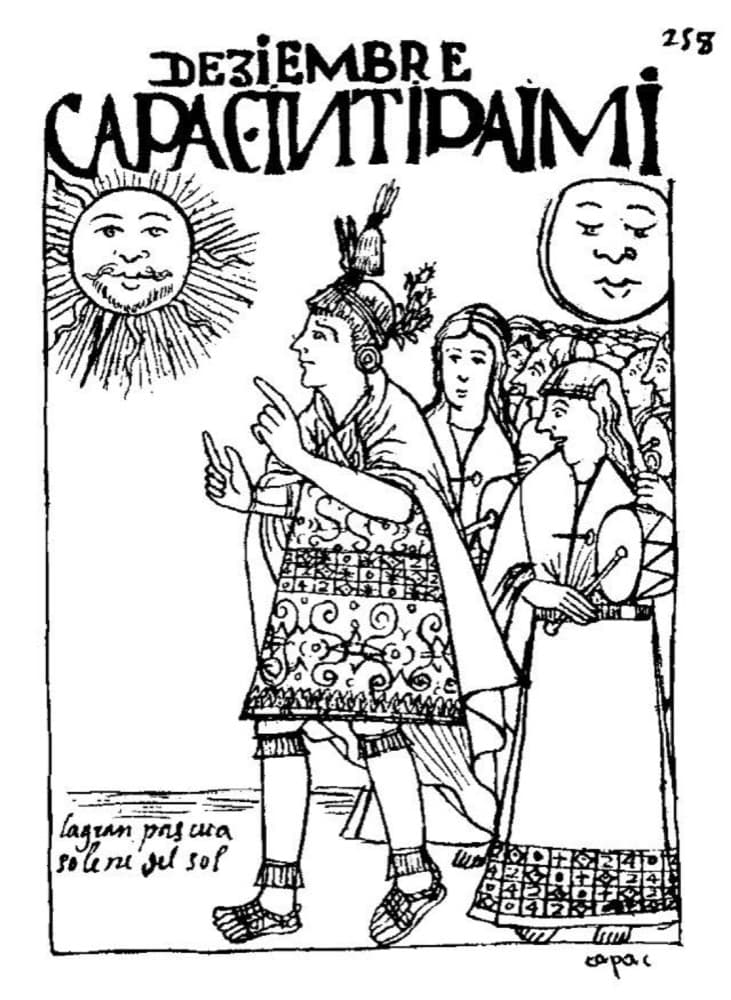
Historians treat him as legendary; reckoned by the king-list, his era falls around the thirteenth century. Every later Inca traced his line back to him, and the indigenous chronicler Guaman Poma drew his portrait in the Nueva corónica: the royal fringe on his brow, a scepter in his hand.