 № 001
№ 001Celtic
Aengus
Ancient
安格斯
The Ever-Young God of the Boyne
Divine lineages · 03
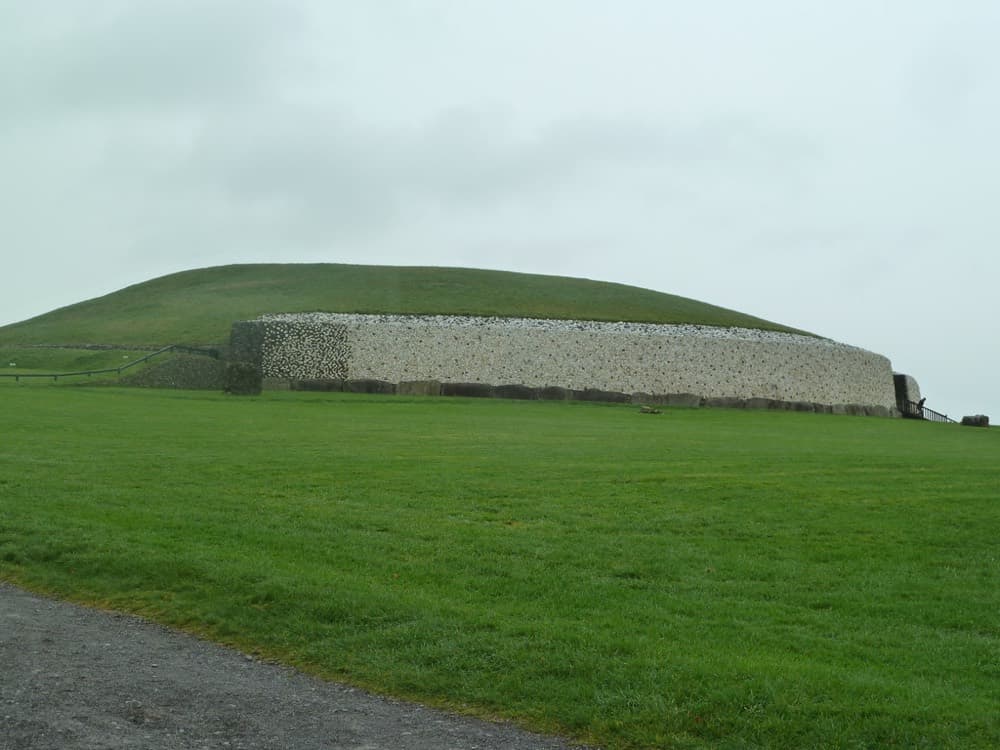
Celtic mythology, as it survives, is above all the mythology of the Gaelic world of Ireland and Britain. Its roots lie in Iron Age oral religion, but the druids committed nothing to writing, and nearly everything we read today was set down between the seventh and twelfth centuries by Christian monks in Irish monasteries, in manuscripts such as the Book of the Dun Cow, the Book of Leinster and the Book of Invasions. The scribes recast the old gods as ancient settlers and heroes: in the Book of Invasions the Tuatha De Danann arrive as Ireland's fifth wave of conquerors, defeat the Fomorians from the sea, lose the island to the mortal sons of Mil, and withdraw beneath the prehistoric burial mounds, where folk belief kept them alive as the aos si, the fairy folk.
Scholars sort the Irish material into four cycles: the Mythological Cycle of the gods and the battles of Mag Tuired; the Ulster Cycle, hot-blooded and heroic, centred on Cu Chulainn and the epic Tain Bo Cuailnge; the Fenian Cycle of Fionn mac Cumhaill and his roving war-band, tuned to woodland, hunting and elegy; and the Cycles of the Kings. The Welsh Mabinogi preserves a British branch of the same inheritance. There is no Olympian tidiness here: gods can be wounded, beaten and bargained with, and the Otherworld lies not above the clouds but under the next mound, beneath the lake, behind the mist at the edge of the western sea, its doors standing open at Samhain.
Beyond the medieval texts the Celtic imagination stayed alive at ground level, in the keening banshee, the kelpie in the ford, the selkie shedding her skin, the leprechaun and his crock of gold, figures still breathing in two centuries of folklore collection. The Celtic Revival of the late nineteenth century, through Yeats and Lady Gregory, carried this material into modern literature, where it colours Ireland's national imagination and feeds much of modern fantasy.
Opening the origin story…
№ 001Celtic
安格斯
The Ever-Young God of the Boyne
 № 002
№ 002Celtic
巴罗尔
Fomorian Champion of the Destructive Eye
 № 003
№ 003Celtic
班西
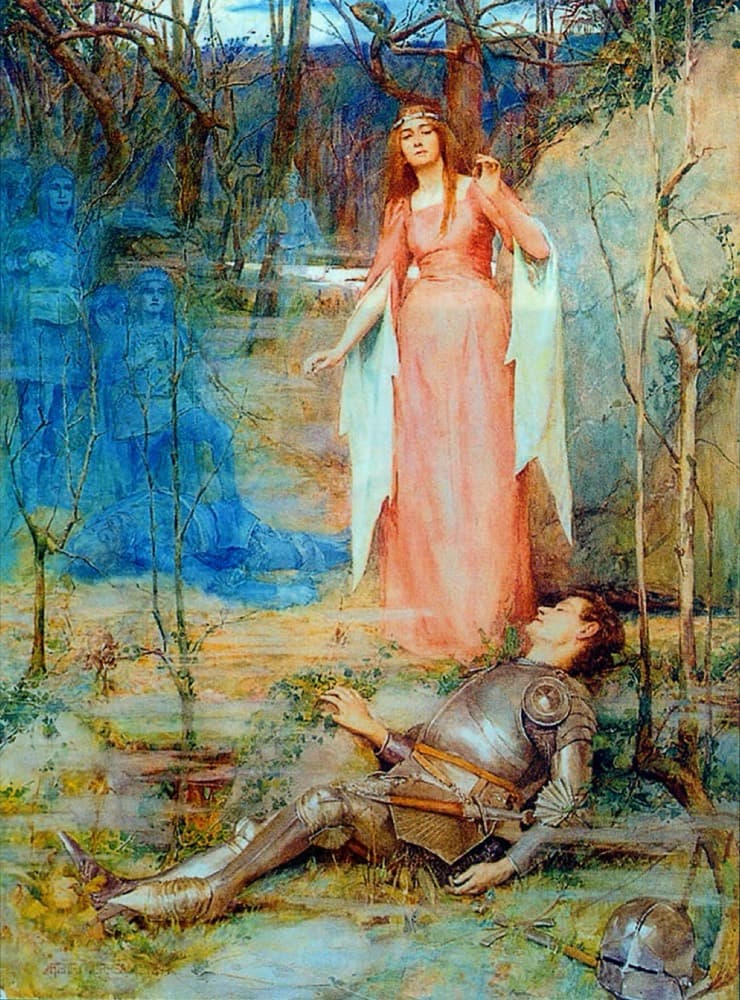
The wailing woman of the fairy mounds
 № 004
№ 004Celtic
布丽吉德
Threefold goddess of poetry, smithcraft and healing
 № 005
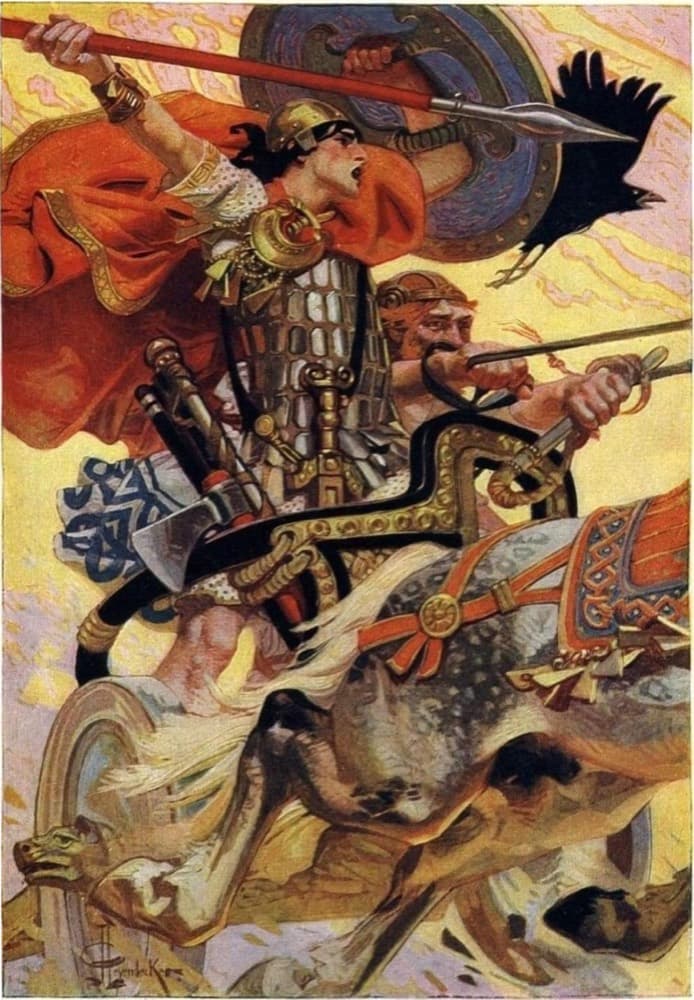
№ 005Celtic
库丘林
The Hound of Ulster
 № 006
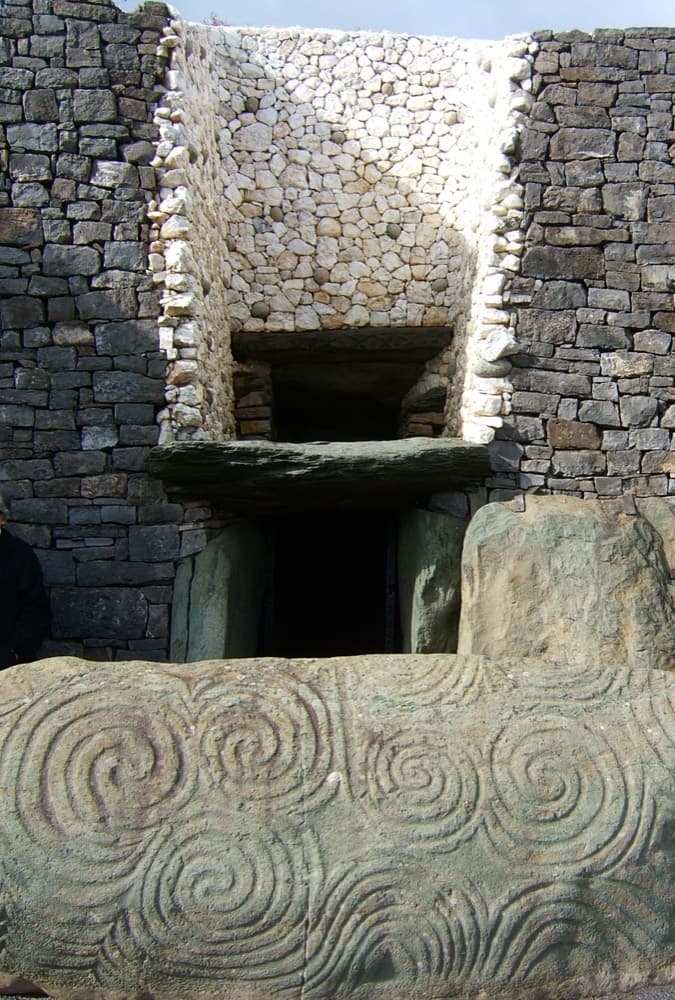
№ 006Celtic
达格达
Father-figure and all-skilled chief of the Tuatha Dé Danann
 № 007
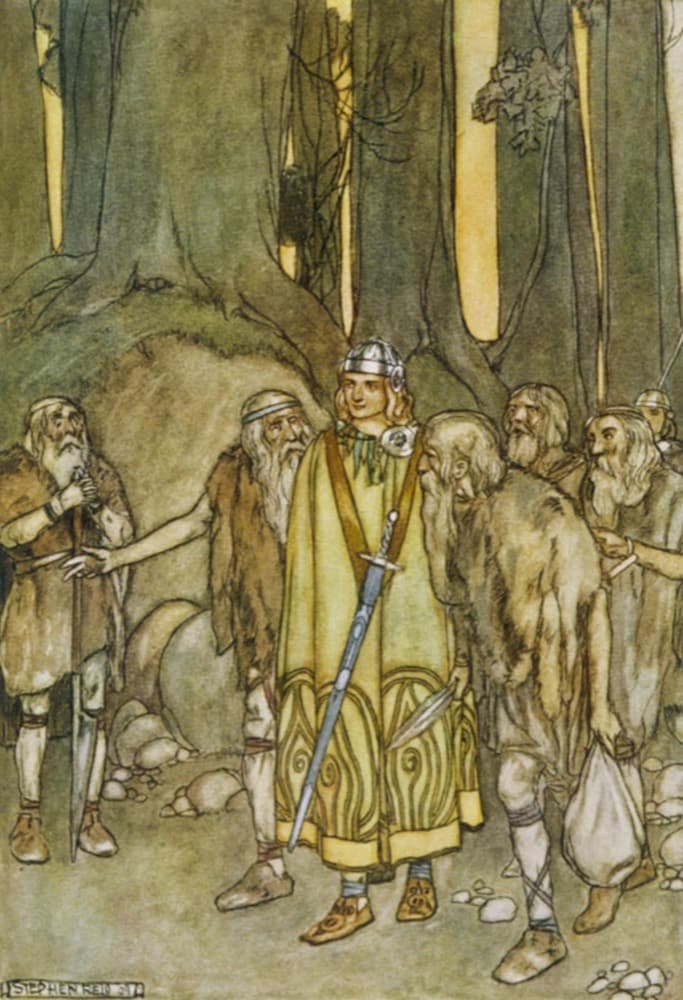
№ 007Celtic
芬恩·麦克库尔
Captain of the Fianna
 № 008
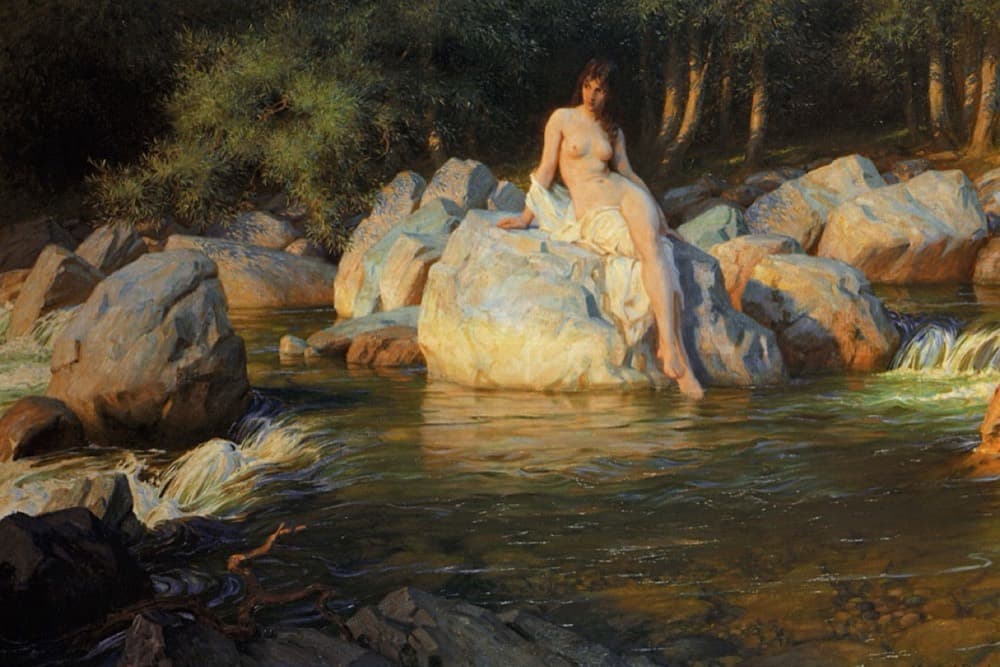
№ 008Celtic
凯尔派
The man-eating water horse of Scotland
 № 009
№ 009Celtic
矮妖
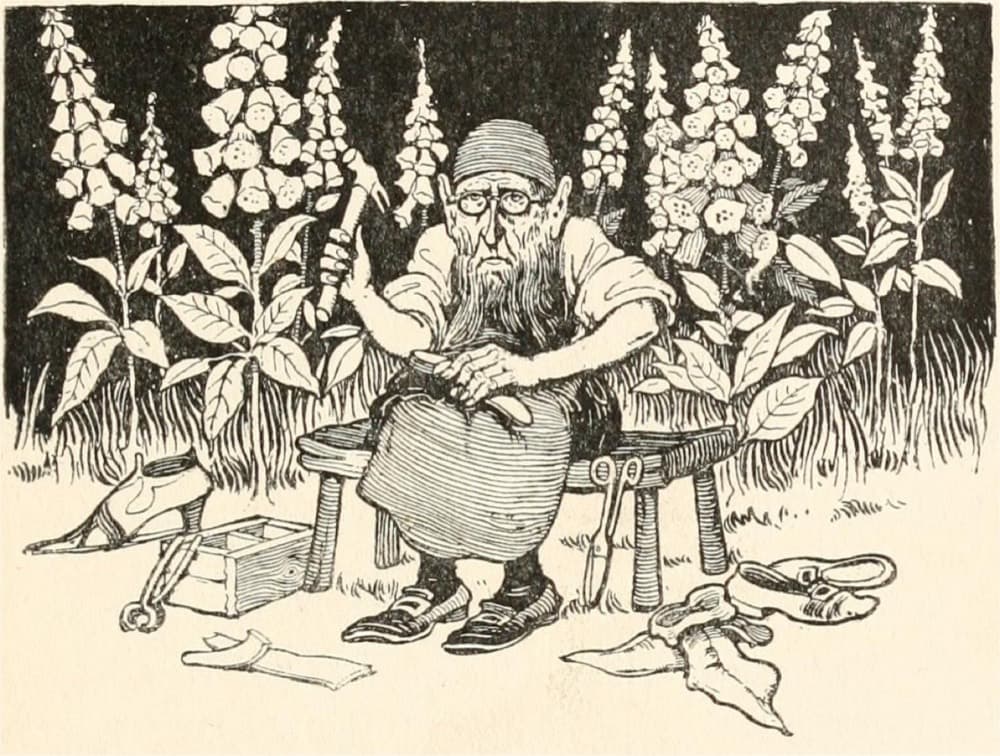
The solitary fairy shoemaker with a hidden hoard
 № 010
№ 010Celtic
鲁格
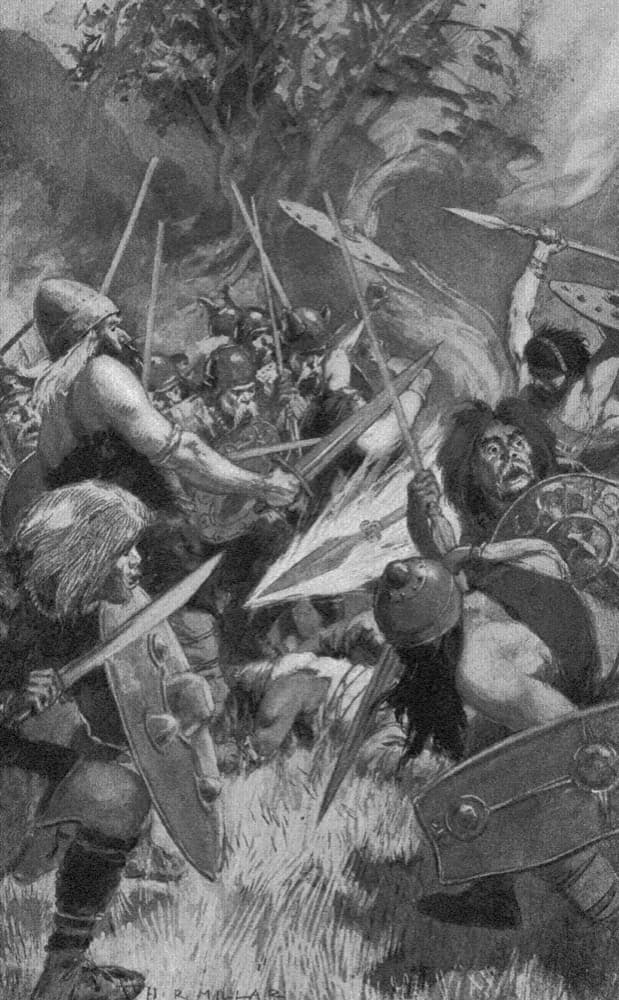
The long-armed master of every art
 № 011
№ 011Celtic
梅芙
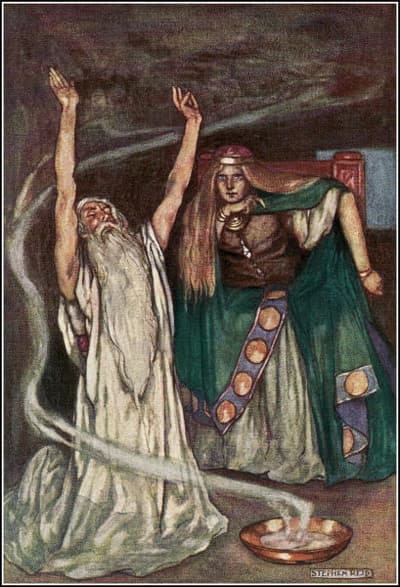
Queen of Connacht Who Went to War for a Bull
 № 012
№ 012Celtic
摩莉甘
Great queen of war and fate
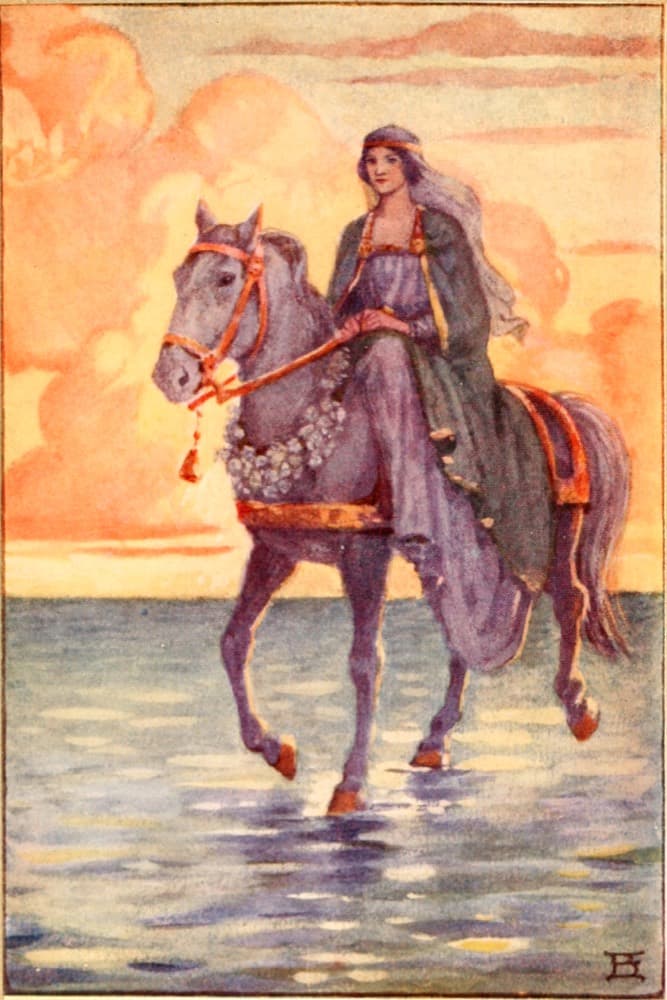 № 013
№ 013Celtic
奥辛
The Last Poet to Return from the Land of Youth
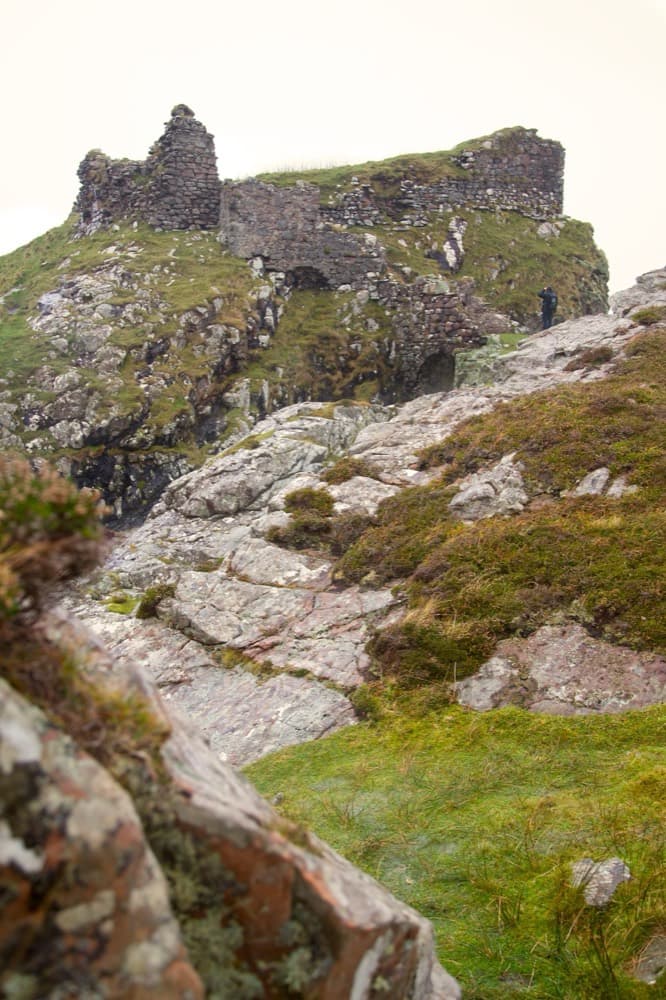 № 014
№ 014Celtic
斯卡塔赫
Warrior Teacher in the Land of Shadows
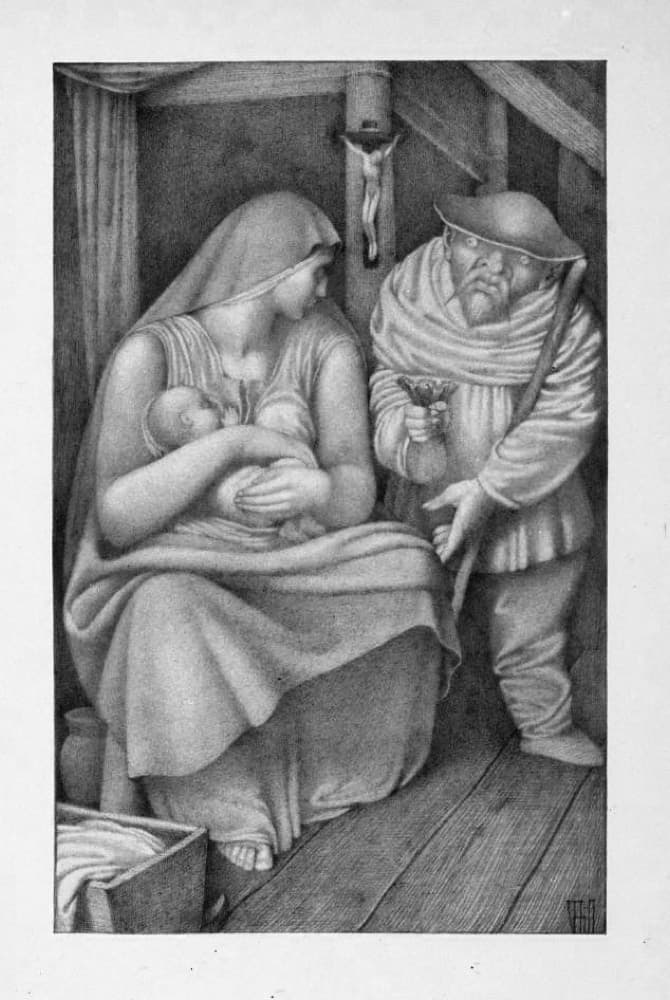 № 015
№ 015Celtic
塞尔基
The seal-folk who shed their skins
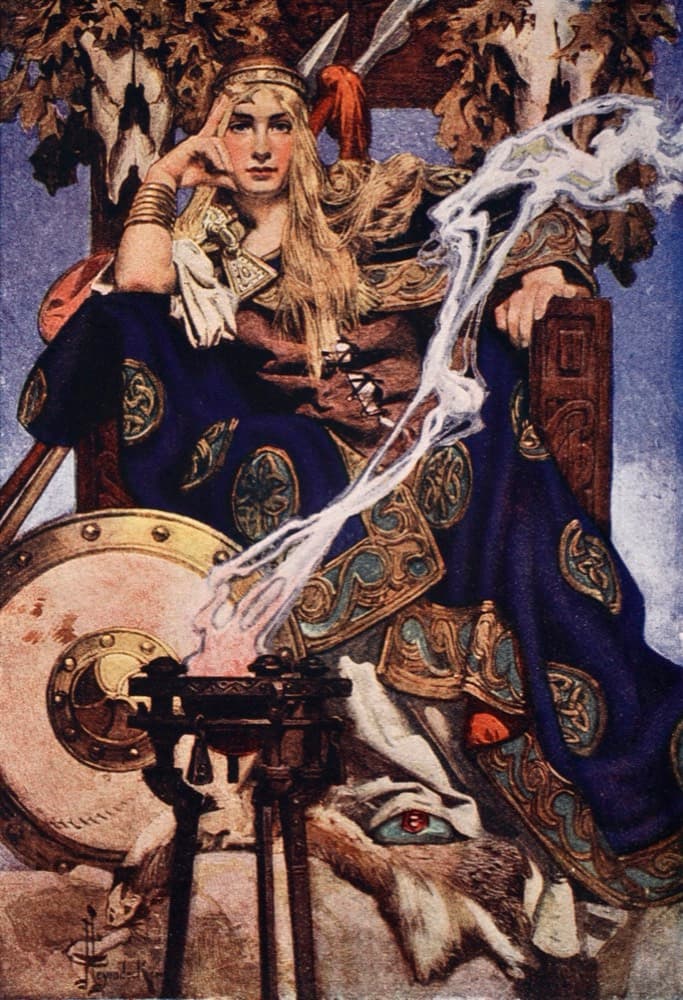 № 016
№ 016Celtic
夺牛记
The central epic of the Ulster Cycle
 № 017
№ 017Celtic
提尔纳诺
The Land of Youth beyond the western sea