THE STORY & ITS AFTERLIVES
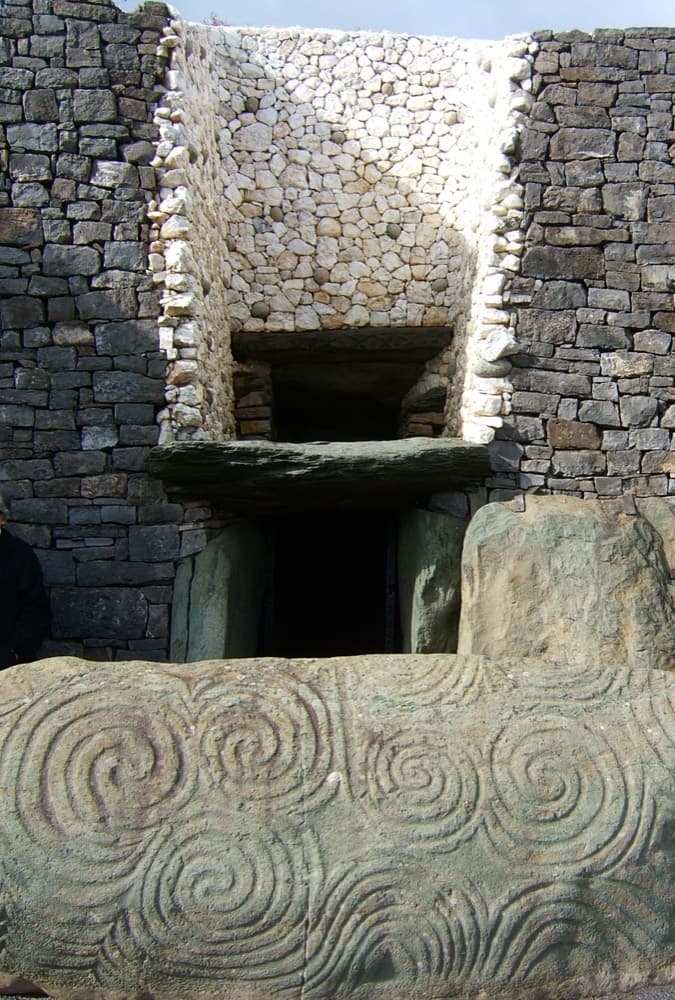
Aengus is the son of the Dagda and Boann, goddess of the River Boyne. His Old Irish name, Óengus mac ind Óc, makes him the son of the Young One, and later tradition calls him Aengus Óg. To conceal Boann's pregnancy from her husband Elcmar, the Dagda holds the sun still so that conception and birth seem to pass within a single day. The child is fostered by Midir. When grown, Aengus wins the Brug on the Boyne through a riddle of tenure: he asks to live there for “a day and a night,” then claims that all time is composed of days and nights. The Brug is commonly identified with the great passage tomb of Newgrange.
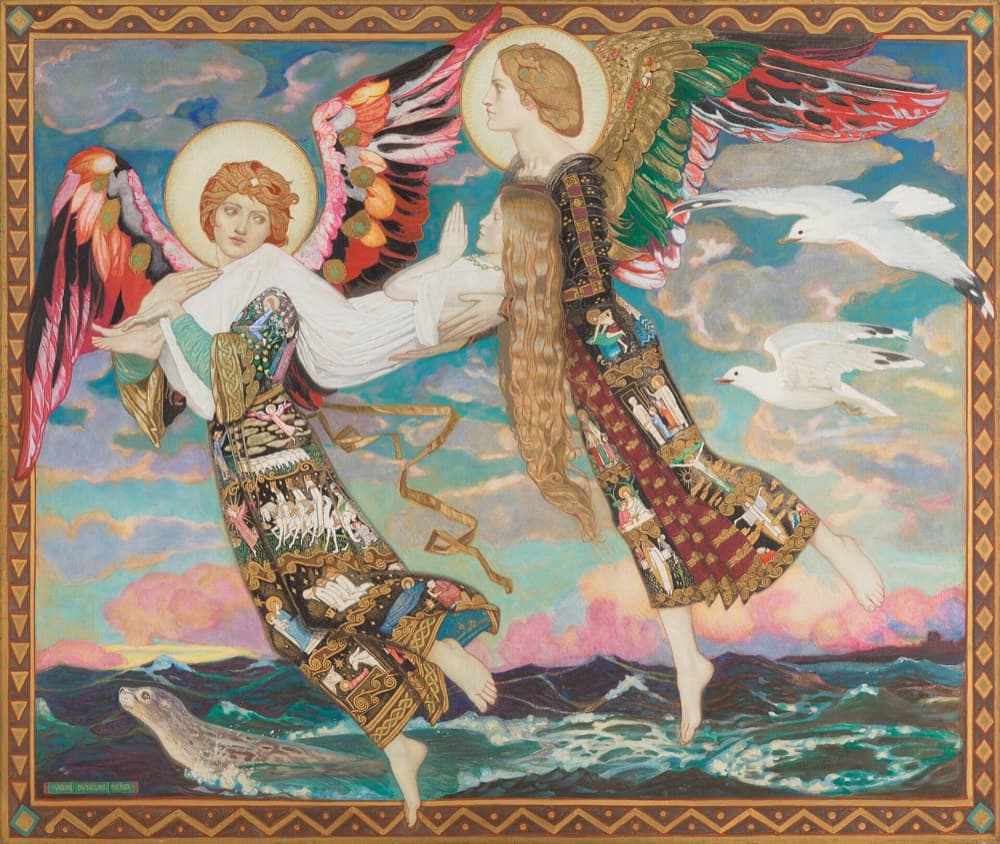
The Dream of Aengus begins with a woman who visits his sleep and vanishes each morning. Longing makes him ill, and a year of searching finally reveals Caer Ibormeith at Loch Bel Dracon. She stands among 150 maidens joined by silver chains, changing between human and swan form on alternate years. At Samhain, Aengus recognises her and becomes a swan himself. The two white birds circle the lake three times and sing a song that puts its hearers to sleep for three days and nights before flying together to the Brug.
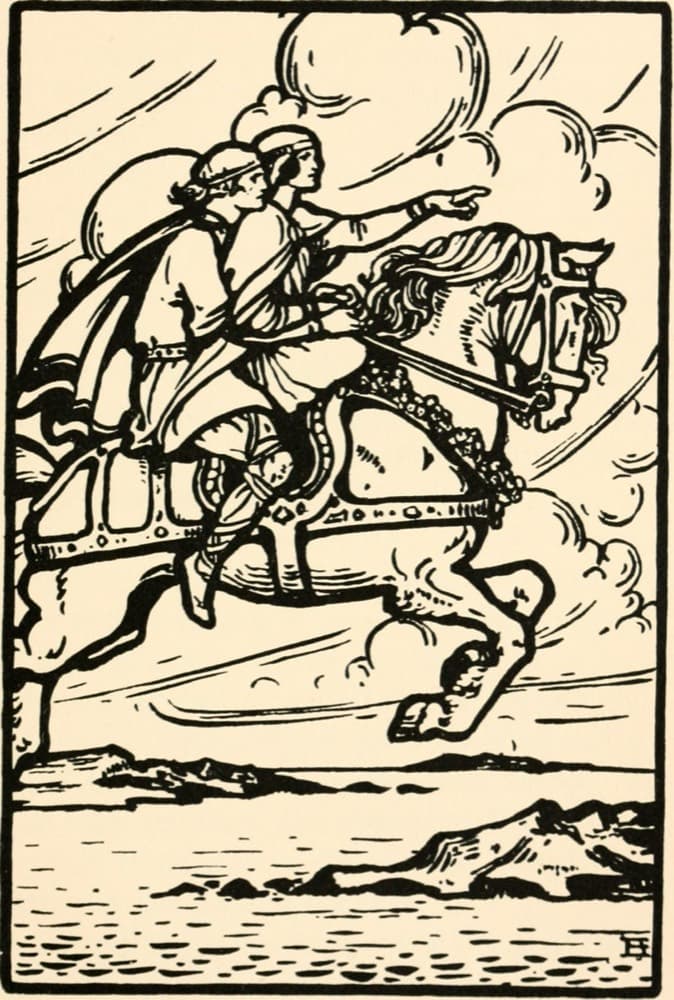
In The Wooing of Etain, Aengus also appears as protector and worker of enchantments, sheltering Etain after she has been transformed and driven through the air. The medieval figure is more intricate than the modern label “god of love” suggests: youth, desire, dreams, poetry, and tricks played upon time all gather around him. His otherworldly house is anchored in a monument of stone beside the Boyne that was already ancient when the stories were written.