THE STORY & ITS AFTERLIVES
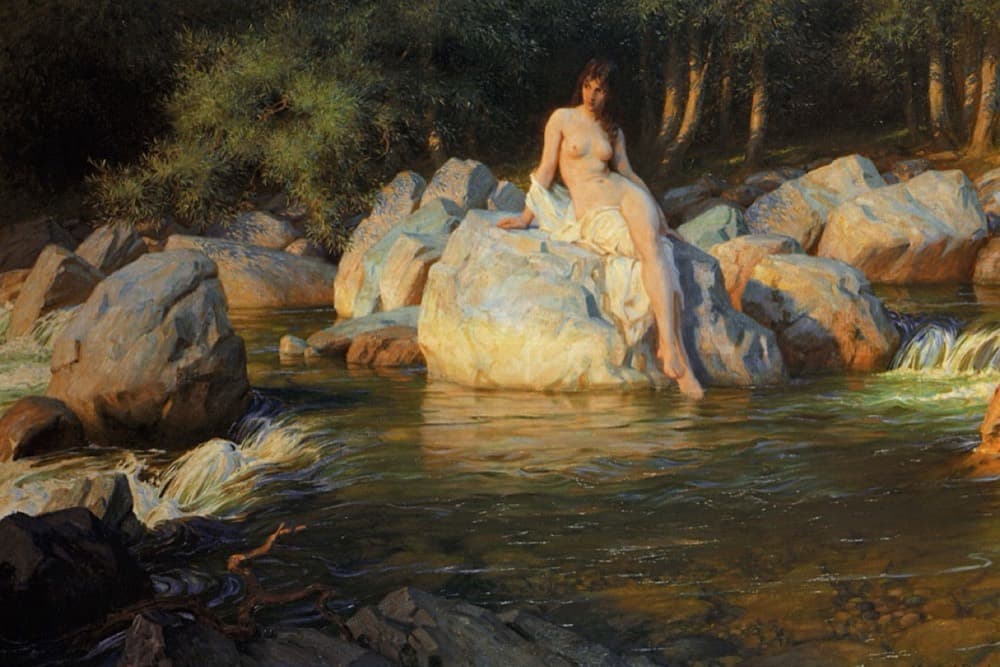
Selkies are the seal-folk of Orkney and Shetland: grey seals in the water, and once ashore, when the skin is laid aside, men and women of unusual beauty. The skin is the whole of the magic; a selkie who loses it cannot go back. The best-known story type follows from that: a fisherman spies the selkie women dancing on a moonlit beach, steals one skin, and its owner must follow him home as his wife. She keeps his house and bears his children with her eyes always on the water, until, years later, a child mentions the strange old skin found in the loft, and she is gone with the tide, seen afterwards only as a seal watching the shore. It is the swan-maiden tale of world folklore, given a salt northern shape.
Male selkies swim the other way, coming ashore to court fishermen's wives who are unhappy in their marriages; a woman who would summon her lover must shed seven tears into the sea at high tide. The lonely rock of Sule Skerry, west of Orkney, is the setting of the ballad 'The Great Silkie of Sule Skerry', number 113 in Child's collection, in which the selkie foretells that the woman's mortal husband will shoot both him and the son he takes to sea, and the song offers no consolation. In the late nineteenth century the Orcadian antiquarian Walter Traill Dennison wrote down the islands' seal-folk traditions at length, and his papers remain the base material of selkie lore.
The skin-wife story has anchored several films, among them The Secret of Roan Inish (1994) and the animated Song of the Sea (2014).