Divine lineages · 19

Polynesian Mythology

Mythic realm
Pacific Islands
Age remembered
oral traditions spread by voyagers
Names preserved
12

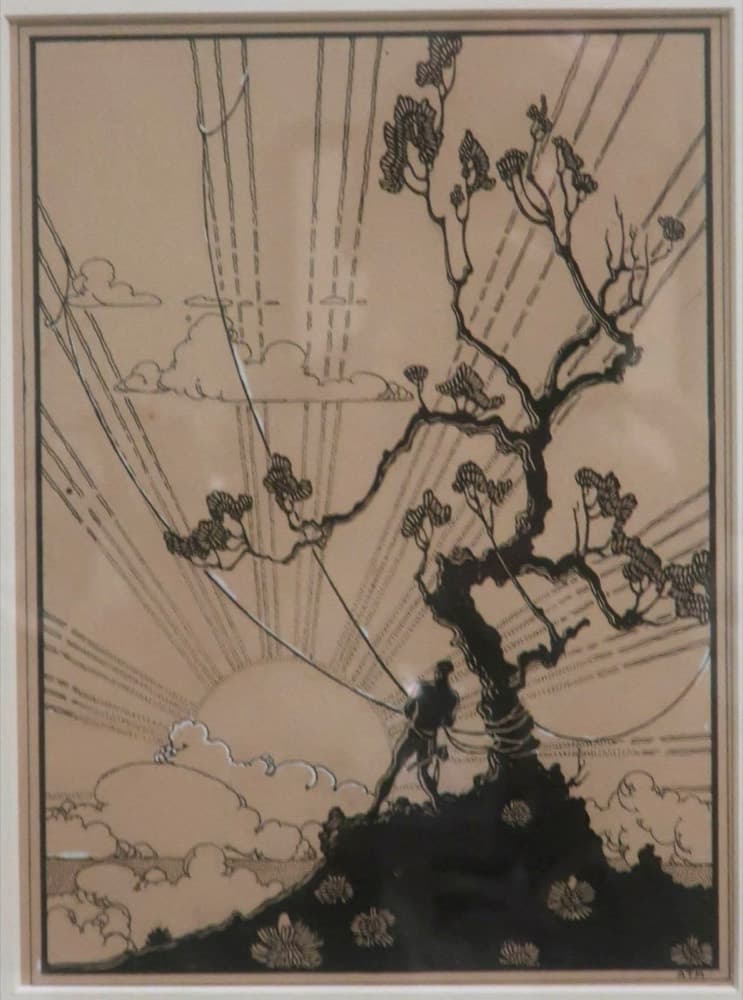
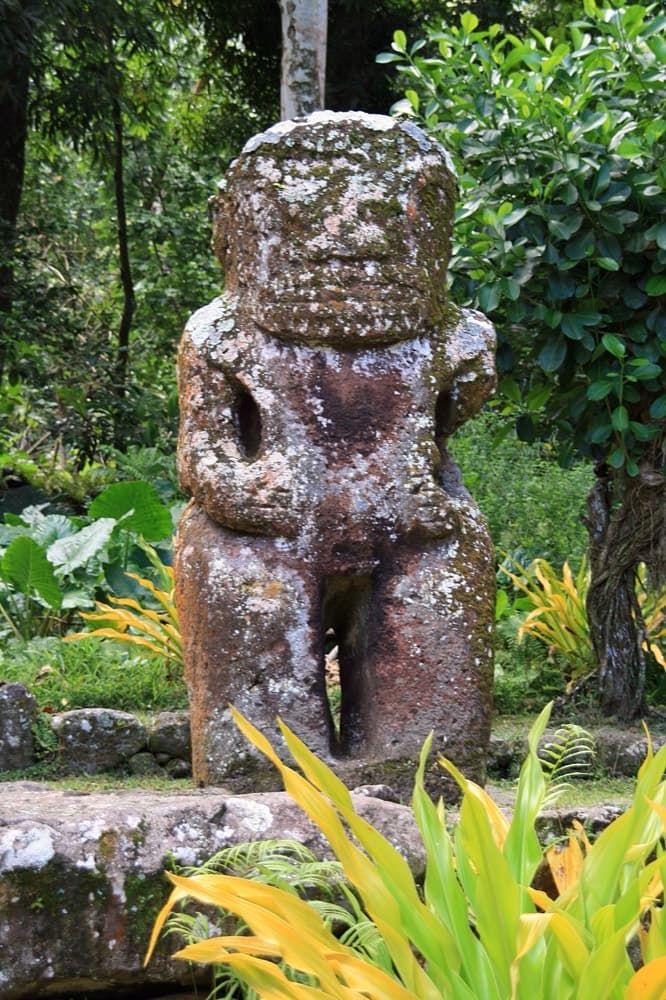
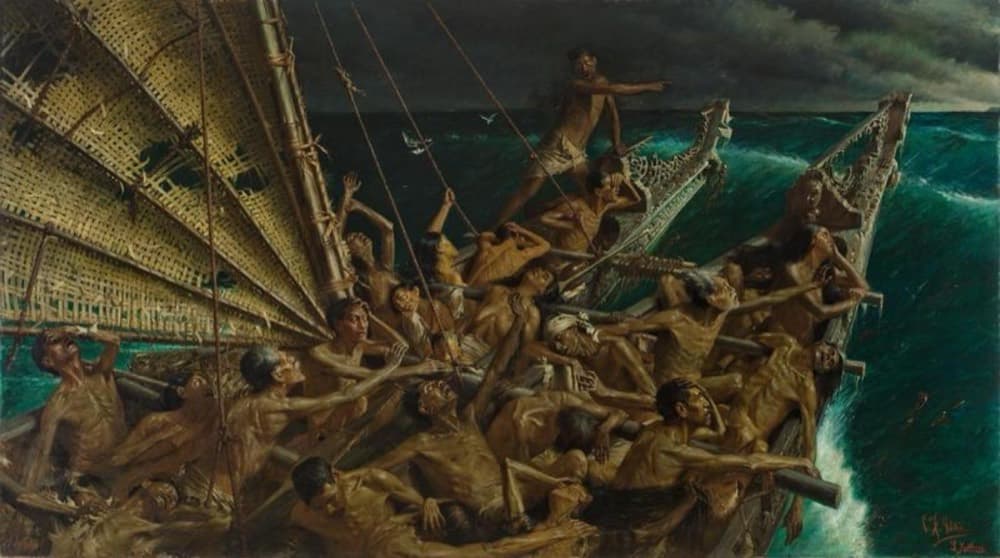
Polynesian mythology is spread across the largest expanse of water on earth, a triangle cornered by Hawaii, Rapa Nui and Aotearoa New Zealand, with Tahiti, Samoa, Tonga, the Marquesas and the Cook Islands scattered between. Voyagers steering double-hulled canoes by stars and swells carried one set of divine names in every direction, and the same god grew a different shape on each archipelago: Tangaroa is the sea god in New Zealand and, as Taaroa, the shell-cracking creator in Tahiti; Maui fished up islands and snared the sun wherever the canoes landed. Gods and people share a single genealogy — a chief's line could be recited generation by generation back to the sky father and earth mother, and the recitation was itself a rite.

The tradition produced no ancient native texts; it lived in chant, genealogy and the priestly schools until the great transcriptions of the nineteenth century. George Grey's Polynesian Mythology (1855) preserves the creation cycle and the Maui saga from the pen of the Maori scholar Te Rangikaheke; the Hawaiian creation chant Kumulipo, over two thousand lines long, was printed by King Kalakaua in 1889 and translated by Queen Liliuokalani in 1897; Teuira Henry's Ancient Tahiti (1928) assembled the chants and rituals collected by the missionary John Orsmond; David Malo, Abraham Fornander and Martha Beckwith did the same for Hawaii. Two ideas govern the whole world: mana, the potency that flows through persons and things, and tapu, the sacred prohibition — together they framed temples, chiefs, fishing grounds and any tree about to be felled.

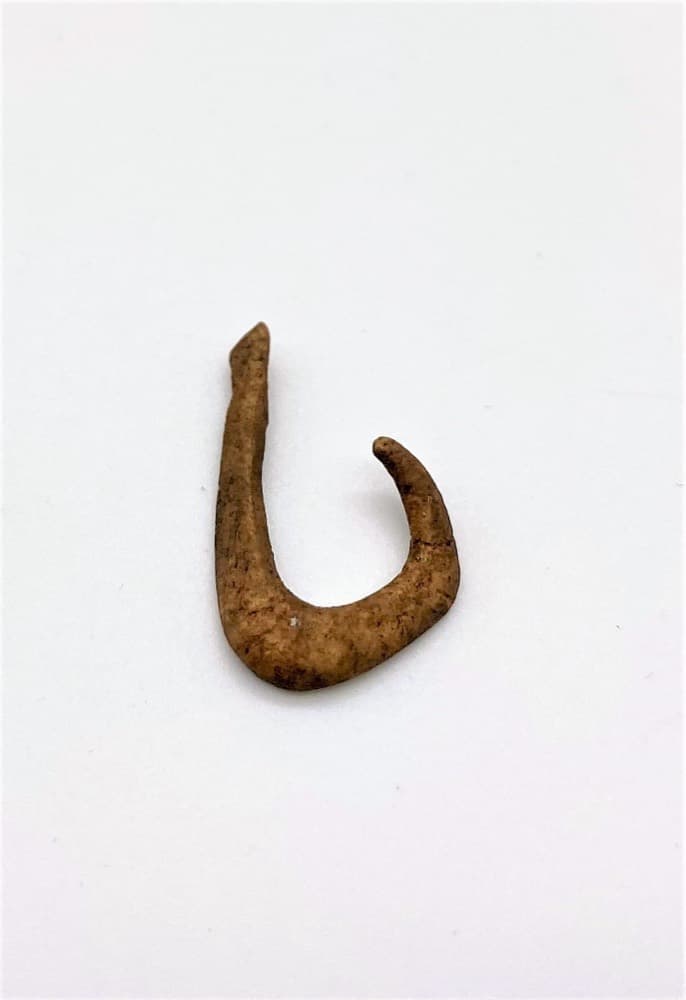
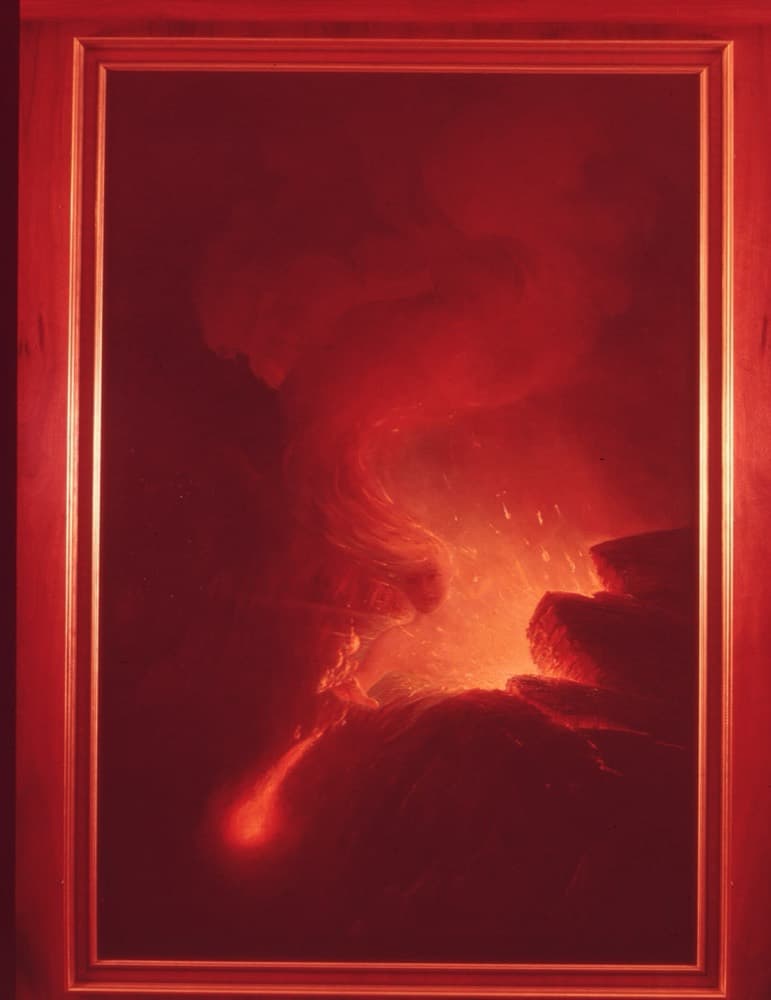
Its temper is a navigator's. The world is something fished from the sea or chiselled out of a shell, and the ancestral homeland Hawaiki lies both on the route the canoes came by and on the road the dead travel back. It is also a tradition still breathing: flowers are laid for Pele at the rim of Kilauea, a New Zealand highway was rerouted around a taniwha, and the voyaging canoe Hokulea still crosses the Pacific by the hook-shaped stars of Maui.

Return by the star-path

CHRONICLE OF ORIGINS · A LIVING SCROLL

Polynesian Mythology

Pacific Islands08 STAGESENTER THE MYTHIC LINEAGE ↗

The Formless Deep1 / 8

Te Kore, the void

The nothing, then the long tally of nights

The opening comes in the form of a genealogy. The reciter begins at Te Kore, the nothing, where not even the space in which something might happen exists yet, and works forward through a chain of named nights, Te Pō in its many forms, the long night, the great night, the dark night, the night that can be felt, each night begetting the next in the way a man recites his ancestors, until the count arrives at Te Ao Mārama, the world of light. Different iwi recite the chain at different lengths and the names do not match up between them, but the direction is the same: nothing, then darkness, then light.

VARIANTS, FRAGMENTS & ANCIENT SOURCES

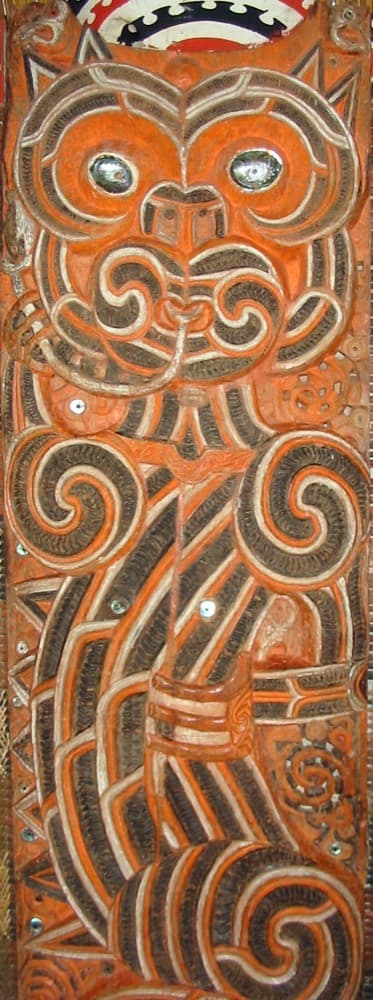
Polynesian mythology is an umbrella term covering the traditions of a great many islands. Across half the Pacific, from Hawaiʻi to Aotearoa to Rapa Nui, the languages are cognate and the god-names line up sound for sound (Tāne = Kāne, Tangaroa = Taʻaroa = Kanaloa = Tagaloa, Tū = Kū, Rongo = Lono), but the stories diverge and there is no shared canon. This timeline follows the Māori line because Māori accounts were written down at the greatest narrative length in the nineteenth century. Fullness of record is a fact about the records; it settles nothing about which tradition is older or truer.

Even within Māori tradition there is no fixed text. The version of Rangi and Papa retold worldwide comes chiefly from manuscripts written for the colonial governor George Grey by Wiremu Te Rangikāheke of Te Arawa; Grey edited and rearranged them, publishing the Māori text in 1854 and an English rendering in 1855. What circulates as 'the Māori creation myth' is therefore one man's account, from one iwi, shaped by an outsider's editing. John White's six volumes preserve tribal versions that contradict it and each other: the separator of sky and earth is not always Tāne, the number of the children varies, and accounts differ over whether the first human was Hine-ahu-one, formed by Tāne from red earth at Kurawaka, or Tiki, who is himself the first man in some traditions and the maker of the first man in others. The supreme being Io comes mainly from the teachings of Te Matorohanga published by Percy Smith in 1913–1915, and whether Io is pre-contact esoteric lore or a later synthesis shaped by missionary contact has been argued for a century. Io is not built into the main sequence here.

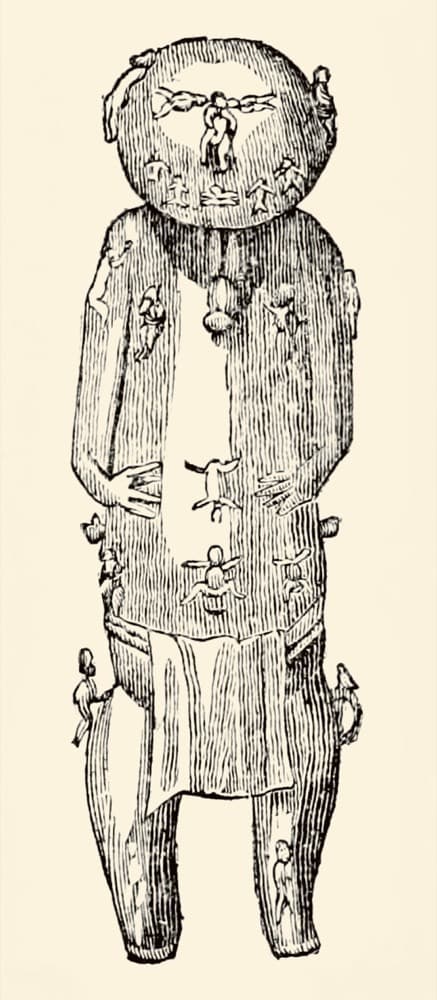
Tangaroa's rank flips from island to island. In Aotearoa he is the brother driven down into the sea by Tāwhirimātea's storms. In Tahiti, in the material Teuira Henry took from Orsmond's manuscripts, Taʻaroa sits alone inside a shell called Rumia, turning in the void. He cracks it open, lifts the shell he had been living in to be the dome of the sky, spreads the second shell out for the rock and soil of the earth, and makes the rest of the world from his own body: his feathers become the trees and creepers, his backbone a mountain range, his vitals the drifting clouds, his intestines the lobsters and shrimps and eels. In Samoa and Tonga, Tagaloa is the sky-dwelling creator. One name, creator in one archipelago and loser in another.

The Hawaiian Kumulipo takes a different road entirely. It is a genealogical chant of more than two thousand lines in sixteen wā, the first seven still in pō, the darkness, the last nine in ao, the light. No god pushes sky and earth apart in it. It counts upward from the smallest thing: the coral polyp is born first, and thereafter each sea creature is born with a land plant paired to it, the names matching as partners (the ʻekaha in the sea, the ʻekahakaha on shore), generation after generation until human beings arrive. Gods and people appear together at the dawn of the eighth wā, where Laʻilaʻi is born a woman, Kiʻi a man, Kāne a god, and Kanaloa the octopus. Kalākaua printed the Hawaiian text in 1889 and Liliʻuokalani's English translation appeared in 1897. Hawaiʻi also holds the line of Wākea, the sky, and Papahānaumoku, the earth mother who bore the islands. Their daughter is Hoʻohōkūkalani, and the first child Wākea has by that daughter is born untimely and does not live; it is buried beside the house, and from the grave grows the first taro plant, Hāloanaka. The second child is named Hāloa and is the ancestor of the Hawaiian people, which makes taro the elder sibling of humankind (Davida Malo). These are living traditions and are reported here as they are told.

One caution: nineteenth-century records from both Aotearoa and Hawaiʻi may carry the imprint of missionary contact, a question Beckwith herself raised about accounts of the making of the first humans, and one that is still open.

Drawn fromGeorge Grey, Polynesian Mythology (1855; the Māori text published in 1854 as Ko nga Mahinga a nga Tupuna Maori, drawn largely from the manuscripts of Wiremu Te Rangikāheke of Te Arawa); John White, The Ancient History of the Maori, 6 vols (1887–1890); Elsdon Best, Maori Religion and Mythology (Dominion Museum Bulletin, 1924); S. Percy Smith, ed., The Lore of the Whare-wānanga (Memoirs of the Polynesian Society, 1913–1915); Teuira Henry, Ancient Tahiti (Bishop Museum Bulletin 48, 1928, from the manuscripts of J. M. Orsmond); Martha Beckwith, Hawaiian Mythology (1940) and The Kumulipo: A Hawaiian Creation Chant (1951); Davida Malo, Hawaiian Antiquities (English translation, 1903); the Kumulipo in Hawaiian, printed by Kalākaua (1889), and Liliʻuokalani's English translation (1897)

Names within the leaves

12