THE STORY & ITS AFTERLIVES
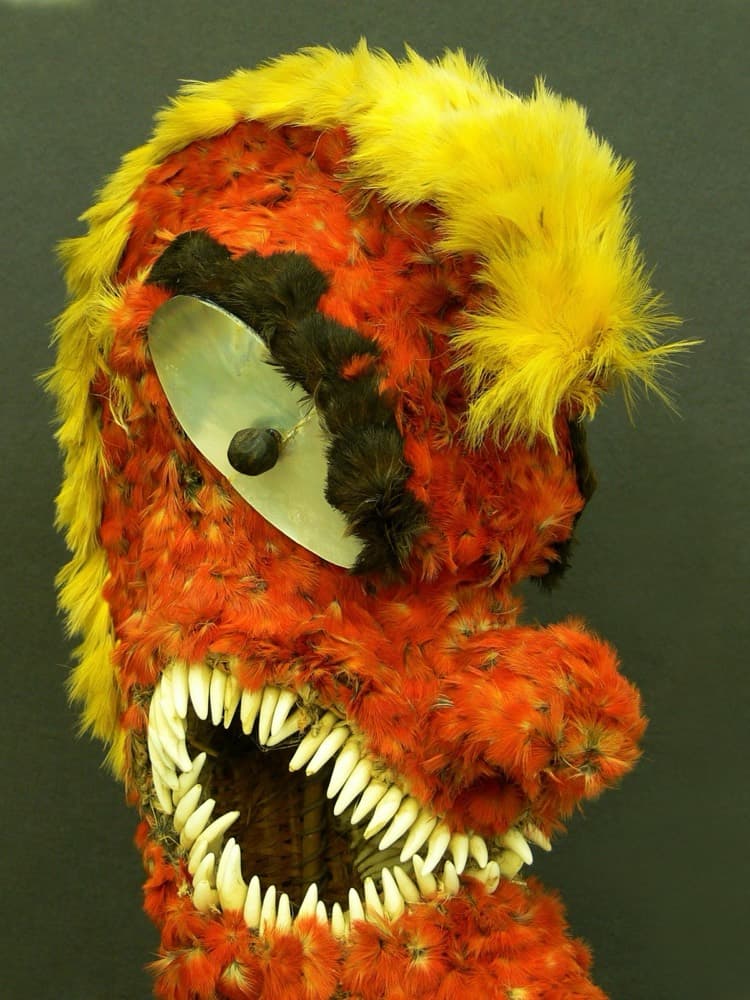
Lono stands opposite Ku: where Ku takes war and human sacrifice, Lono takes peace, rain clouds, thunder and the fruitfulness of fields. Prayers for rain and harvest were his, healers and farmers made offerings to him, and the first sweet potatoes of the season were his portion. His rites required no human victims.
Each year, when the Pleiades (Makalii) rose at sunset, Lono's festival of Makahiki began and ran some four months: war was forbidden, heavy labor ceased, and the god's standard toured each island collecting tribute — a tall pole with a crosspiece hung with white bark-cloth banners and feathers, called Lonomakua. The circuit was followed by games: boxing, wrestling, holua sled racing. In 1778-79 James Cook's ships twice reached Hawaii Island; the second visit brought them into Kealakekua Bay, a center of Lono's cult, at the height of Makahiki, and Cook's masts and sails echoed the god's pole and banners. He was received with elaborate ceremony at Hikiau Heiau. Whether Hawaiians took him for Lono himself became a famous anthropological controversy in the late twentieth century, between Marshall Sahlins and Gananath Obeyesekere, and remains unsettled; what is documented is that Cook was killed in a skirmish on the bay's shore on February 14, 1779.
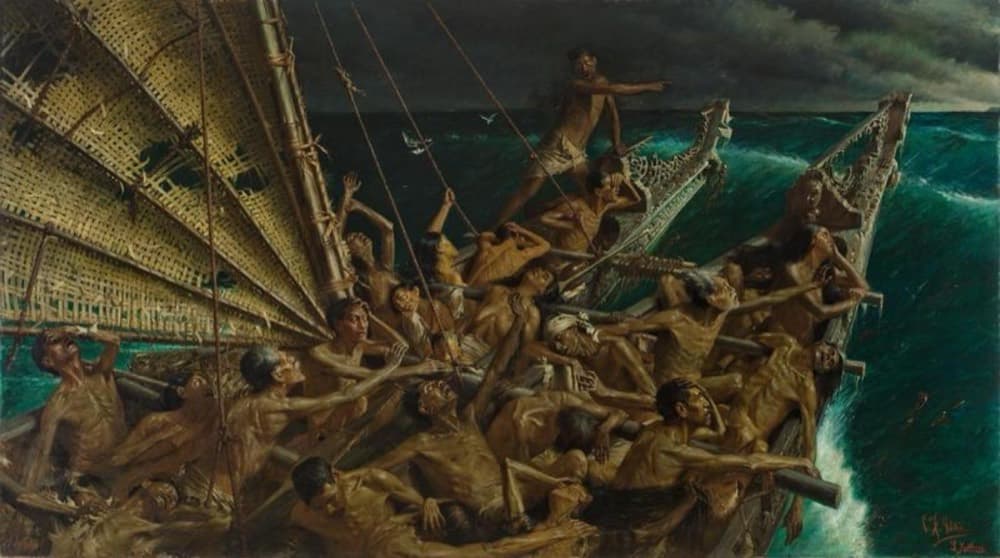
One tradition explains the festival's origin: Lono descended on a rainbow and married the mortal woman Kaikilani, killed her in a fit of unfounded jealousy, and in remorse traveled the islands holding games in her memory before departing by canoe with a promise to return. The Makahiki contests are the rule he left behind.