THE STORY & ITS AFTERLIVES
Taniwha live in deep water: river bends, dark pools, lake beds and sea caves. They have no single shape — the stories show them as huge lizard- or gecko-like creatures, as sharks or whales, even as a drifting log. To the tribe bound to one, a taniwha is a kaitiaki, a guardian that warns of disaster and escorts canoes; to strangers and to those who give offense, the old tales make them devourers of people. When the navigator Kupe crossed the ocean to New Zealand, the taniwha Tuhirangi is said to have guided his canoe, and later tradition placed it in the waters at the top of the South Island.
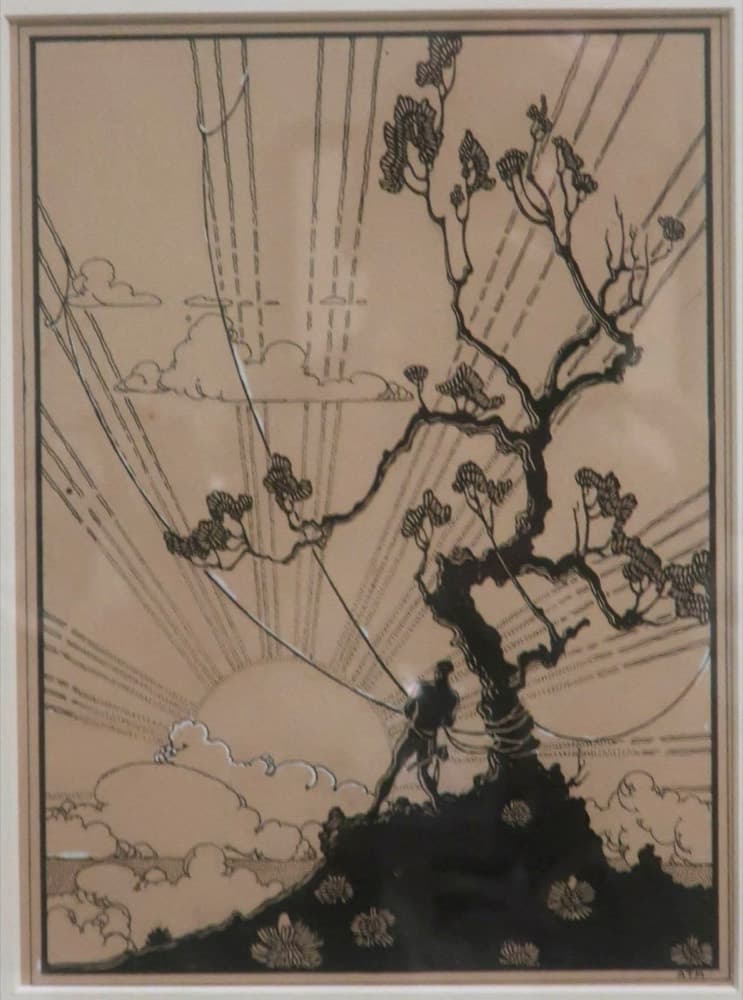
A cluster of taniwha-slaying stories from the Rotorua district appears in George Grey's Polynesian Mythology (1855): the monster Hotupuku lurked in a valley on the travelers' road and swallowed passers-by until warriors plaited ropes into a snare, lured it out and strangled it, finding the clothes and weapons of the dead when the belly was opened; Kataore of Lake Tikitapu, a chief's pet that secretly ate travelers, was hunted down, setting off a chain of intertribal revenge.
The taniwha remains a living tradition. In 2002 Ngati Naho of Waikato objected that widening State Highway 1 at Meremere encroached on the lair of the one-eyed taniwha Karu Tahi; the road authority negotiated with the iwi and altered the route, and the case made national news. In Maori public speech the taniwha is both a water spirit owed respect and a ready metaphor for a formidable figure or a danger lying below the surface.