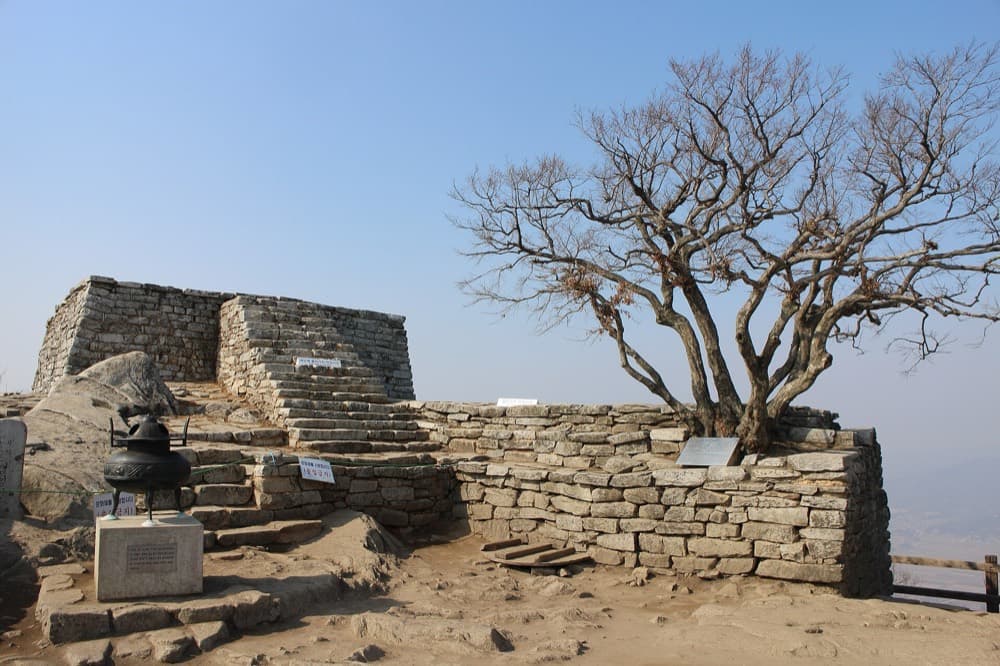
 № 001
№ 001Korean
Asadal
Ancient
阿斯达
Dangun's Capital and Final Refuge
Divine lineages · 11
The myths of the Korean peninsula have come down along two separate channels. One is written: the monk Iryeon's Samguk Yusa (1281) and Yi Seung-hyu's Jewang Ungi (1287), compiled under Mongol pressure, reach back to Dangun's founding of Gojoseon and anchor the peninsula's history at 2333 BCE, while Kim Bu-sik's Samguk Sagi (1145) and the Gwanggaeto Stele of 414 CE preserve the Goguryeo founding tale of Jumong, hatched from an egg and carried across a river on a bridge of fish and turtles. Gods descending from heaven, conception by pursuing sunlight, heroes breaking out of eggs: these are the recurring motifs of the foundation cycle.
The other channel runs through the mouths of shamans. Korean mu practice still sings long narrative epics through the night at gut rituals: the abandoned Princess Bari journeys to the western sky for the water of life and becomes the guide of dead souls; the unwed mother Danggeum-aegi becomes Samsin, grandmother of childbirth; Jeju Island claims eighteen thousand gods, each village chanting the bon-puri of its own shrine deity. These myths have no canonical text and were passed shaman to shaman, only being systematically transcribed from the early twentieth century.
Beyond chronicle and chant lies the world of folktales: dokkaebi goblins risen from old brooms demand midnight wrestling matches, thousand-year foxes dress as brides, white-robed maiden ghosts return night after night for someone willing to hear their grievance, and a tiger begs rice cakes at every mountain pass. The stories dwell on concrete human business, wrongs to be righted, abandoned children who save their parents, the greedy getting their due. The peninsula's tigers are fearsome and frequently fooled, its ghosts are mostly the wrongfully dead, and its gods are, again and again, women who survived great suffering.
Opening the origin story…
№ 001Korean
阿斯达
Dangun's Capital and Final Refuge
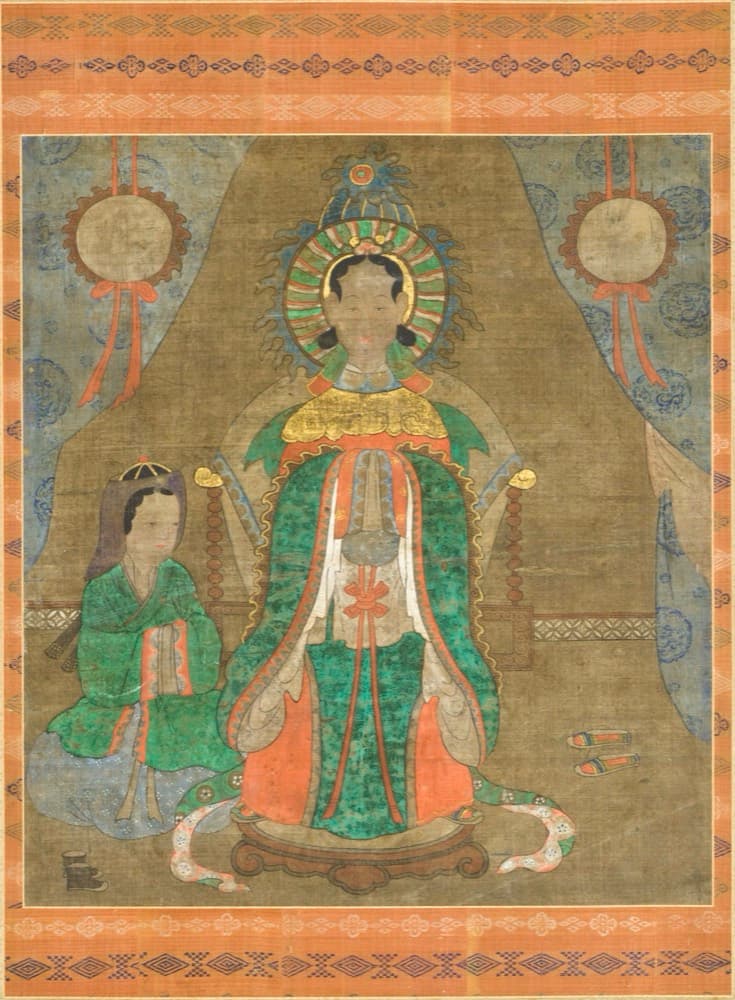 № 002
№ 002Korean
巴里公主
The Abandoned Princess Who Guides the Dead
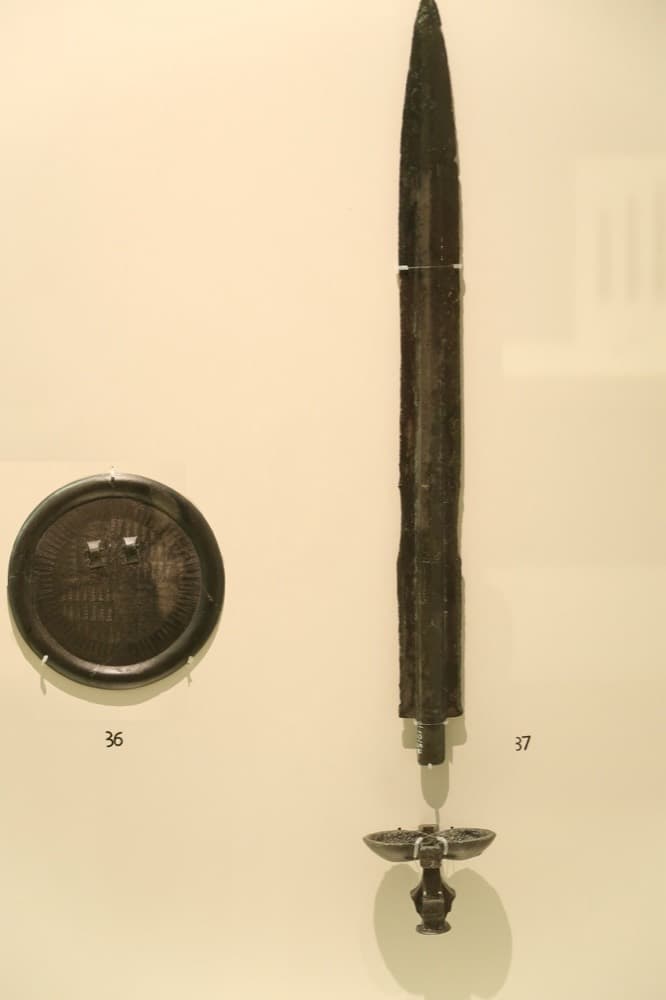 № 003
№ 003Korean
天符印
The Three Heavenly Tokens of Hwanung
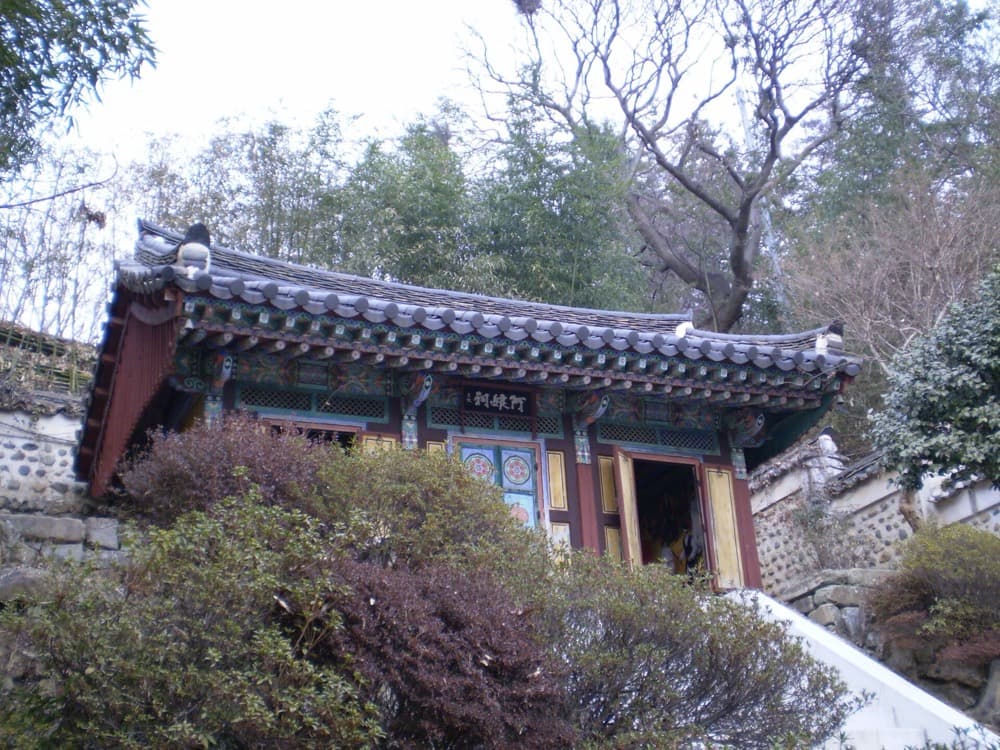 № 004
№ 004Korean
处女鬼
The White-Clad Maiden Ghost
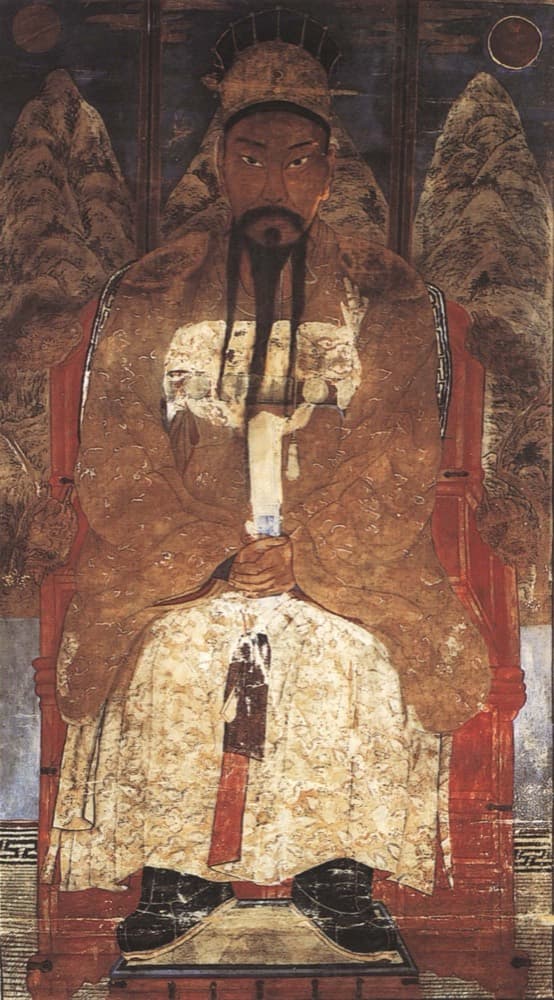 № 005
№ 005Korean
檀君
Founding King of Gojoseon
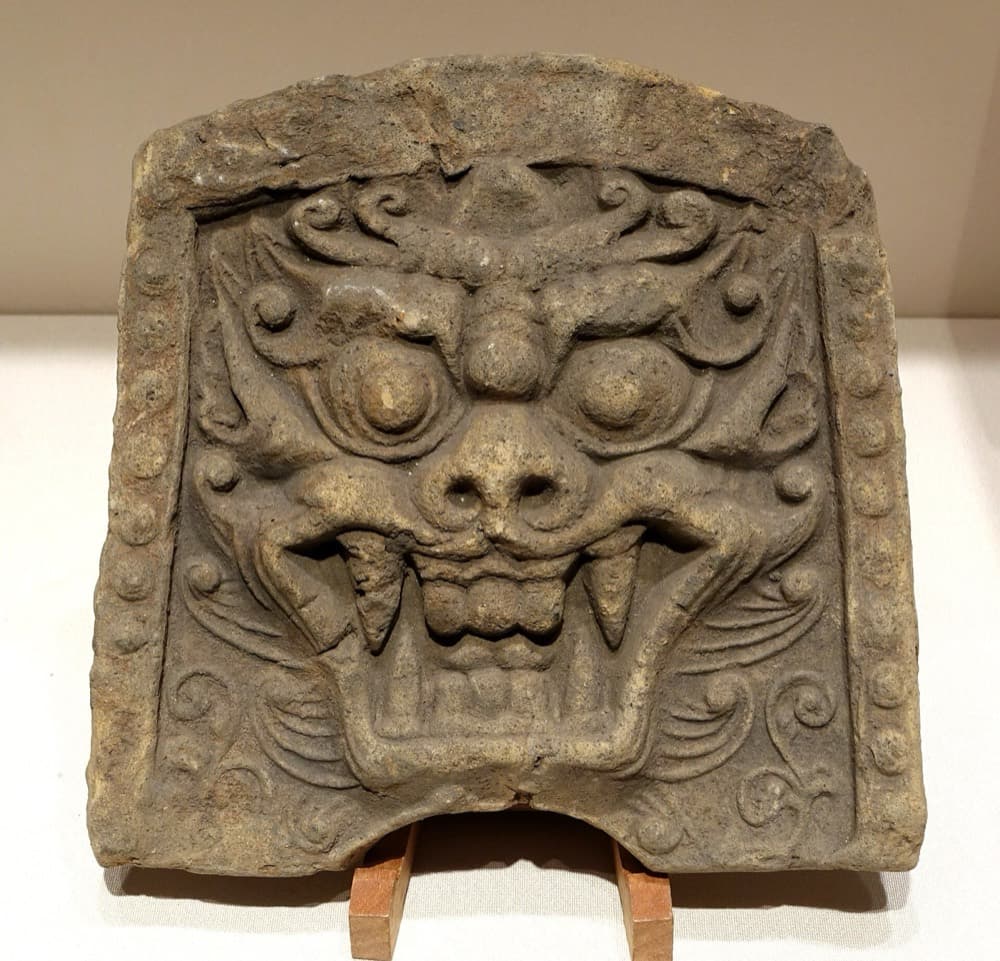 № 006
№ 006Korean
独脚鬼怪
The Trickster Goblin of Korean Folklore
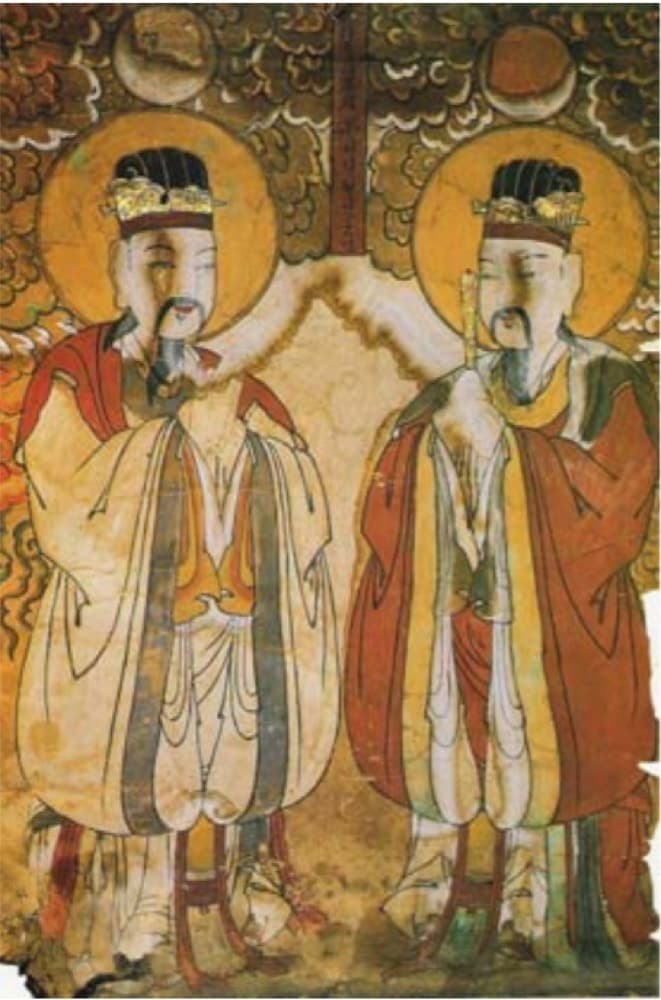 № 007
№ 007Korean
化作日月的兄妹
A Tiger, Rice Cakes, and the Origin of Sun and Moon
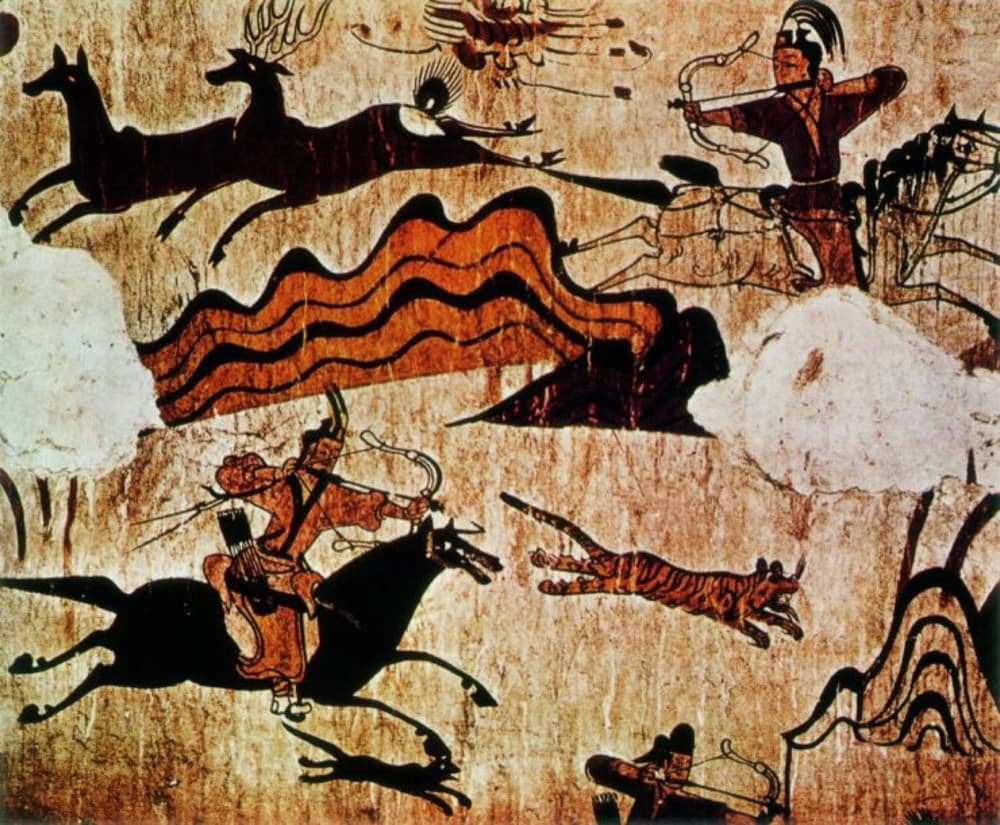 № 008
№ 008Korean
朱蒙
Founder of Goguryeo, the Holy King Dongmyeong
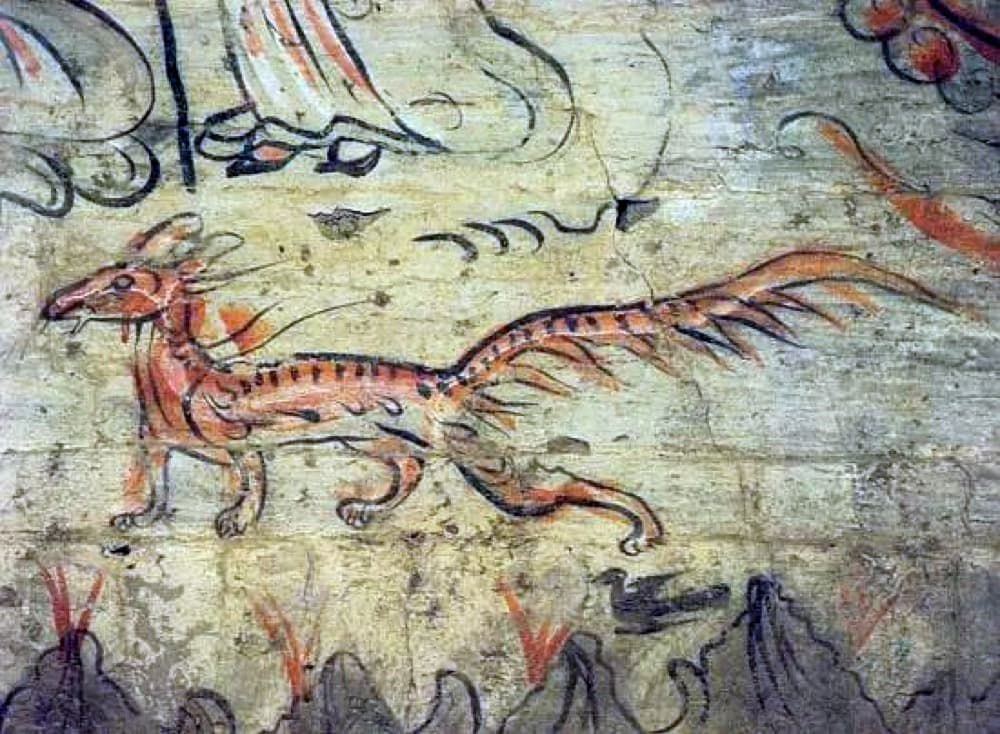 № 009
№ 009Korean
九尾狐
The Nine-Tailed Fox in Human Guise
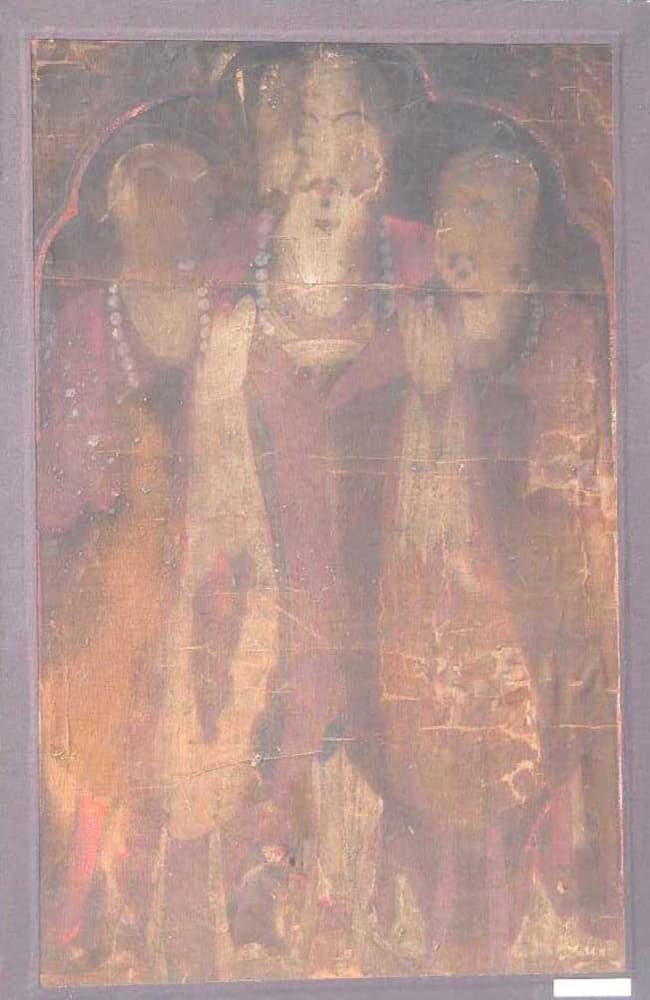 № 010
№ 010Korean
三神奶奶
Grandmother Goddess of Childbirth
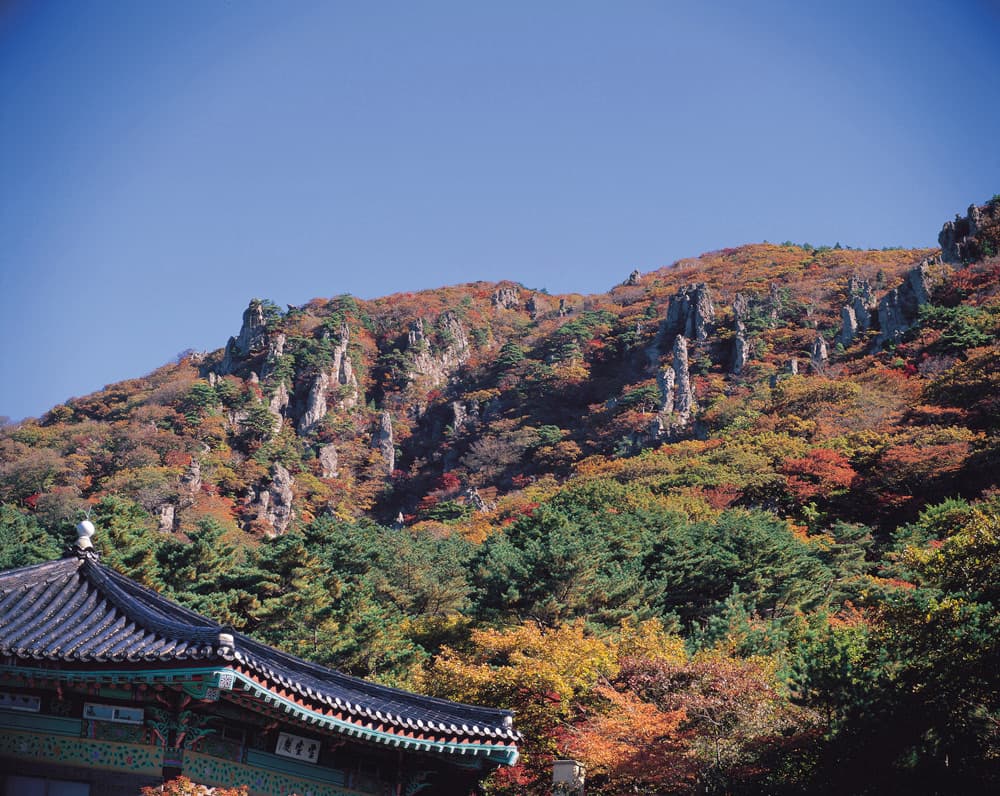 № 011
№ 011Korean
雪门大奶奶
The Giantess Who Made Jeju Island
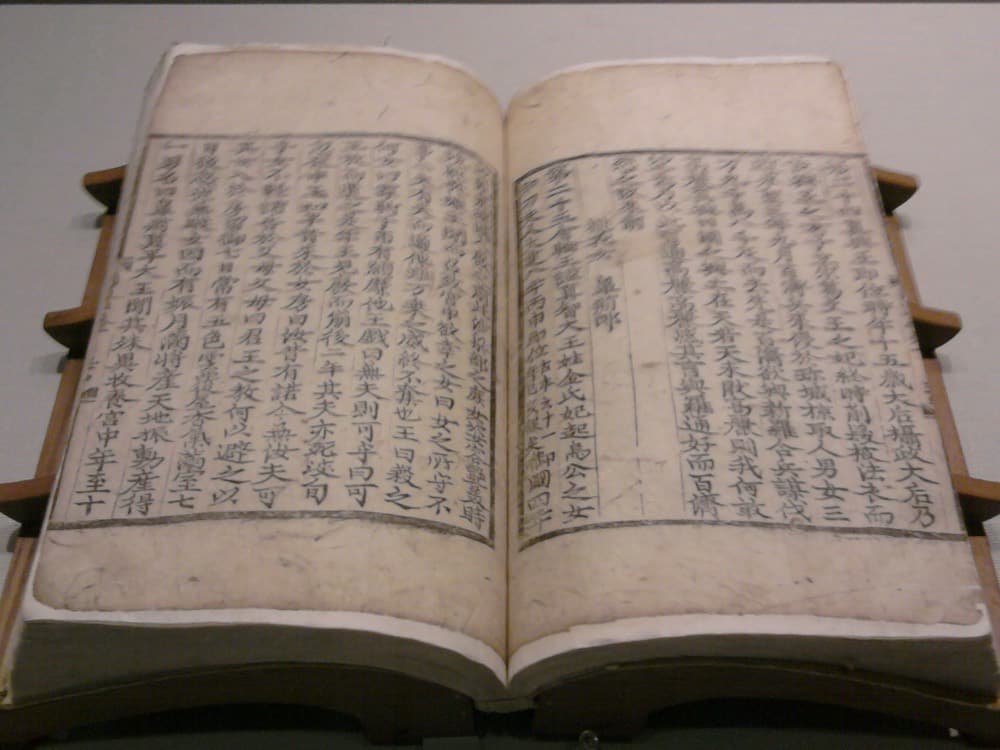 № 012
№ 012Korean
熊女
The Bear Who Became a Woman, Mother of Dangun