THE STORY & ITS AFTERLIVES
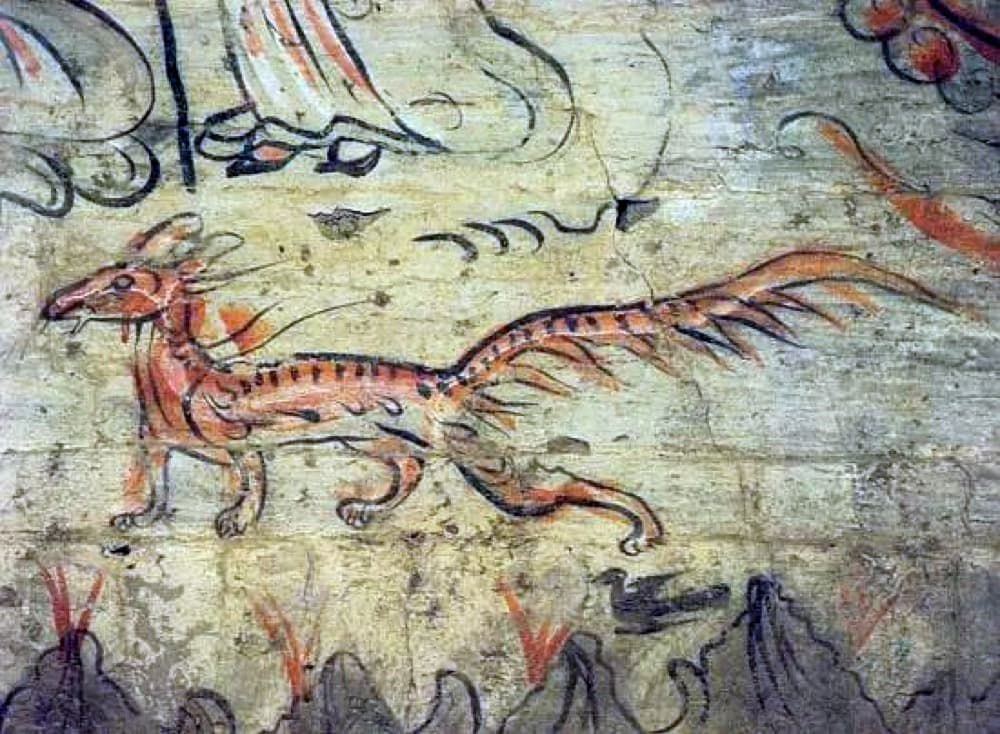
Unlike ghosts of the dead, a dokkaebi comes from old things: a worn broom, winnowing basket, fire poker, or sieve, steeped in years of human touch, transforms into one. In traditional tales its appearance is vague. It waylays travelers on rainy mountain roads and demands a wrestling match that lasts till dawn, when the exhausted traveler finds himself hugging a bald broom. Folk wisdom says one of its legs is weak, and hooking that leg wins the bout; Sino-Korean documents accordingly wrote its name as 'one-legged demon.' Its tastes are exact: buckwheat jelly and cloudy rice wine, with a horror of horse blood and red beans.
Its club conjures gold and silver at a stroke. In the tale of the old man with a lump, goblins buy the singing elder's facial lump with a heap of treasure, believing his voice comes from it; a greedy neighbor tries the same trick and is fitted with a second lump. In other stories a dokkaebi that borrows money forgets each repayment and pays the debt back daily, making its creditor rich. It also holds grudges, dumping stones in an offended farmer's field, until the farmer loudly claims stones are the best fertilizer, whereupon the goblin removes every one overnight.
The word is first written as 'dotgabi' in the Seokbo Sangjeol of 1447, and the Samguk Yusa episode of Bihyeongnang, who commanded a crowd of spirits to build a 'goblin bridge' in a single night, is often cited as an ancestor of the belief. The horned, spike-clubbed image common today owes much to Japanese oni illustrations in colonial-era textbooks, a conflation Korean folklorists have worked to undo; the 2016 tvN drama Goblin returned the name to everyday currency.