THE STORY & ITS AFTERLIVES
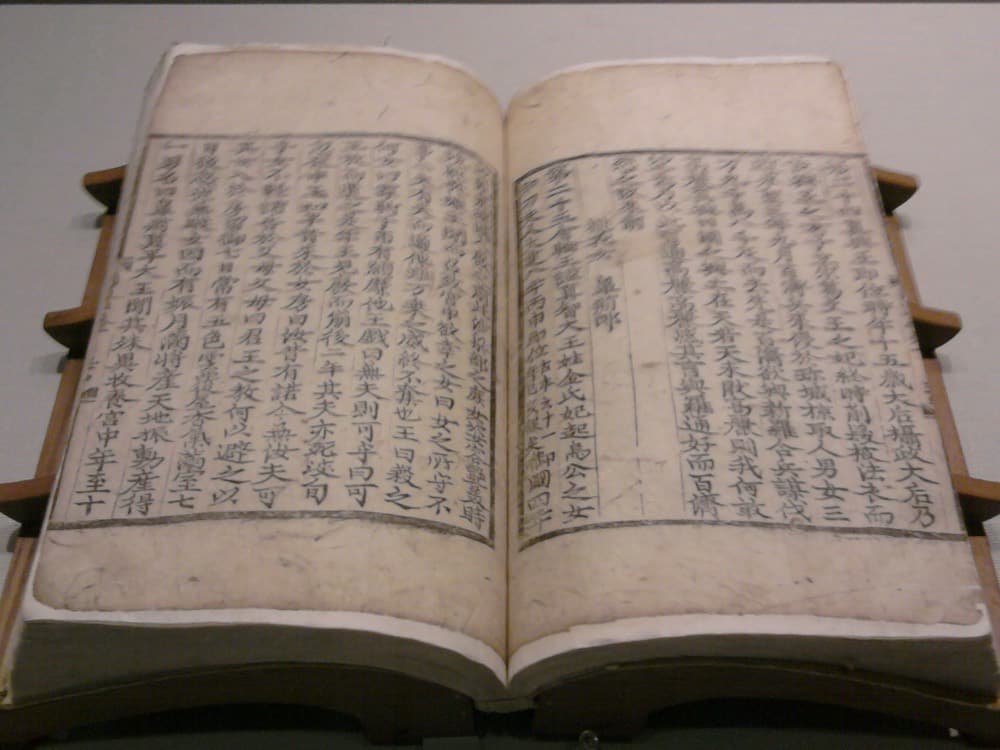
The Samguk Yusa, quoting an older record, tells how Hwanung, a son of the heavenly ruler Hwanin, longed to govern the human world. Hwanin looked down on the peaks of Samwi and Taebaek, judged that his son could broadly benefit humankind, and gave him three heavenly seals. Hwanung descended with three thousand followers to the divine tree on the summit of Mount Taebaek, founded the City of God, and with the lords of wind, rain, and clouds administered some 360 human affairs. When the bear-woman Ungnyeo prayed for a child beneath the tree, Hwanung briefly took human form and married her; their son was Dangun Wanggeom.
Dangun made his capital at Pyongyang, named his realm Joseon, and later moved the seat to Asadal. He is said to have ruled for 1,500 years before withdrawing into the mountains of Asadal as a mountain god, aged 1,908. Later reckoning fixed the founding in 2333 BCE, year one of the Dangi calendar; October 3, National Foundation Day, remains a public holiday in South Korea.
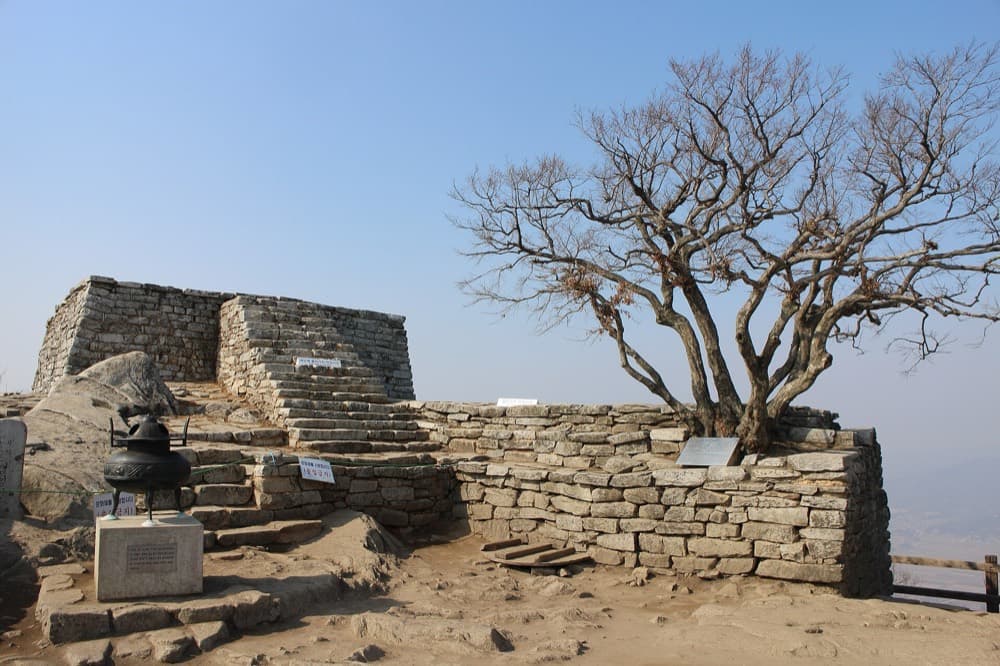
Both the Samguk Yusa and the Jewang Ungi were compiled in the thirteenth century under Mongol pressure, and they cast Dangun as the shared ancestor of the whole peninsula, a narrative revived in every later crisis. The Chamseongdan altar on Manisan, Ganghwa Island, is held to be where he sacrificed to heaven, and a shrine to Hwanin, Hwanung, and Dangun stands on Mount Guwol; in 1993 North Korea announced the excavation of a Tomb of Dangun near Pyongyang.