THE STORY & ITS AFTERLIVES
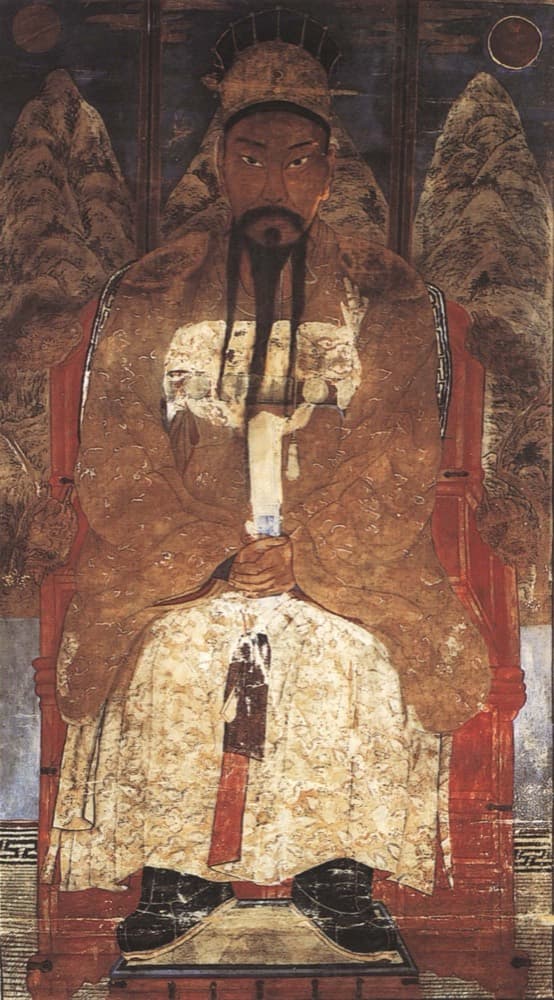
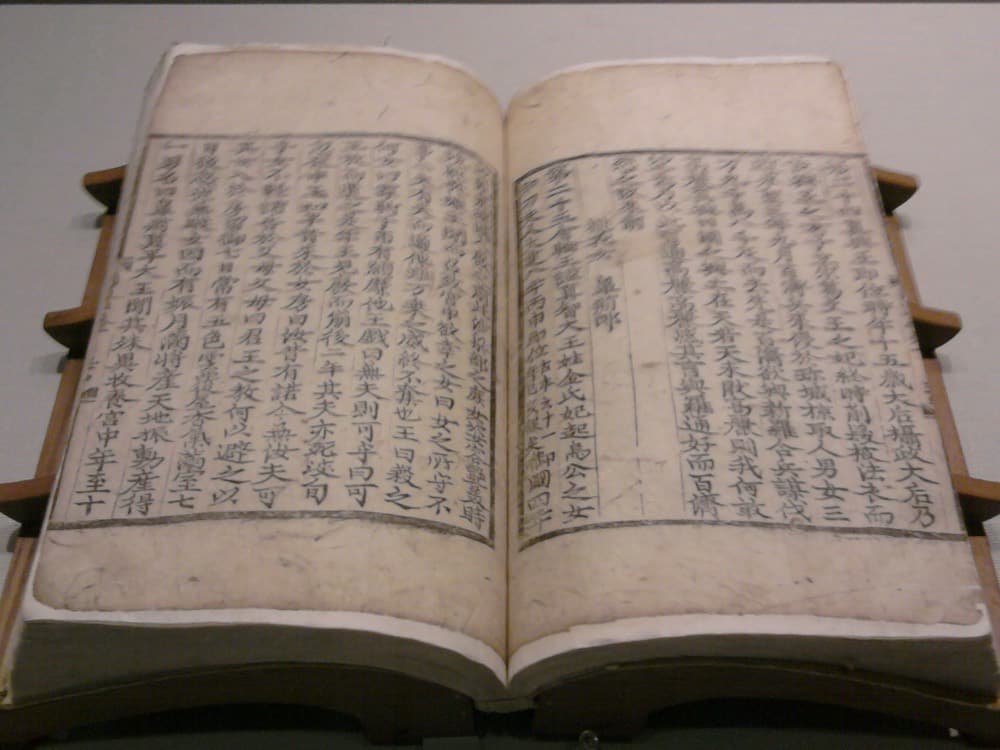
Asadal enters the Dangun myth twice. The Samguk Yusa says Dangun first ruled from Pyongyang and then moved his capital to Asadal on Mount Baegak, glossed in the text as also called Gunghol-san or Geummidal; after a reign of 1,500 years he returned to Asadal and vanished into the mountain as its god, so that one city serves as both the beginning and the end of Gojoseon.
The name is a Chinese-character transcription of an ancient toponym. A widely followed reading takes asa as 'morning' and dal as 'land' or 'mountain,' yielding 'land of morning,' a sense often set beside the meaning of the state name Joseon itself. Where the place lay has been argued since the Goryeo period. The strongest folk claim belongs to Mount Guwol in Hwanghae Province, where the Samseongsa shrine honors Hwanin, Hwanung, and Dangun together; Pyongyang and Manisan on Ganghwa Island have their advocates as well. North Korea's 1993 announcement of a Tomb of Dangun at Kangdong near Pyongyang reopened the dispute.
A capital without ruins has proved durable. In modern South Korea the name is a stock cultural emblem, borrowed by companies, school clubs, and comics for the legendary first city, and the 2019 television series Arthdal Chronicles built an invented Bronze Age metropolis on the word.