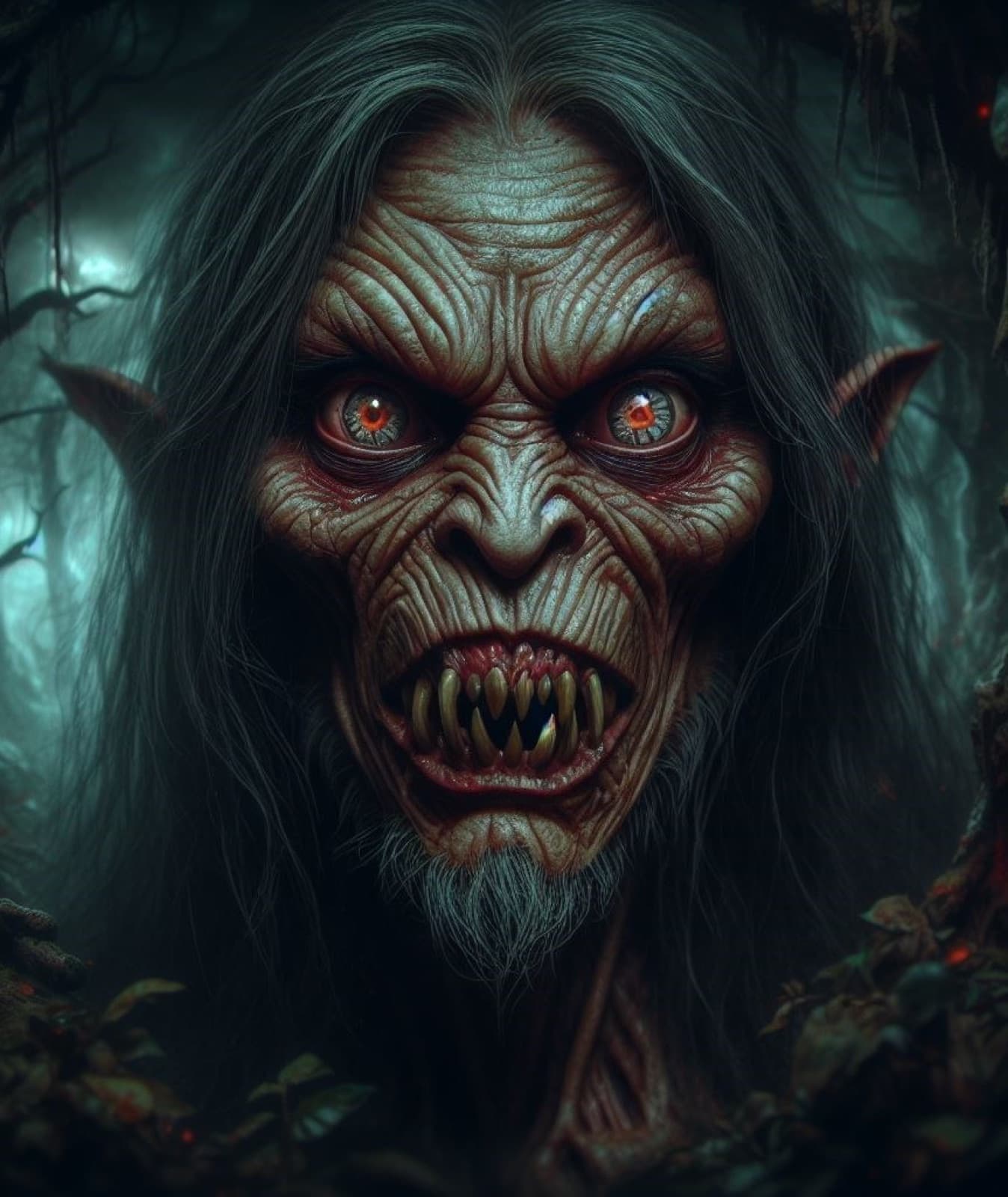
 № 001
№ 001Philippine
Aswang
Folk
阿斯旺
One Name for a Night Full of Accusations
Divine lineages · 22
More than seven thousand islands never shared a single divine genealogy. Tagalog communities of Luzon named Bathala as creator; Visayan seas heard the Bakunawa swallowing the moon; Maranao artists of Mindanao set the Sarimanok on royal houses and prows. Diwata may mean a deity, an ancestor, a keeper of forest or mountain, or a natural power approached with offerings, depending on who is speaking. Spanish chroniclers, nineteenth-century folklorists, and twentieth-century collectors preserved an immense record while also filtering it through Christianity, European demonology, and colonial categories. This atlas therefore treats Philippine mythology as a many-voiced constellation, not a unified pantheon that never existed.
The stories remain alive inside ordinary cautions. A traveler passing an old tree asks its unseen owners for leave; a tikbalang can fold the noon road into a loop; the smell of tobacco may fall from a balete crown before the kapre is seen. Aswang is not one species but a net of dread cast over corpse-eaters, witches, and nocturnal predators, while the manananggal grows wings from a severed torso and leaves its helpless lower half waiting for dawn. The moon-eating serpent offers another kind of terror: gongs, pans, and shouting gather the community beneath the same bitten moon. The archipelago’s lore draws its power from sea routes, local languages, and colonial histories continuously rewriting one another without silencing the old request whispered into darkness: let us pass.
Opening the origin story…
№ 001Philippine
阿斯旺
One Name for a Night Full of Accusations
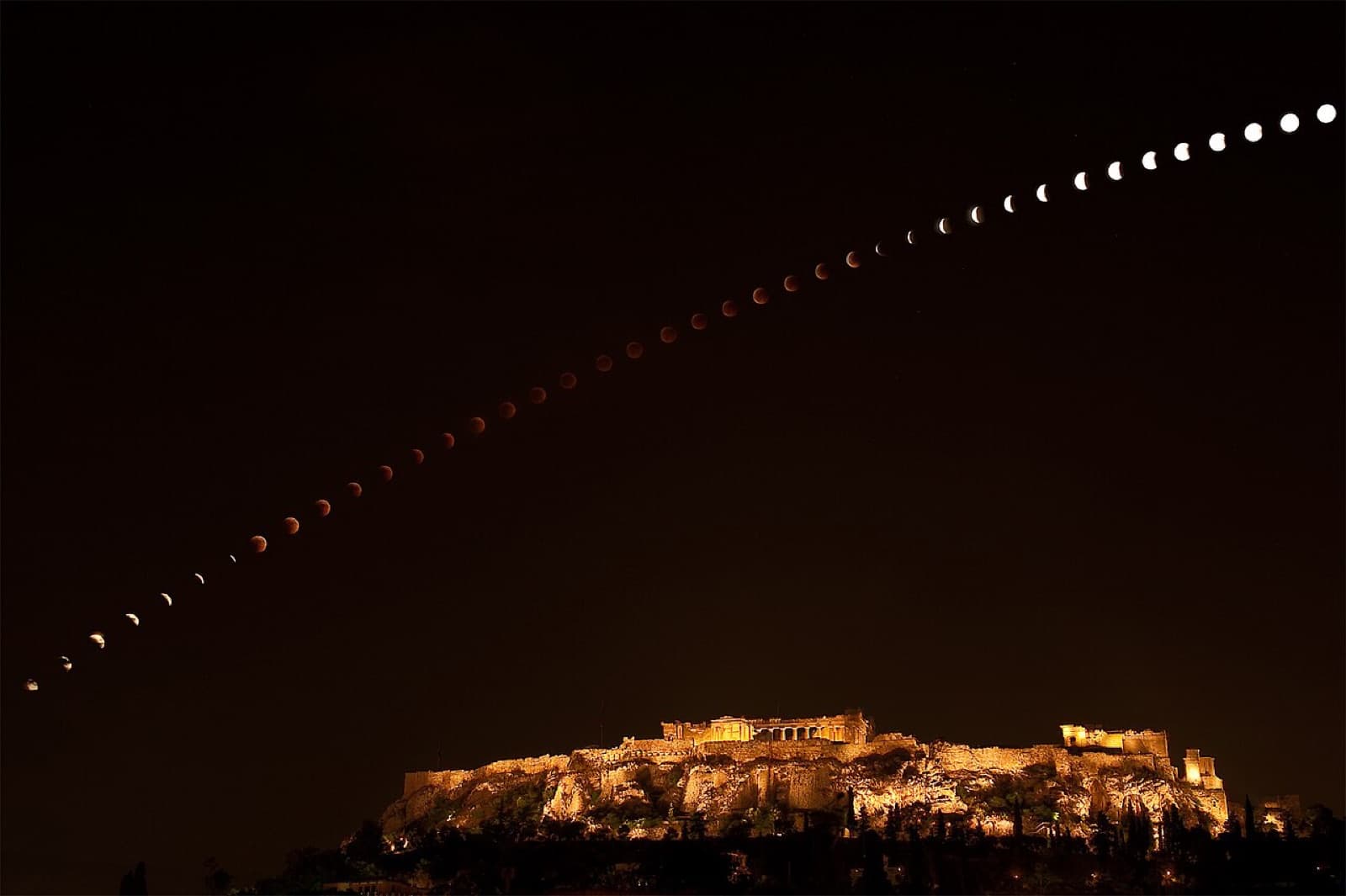 № 002
№ 002Philippine
巴库纳瓦
When the Moon Is Bitten Dark, the Village Fights with Noise
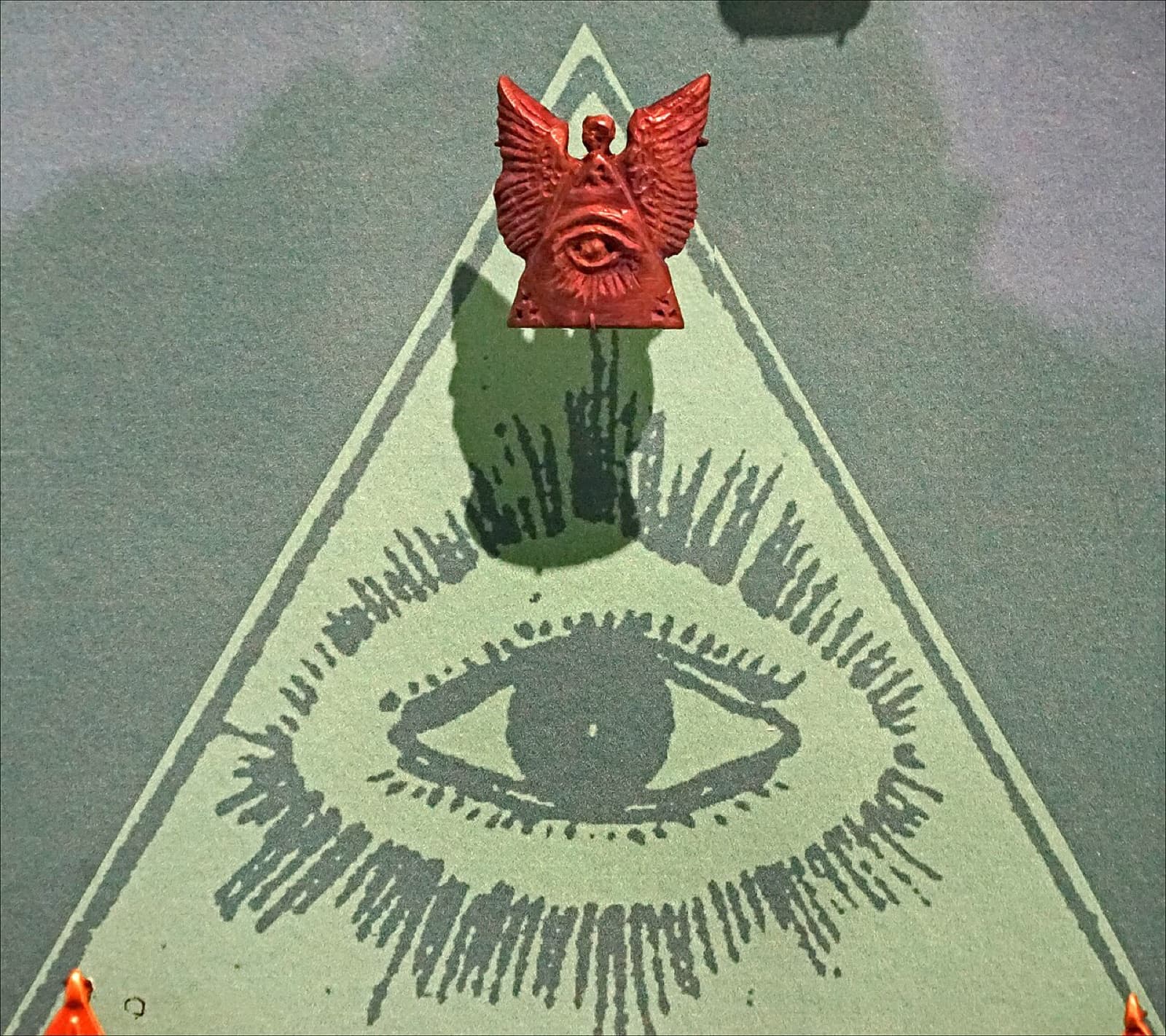 № 003
№ 003Philippine
巴塔拉
He Dwelt Above Before Sky and Earth Had Form
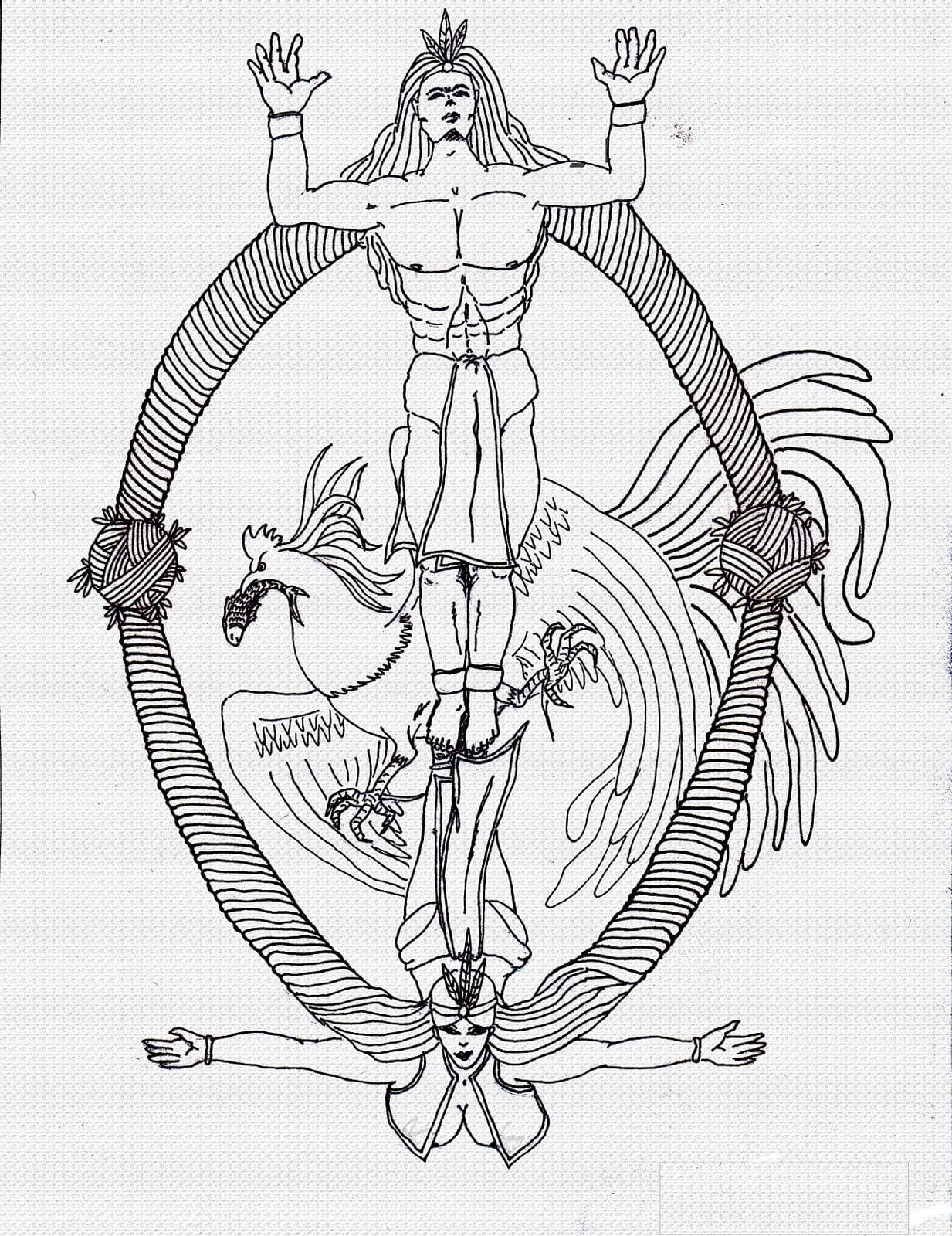 № 004
№ 004Philippine
迪瓦塔
Deity, Ancestor, and Forest Keeper Within One Ancient Word
 № 005
№ 005Philippine
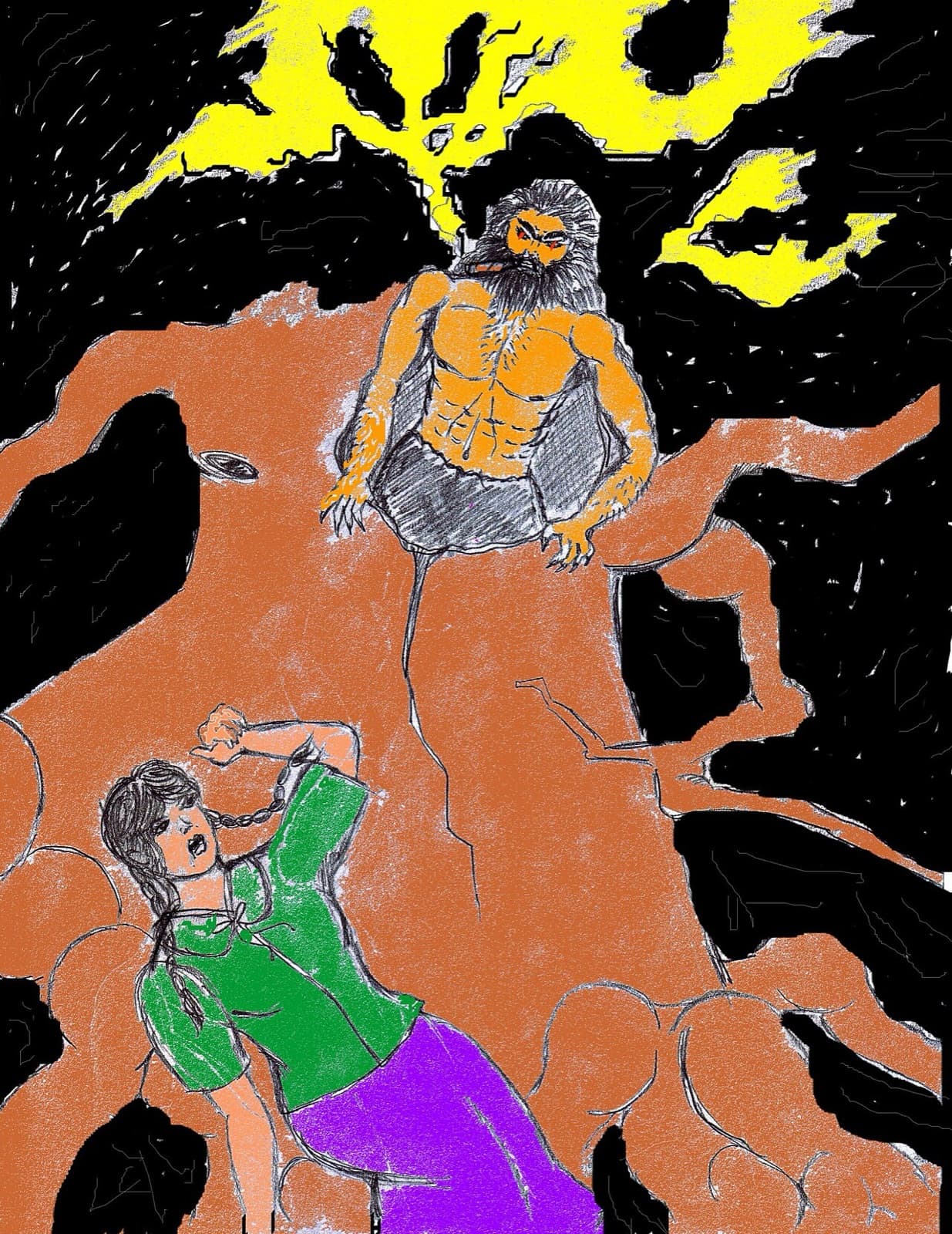
卡普雷
First the Red Cigar, Then the Giant in the Tree
 № 006
№ 006Philippine
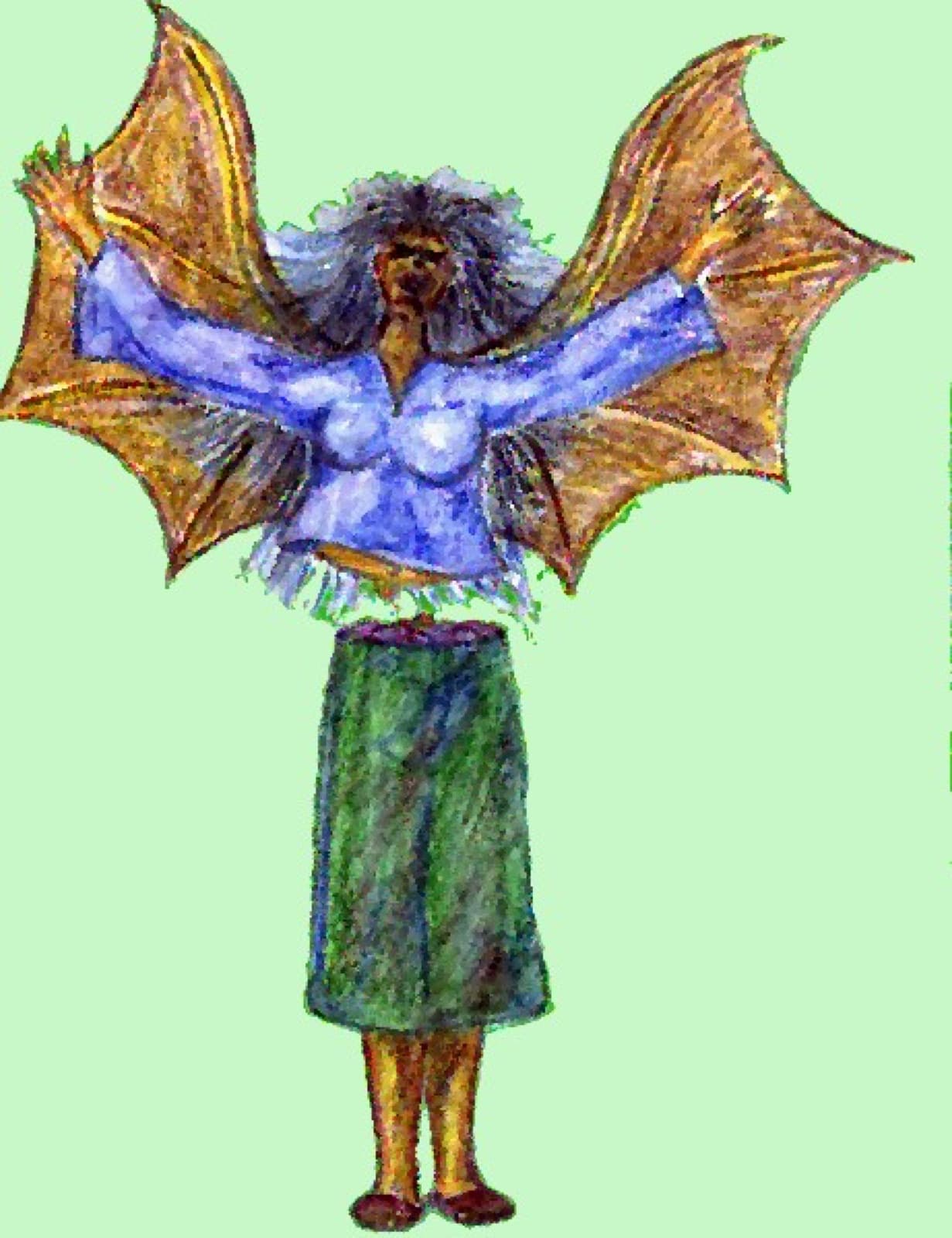
马纳南加尔
At Night She Leaves Half Her Body Behind
 № 007
№ 007Philippine
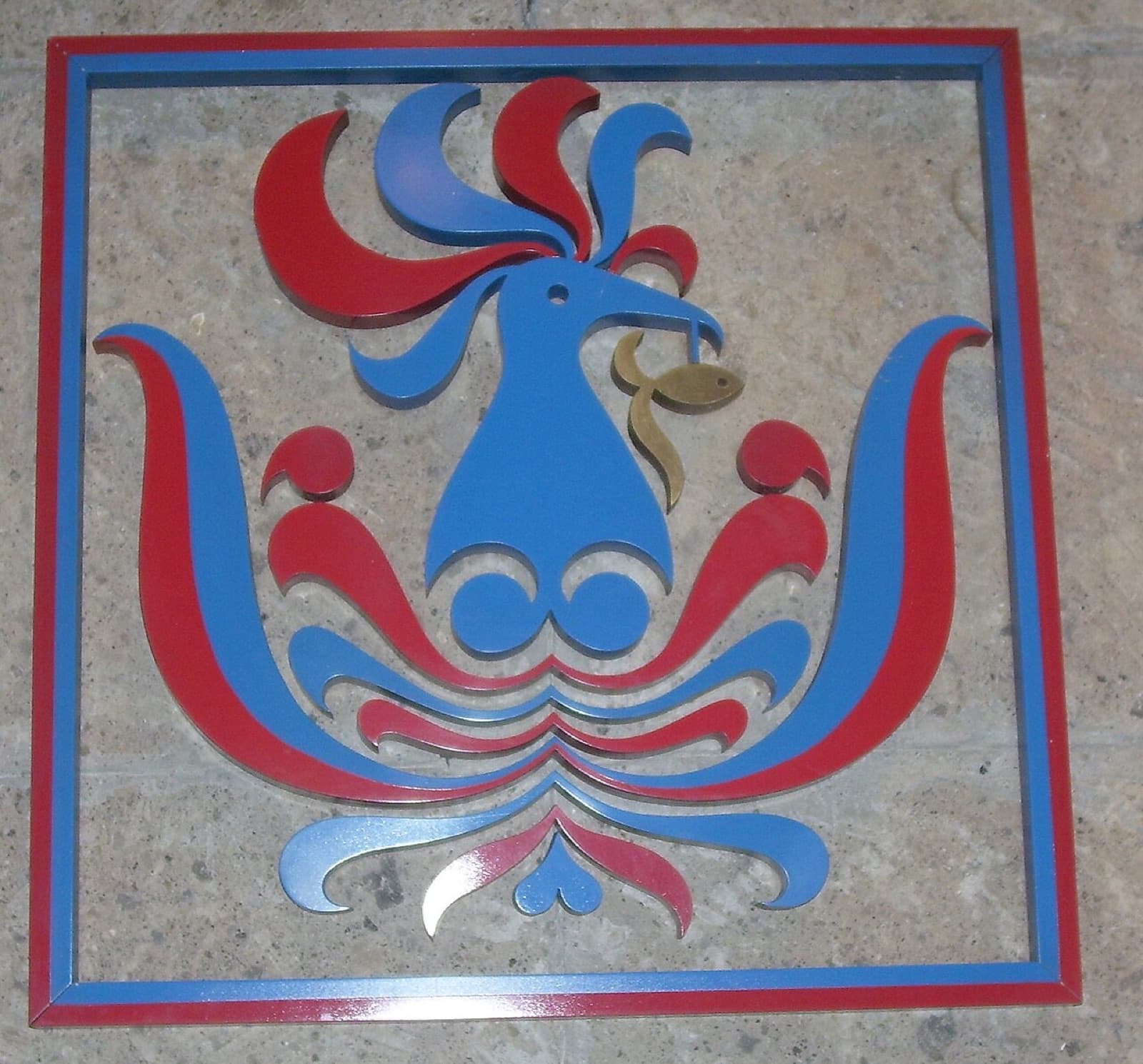
萨里马诺克
A Radiant Bird Carries the Upper World into the Royal House
 № 008
№ 008Philippine
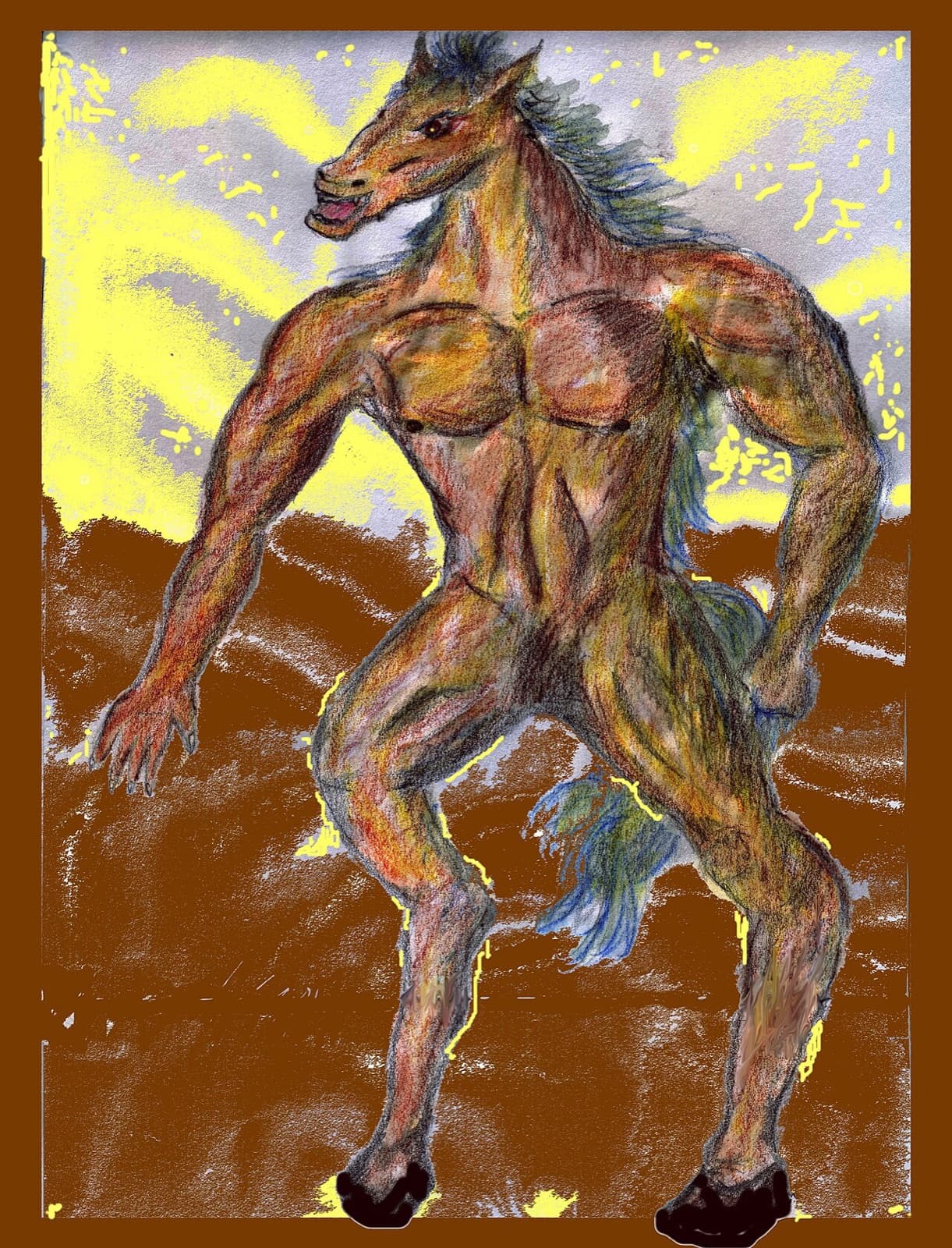
蒂克巴朗
At Noon the Road Folds Back Beneath Its Hooves