THE STORY & ITS AFTERLIVES
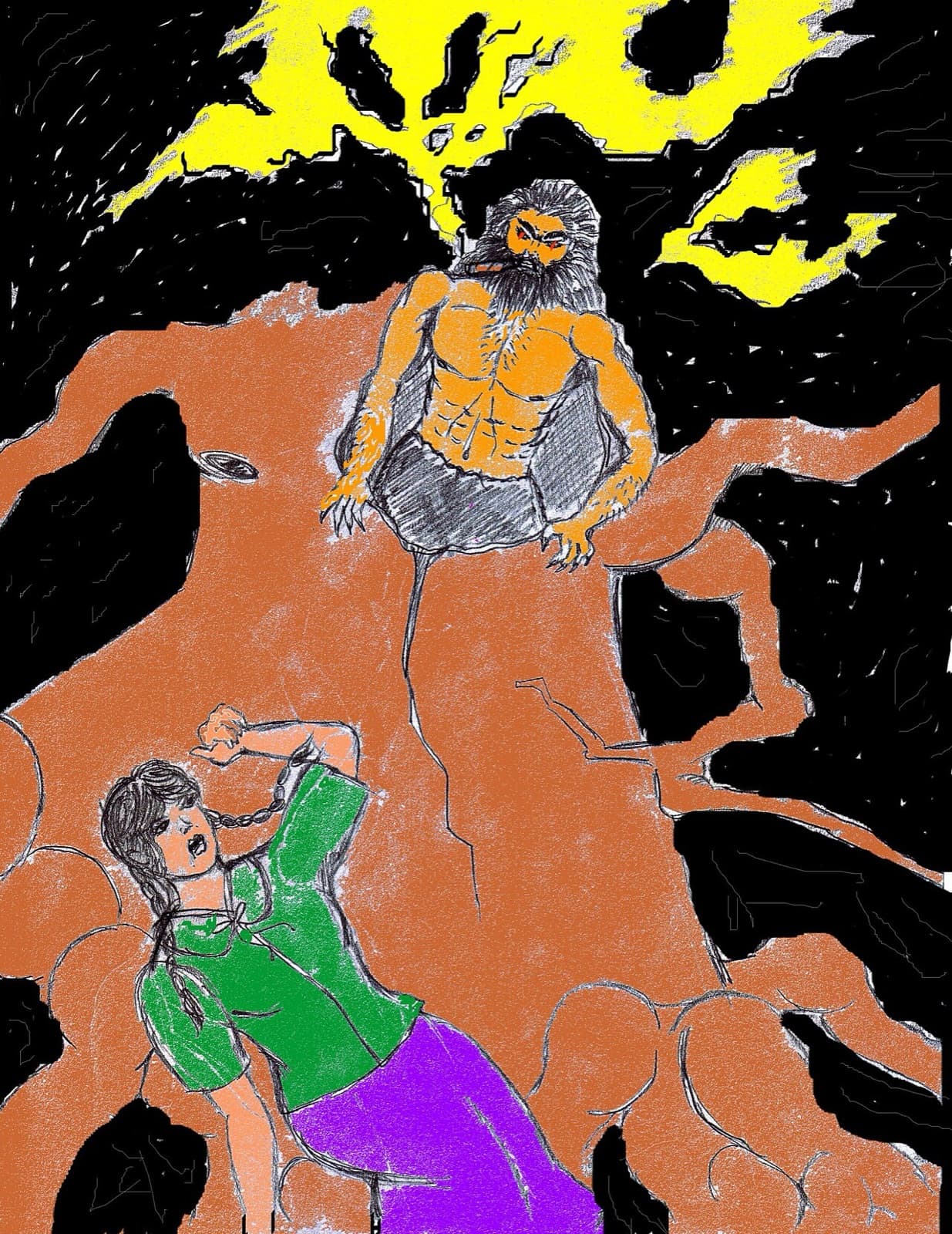
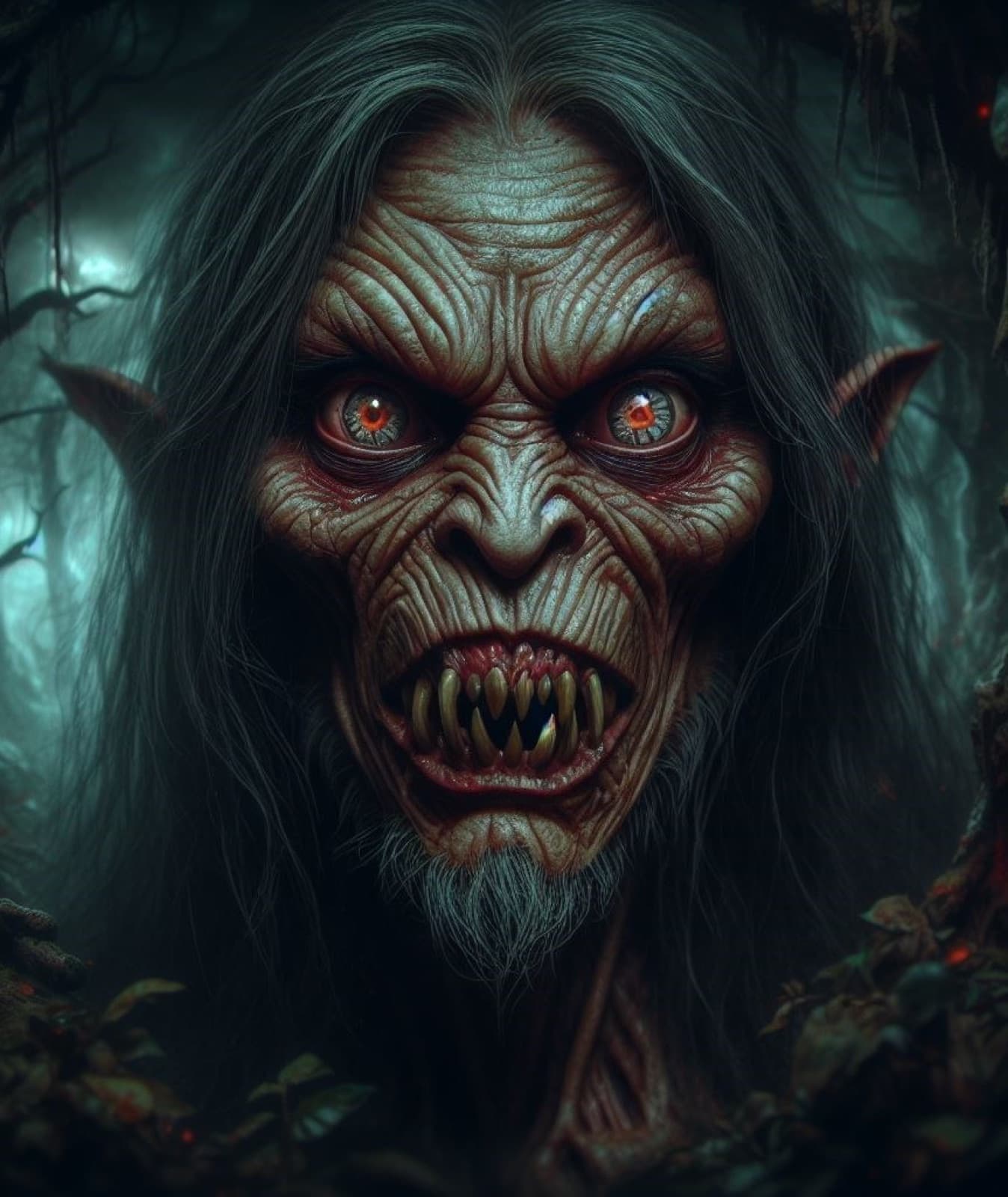
Today the tikbalang generally bears a horse’s head, a human torso, and limbs so attenuated that its knees rise above its head when it crouches. It appears on forest roads, around balete trees, and at mountain feet in the dead heat of noon, imitating familiar voices and returning a traveler again and again to the same stone. Escapes follow a logic of reversal: wear a garment inside out, ask the unseen owners of the place for permission to pass, or identify the detail that has begun to repeat. Another tradition promises mastery to anyone able to pluck three golden hairs from its mane.
Late sixteenth-century Tagalog materials already record tigbalang or related forms, but do not necessarily give the being a horse’s head. Horses had only recently entered the islands through Spanish colonial systems. The older term points more toward a wilderness phantom, apparition, or maddening force, while the now-famous hybrid body probably developed across centuries of contact. That history does not diminish the tale. It shows folk imagination swallowing a foreign animal and turning an image ridden by colonial power into the forest’s own monster. The tikbalang’s enduring gift is not anatomy but the theft of direction: the road remains underfoot while the world refuses to lead anywhere.