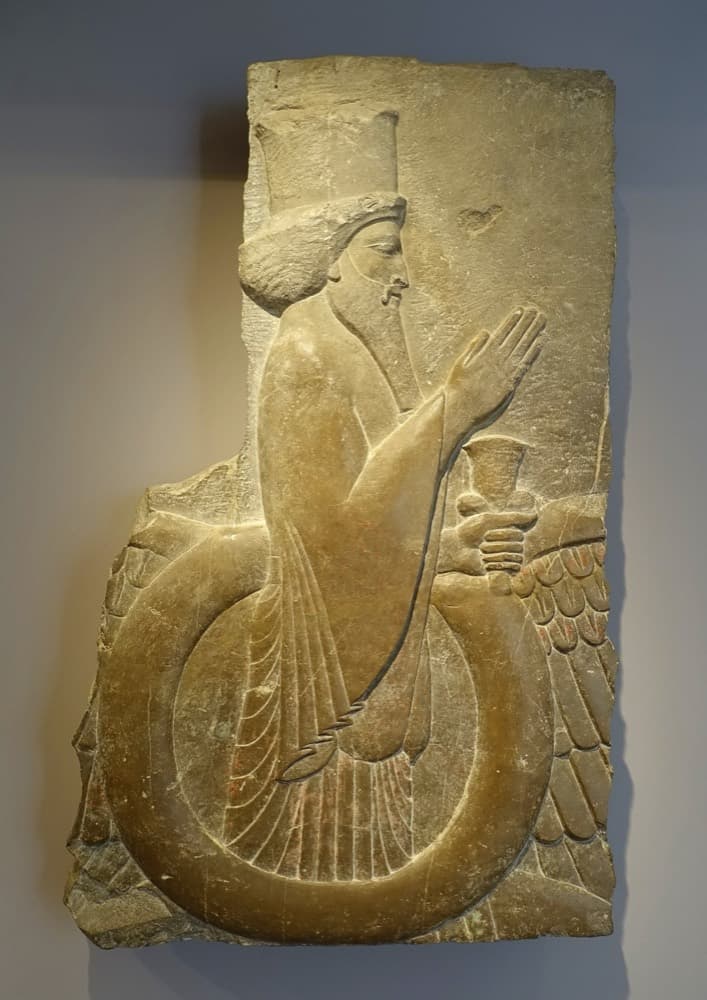
 № 001
№ 001Persian
Ahura Mazda
Ancient
阿胡拉·马兹达
The Wise Lord, Creator of Light and Truth
Divine lineages · 07
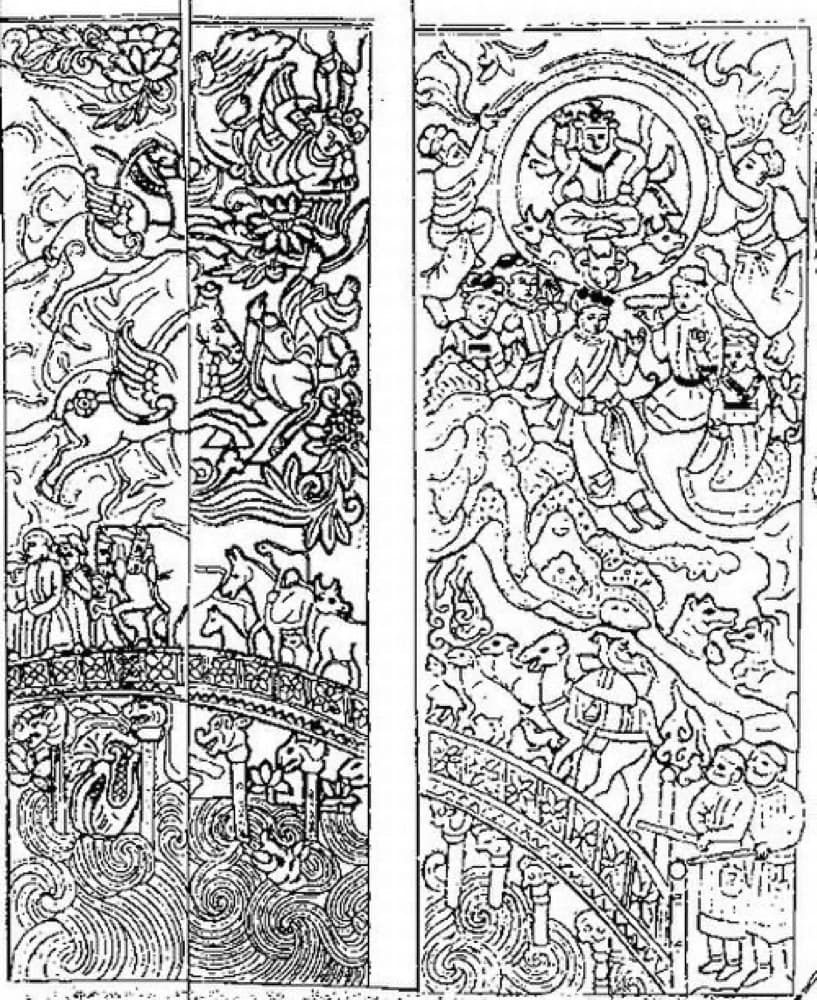
Persian mythology grew on the Iranian plateau from two great confluent streams. The older is the theological cosmos of Zoroastrianism: around 1000 BCE the prophet Zarathustra proclaimed in the Gathas a war running the length of cosmic history — Ahura Mazda, the Wise Lord, creates light and order; Angra Mainyu, the destructive spirit, counter-creates disease, vermin, and the Lie; and every human being enlists through each honest thought, word, and deed, to be weighed after death at the Chinvat Bridge. Around the supreme god stand the yazatas — Mithra of the covenant, Anahita of the waters — and the Achaemenid and Sasanian dynasties carved this theology into royal inscriptions and cliff reliefs.
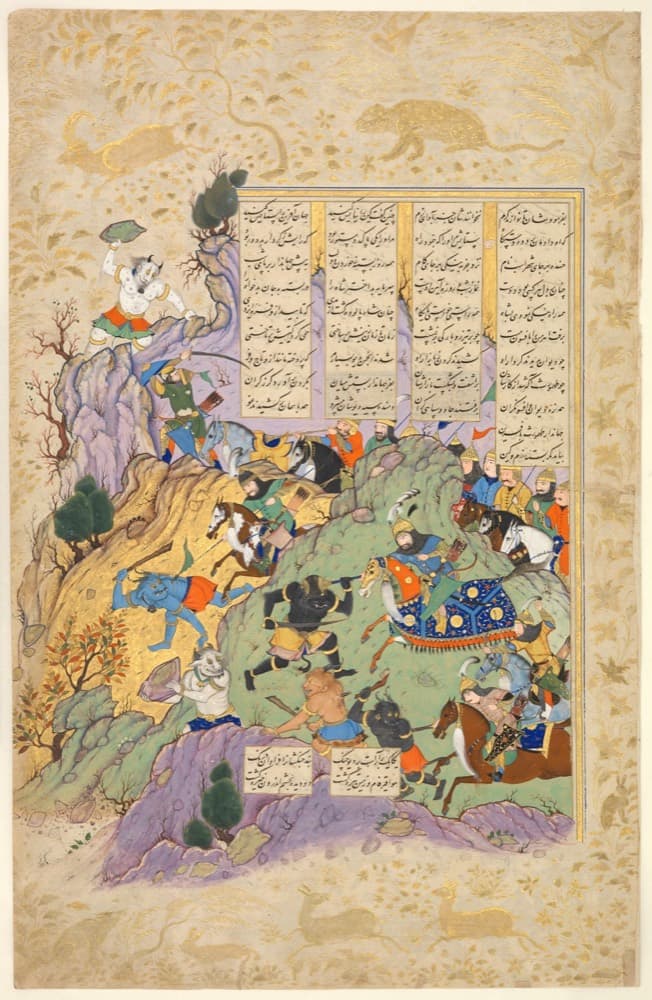
The second stream is epic and romance. Around 1010 CE the poet Ferdowsi completed the Shahnameh, some fifty thousand couplets forged over three decades, fusing Iran's legends from the first kings to the Arab conquest: Zahhak the tyrant with serpents growing from his shoulders, Kaveh the blacksmith raising his leather apron as a banner of revolt, the Simurgh rearing an abandoned infant on Mount Alborz, the giant hero Rostam passing the Seven Trials to slay the White Div, and the tragedy of a father killing his unrecognized son in single combat. The three-headed dragon of the Avesta and the demoted old gods, the daevas, reappear here as the serpent king and the ogre-divs painted over and over in Persian miniatures.
The temper of the whole is a sharply drawn moral war joined to a deep tragic sense: the lines between good and evil are clean, yet the endings are rarely in the heroes' hands. Its images have proved durable — the peri became the "Oriental fairy" of Western languages, the Simurgh turned into Sufi poetry's riddle of the self united with the divine, and villagers below Mount Damavand still say the chained dragon waits inside the mountain for the end of time.
Opening the origin story…
№ 001Persian
阿胡拉·马兹达
The Wise Lord, Creator of Light and Truth
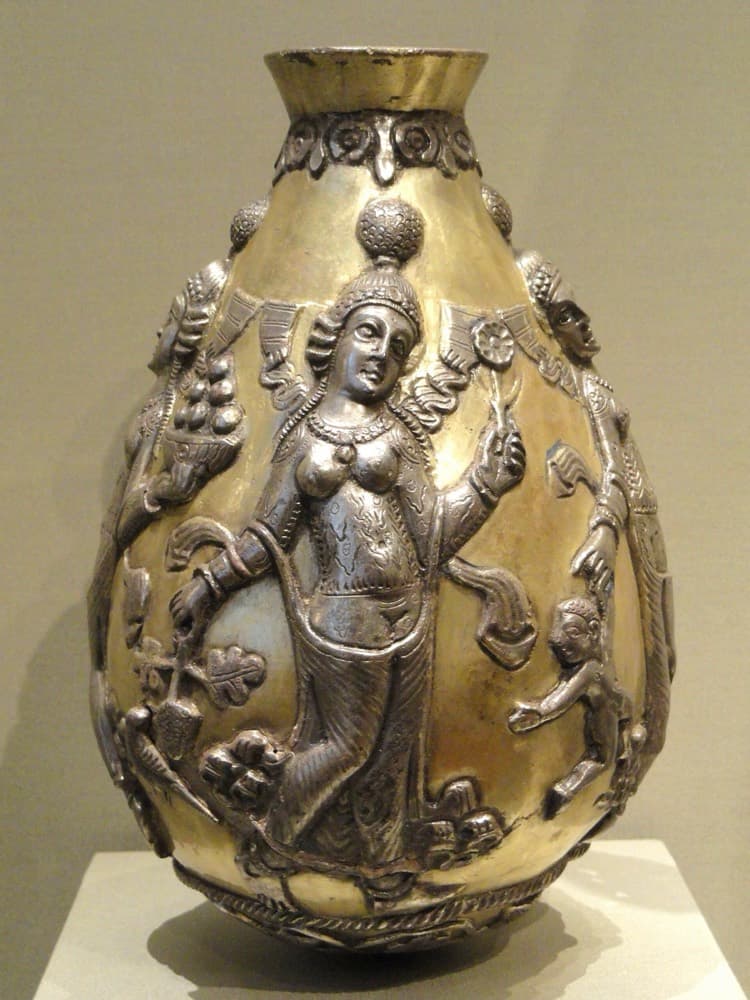 № 002
№ 002Persian
阿纳希塔
Goddess of the Waters
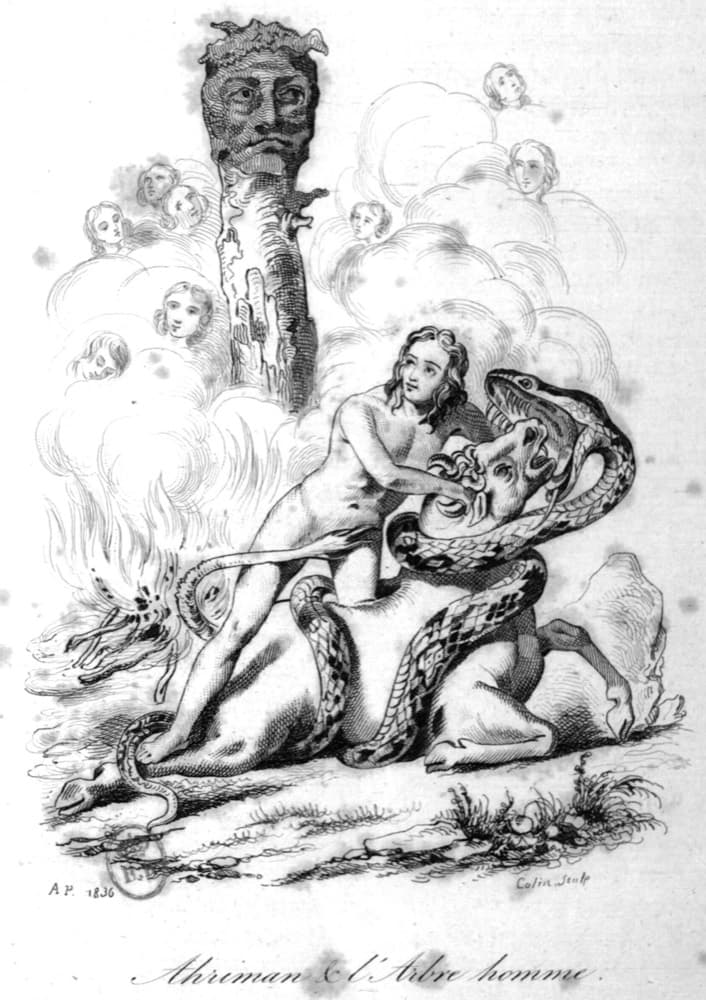 № 003
№ 003Persian
安格拉·曼纽
The Destructive Spirit, Chooser of the Lie
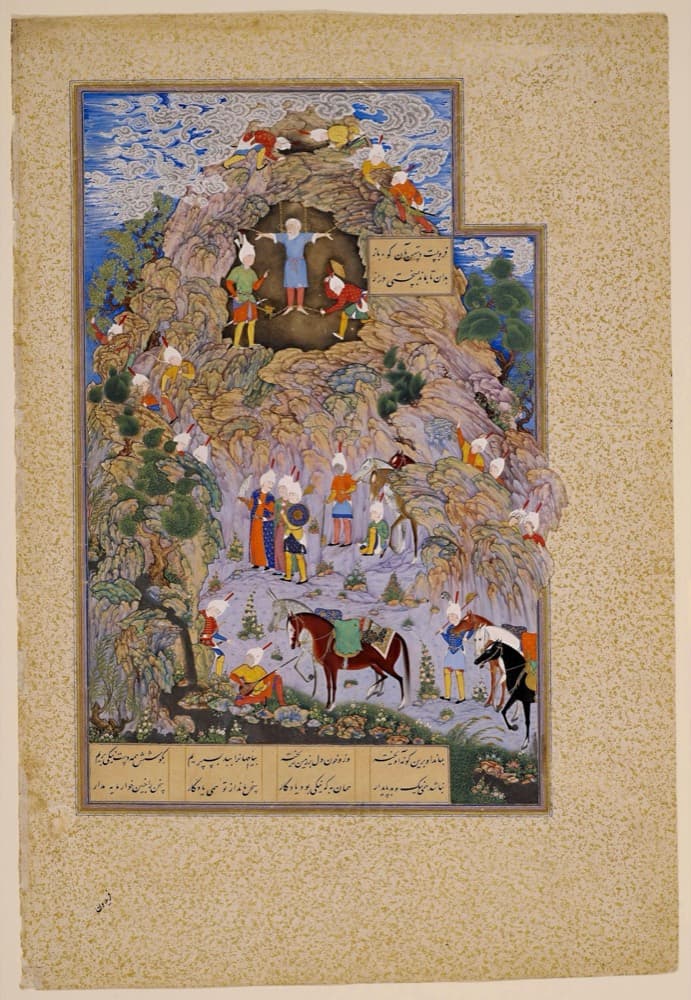 № 004
№ 004Persian
阿日·达哈卡
The Three-Headed Dragon, the Serpent King Zahhak
 № 005
№ 005Persian
钦瓦特桥
The Bridge of the Separator
 № 006
№ 006Persian
迪弗
The Demons of Persia
 № 007
№ 007Persian
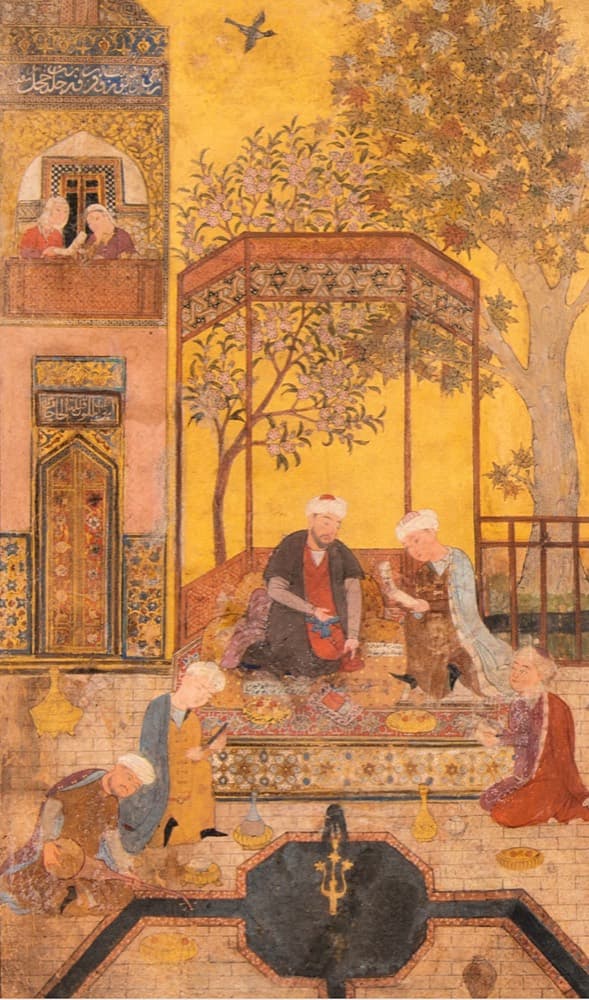
贾姆之杯
The World-Revealing Cup
 № 008
№ 008Persian
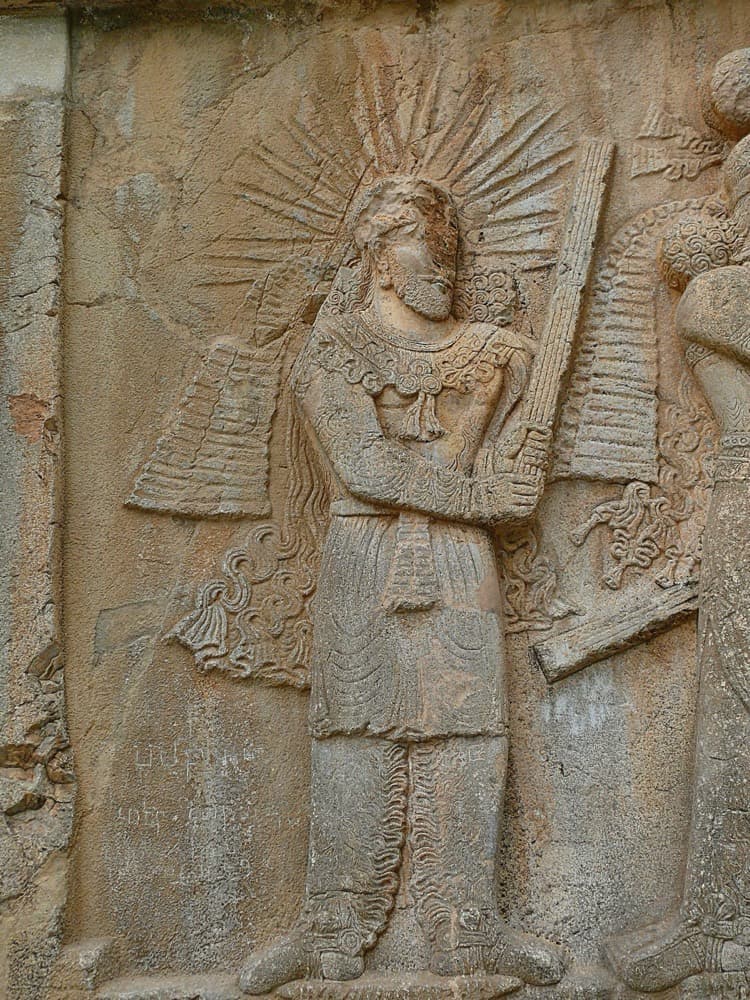
密特拉
God of Covenant and the Morning Light
 № 009
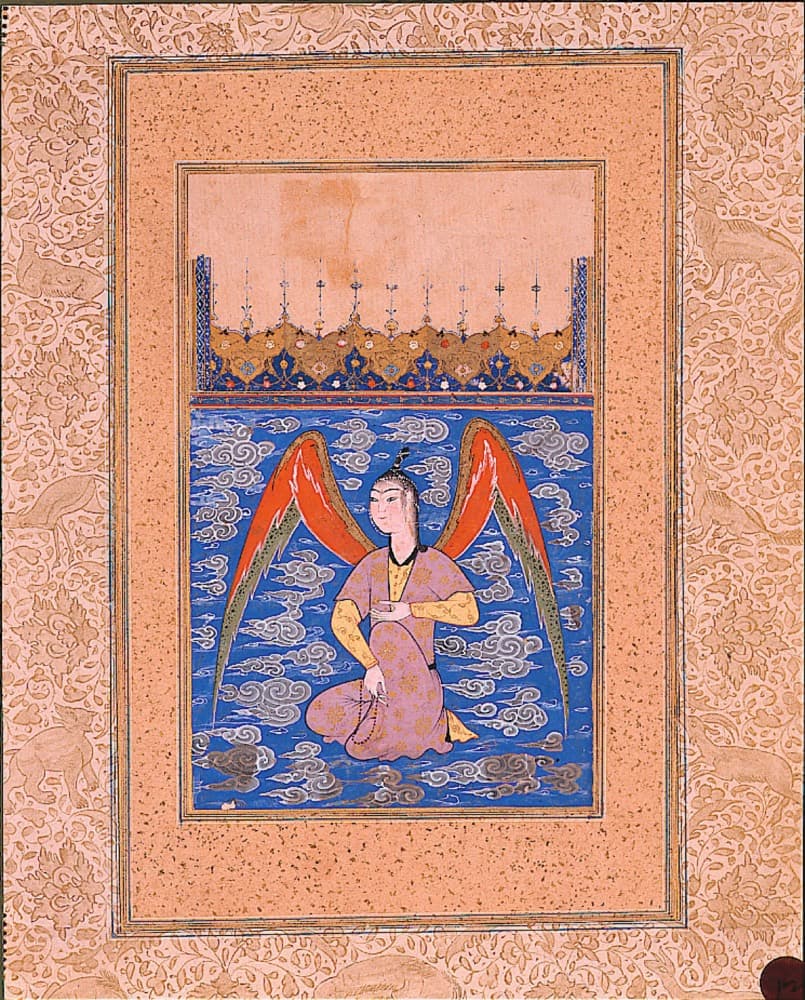
№ 009Persian
佩里
The Winged Fairy Spirits
 № 010
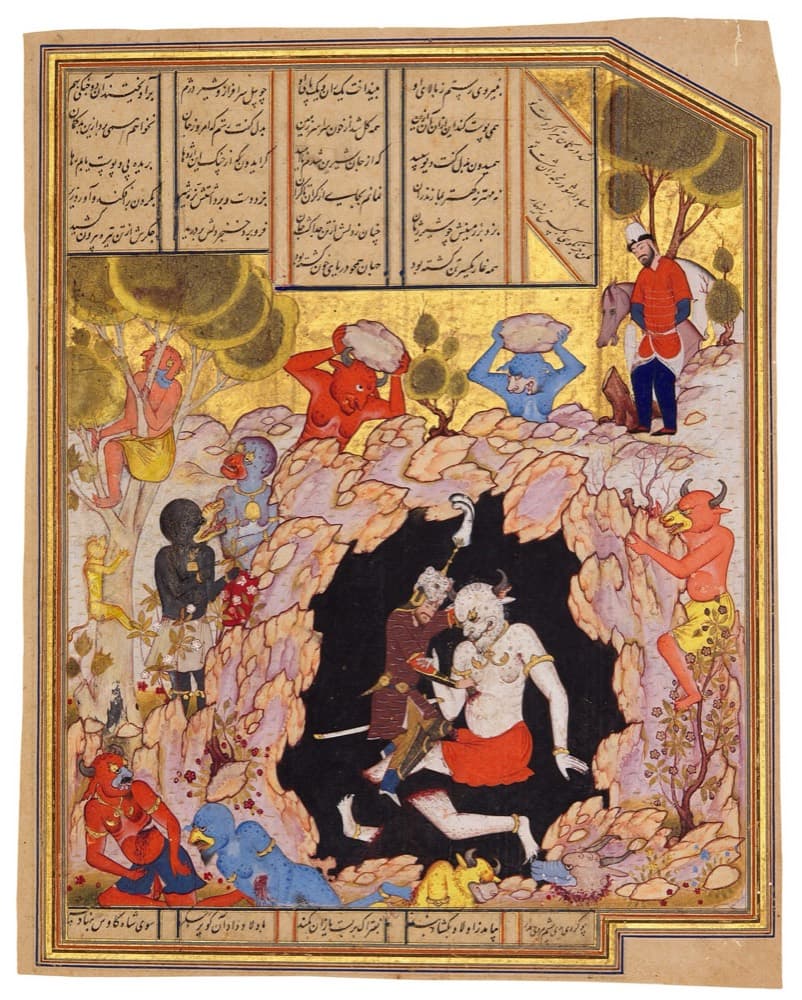
№ 010Persian
鲁斯塔姆
Foremost Champion of the Shahnameh
 № 011
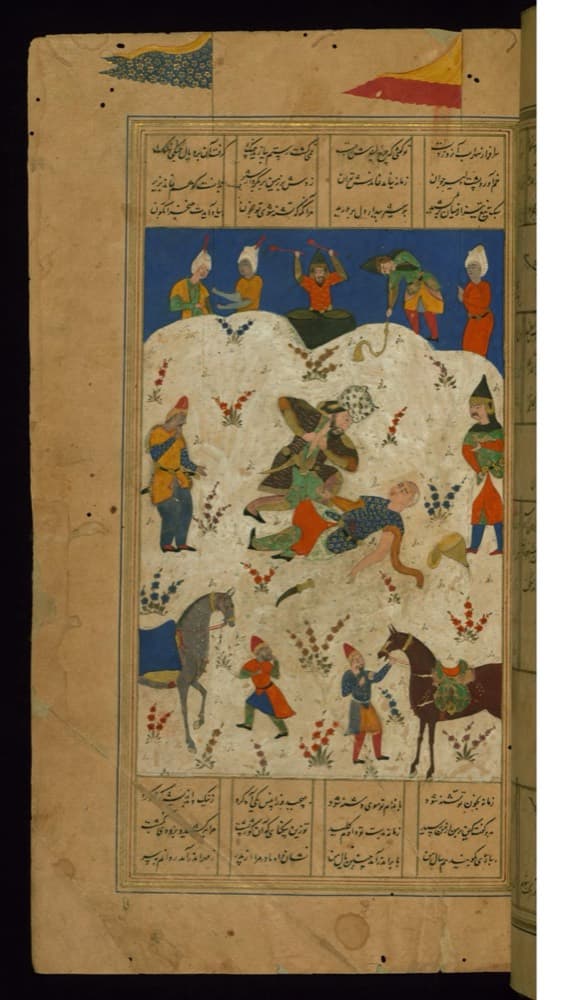
№ 011Persian
鲁斯塔姆与苏赫拉布
The Tragedy of Father and Son
 № 012
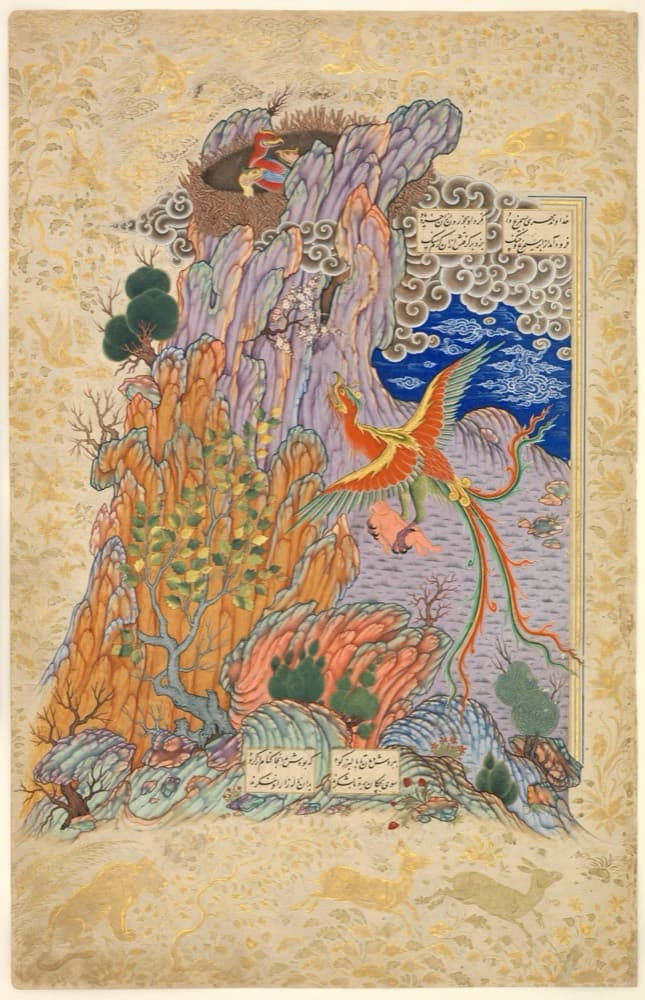
№ 012Persian
西摩格
The Wise Giant Bird of the World Tree