 № 001
№ 001Akan
Abosom
Ancient
阿博松
River, Rock, and Forest Each Bear a Name and a Covenant
Divine lineages · 23
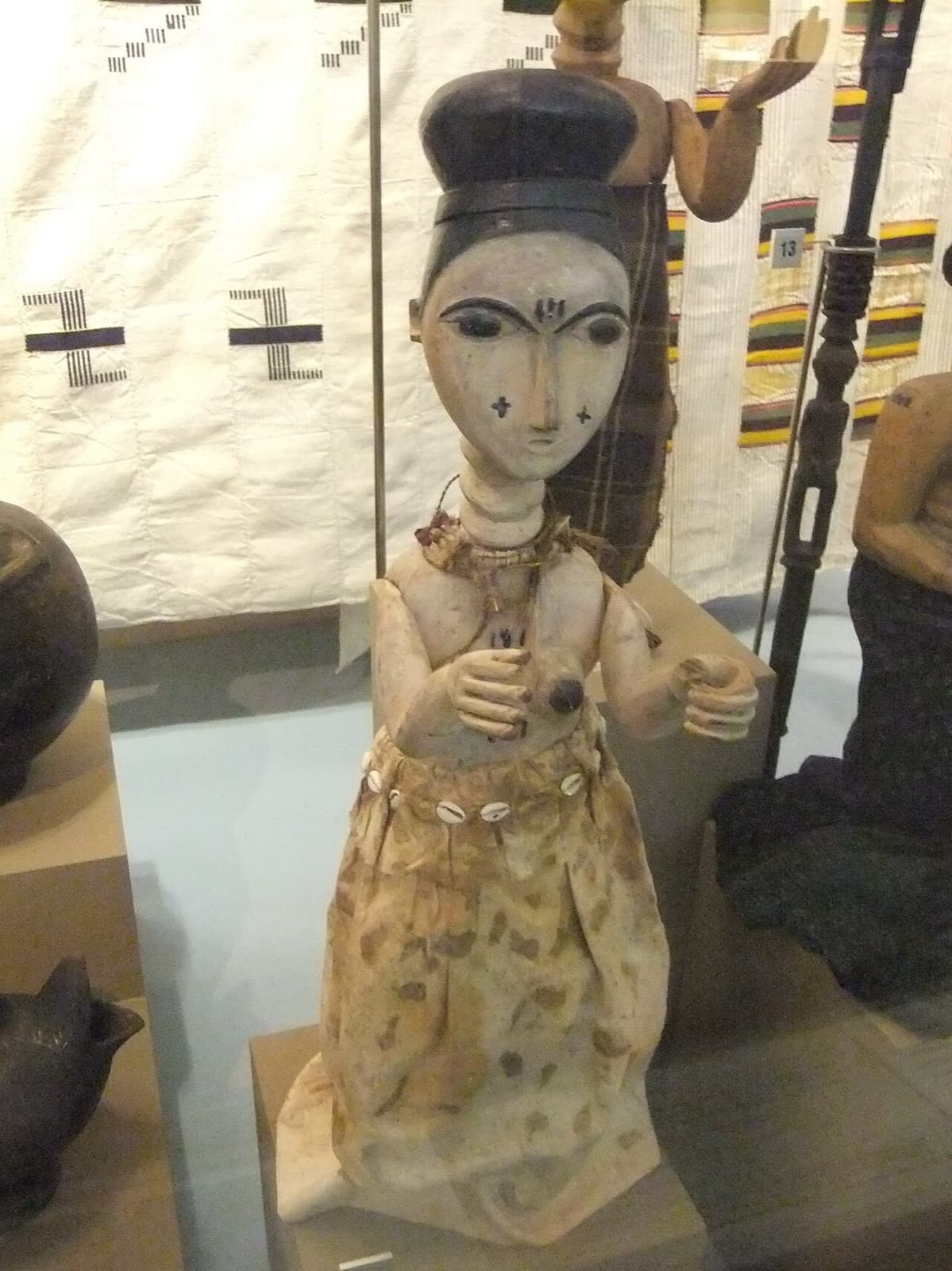
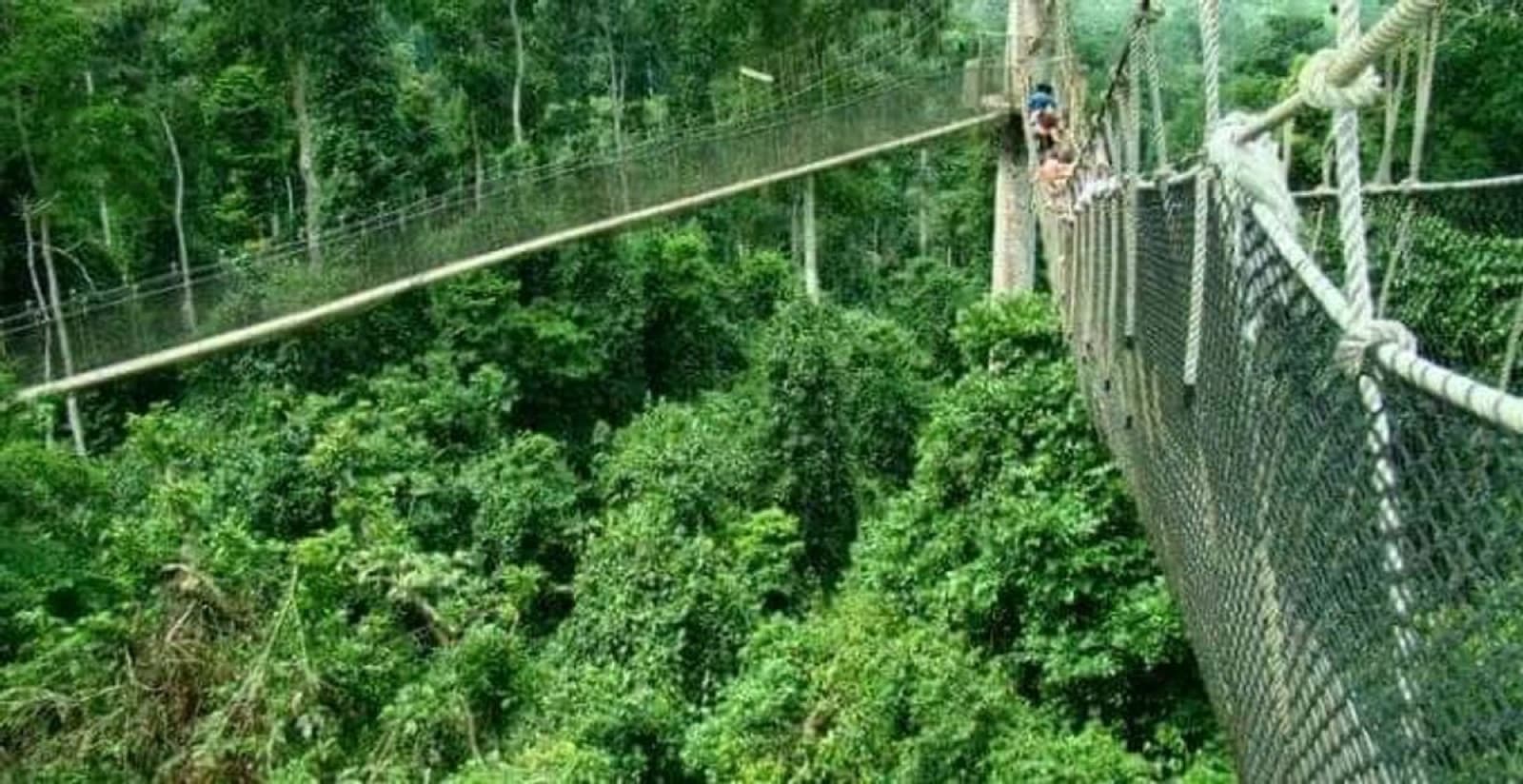
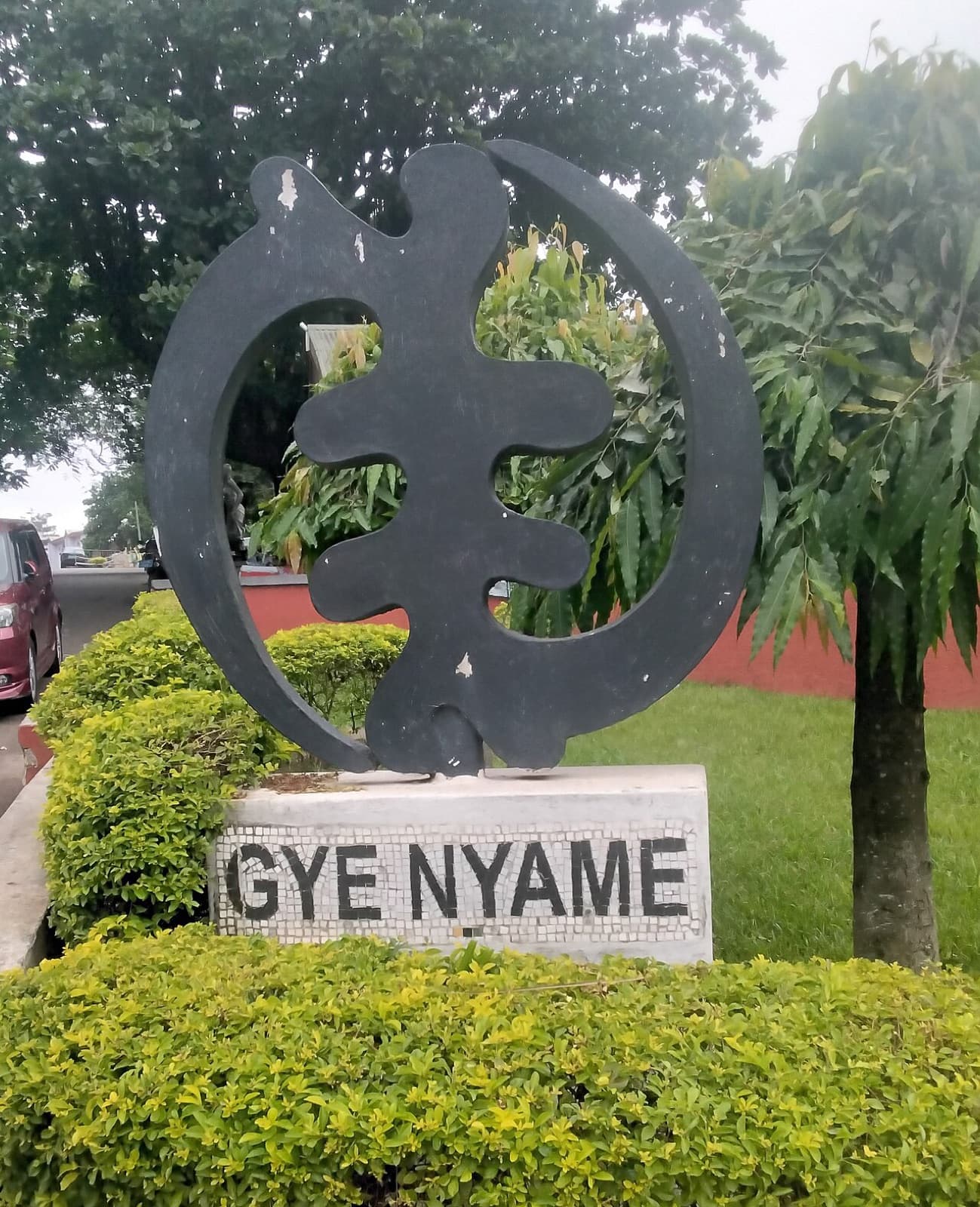
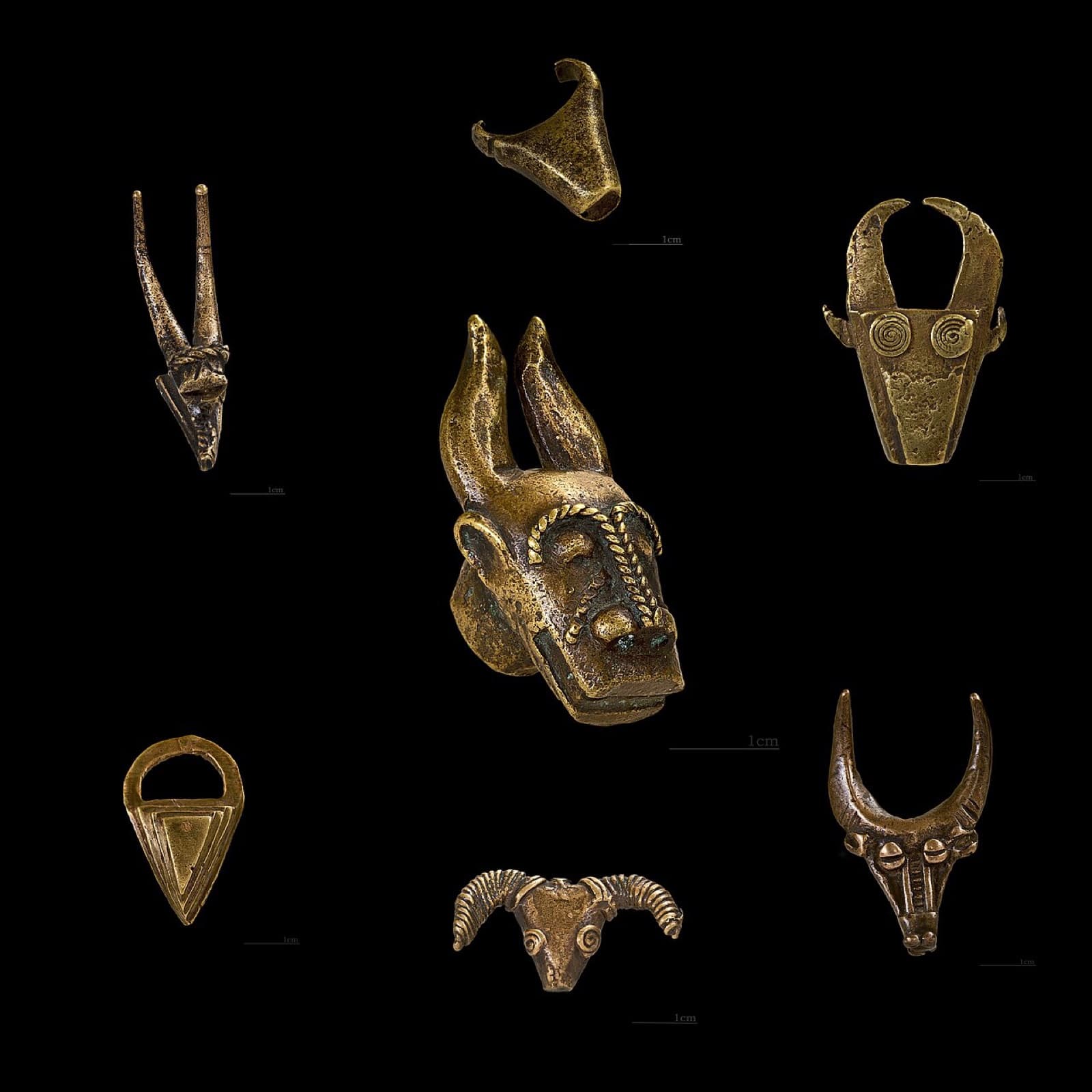
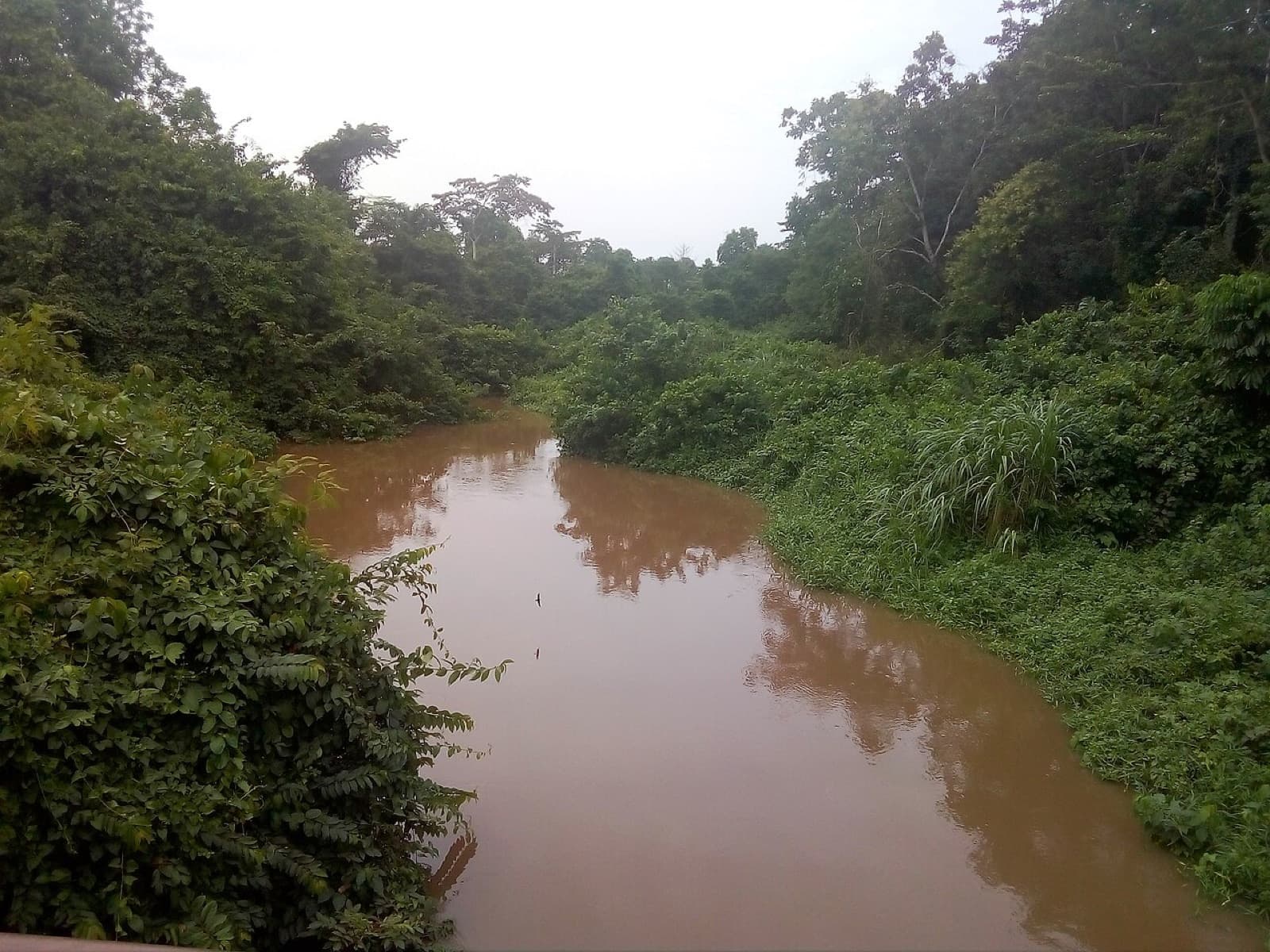
The sacred world of the Akan spans southern Ghana and Côte d’Ivoire and speaks differently among Asante, Fante, Akuapem, and other communities. Nyame dwells above; earth bears cultivation, burial, and oath under the name Asase Yaa. The abosom of rivers, rocks, and forests are not literary symbols but powers with temperaments, forbidden days, and priests through whom they may descend. Ancestors, lineage souls, and personal spirit are woven through the same field. The British colonial officer R. S. Rattray produced the largest early twentieth-century record of Asante religion, but his translations and categories bear the limits of their era; the atlas reads that archive beside later Akan scholarship and living practice.
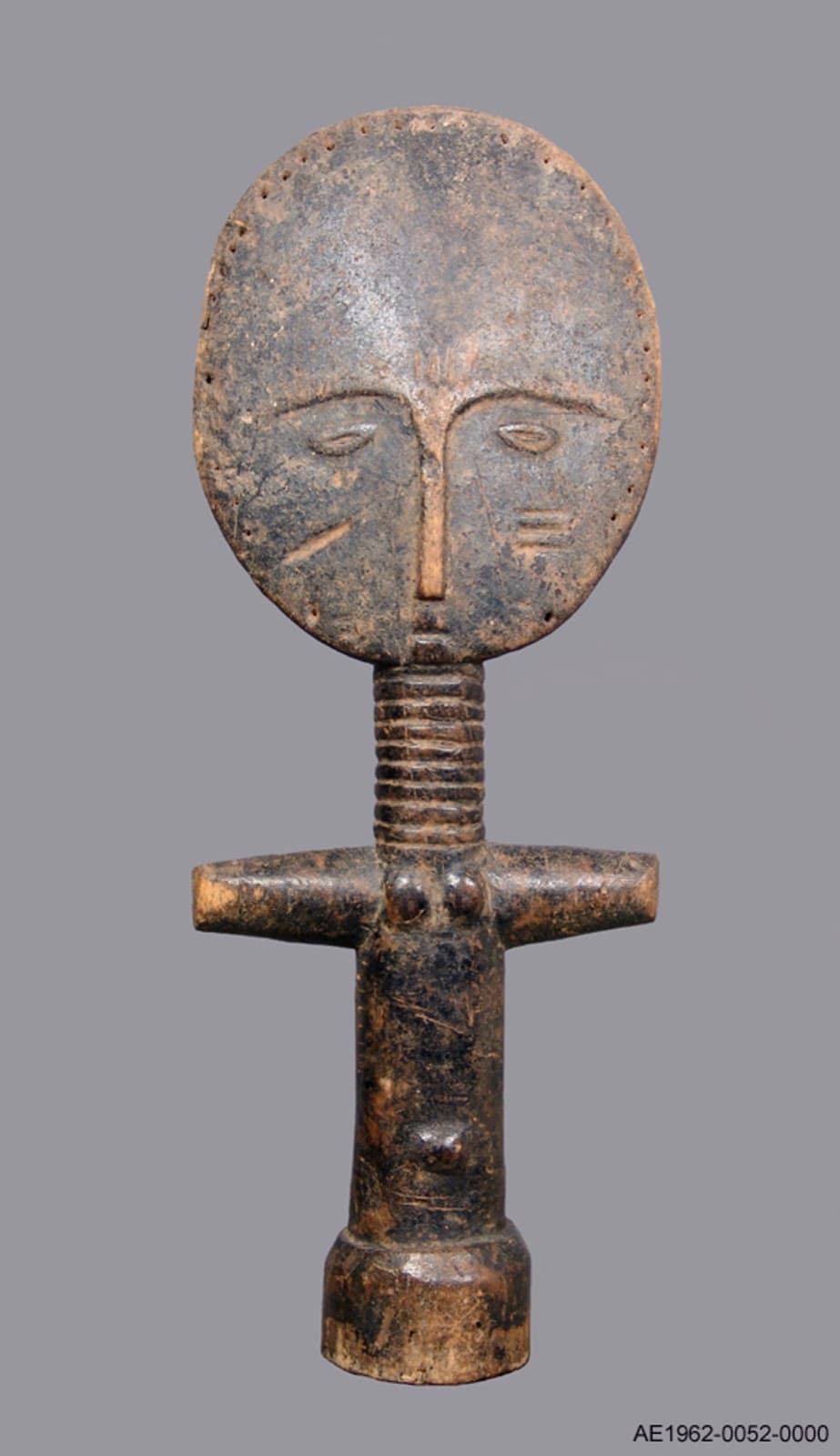
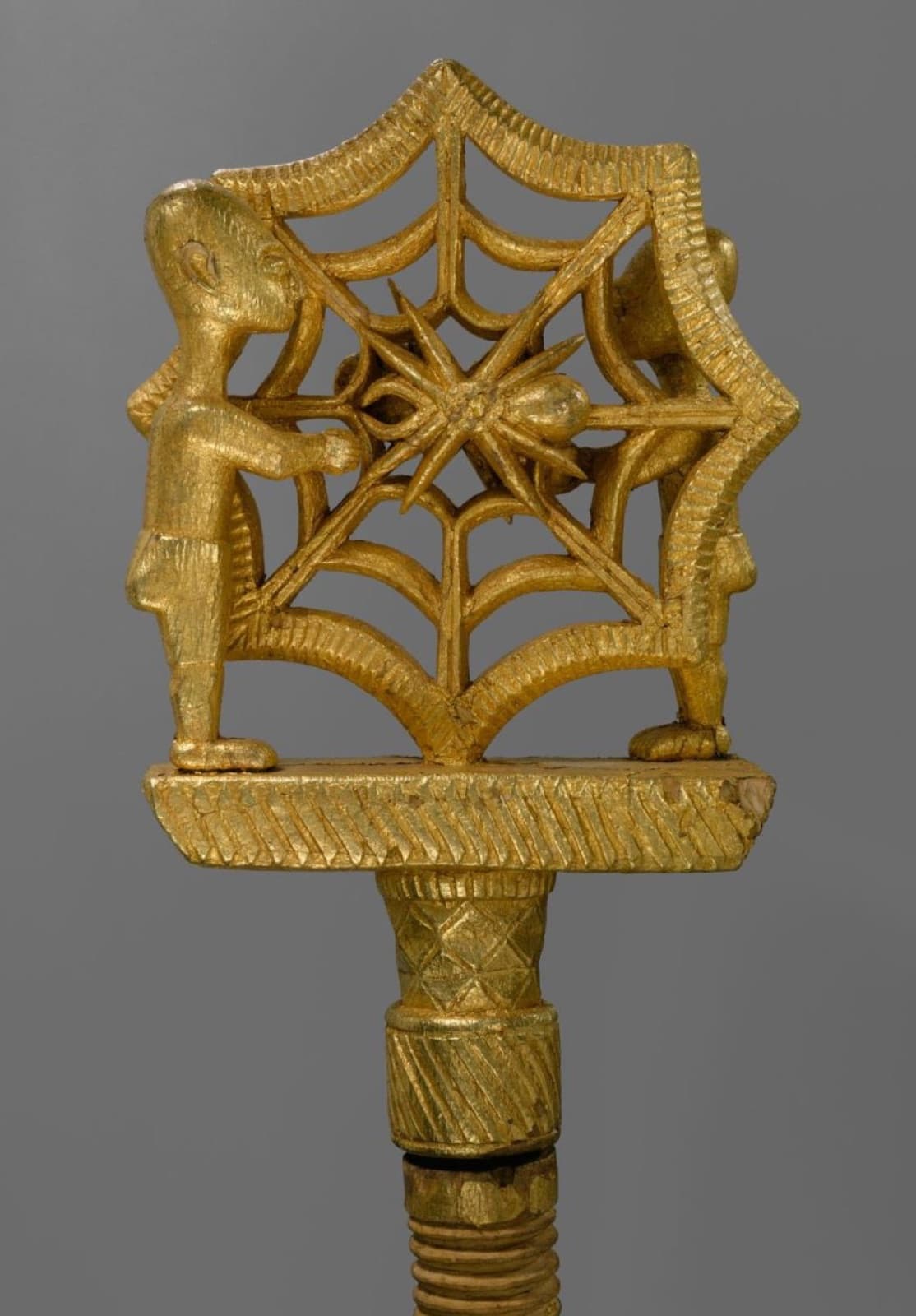
Its most famous narrator is a spider. Ananse purchases the world’s stories from Nyame by trapping leopard, hornet, and spirit through dangerous cleverness. He is greedy, fearful, and brilliant enough to fall into his own designs. Deeper in the forest wait Sasabonsam and the mmoatia: the first hangs iron teeth and impossible legs among the branches; the second are backward-footed beings who may teach medicine or turn an offender from the road. The akua’ba figure preserves another wonder. A woman named Akua carries a wooden daughter through public mockery and at last bears a child, making the image a vessel for countless prayers. From sky and river to spider tale and wooden child, Akan tradition locates sacred force within social order and every relationship that must be honored.
Opening the origin story…
№ 001Akan
阿博松
River, Rock, and Forest Each Bear a Name and a Covenant
 № 002
№ 002Akan
阿库阿芭
She Carried Wood as a Daughter Until Fate Gave the Image a Heart
 № 003
№ 003Akan
阿南西
Stories Once Belonged to the Sky; Spider Bought Them with Impossible Captures
 № 004
№ 004Akan
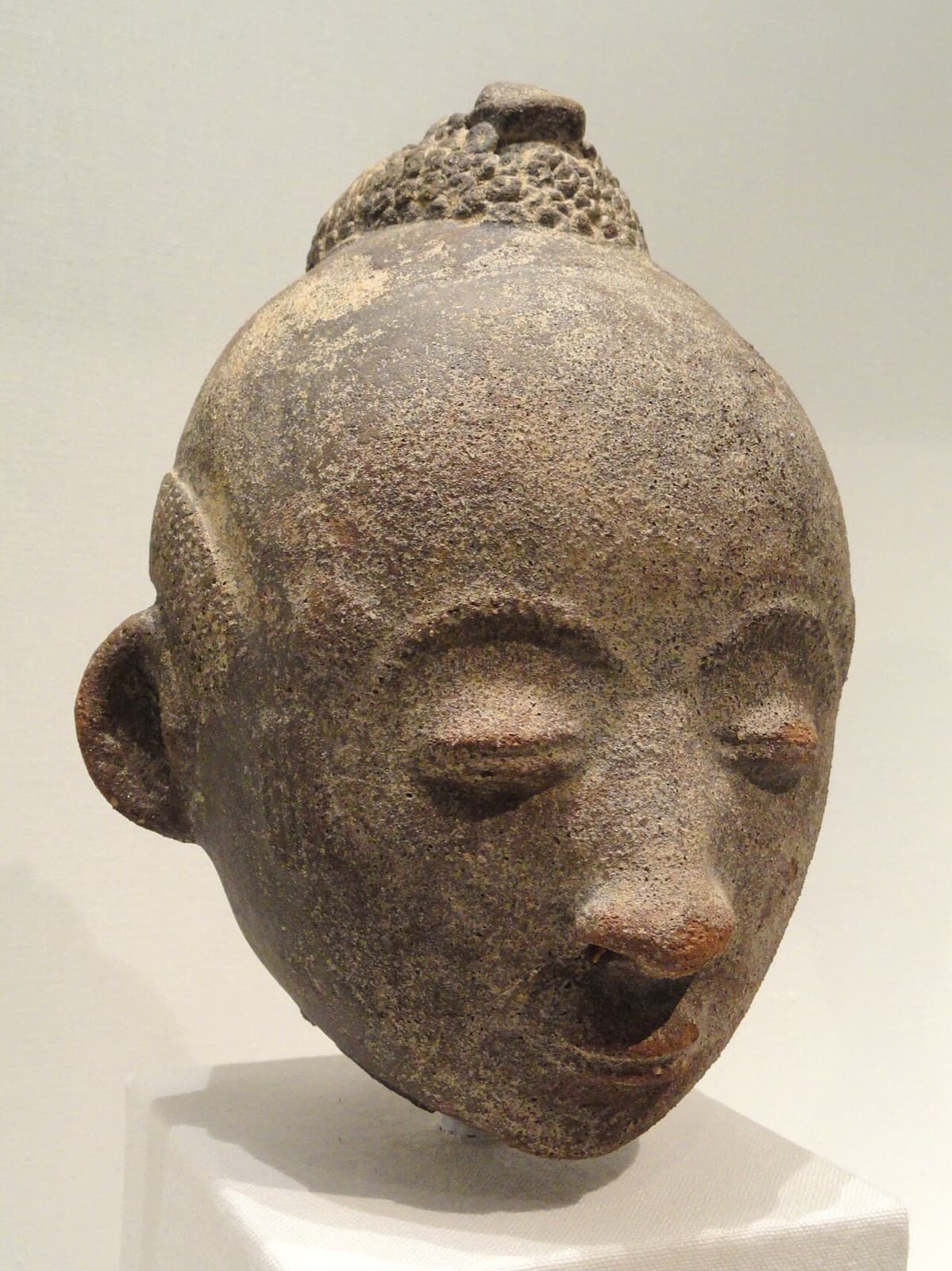
阿萨瑟·亚
Every Footstep Rests on Her; Every Dead Returns Within
 № 005
№ 005Akan
姆莫阿蒂亚
Their Heels Face Forward and Lead the Tracker Backward
 № 006
№ 006Akan
尼亚梅
The Sky Once Hung Within Reach, Until God Withdrew It
 № 007
№ 007Akan
萨萨邦萨姆
Iron Teeth in the Canopy, Hooked Legs Across the Path
 № 008
№ 008Akan
塔诺
The River Does Not Symbolize the God; Its Current Is His Body