THE STORY & ITS AFTERLIVES
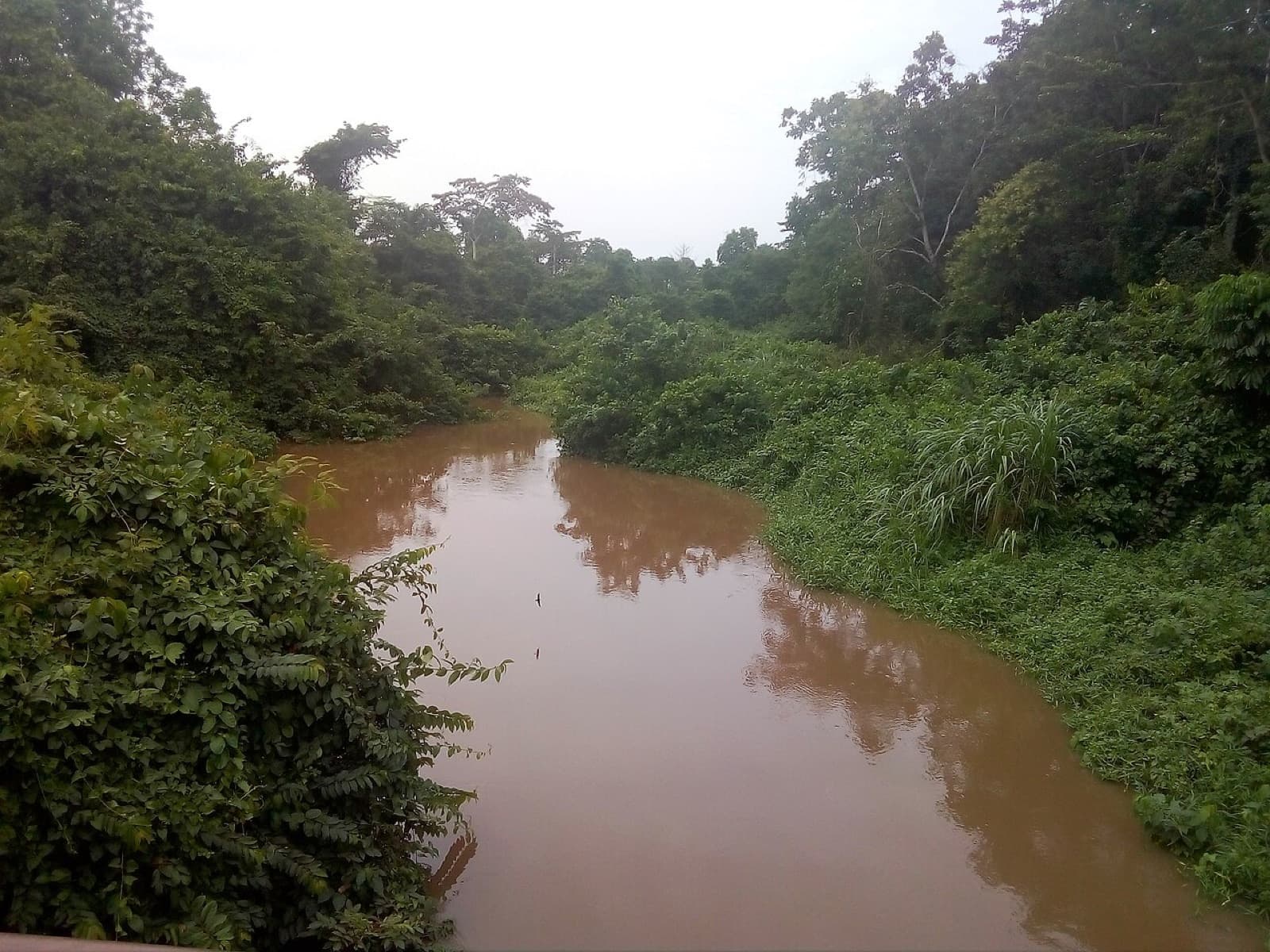
Abosom is the plural of obosom, often translated as lesser gods, divinities, or nature spirits, yet they are more than a rank of officials beneath Nyame. Each is known through a particular relationship: a reach of river, a rock, a forest, or a vessel carried from an older shrine. It possesses a name, gendered presence, forbidden day, favored colors and offerings, and a history of answering illness, war, or migration. A powerful obosom may generate branches from an original place, traveling through water, stone, or ritual object into a new settlement. The result is a shrine network whose members remain connected while becoming locally distinct.
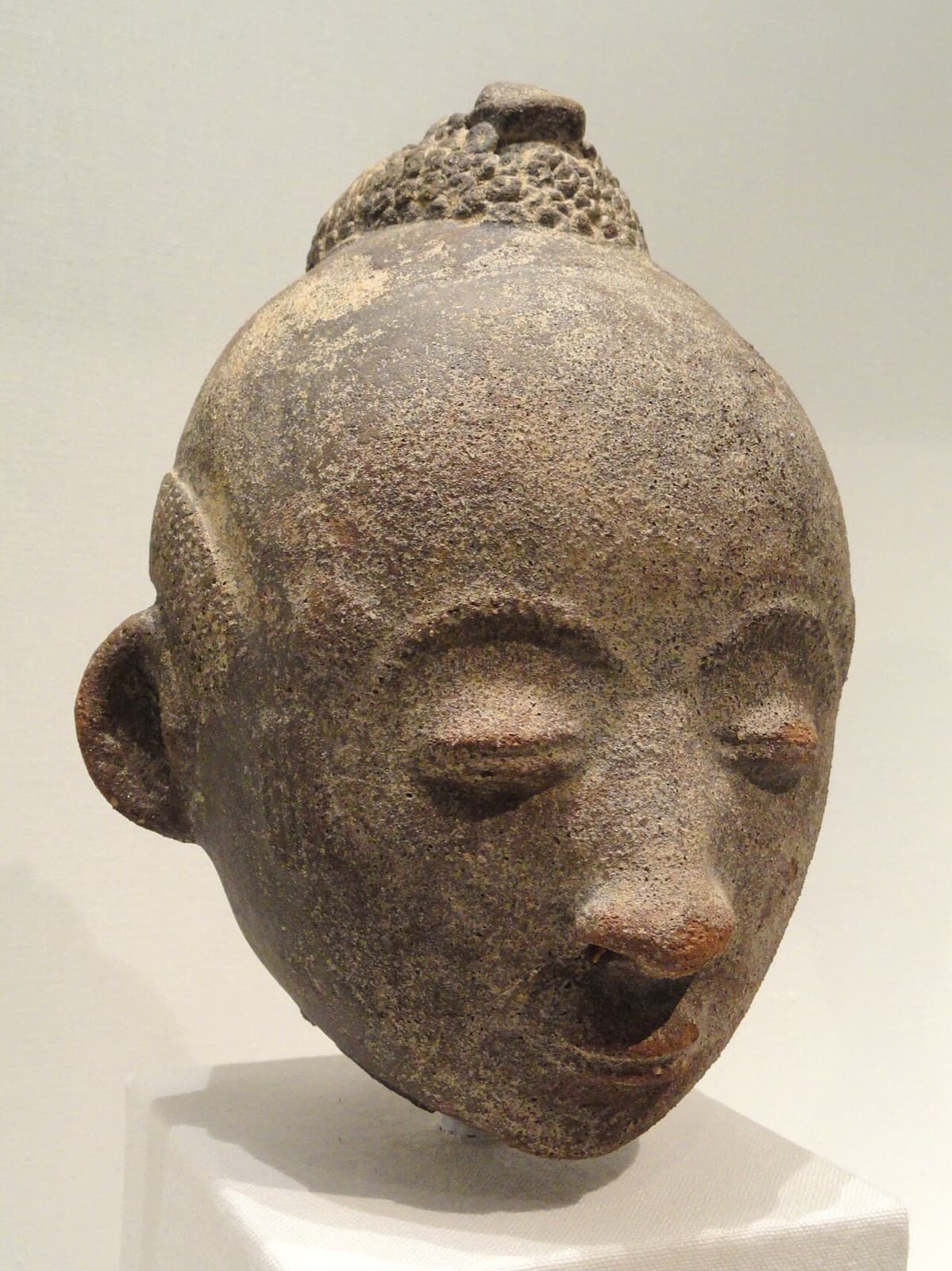
During possession, a priest’s body becomes a temporary house for divine speech. The drum rhythm changes; step and voice change with it. People ask about sickness, disappearance, oath, and future, receiving answers through oblique language, gesture, and divination. An obosom can refuse, grow jealous, or punish, and the relationship requires recurring ritual care. Ancestors and abosom occupy different positions in Akan thought: ancestors were once human, while the divinities belong to another order. Museums often isolate a shrine figure as though force were locked in wood. Sacred presence actually crosses object, location, priest, and community. Remove the relation and the case holds only a door without a house.