THE STORY & ITS AFTERLIVES
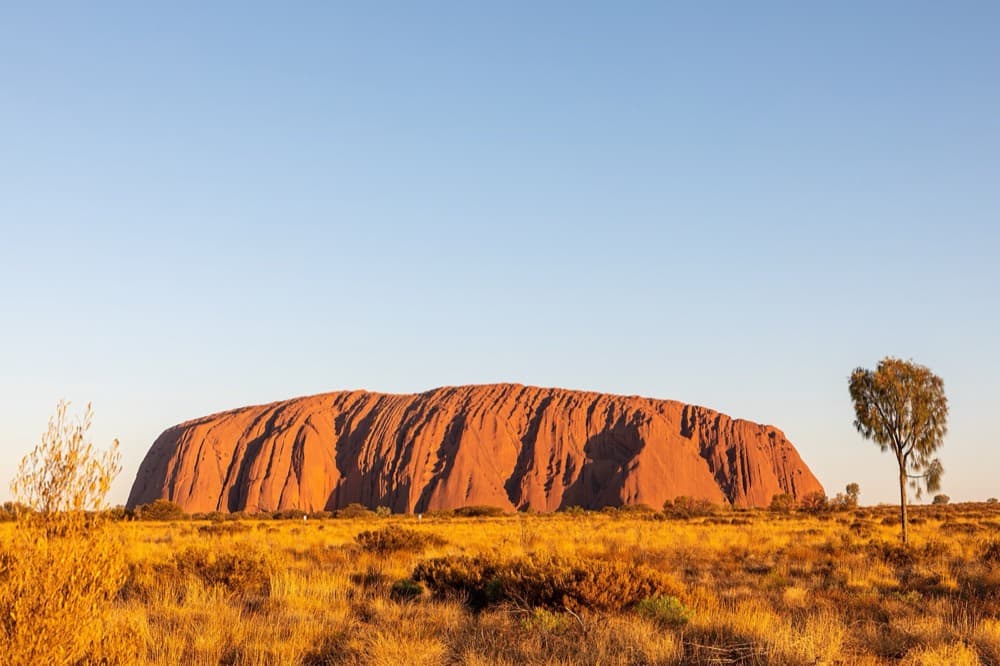
"Rainbow Serpent" is an umbrella term coined by the anthropologist A. R. Radcliffe-Brown in 1926 for a family of great serpent creators found across the continent, each known to its own people by its own name. The Bininj of western Arnhem Land know Ngalyod; the Yolngu of eastern Arnhem Land tell of the python Yurlungur; the Noongar of the south-west say the Wagyl carved the winding course of the Swan River; Anangu of the Central Desert speak of Wanampi coiled at the bottom of waterholes. Details differ — some serpents bear a kangaroo-like head or a mane trailing waterlilies — but all are bound to water: they dwell in permanent pools, travel with the wet-season floods, and arch across the sky as the rainbow after rain.
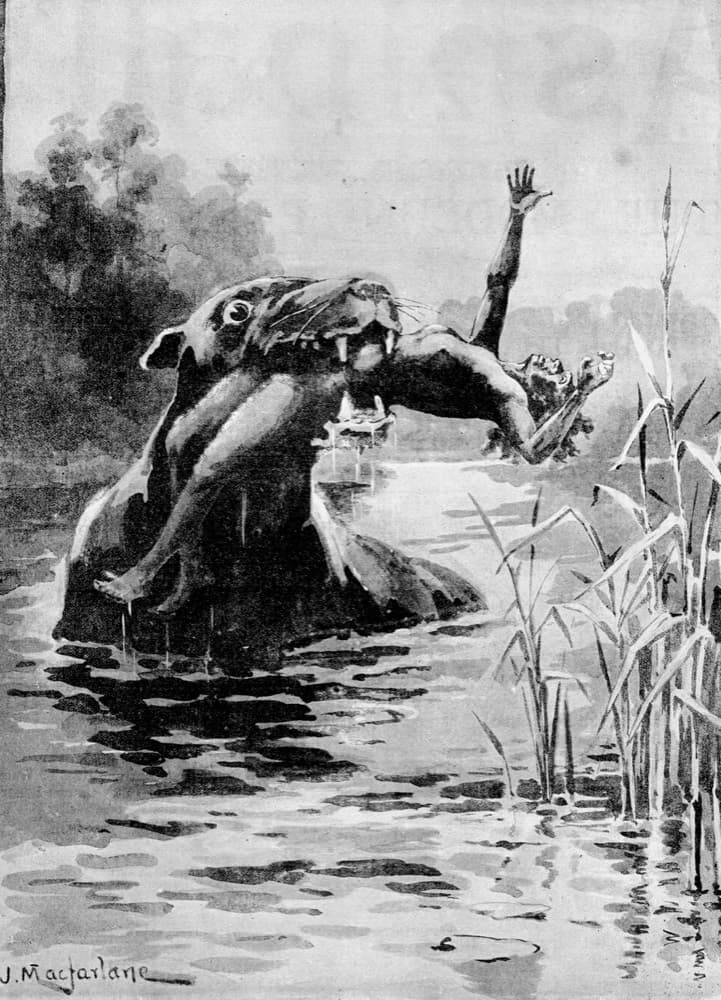
In Dreaming narratives the serpent is a maker of country. Tunnelling beneath the flat first earth, it raised ridges with its back, left riverbeds where it crawled, and sank waterholes where it rested. In western Arnhem Land, Ngalyod swallows those who disturb sacred places and vomits them up as rock; in the widely published Yolngu narrative of the Wagilag Sisters, Yurlungur swallows two sisters and their children and later disgorges them, a sequence that frames major public ceremony in the region.
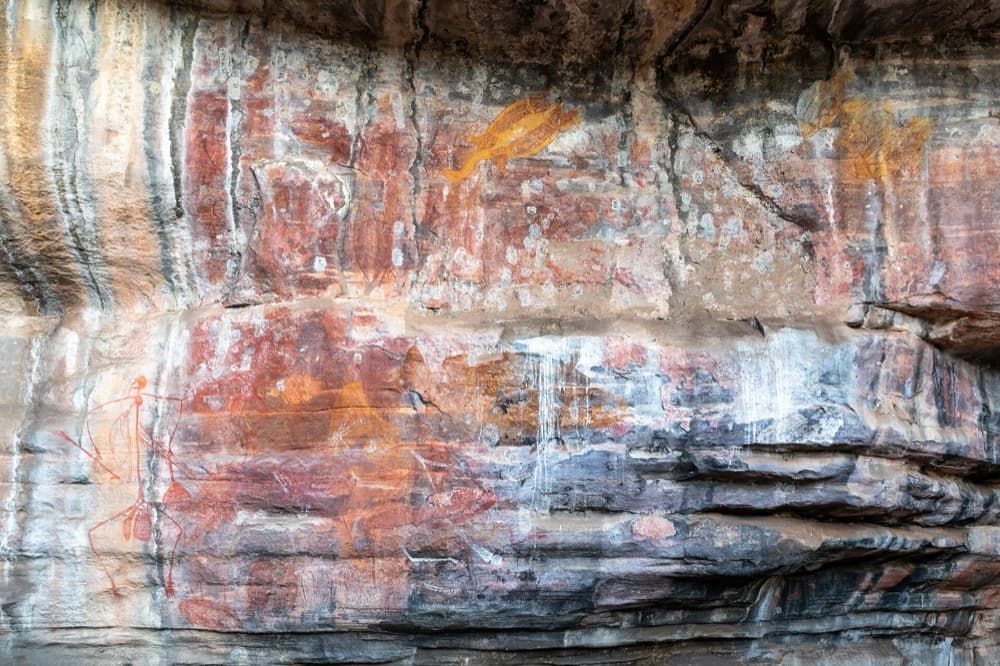
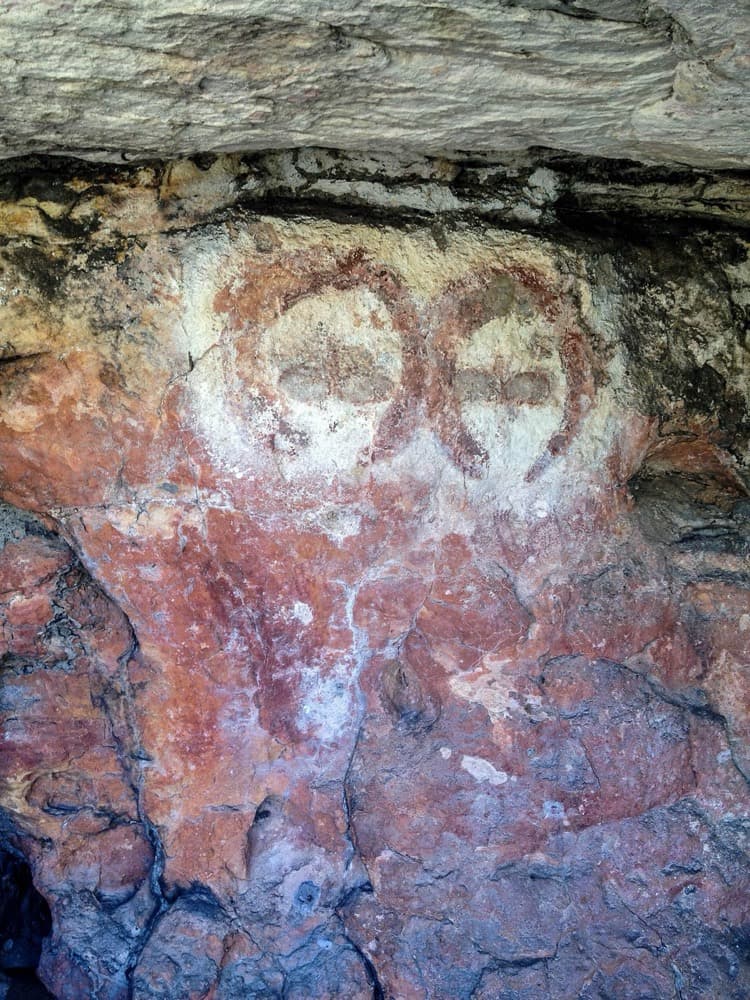
Rock-art research by Paul Taçon and colleagues traces rainbow serpent imagery in Arnhem Land back thousands of years, making it one of the longest-running religious motifs known anywhere. The serpent remains the most common subject of Aboriginal painting today, and around many communities visitors are still asked to respect the waterholes where a serpent is said to live.