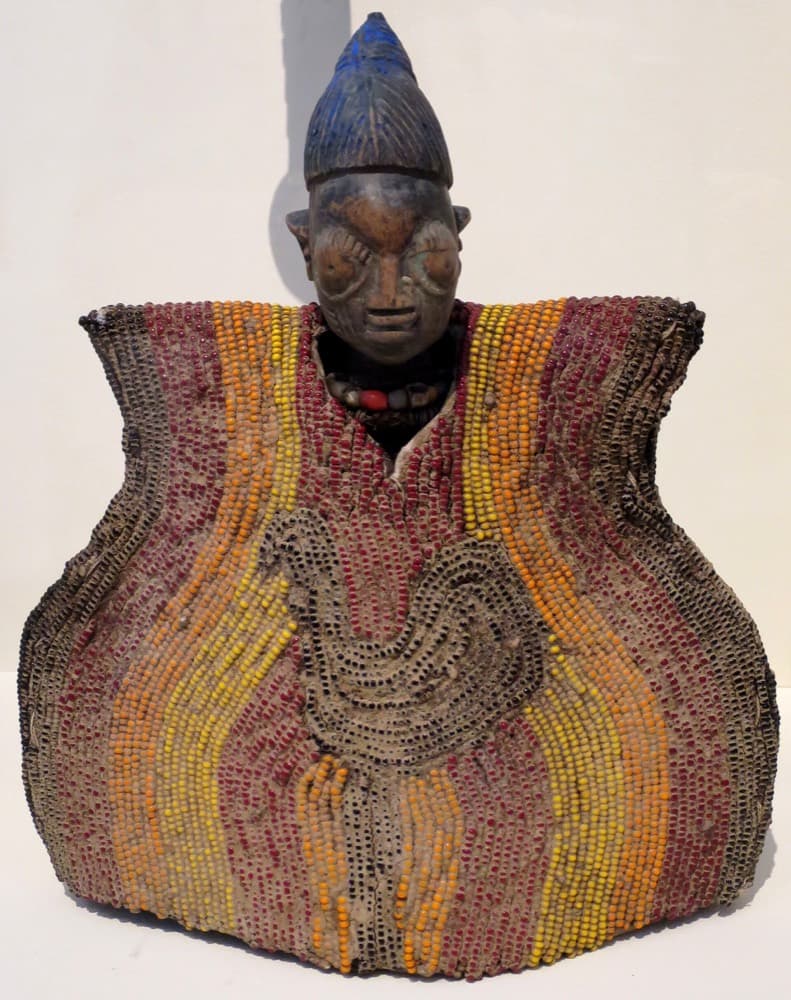
 № 001
№ 001Yoruba
Abiku
Folk
阿比库
The Spirit Child Born to Die
Divine lineages · 14
Yoruba mythology is the living belief-world of the Yoruba people of the Gulf of Guinea, carried today by tens of millions in Nigeria, Benin, and Togo, and by one of the largest religious diasporas on earth. It has no ancient written canon; its scripture is memory. The 256 odu of Ifa divination each head a corpus of verses, while oriki praise poetry, festivals, drumming, and masquerade do the work of books. Only from the late nineteenth century did Samuel Johnson's History of the Yorubas and the studies of Idowu, Bascom, and Abimbola begin fixing the oral world in print.
At the summit stands Olodumare, the remote high god without temples, who leaves the world to the orishas — 401 of them, tradition says. Each has a portfolio, colors, taboos, and drum rhythms: Obatala shapes human bodies, Ogun clears the road, Shango wields thunder, Oshun, Yemoja, and Oya each command a river, and the trickster Eshu keeps the crossroads, ferrying offerings and messages between heaven and earth. Relations between people and gods are practical: sacrifice buys protection, divination settles a course, and destiny, chosen on one's knees before birth, is worked out with ase, the power that makes things happen. The holy city of Ile-Ife is where the land began, and every royal line runs back to Oduduwa, who made it.
The Atlantic slave trade carried the whole system across the ocean: Cuban Santeria, Brazilian Candomble, and Trinidad's Orisha religion are built on orisha worship, and on New Year's Eve millions in Rio cast white flowers into the sea for Yemoja. Since 2005 the Ifa divination system and the Osun-Osogbo Sacred Grove have entered UNESCO's heritage lists, while Tutuola, Soyinka, and Okri wrote the palm-wine ghosts, Ogun, and the abiku spirit child into world literature.
Opening the origin story…
№ 001Yoruba
阿比库
The Spirit Child Born to Die
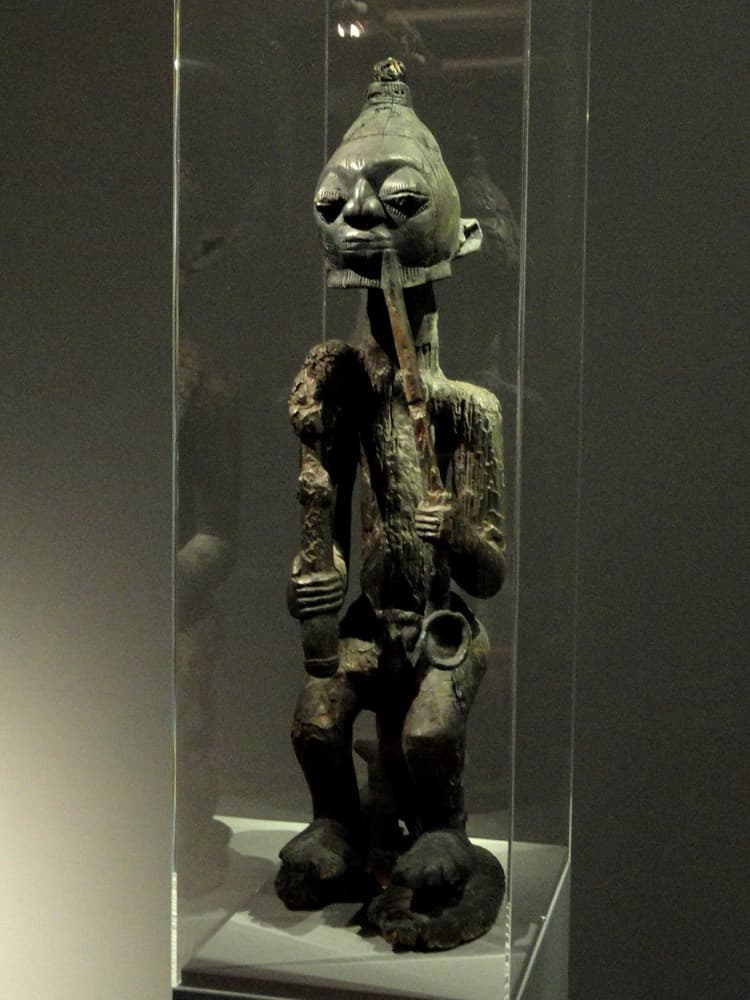 № 002
№ 002Yoruba
埃舒
Trickster Messenger of the Crossroads
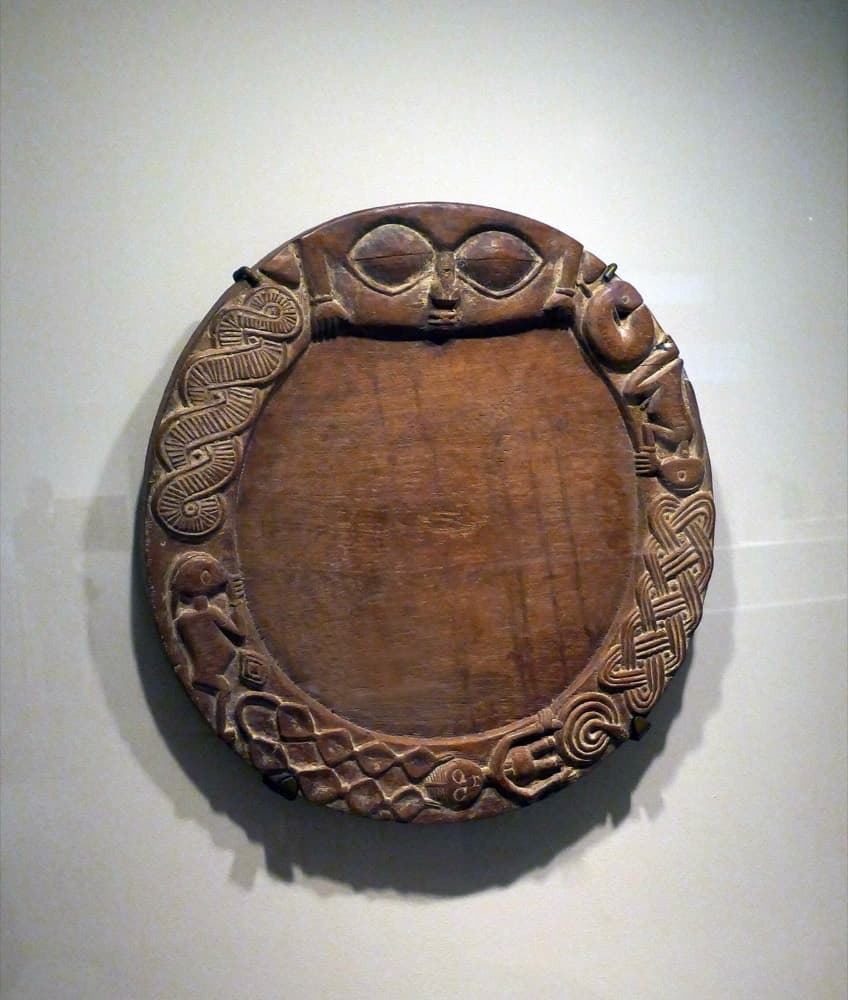 № 003
№ 003Yoruba
伊法占卜
The Divination System of Sixteen Nuts and 256 Odu
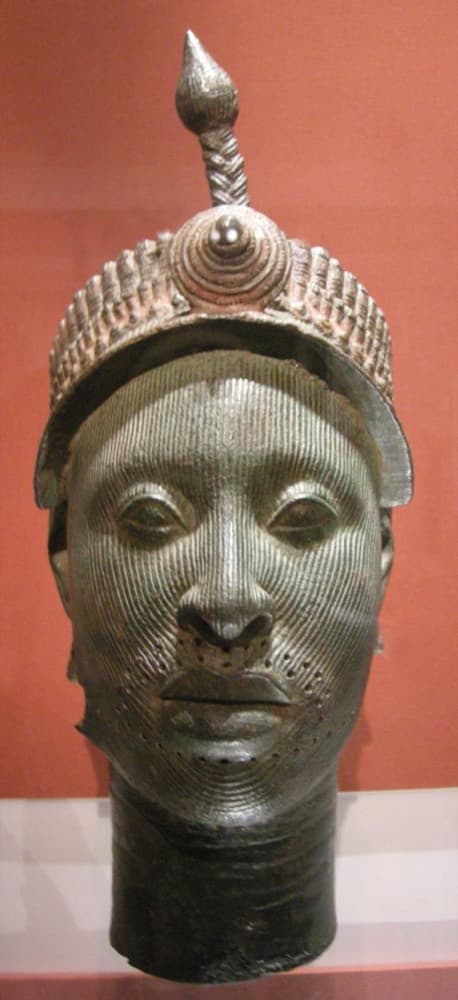 № 004
№ 004Yoruba
伊费
The Yoruba Holy City Where the Land Began
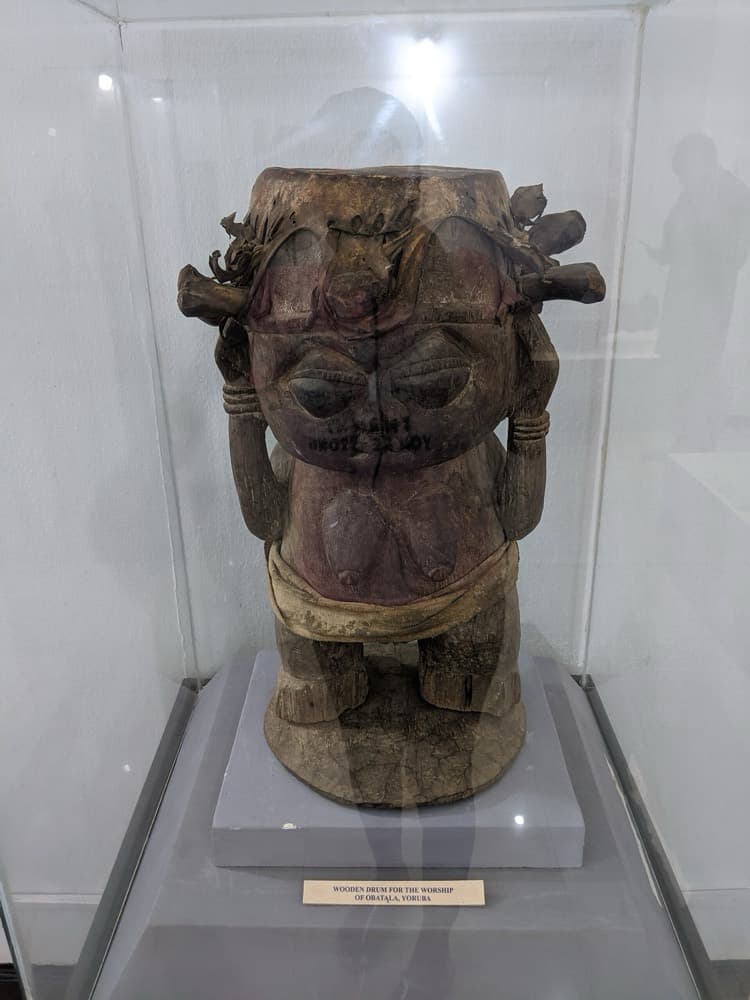 № 005
№ 005Yoruba
奥巴塔拉
King of the White Cloth, Shaper of Human Bodies
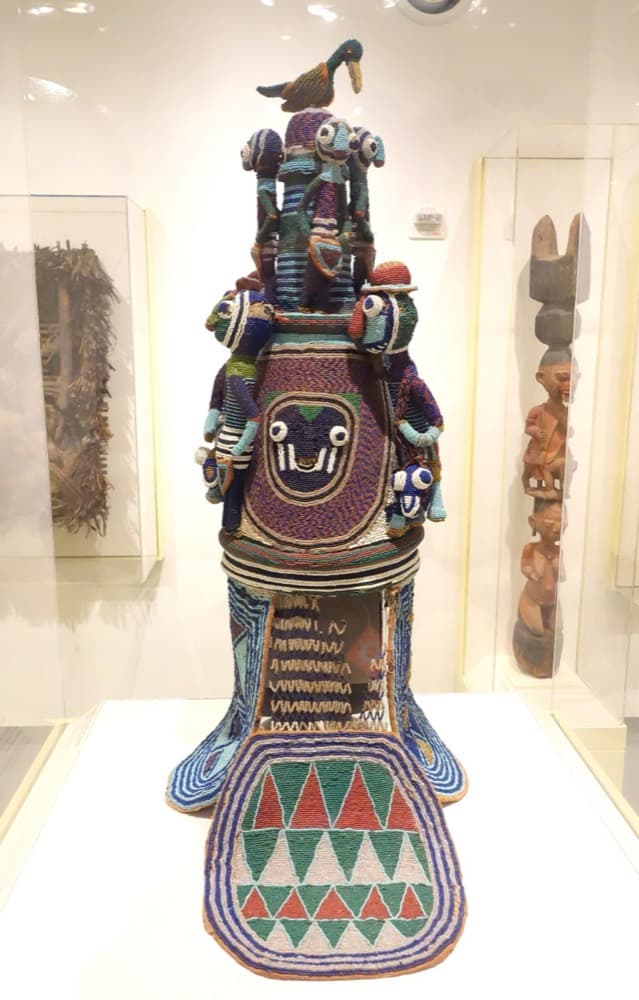 № 006
№ 006Yoruba
奥杜杜瓦
Maker of the Land, Ancestor of Kings
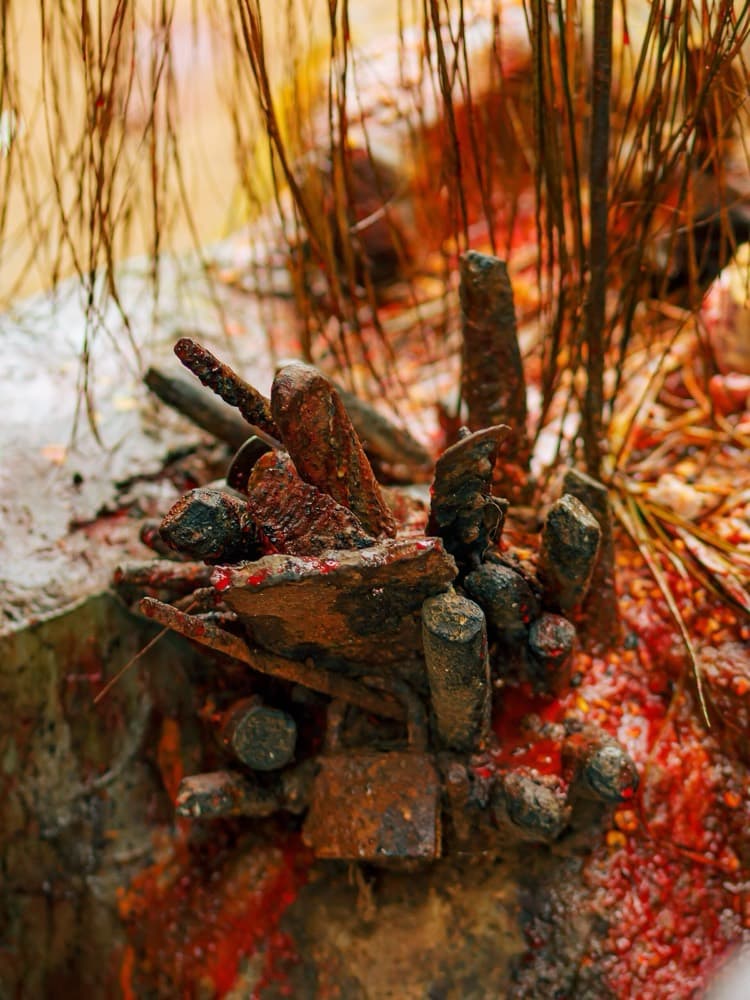 № 007
№ 007Yoruba
奥贡
Orisha of Iron and War
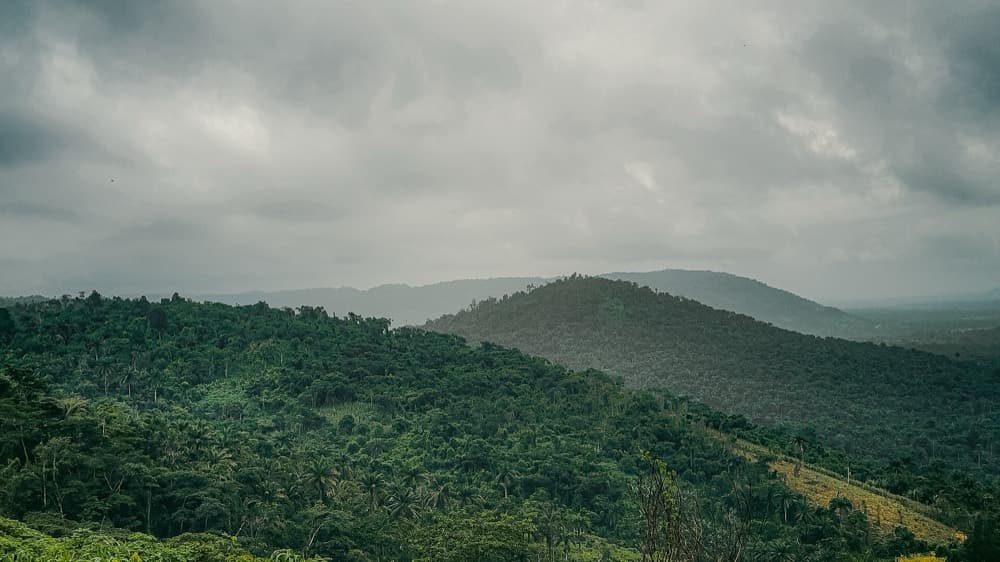 № 008
№ 008Yoruba
奥罗杜马雷
Supreme God, Owner of the Sky
 № 009
№ 009Yoruba
奥孙
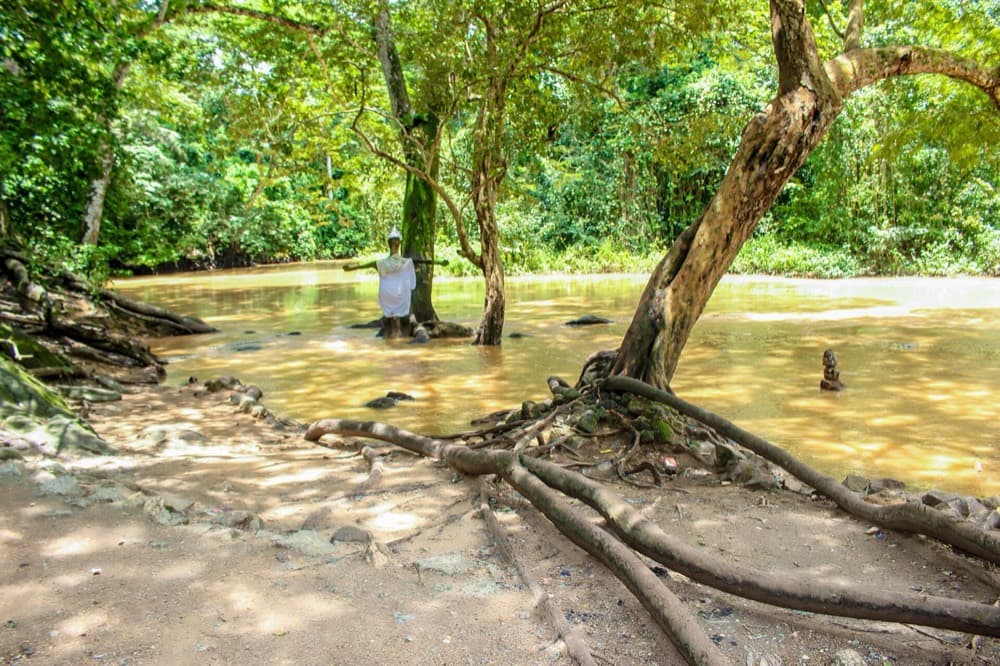
Goddess of the Osun River
 № 010
№ 010Yoruba
奥雅
Orisha of Storms and the Niger River
 № 011
№ 011Yoruba
尚戈
Orisha of Thunder, Deified King of Oyo
 № 012
№ 012Yoruba
叶莫嘉
Mother of Waters