THE STORY & ITS AFTERLIVES
Ifa divination is conducted by a priest called a babalawo, 'father of secrets'. He spreads iyerosun wood powder on a carved tray, the opon Ifa, and beats sixteen sacred palm nuts between his hands, marking single or double strokes in the powder according to the remainder left in his palm; a chain of eight seed half-shells, the opele, serves as a faster instrument. Eight marks make a figure: one of 256 odu, each the heading of a body of memorized verses. The babalawo recites the verses of the odu that has appeared, the client recognizes his own case among their stories, and the prescribed sacrifice goes up to heaven through Eshu.
The system belongs to Orunmila, orisha of wisdom, titled Eleri Ipin, 'witness of destiny': he watched creation and watched every soul kneel to choose its fate, so only he can point the way back to it. The verses of the 256 odu hold myth, medicine, history, and proverb, all carried by memory; training a babalawo commonly takes more than a decade.
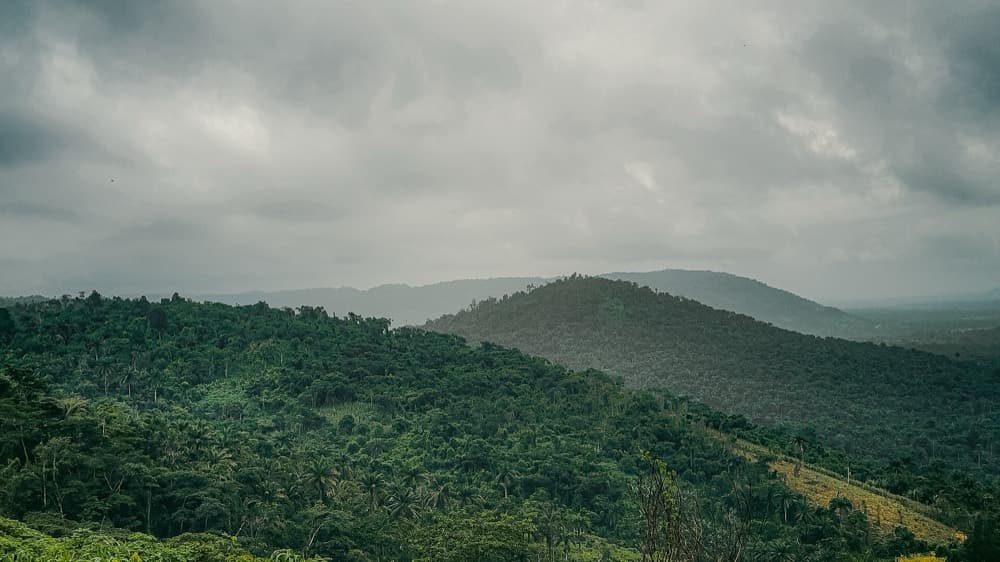
Ifa spread westward into Fon and Ewe country as Fa and Afa, and enslaved babalawos carried the full system to Cuba. UNESCO proclaimed the Ifa divination system a Masterpiece of the Oral and Intangible Heritage of Humanity in 2005 and inscribed it on the Representative List in 2008. Oke Itase hill in Ile-Ife remains the seat of the Araba, senior priest of Ifa.