THE STORY & ITS AFTERLIVES
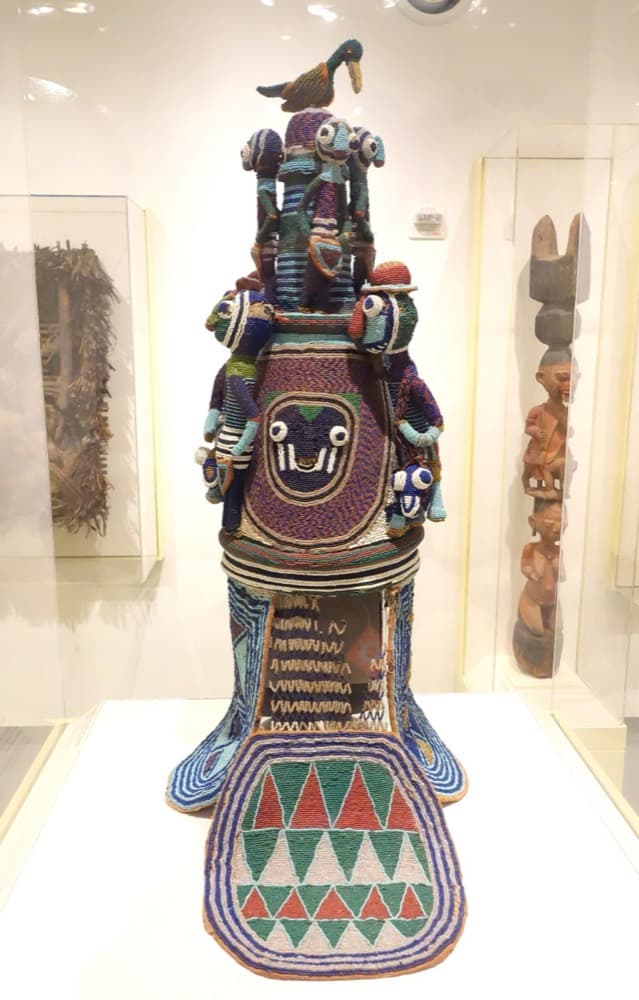
Ile-Ife is the holy city of the Yoruba world, the place where Oduduwa poured earth on the primeval waters and dry land first appeared; one tradition derives its name from the report that 'the earth spreads wide'. The city is said to keep shrines to 401 divinities, with a festival for nearly every day of the year, and all Yoruba kingship flows from it: only rulers tracing descent to Oduduwa may wear the fringed beaded crown, and the Ooni of Ife reigns as his heir.
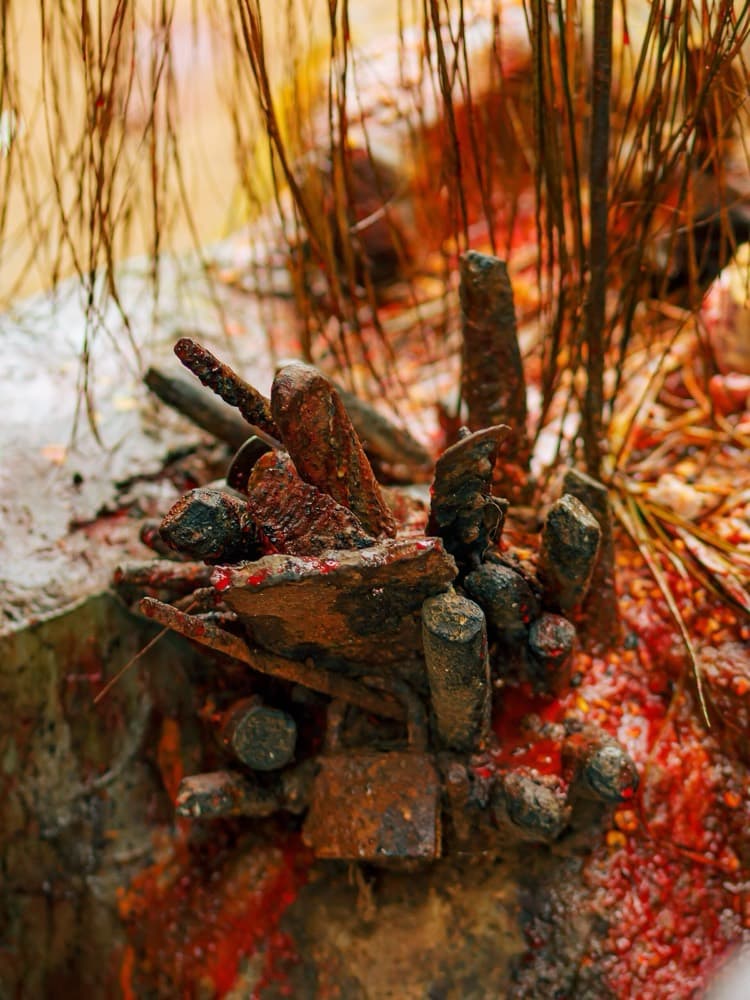
Archaeology bears out a great city flourishing between the 12th and 15th centuries. In 1910 the German ethnographer Leo Frobenius unearthed naturalistic brass and terracotta heads and, unable to credit them to Africa, announced he had found a Greek colony, a lost Atlantis. In 1938 a cache of near life-size cast brass heads came to light in the Wunmonije compound, works of a precision that stands comparison with Renaissance bronze, now the pride of Nigeria's national museums. In the city stands the Opa Oranmiyan, a granite monolith over five meters tall studded with iron nails, held to be the monument of Oduduwa's son Oranmiyan, founder of Oyo.
Modern Ife is a university city in Osun State, and the Ooni remains among Nigeria's most senior traditional rulers. Oke Itase hill is the seat of the Araba, chief priest of Ifa, and at the yearly Olojo festival the Ooni appears in the ancestral Are crown to honor Ogun and the day of creation.