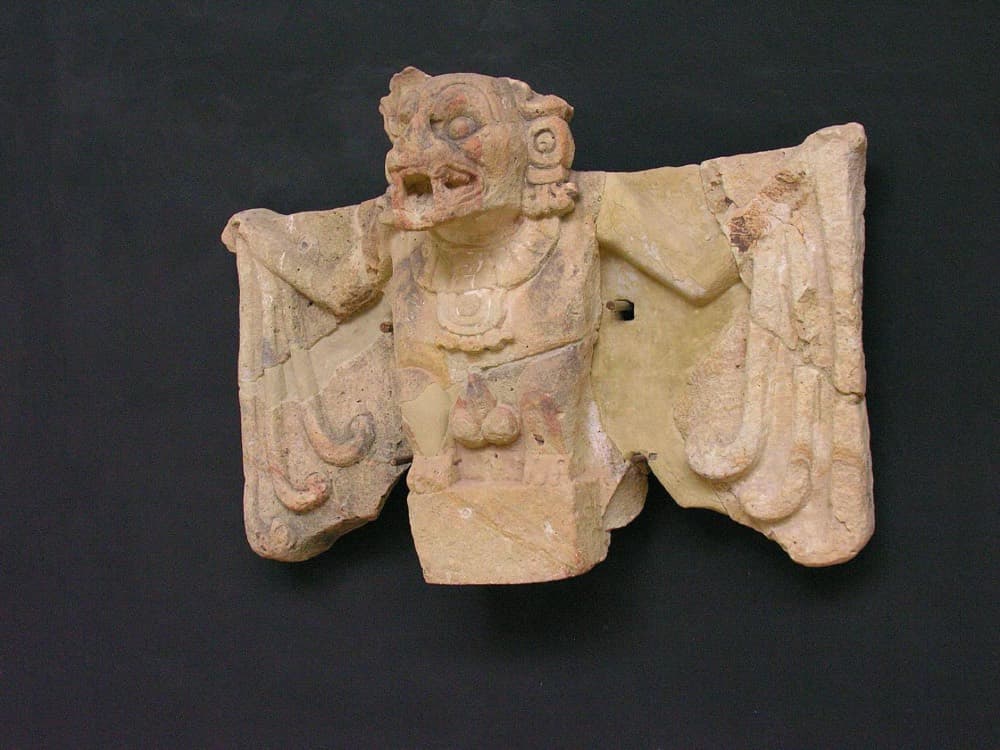
 № 001
№ 001Maya
Camazotz
Ancient
卡马佐兹
The Death Bat of the House of Bats
Divine lineages · 16
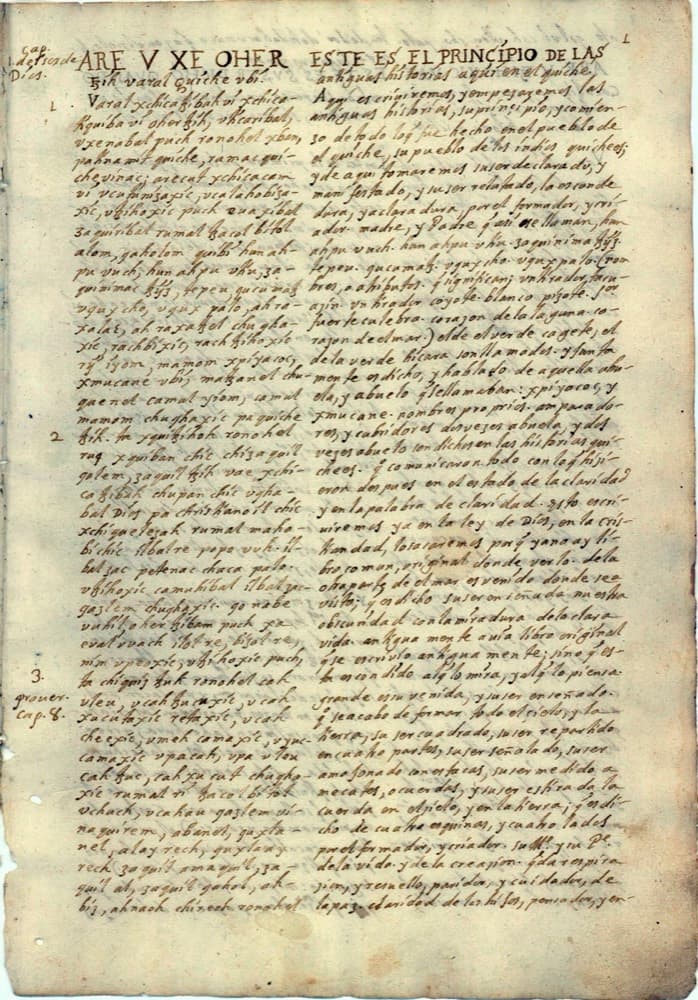
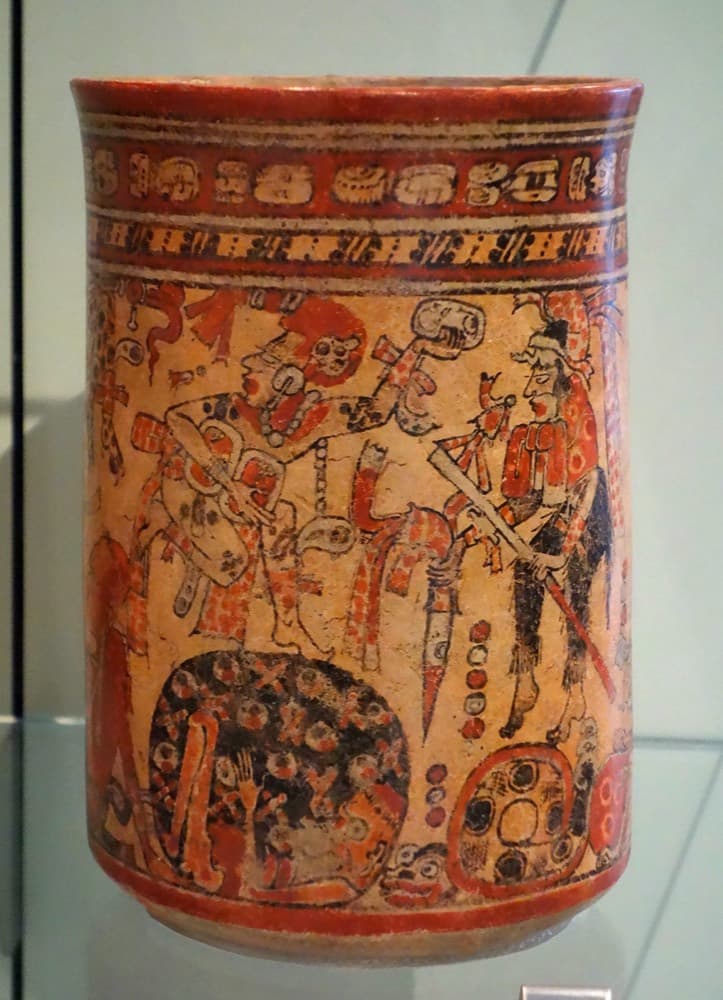
Maya mythology grew up between the limestone plains of the Yucatán Peninsula and the volcanic highlands of Guatemala. Its written record has a strange shape: the earliest portraits of the gods survive on Classic period (250-900 CE) stelae, painted vases, and temple inscriptions; four bark-paper codices (Dresden, Madrid, Paris, Grolier) preserve priestly almanacs and divine imagery; yet the fullest narrative was set down only after the conquest, when K'iche' nobles in the mid-16th century used the Latin alphabet to record the Popol Vuh - creation, Hero Twins, and dynastic genealogy in one book. Bishop Landa burned the Maya libraries, and his own Relación then became, by accident, a key to reading what remained.
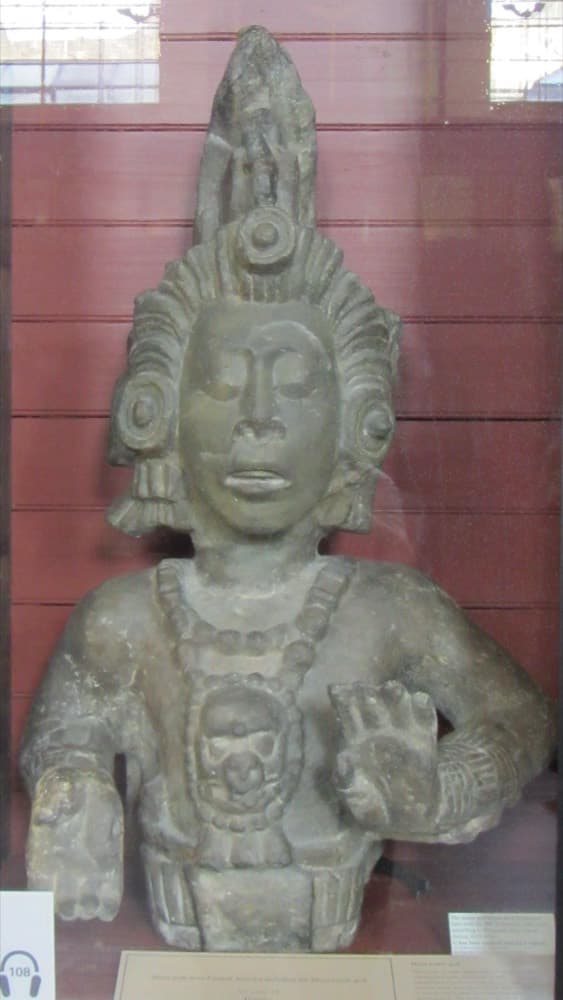
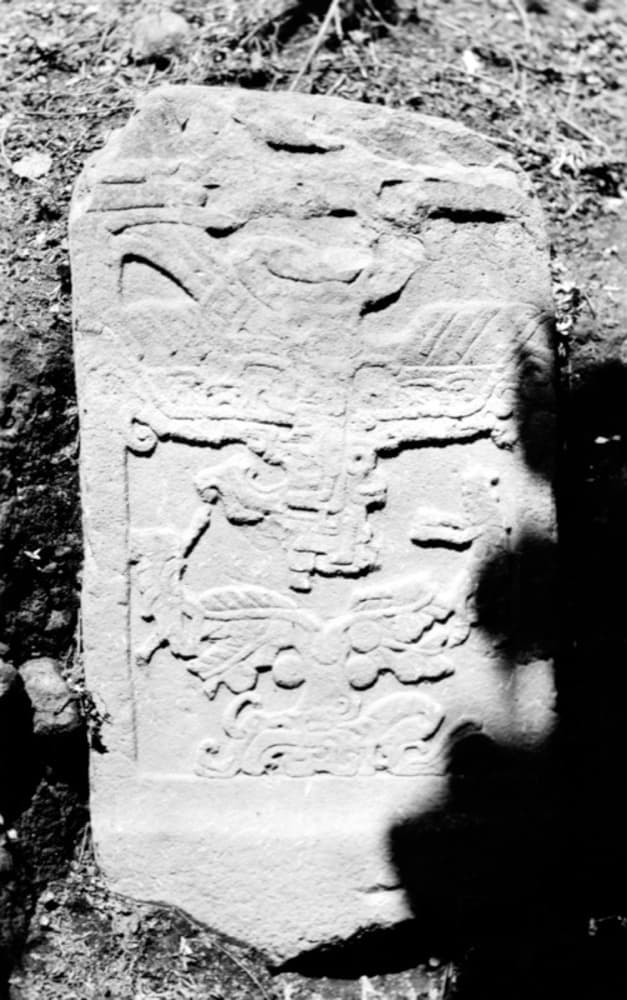
The skeleton of this mythology is maize and recurrence. The gods made humanity three times over: people of mud dissolved, people of wood perished under the flood and a rain of burning resin, and only dough ground from white and yellow corn yielded true human beings. People are made of maize, so planting and harvest replay the myth every year. Beneath the earth lies Xibalba, the "place of fright," entered through caves and cenotes, where death lords harvest their guests with ballgames and killing houses - until the twins Hunahpu and Xbalanque beat them with fireflies, a substitute head, and one irresistible sacrifice trick. Above, the rain god Chaac strikes lightning from his axe, the aged creator Itzamna rules writing and the calendar from his sky-band throne, and the feathered serpent Kukulkan crawls down the pyramid stairway at Chichén Itzá once every equinox.
Where Mediterranean gods feud, Maya gods are out-thought: victories turn on traps, disguises, and schemes turned back on the schemer, and even the lords of death fall for a trick they begged to watch. Nor did any of it truly end - millions of Maya speakers still live on the same land, rain ceremonies still raise altars in the fields in dry years, and highland daykeepers still count the 260-day round.
Opening the origin story…
№ 001Maya
卡马佐兹
The Death Bat of the House of Bats
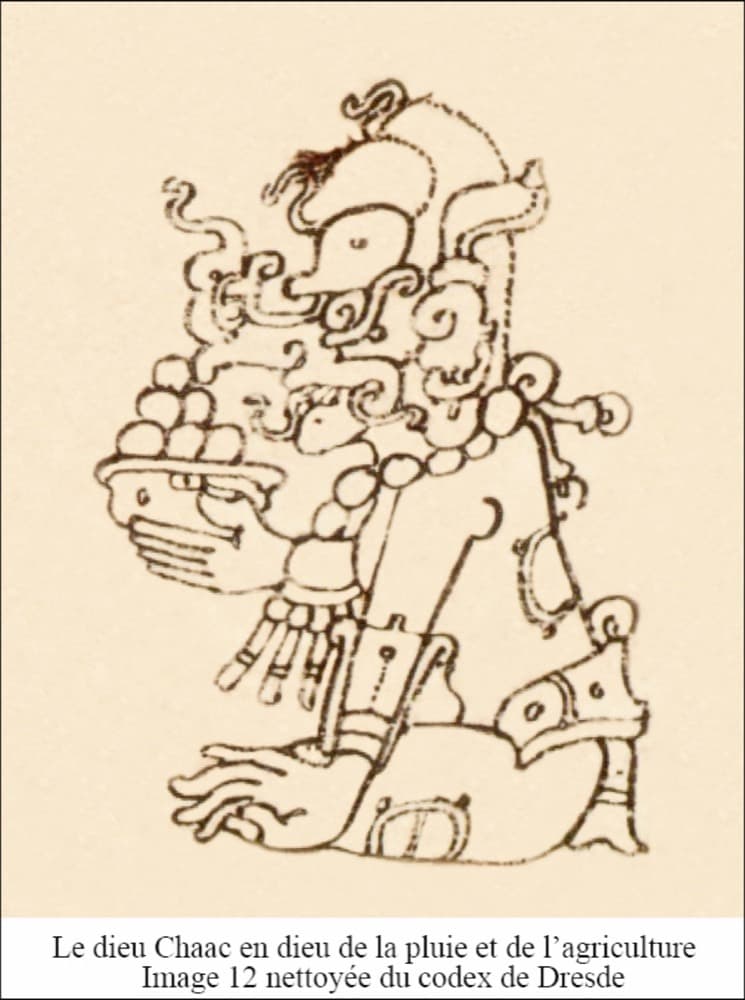 № 002
№ 002Maya
恰克
The Long-Nosed Rain God with the Lightning Axe
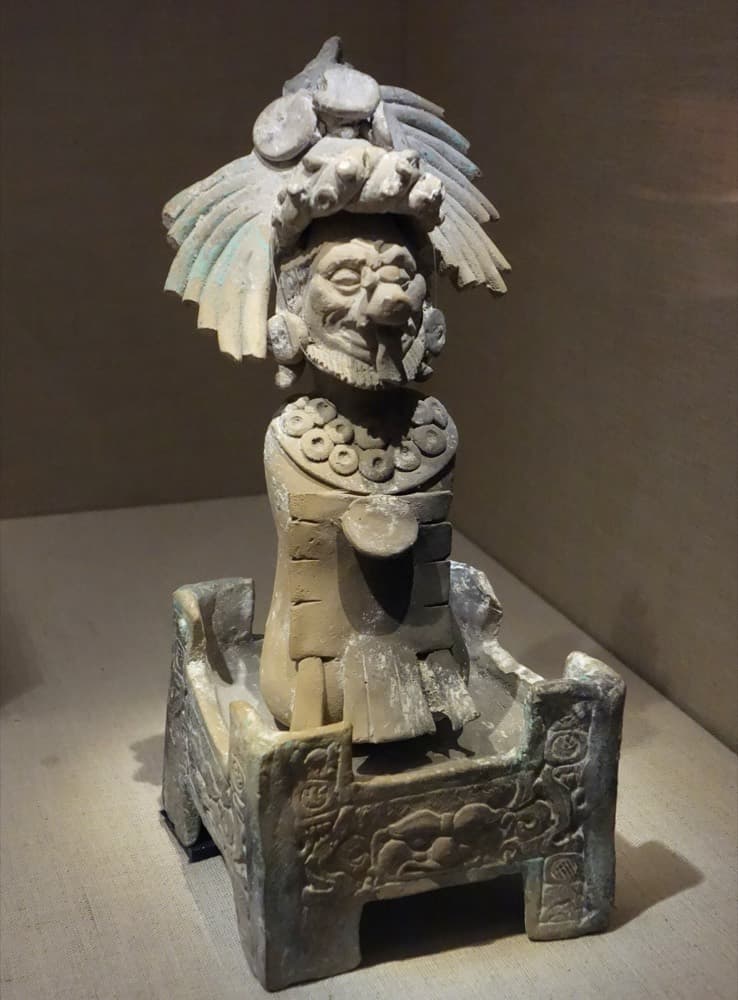 № 003
№ 003Maya
浑巴茨与浑丘恩
The Monkey Artisans, Patrons of Scribes and Craftsmen
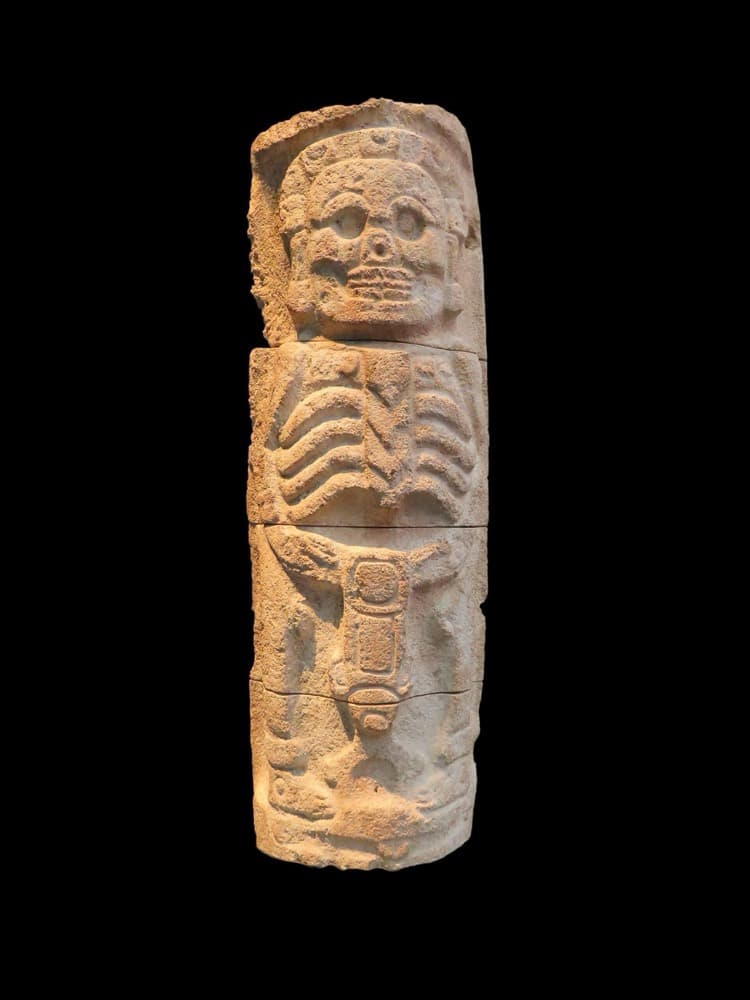 № 004
№ 004Maya
浑·卡梅与维科布·卡梅
One Death and Seven Death, Chief Lords of Xibalba
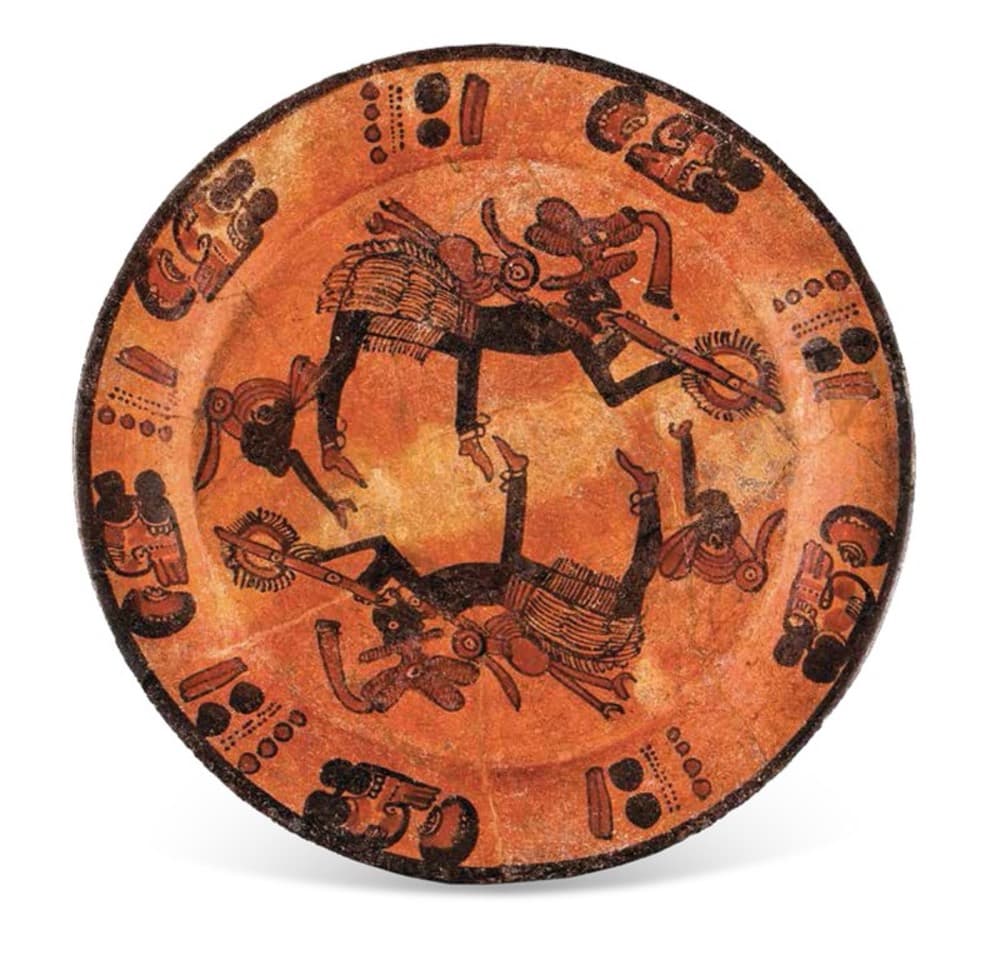 № 005
№ 005Maya
乌纳普与斯巴兰克
The Hero Twins of the Popol Vuh
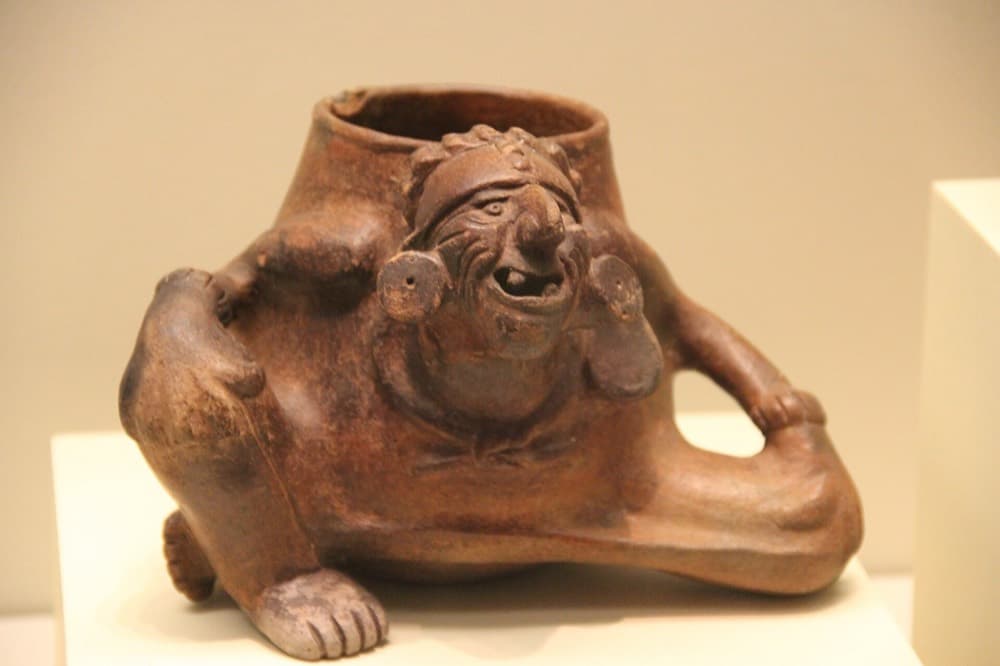 № 006
№ 006Maya
伊察姆纳
Aged Creator of the Sky, God of Writing and the Calendar
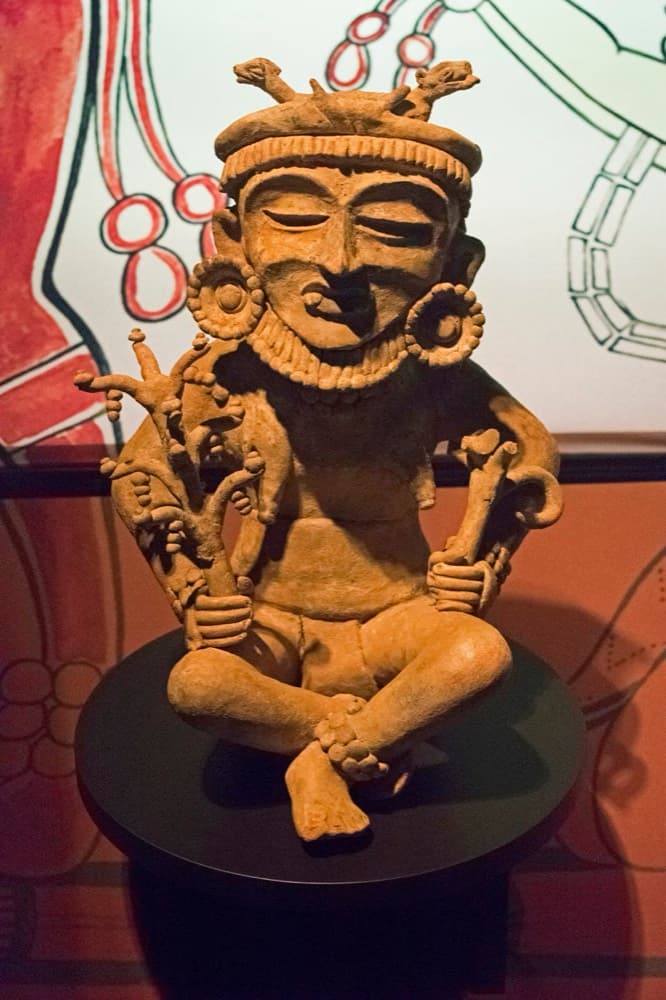 № 007
№ 007Maya
伊希切尔
Aged Goddess of Midwifery, Medicine, and Weaving
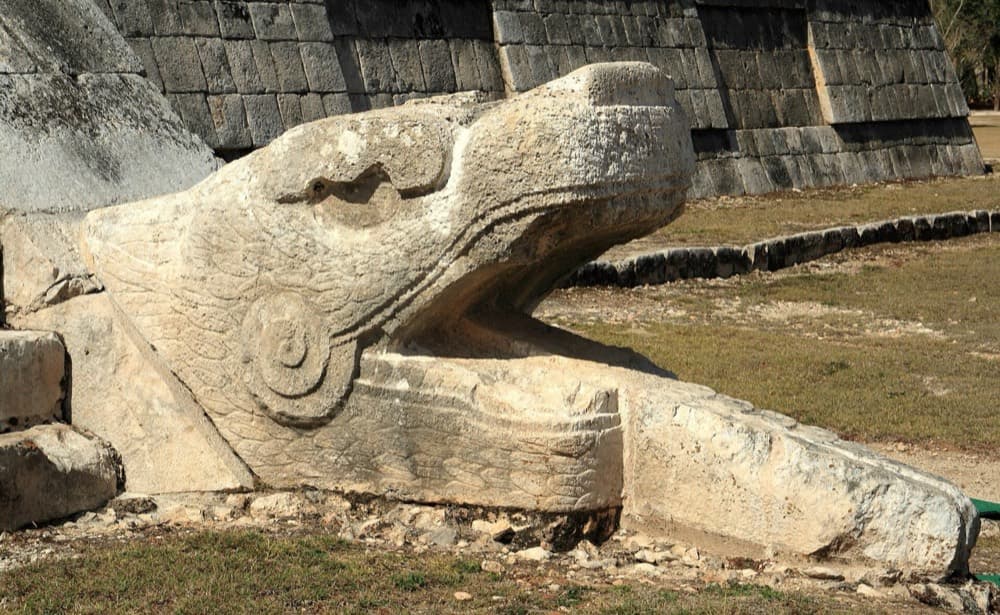 № 008
№ 008Maya
库库尔坎
The Feathered Serpent of Yucatán
 № 009
№ 009Maya
玉米神
The Young God Who Dies and Rises with the Corn
 № 010
№ 010Maya
波波尔·乌创世
The Creation Told in the Book of the Council
 № 011
№ 011Maya
维科布·卡库伊斯
Seven Macaw, the False Sun
 № 012
№ 012Maya
西巴尔巴
The Place of Fright: the Maya Underworld