THE STORY & ITS AFTERLIVES
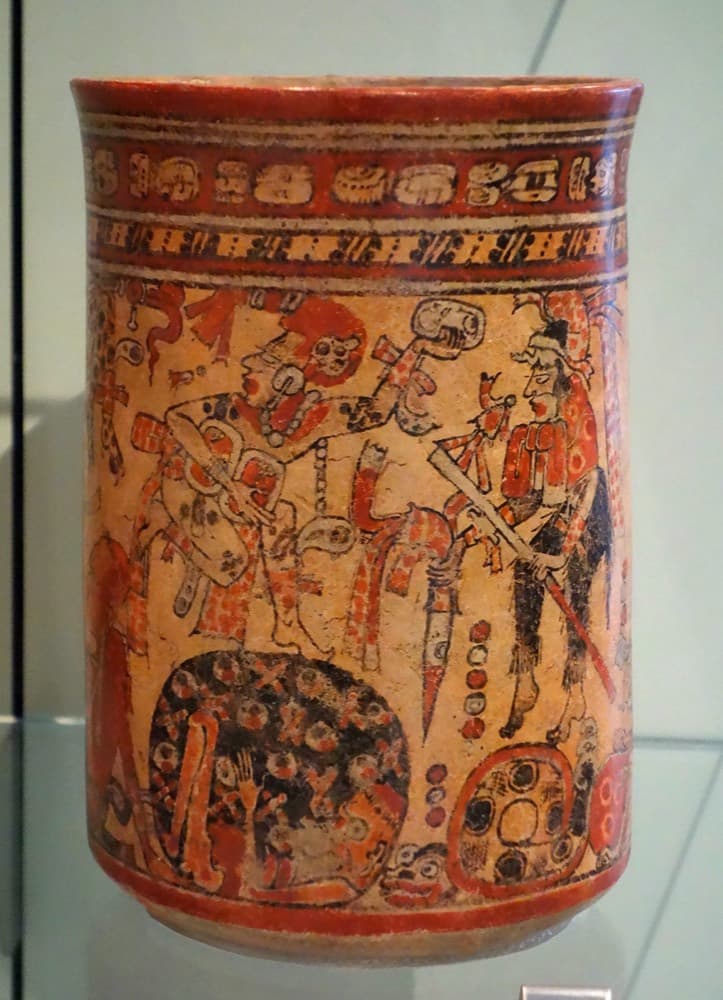
On Classic period (250-900 CE) vases and murals the Maize God is the handsomest figure in all Maya art: a young man with an artificially elongated, tonsured head crowned by a single tuft of hair like corn silk, his body hung with jade, the blue-green stone that matches young corn leaves. He is often shown dancing; scholars call this form the Tonsured Maize God. In the murals of San Bartolo, Guatemala (c. 100 BCE), he already commands the center of the scene, proof that his cult was fully formed in the Preclassic.
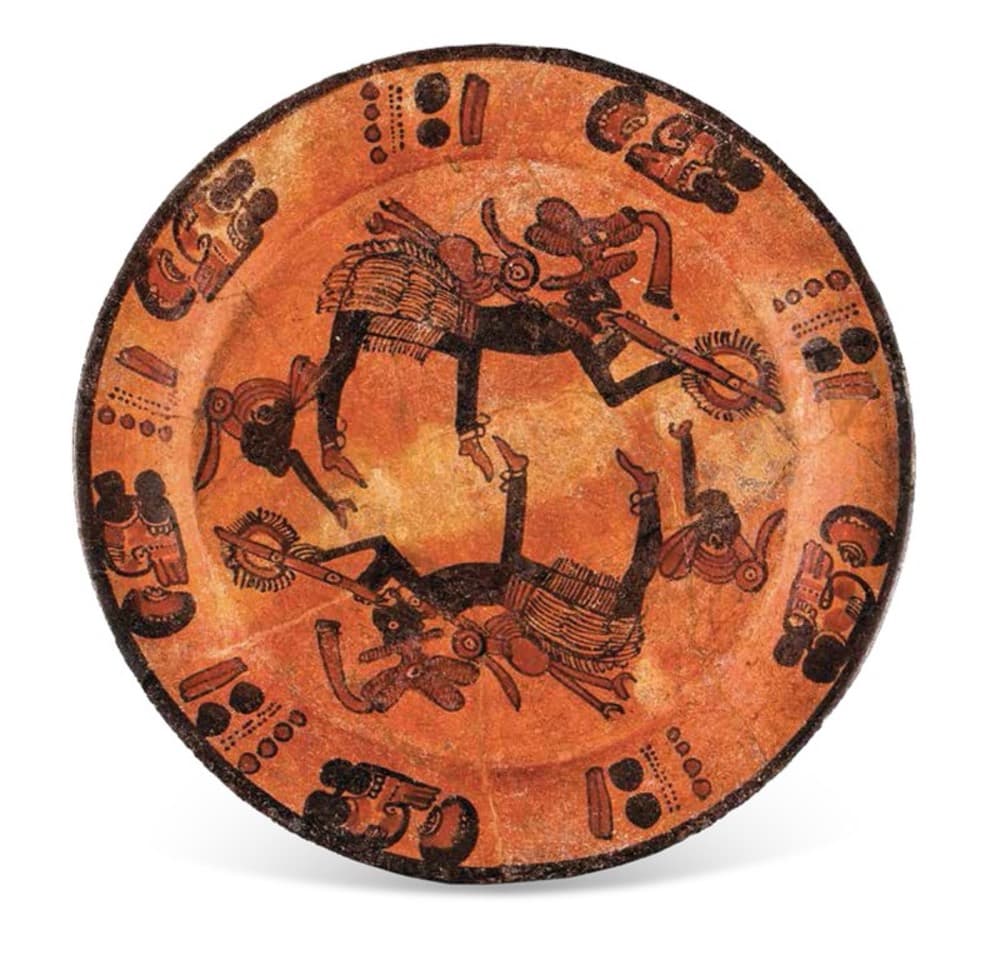
His myth is a death and rebirth keyed to the farming year. A famous codex-style plate paints the resurrection: the earth is a great turtle, its carapace split open, and the Maize God rises straight up through the crack while the Hero Twins flank him, one pouring water, the other steadying him - a seed breaking ground under the rain. To plant is to bury him; to sprout is to raise him. Maya farmers restaged the god's death and return in their fields every year.
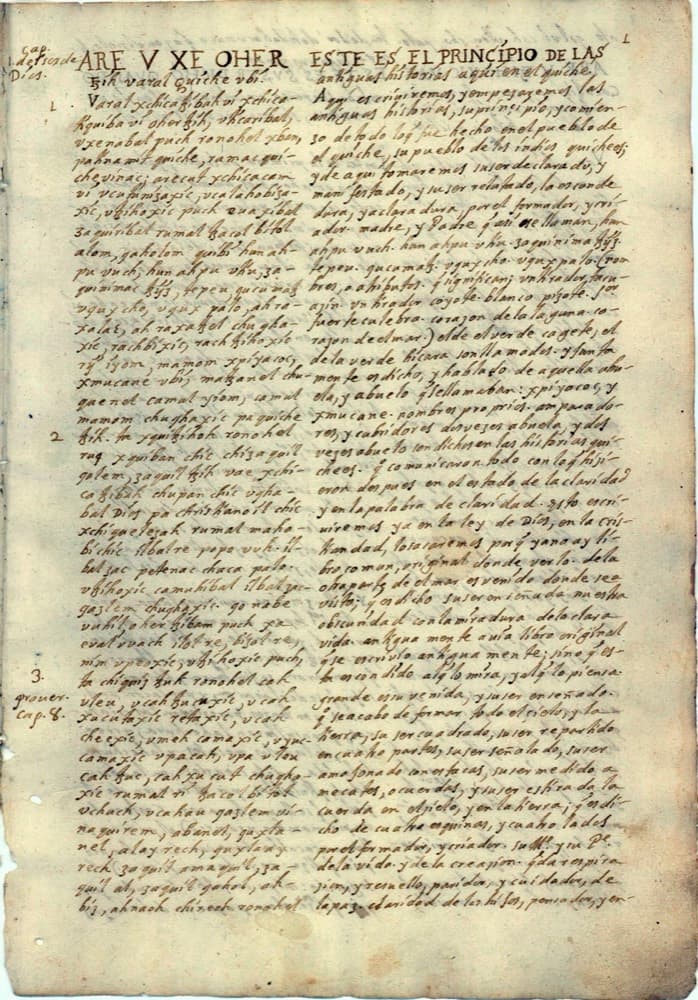
Karl Taube (1985) linked this figure to Hun Hunahpu of the Popol Vuh, the father of the twins, beheaded in Xibalba and hung as a skull in the calabash tree until his sons avenged him below. The bond between maize and humankind could not be stated more plainly than the Popol Vuh states it: the gods finally shaped true human beings from ground white and yellow corn brought from the mountain of Paxil.