 № 001
№ 001Inuit
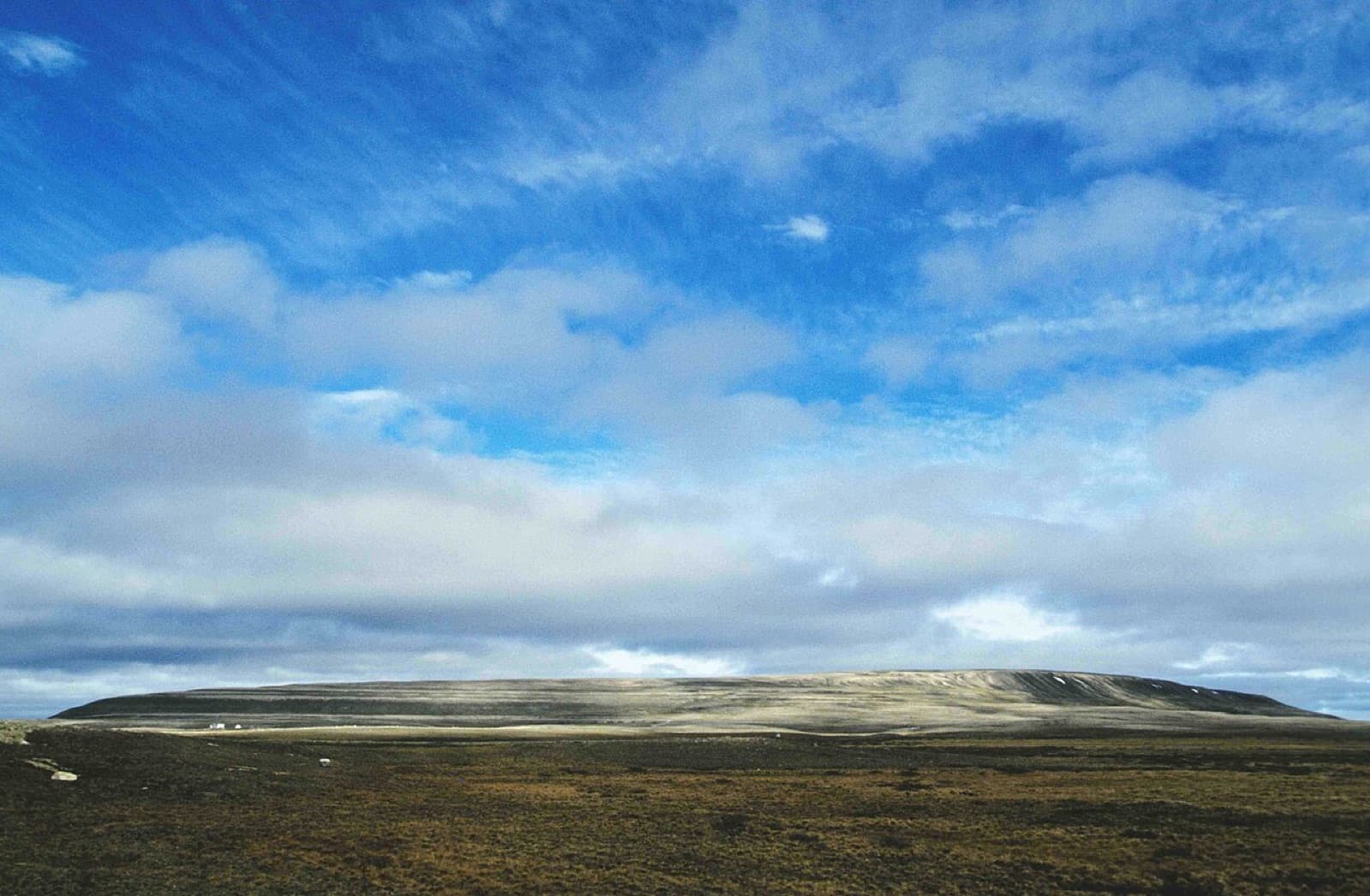
Ijiraq
Folk
伊吉拉克
By the Time the Eye Finds It, the Road Has Changed
Divine lineages · 21
The Arctic has no single book of creation. Inuit communities across Canada, Greenland, and Alaska tell of the Sea Woman, the intelligence within weather, and beings beneath the ice in different languages and under different names. As a story crosses a strait, its kinships, endings, and moral weight may change. Franz Boas recorded Baffin Island versions in the late nineteenth century; Knud Rasmussen’s Fifth Thule Expedition later gathered Iglulik songs, taboos, and shamanic accounts, giving a large written afterlife to voices carried through snow and memory.
This world is less a machine ruled by distant gods than a web of relationships forever in danger of imbalance. Seals, bears, and people once exchanged forms; names return the dead through newborn children; game presents itself only when hunters observe the proper obligations. Sedna’s severed fingers become whales, walruses, and seals, yet broken taboos can make her withhold them until an angakkuq descends in darkness to comb her hair. Sila can mean weather, air, and the intelligence that moves through a person: breath and world are continuous. The frightening beings guard practical thresholds. Qallupilluit carry away children who approach open water, ijirait turn travelers from the path, and shadow people appear only at the rim of sight. They are not a cabinet of monsters but the Arctic’s way of cutting danger, duty, and remembrance into the long night.
Opening the origin story…
№ 001Inuit
伊吉拉克
By the Time the Eye Finds It, the Road Has Changed
 № 002
№ 002Inuit
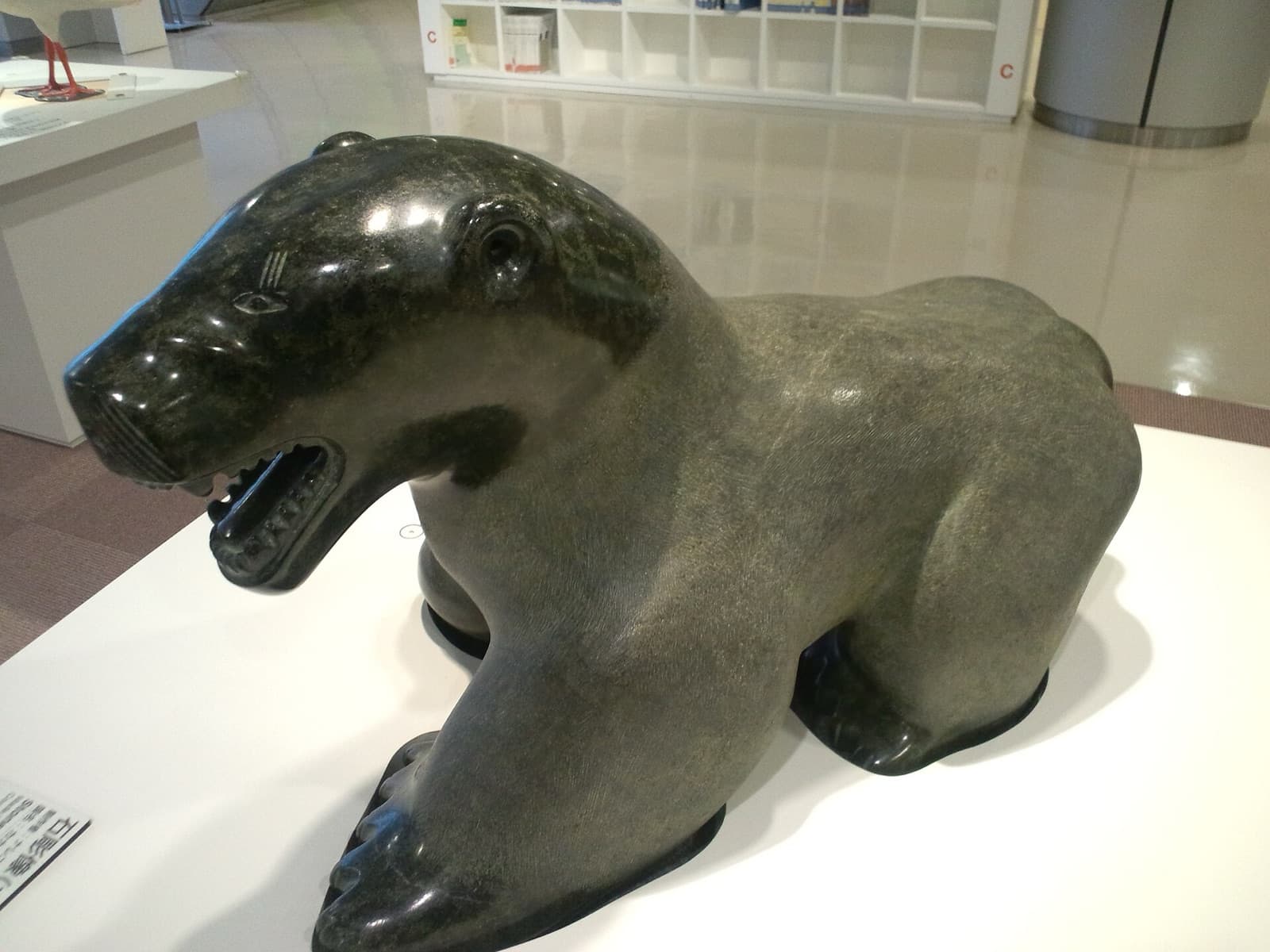
纳努克
The Bear Is a Visiting Person in a White Hide
 № 003
№ 003Inuit
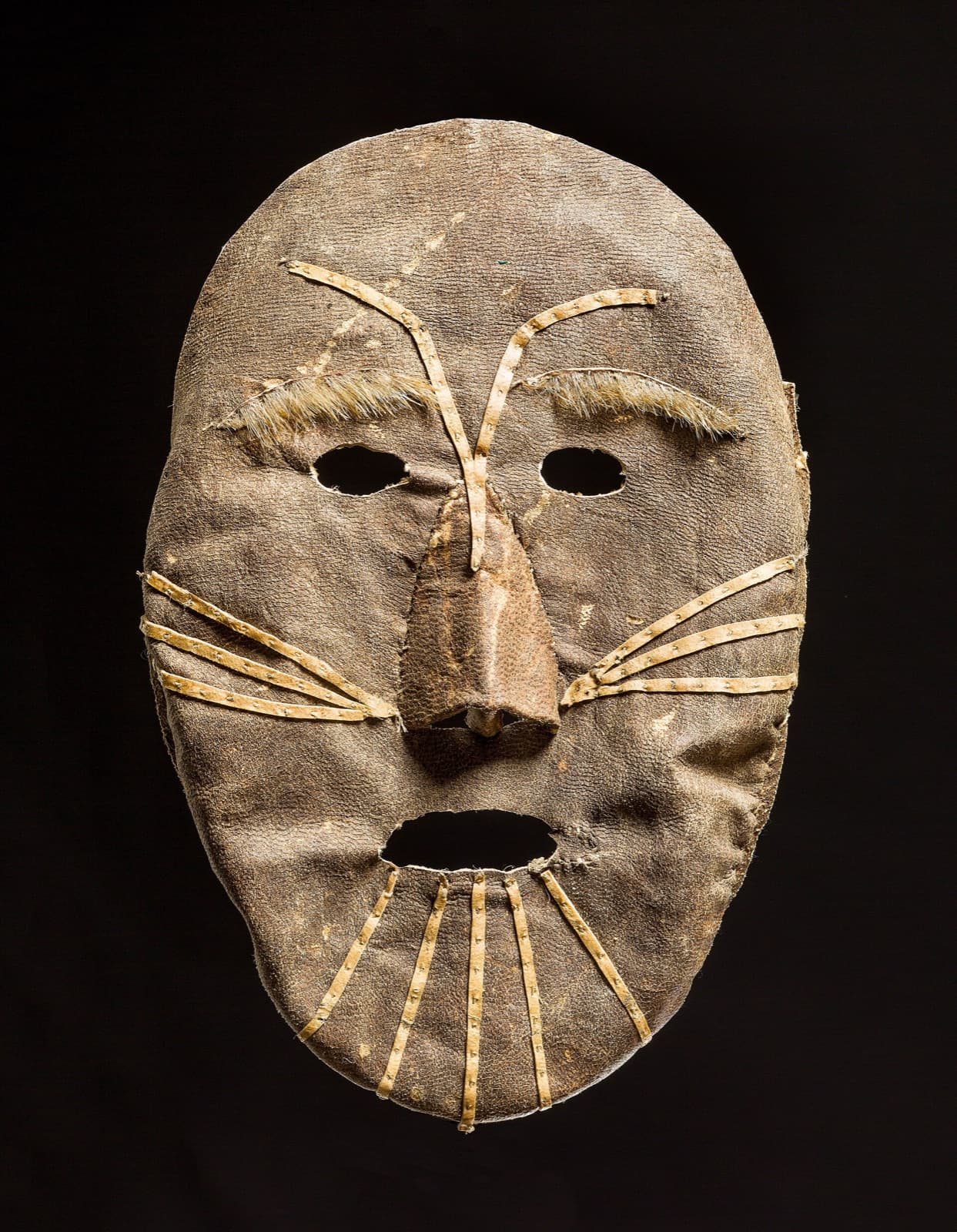
卡卢皮卢克
Something Breathes Beneath the Edge of the Ice
 № 004
№ 004Inuit
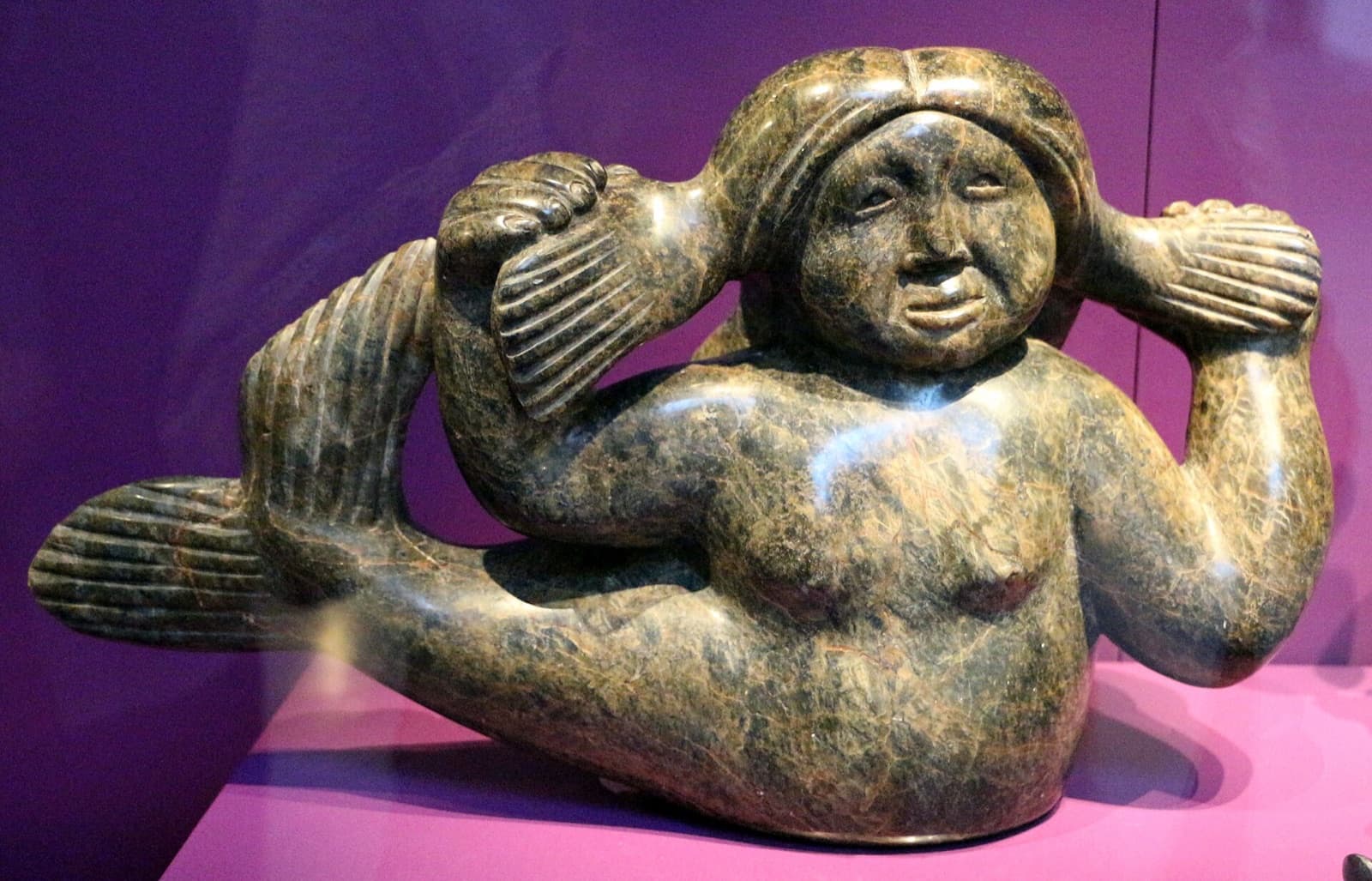
塞德娜
From Her Severed Fingers, the Sea Beasts Swim
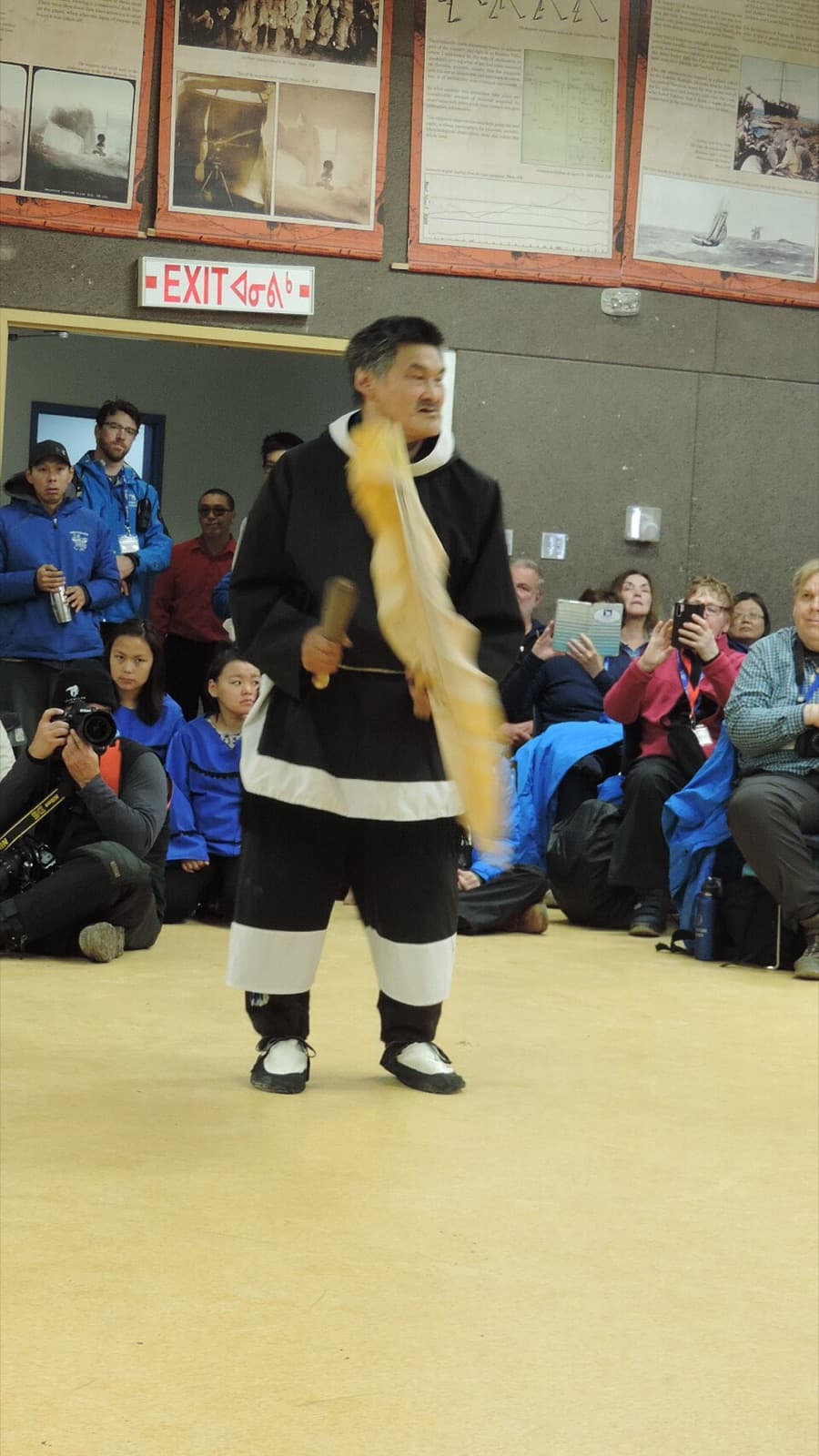 № 005
№ 005Inuit
西拉
Weather, Mind, and Breath in a Single Word
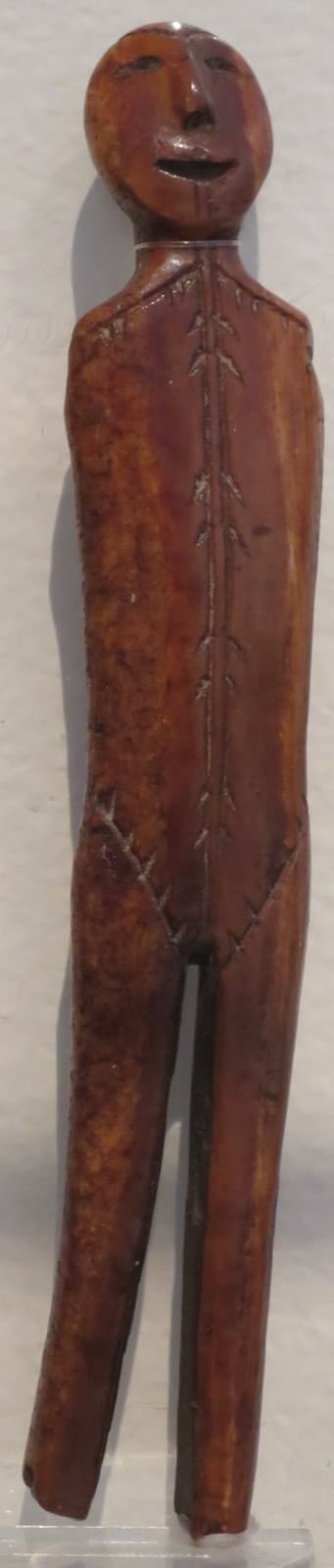 № 006
№ 006Inuit
塔里亚克苏克
The Shadow People Who Exist at the Edge of Sight
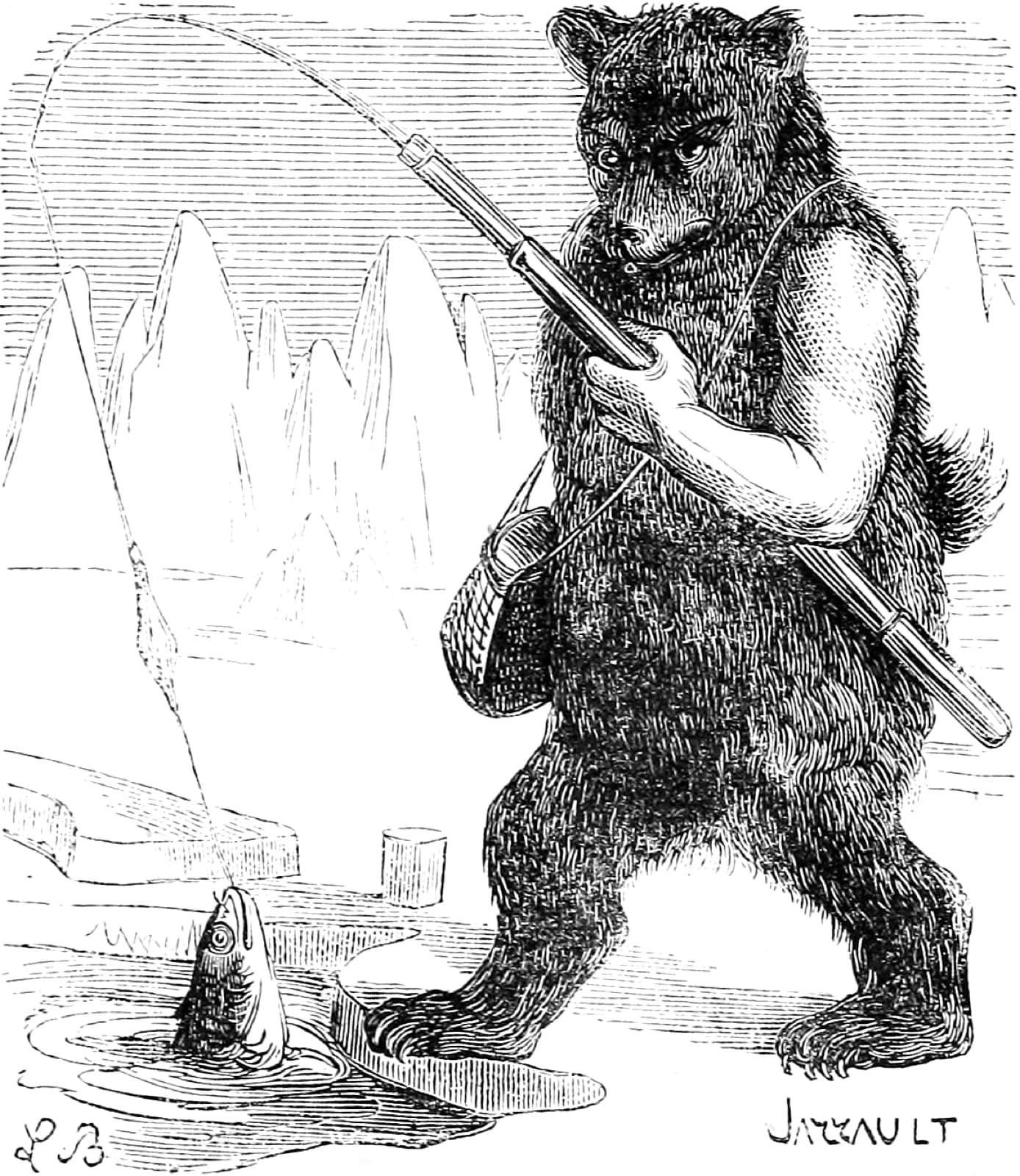 № 007
№ 007Inuit
托恩加苏克
A Shaman’s Great Spirit Recast as the Devil
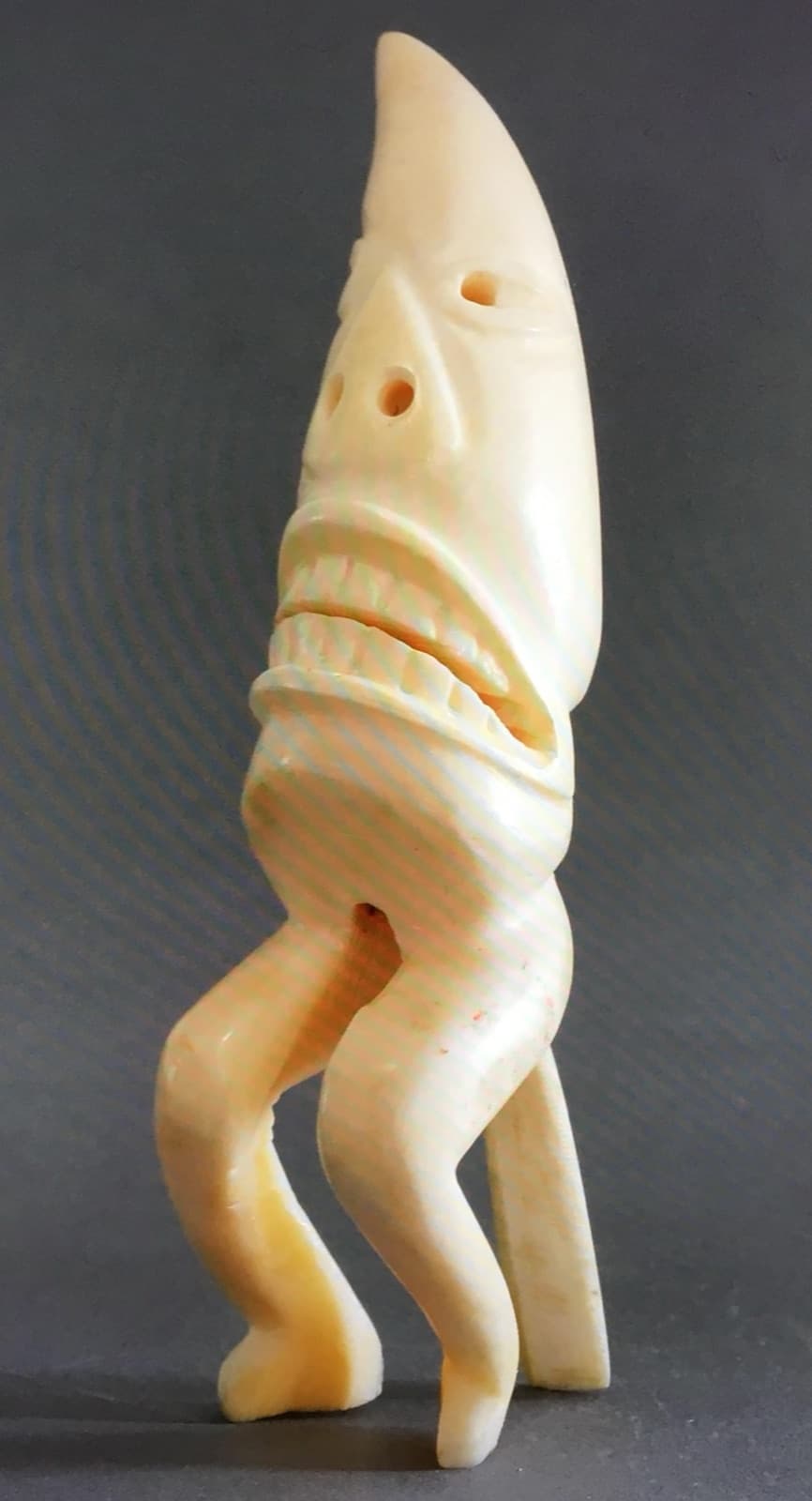 № 008
№ 008Inuit
图皮拉克
An Engine of Revenge Sewn from Bone and Secrecy