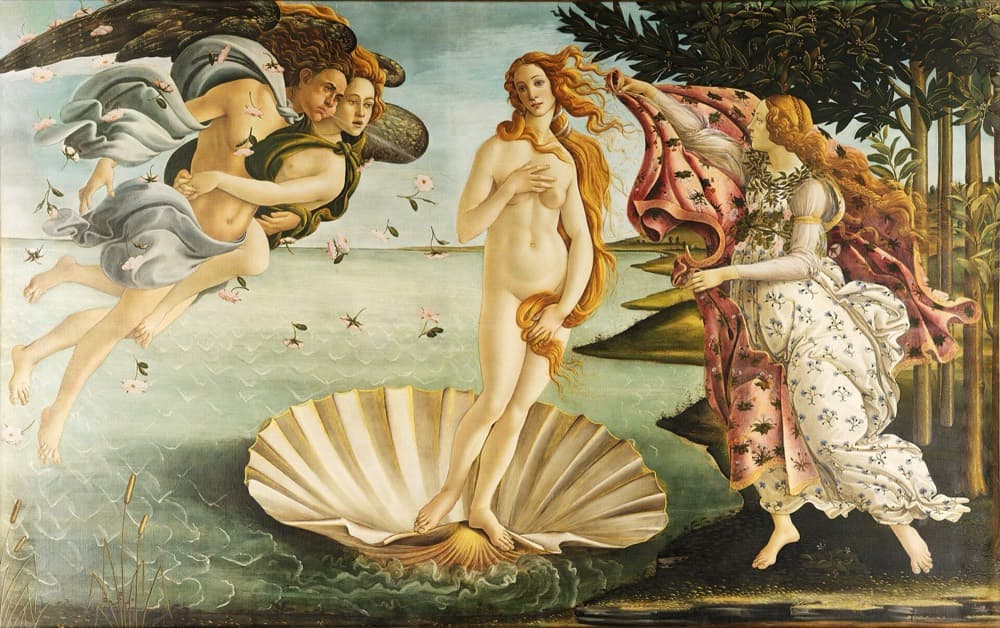
 № 001
№ 001Greek
Aphrodite
Ancient
阿佛洛狄忒
Goddess of Love and Beauty
Divine lineages · 01
Greek mythology gathers the stories of gods and heroes told across the Aegean world, first set down around the 8th century BCE in Homer's Iliad and Odyssey and Hesiod's Theogony. Hesiod traces the divine genealogy from primal Chaos through Uranus and Gaia, Cronus and his swallowed children, to the kingship of Zeus; Homer sets the Olympian gods quarreling and intervening over the battlefield of Troy.
At the center stand the twelve gods of Mount Olympus, with the Titans and primordial powers behind them, nymphs, centaurs, and a menagerie of monsters below, and demigod heroes such as Heracles, Perseus, and Theseus binding the divine family to the royal houses of Greece. The gods have vivid tempers and appetites — they envy, quarrel, and take revenge — yet even they bow to fate. Myth was woven into civic life: the oracle at Delphi, the games at Olympia, and the temples of the Athenian acropolis all fixed the stories to particular ground.
Athenian tragedy of the 5th century BCE reworked the myths into moral drama on stage, and Ovid's Metamorphoses carried them into Rome and medieval Europe. Since the Renaissance they have remained the most heavily drawn-upon store of subjects in Western painting, sculpture, and literature, and the names of the gods and heroes persist in the constellations and in scientific vocabulary, while the planets carry the same gods' names, mostly in their Roman forms.
Opening the origin story…
№ 001Greek
阿佛洛狄忒
Goddess of Love and Beauty
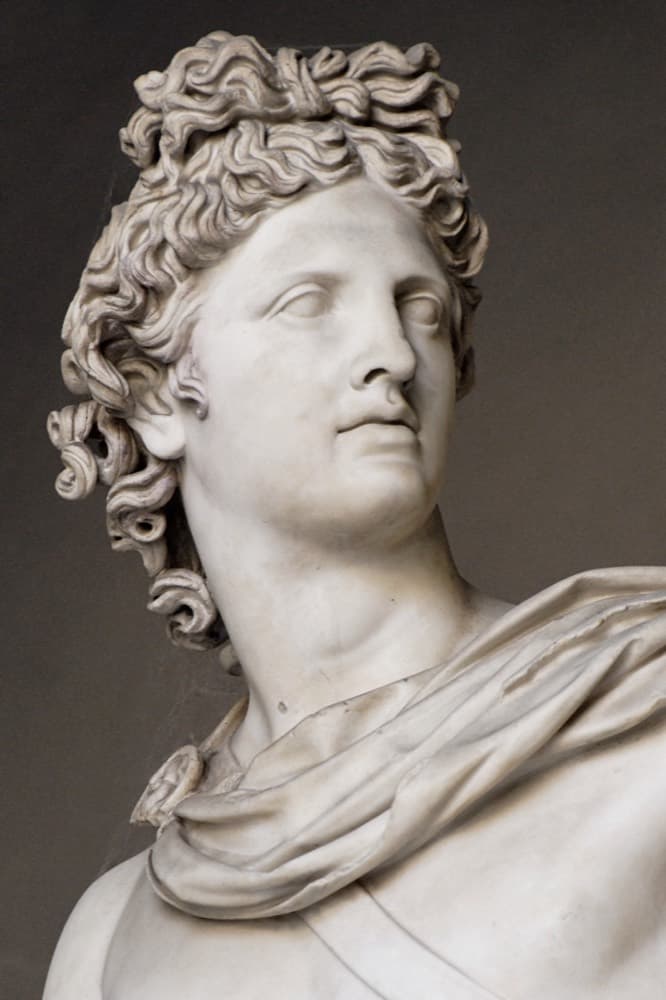 № 002
№ 002Greek
阿波罗
God of Light, Prophecy, and Music
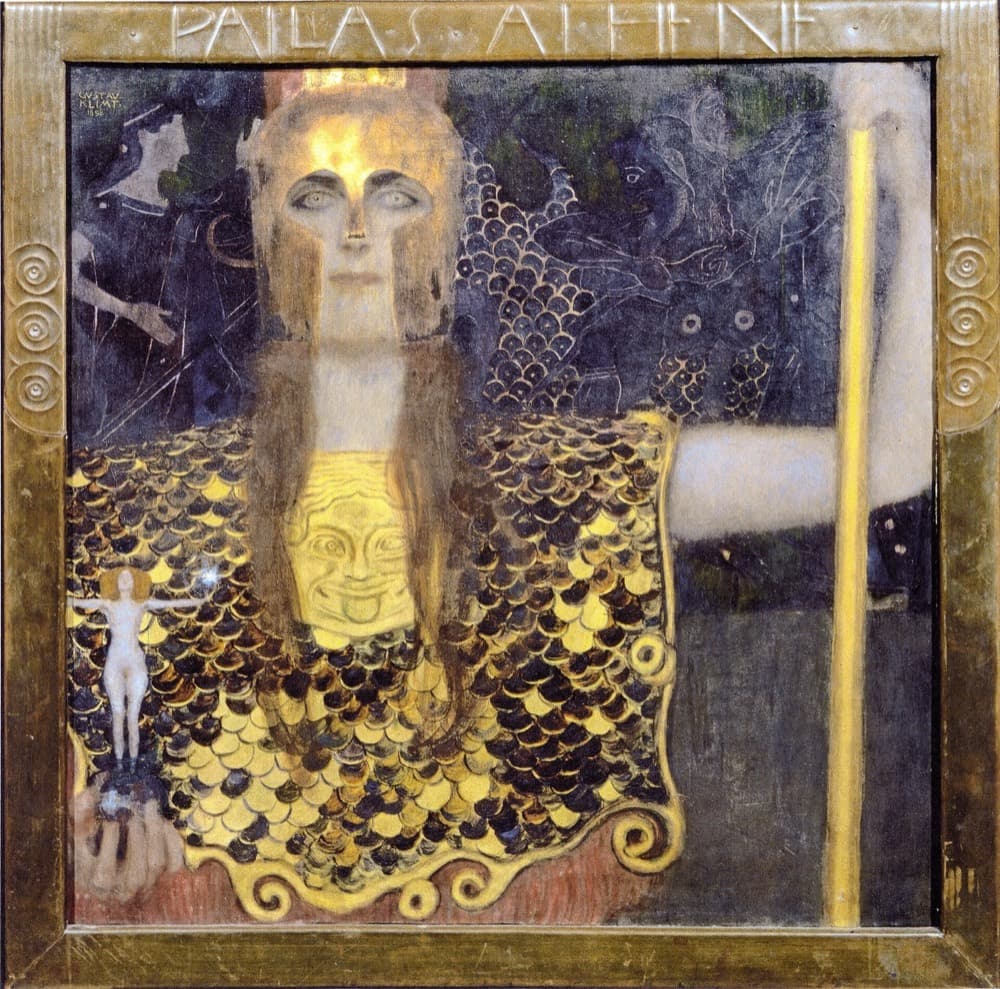 № 003
№ 003Greek
雅典娜
Goddess of Wisdom and Strategy, Patron of Athens
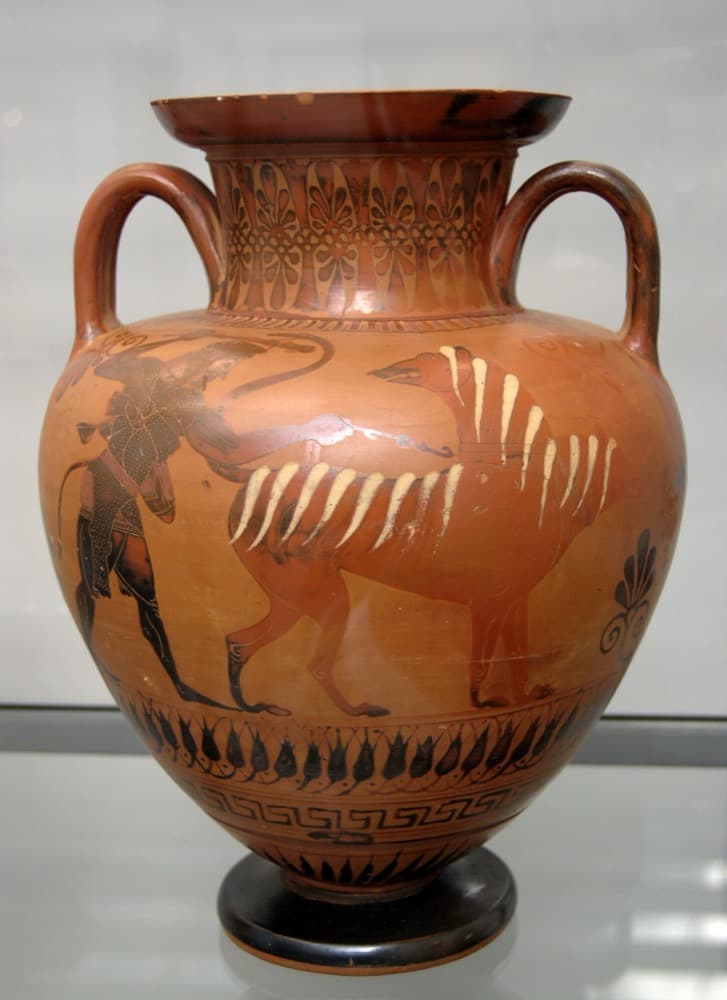 № 004
№ 004Greek
刻耳柏洛斯
The Watchdog at the Gate of the Underworld
 № 005
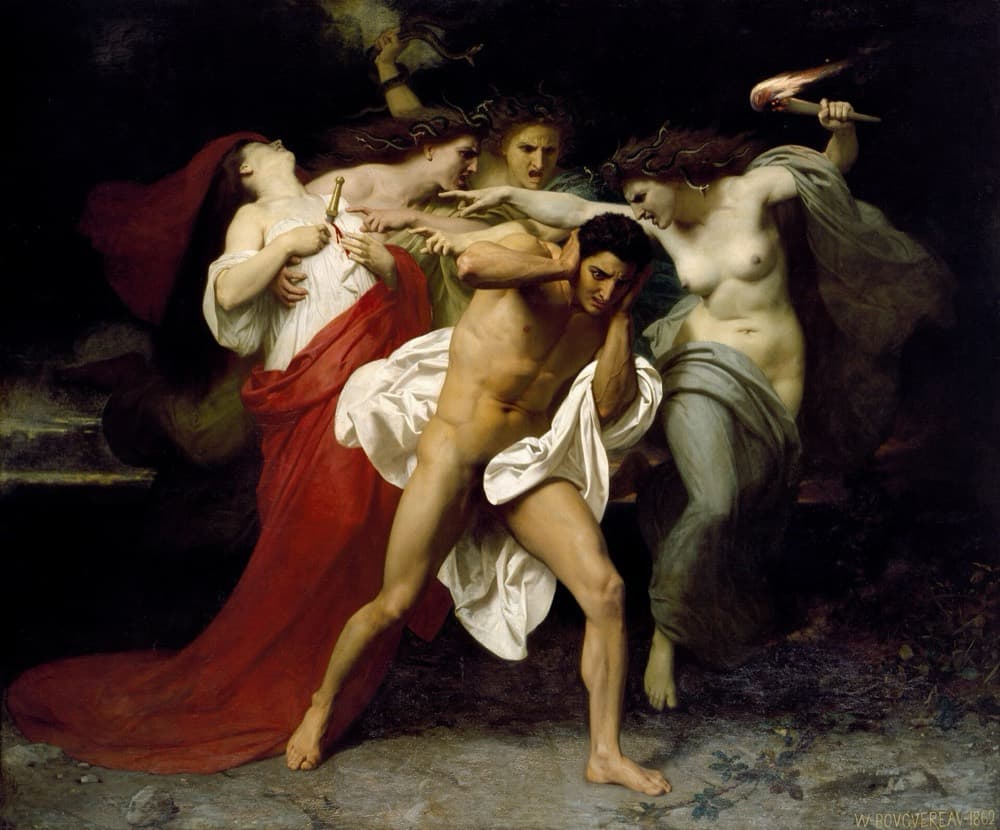
№ 005Greek
厄里倪厄斯
The Three Avengers of Kindred Blood
 № 006
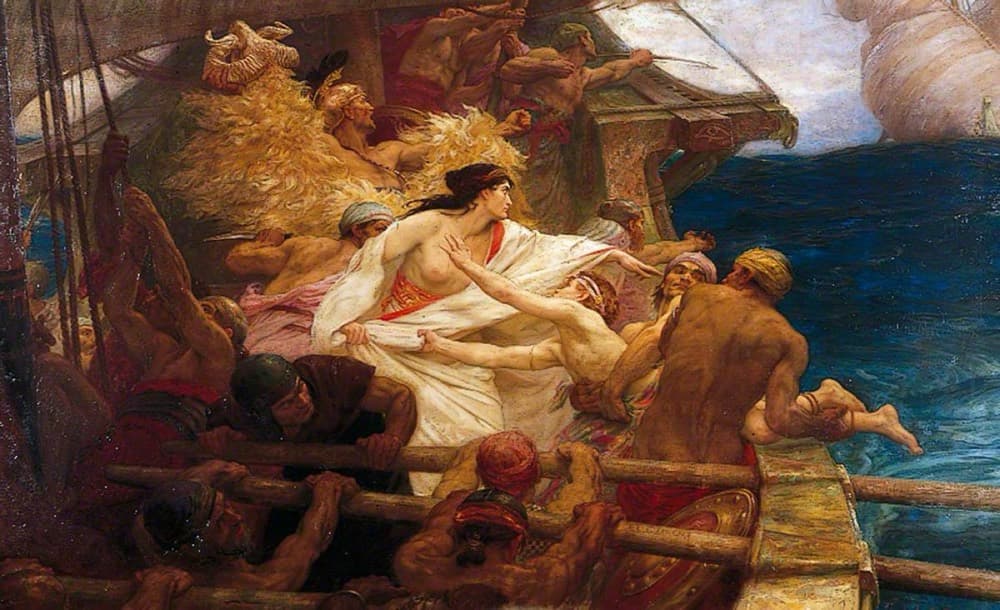
№ 006Greek
金羊毛
The Prize of the Argonauts' Voyage
 № 007
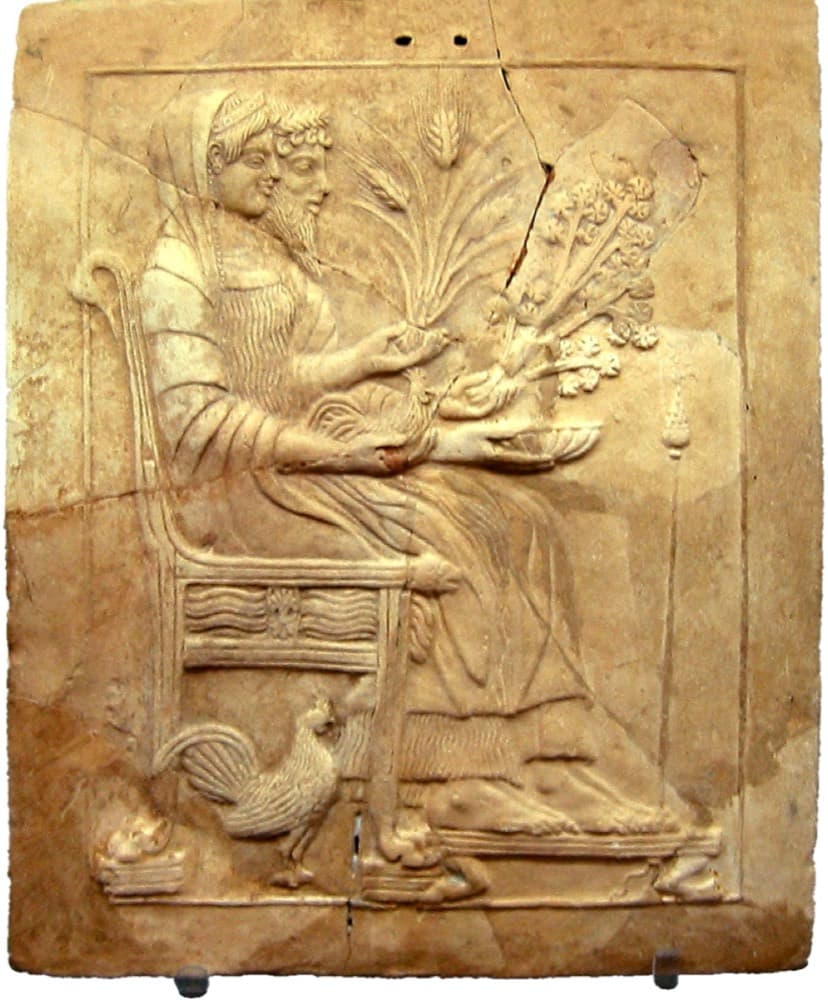
№ 007Greek
哈迪斯
Lord of the Underworld, Ruler of the Dead
 № 008
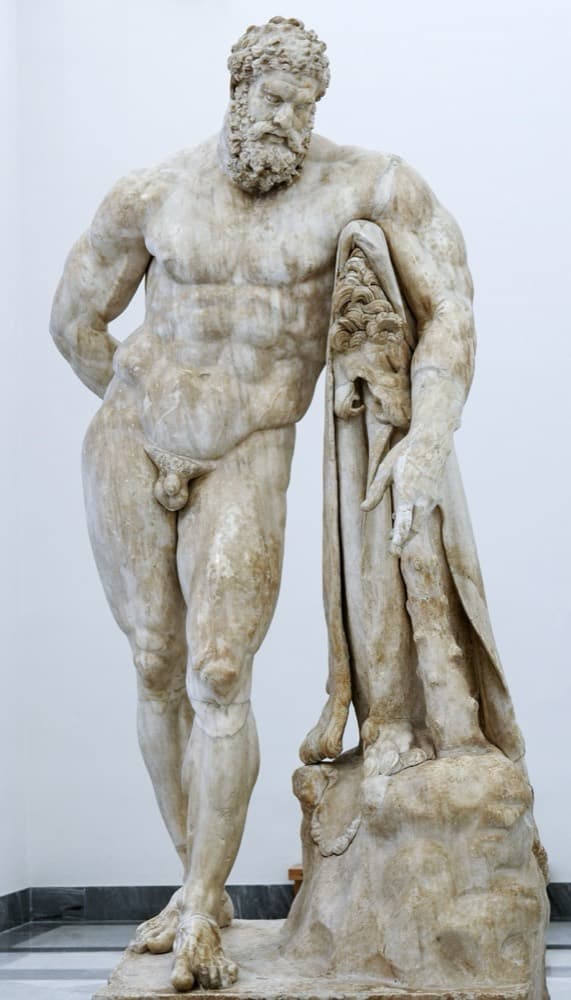
№ 008Greek
赫拉克勒斯
The Hero of the Twelve Labors
 № 009
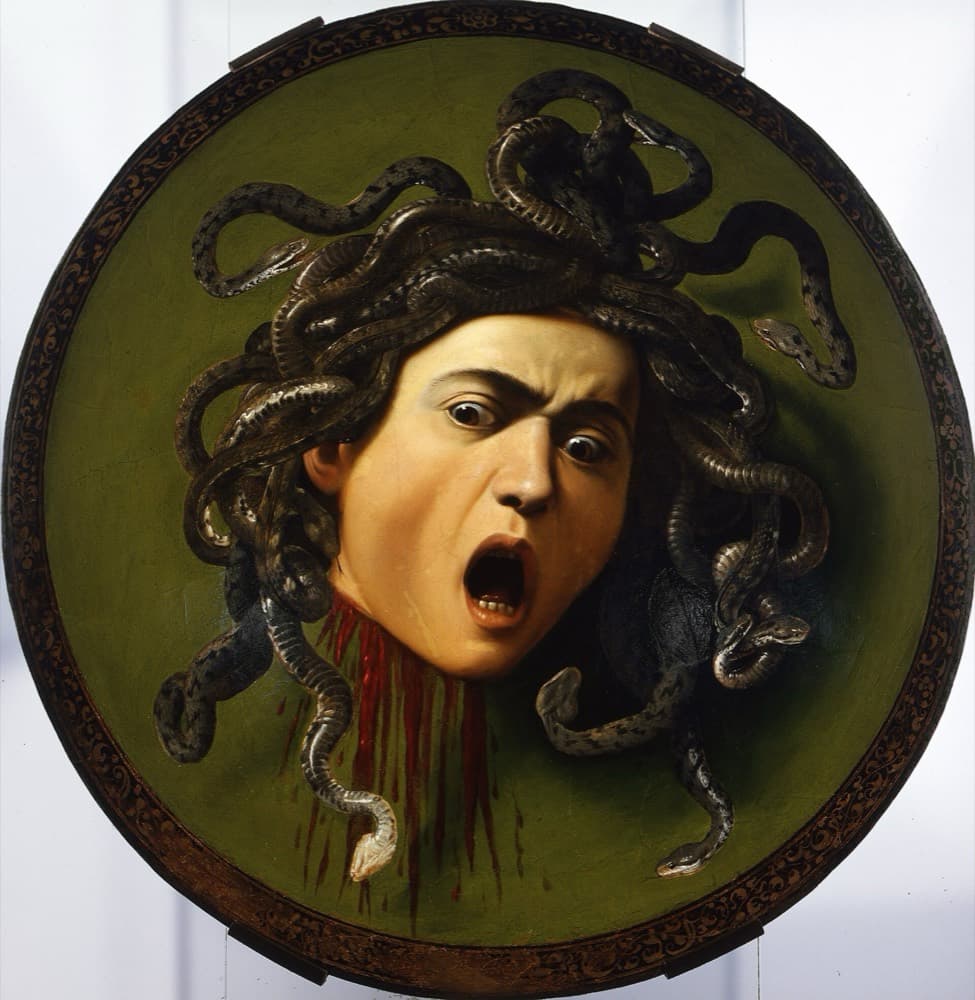
№ 009Greek
美杜莎
The Snake-haired Gorgon
 № 010
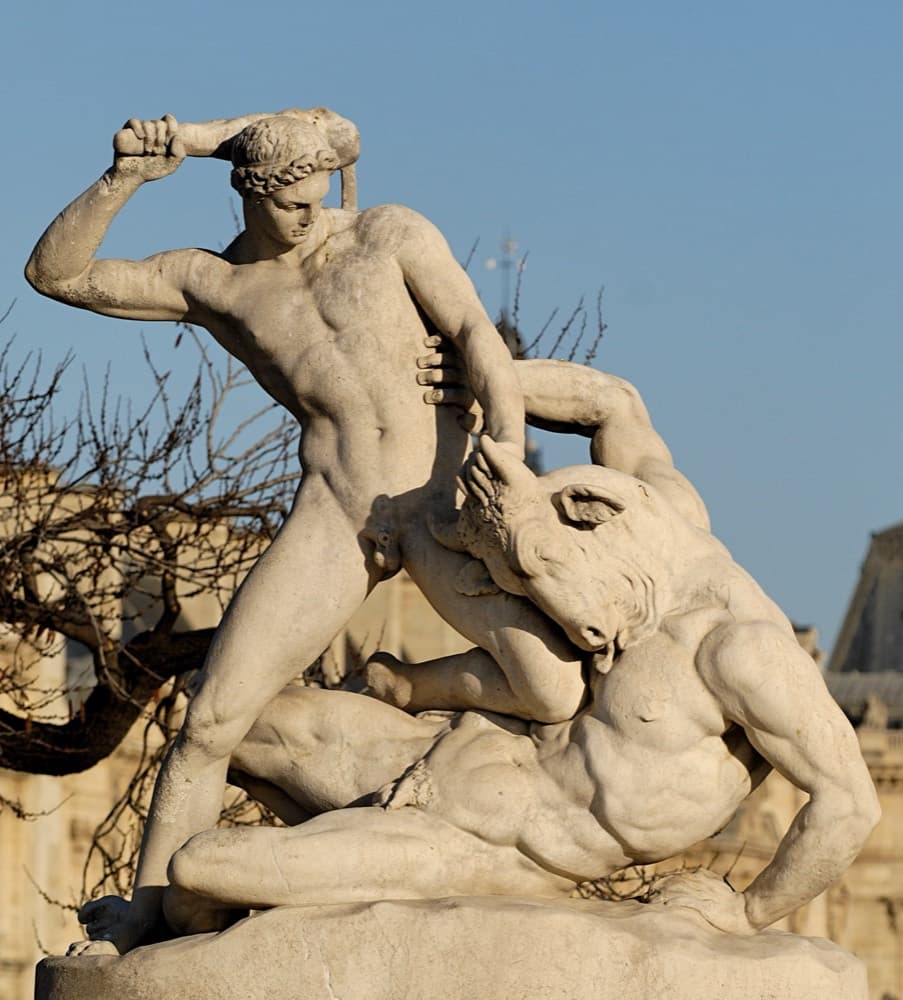
№ 010Greek
弥诺陶洛斯
The Bull-headed Monster of the Labyrinth
 № 011
№ 011Greek
奥林波斯山
Home of the Gods
 № 012
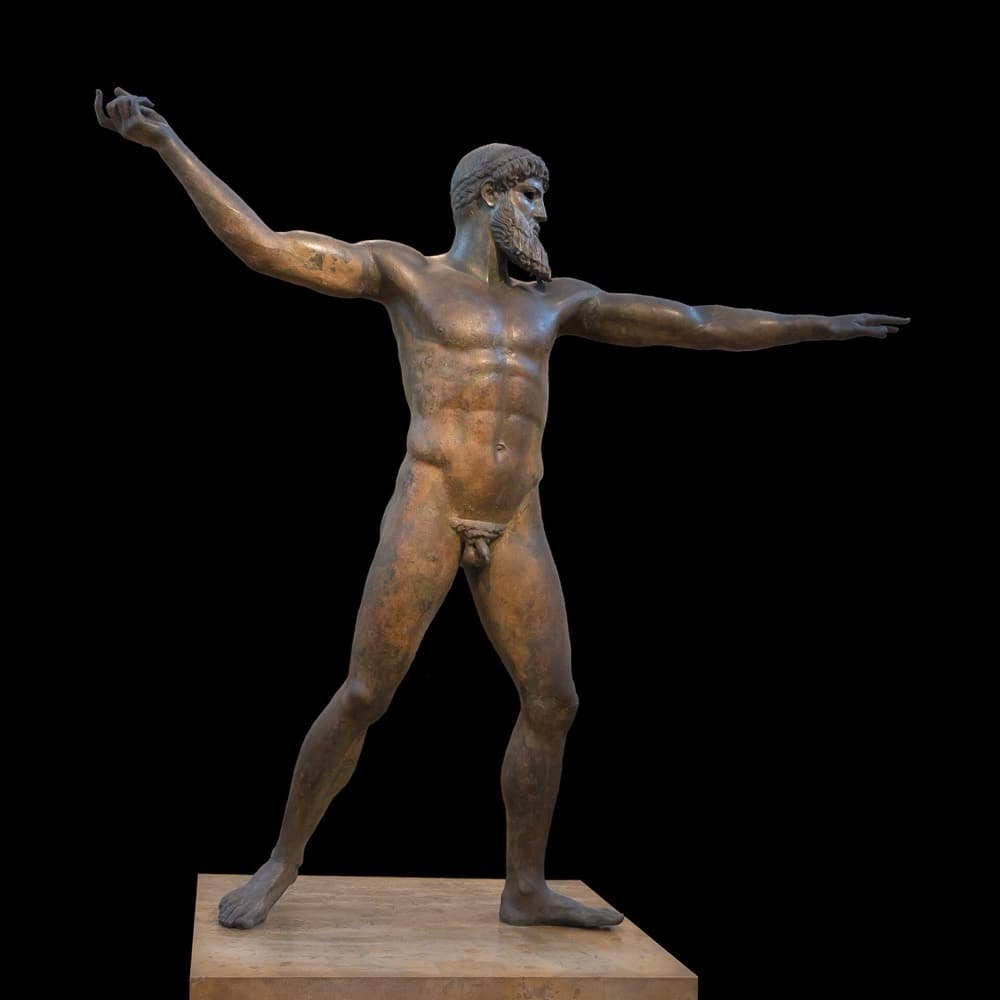
№ 012Greek
波塞冬
Lord of the Sea, the Earth-shaker
 № 013
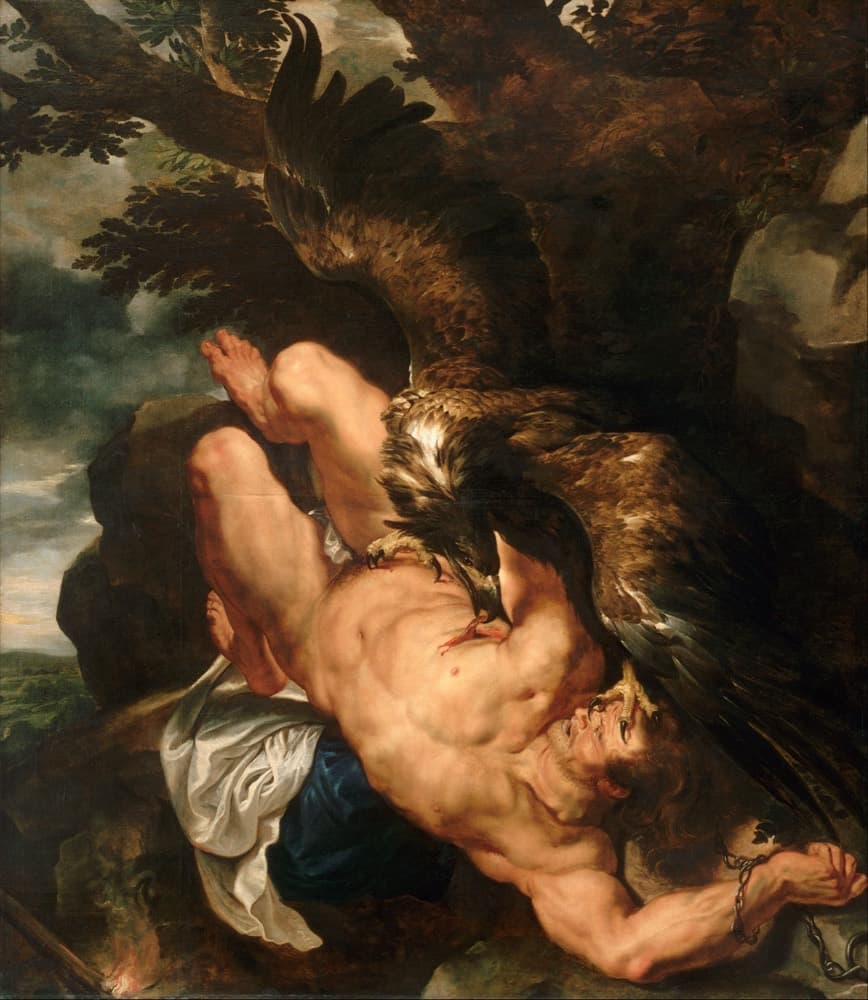
№ 013Greek
普罗米修斯
The Titan Who Stole Fire, Benefactor of Mankind
 № 014
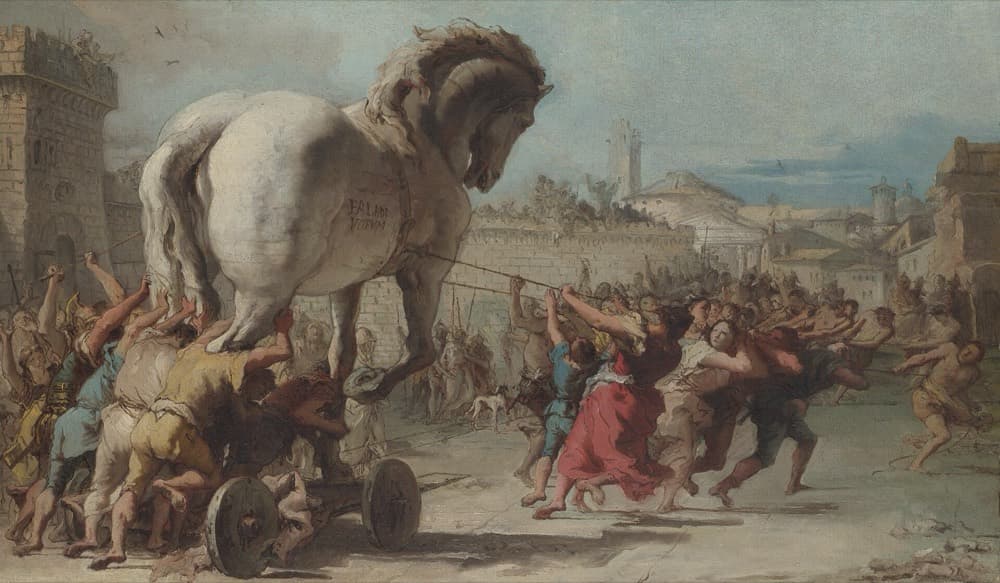
№ 014Greek
特洛伊战争
The Ten-year Siege and the Wooden Horse
 № 015
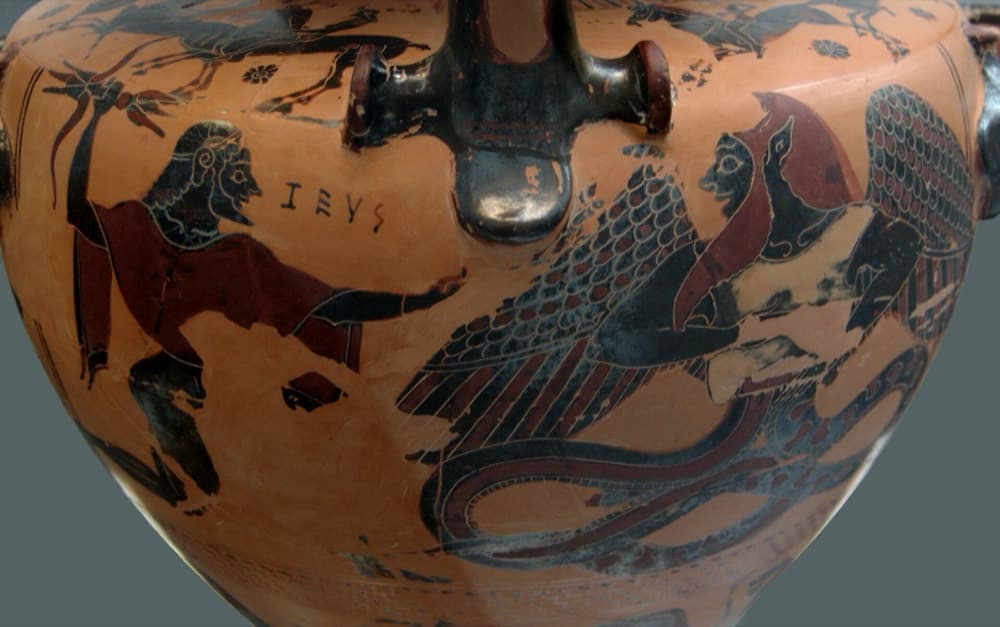
№ 015Greek
堤丰
The Hundred-headed Monster, Last Challenger of the Gods
 № 016
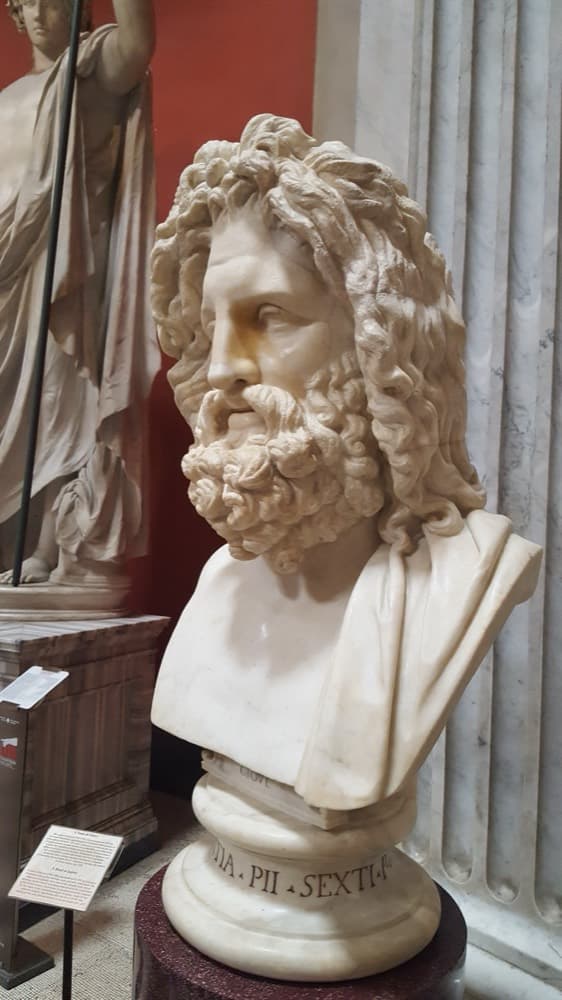
№ 016Greek
宙斯
King of the Gods, Wielder of the Thunderbolt