THE STORY & ITS AFTERLIVES
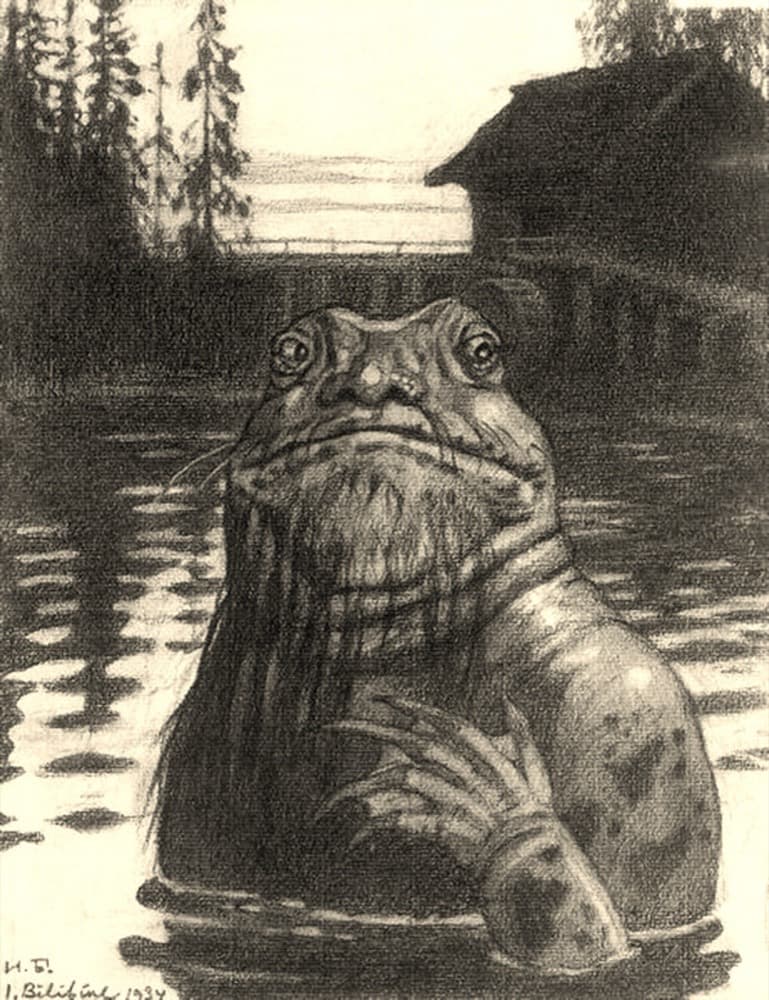
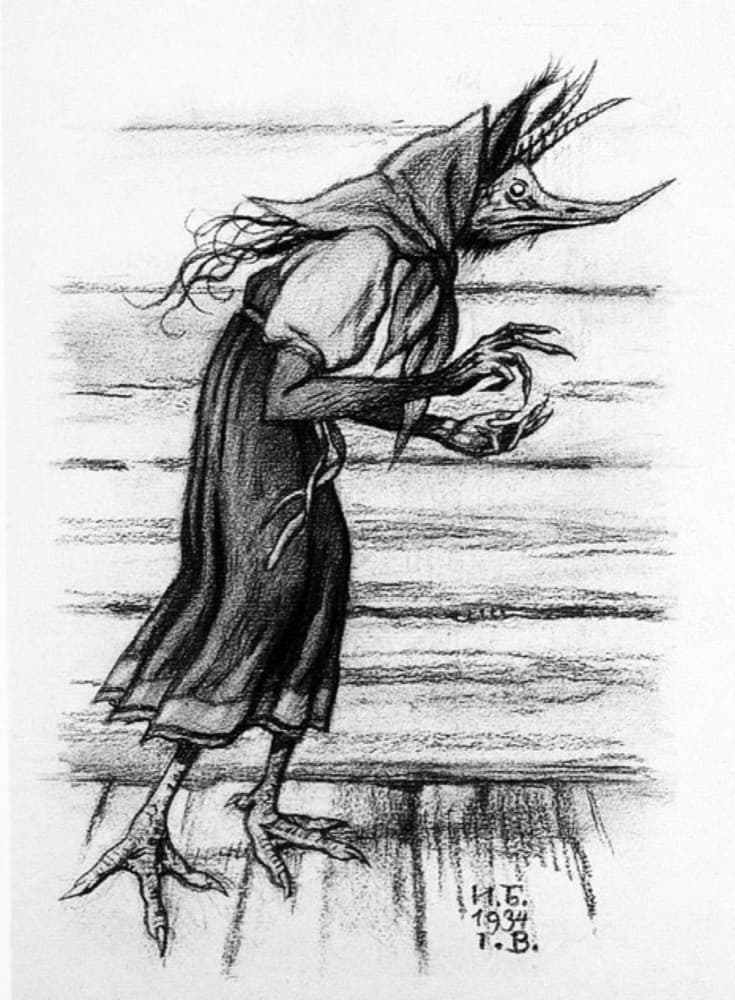
The rusalka is a female spirit of the waters. In the Russian North she is told of as pale and dishevelled, combing her long loose hair on the bank or in a birch; in Ukraine and the south she is young and beautiful. Folk belief held that rusalki came from women who died "unnatural" deaths: drowned girls, jilted brides, infant daughters who died unbaptized. By night they lure passers-by into the water or tickle a solitary victim to death.
Their season is Rusalka week, the days around the Orthodox feast of Trinity, when they were believed to leave the water, swing on birch branches and run through the rye. During that week people avoided swimming and going alone into the woods, and some villages held a rite of "seeing off the rusalka," carrying a straw effigy out of the village to be burned or thrown in the river. The ethnographer Dmitry Zelenin, in his 1916 monograph, classed them among the "unclean dead" — those whose violent or untimely deaths left them restless and dangerous, in contrast to ancestors who died in their beds and received proper offerings.
From the nineteenth century they passed into literature and music: Pushkin left an unfinished verse drama Rusalka, about a miller's daughter who drowns herself and returns as a vengeful spirit, which Dargomyzhsky turned into an opera in 1856, and a drowned maiden commands her sisters in Gogol's "May Night." The Czech cousin of the figure reached the world stage through Dvorak's opera Rusalka (1901), source of the famous Song to the Moon.