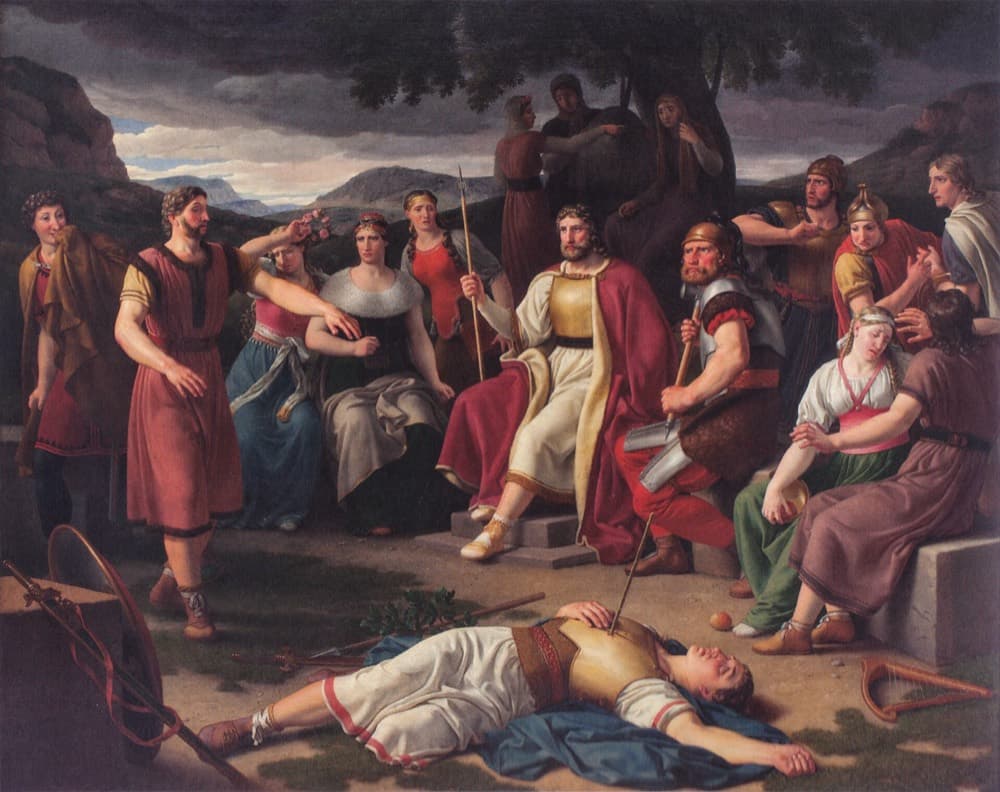
 № 001
№ 001Norse
Baldr
Ancient
巴德尔
The Shining God, Fairest of the Aesir
Divine lineages · 02
Norse mythology is the belief-world of Viking Age Scandinavia. It survived for centuries in the mouths of poets and was only written down in the 13th century, in Christian Iceland. Both core texts are Icelandic: the anonymous Poetic Edda preserves ancient lays such as the Voluspa and the Havamal, while Snorri Sturluson's Prose Edda retells the whole cycle, from the making of the world to its end, in systematic form. Around them stand the heroic sagas, above all the Volsunga saga, and the Latin Gesta Danorum of Saxo Grammaticus.
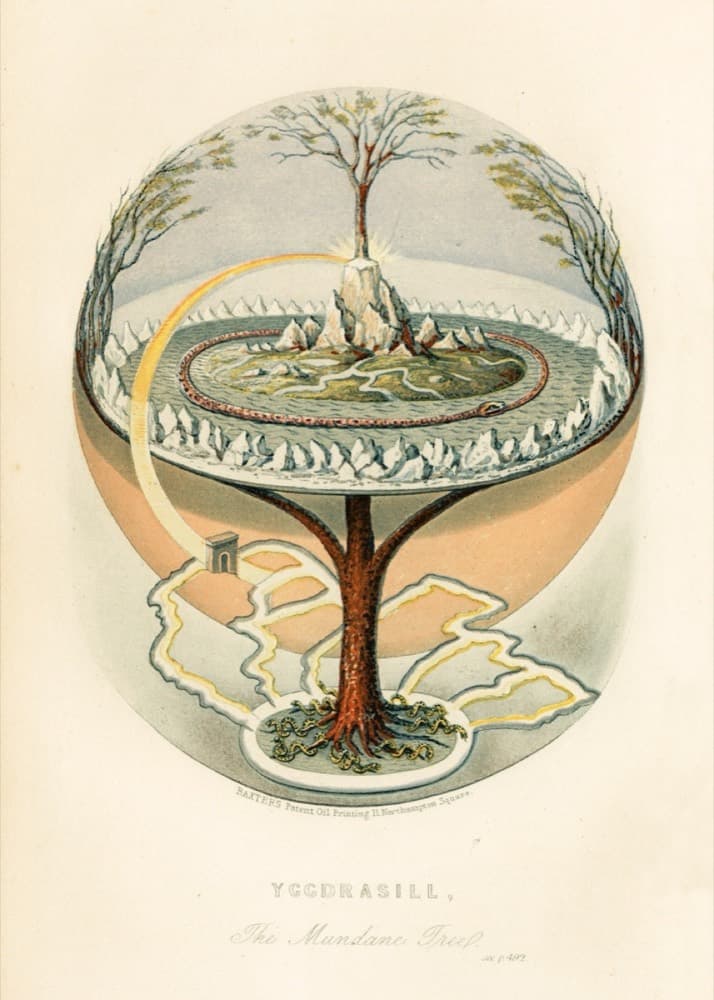
The cosmos hangs on the great ash Yggdrasil, with nine worlds among its branches and roots: Asgard of the gods, Midgard of humankind, Jotunheim of the giants, and the misty realm of the dead below. Two divine tribes, the Aesir and the Vanir, merged after a primeval war; the gods marry giants and kill them in roughly equal measure, dwarfs forge treasures underground, and the trickster Loki moves between all camps, sowing the seeds of the end.
What sets this mythology apart is its temper: the gods are mortal, and their doom is already written. Odin spends his wisdom learning the prophecy of his own death in the wolf's jaws, then feasts and arms his warriors anyway, fighting a battle he knows is lost. That cold fatalism, paired with the promise that the earth will rise green from the sea a second time, has been retold ever since, from Wagner's Ring cycle to Tolkien's Middle-earth to the films and games of the present day.
Opening the origin story…
№ 001Norse
巴德尔
The Shining God, Fairest of the Aesir
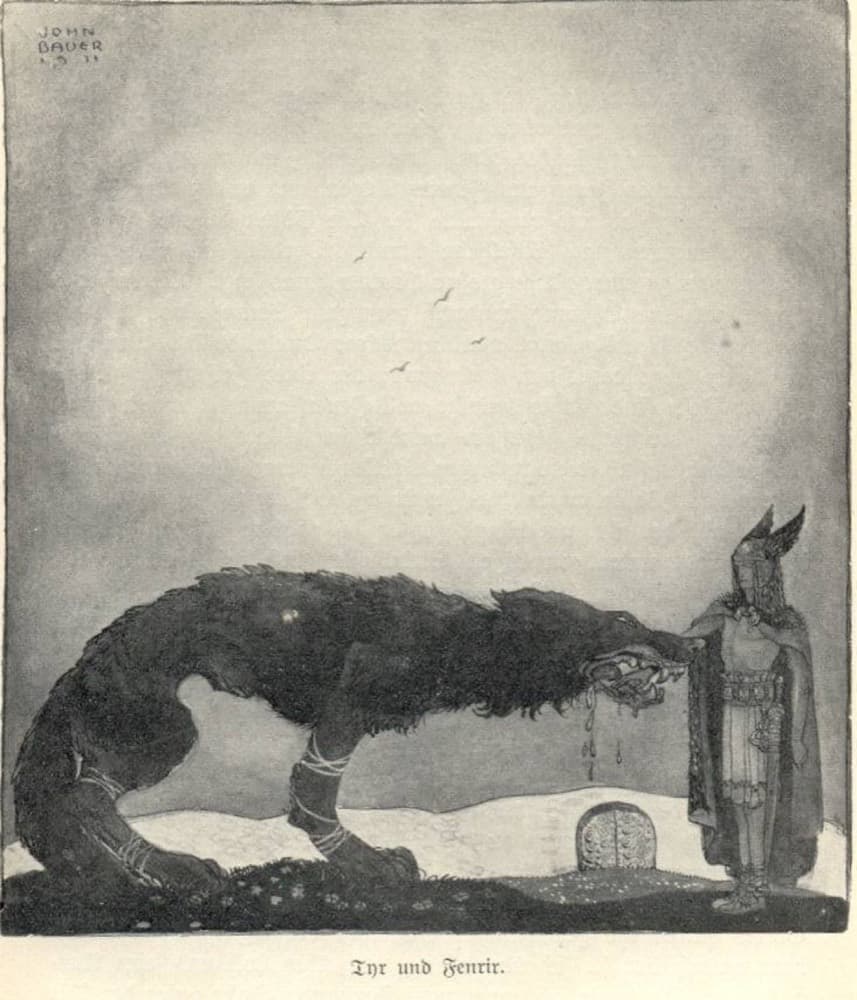 № 002
№ 002Norse
芬里尔
The Great Wolf Fated to Devour Odin
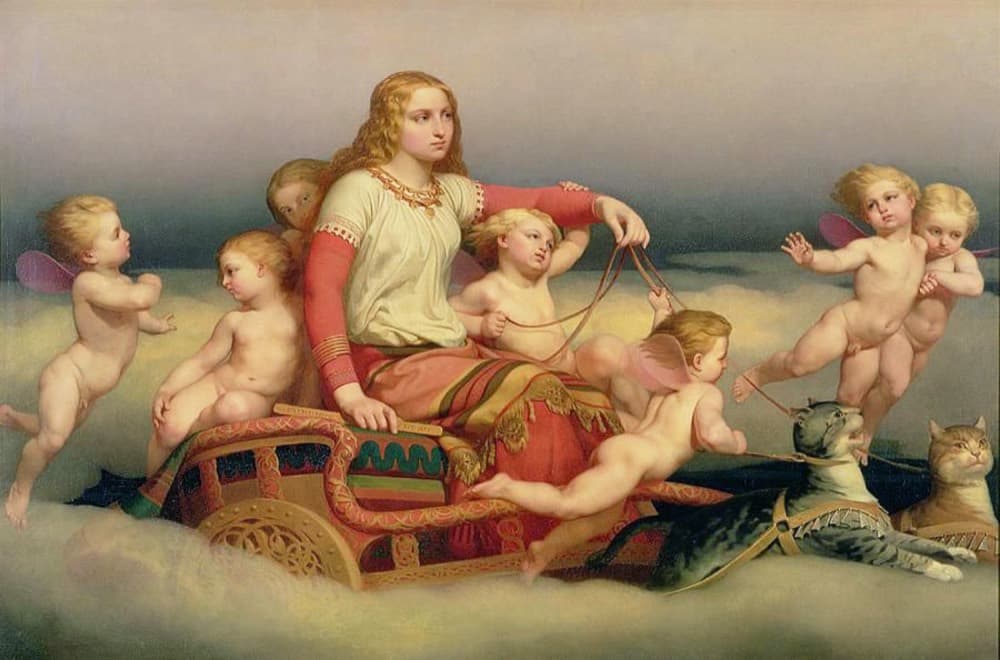 № 003
№ 003Norse
弗蕾亚
Goddess of Love and Fertility, Chooser of the Slain
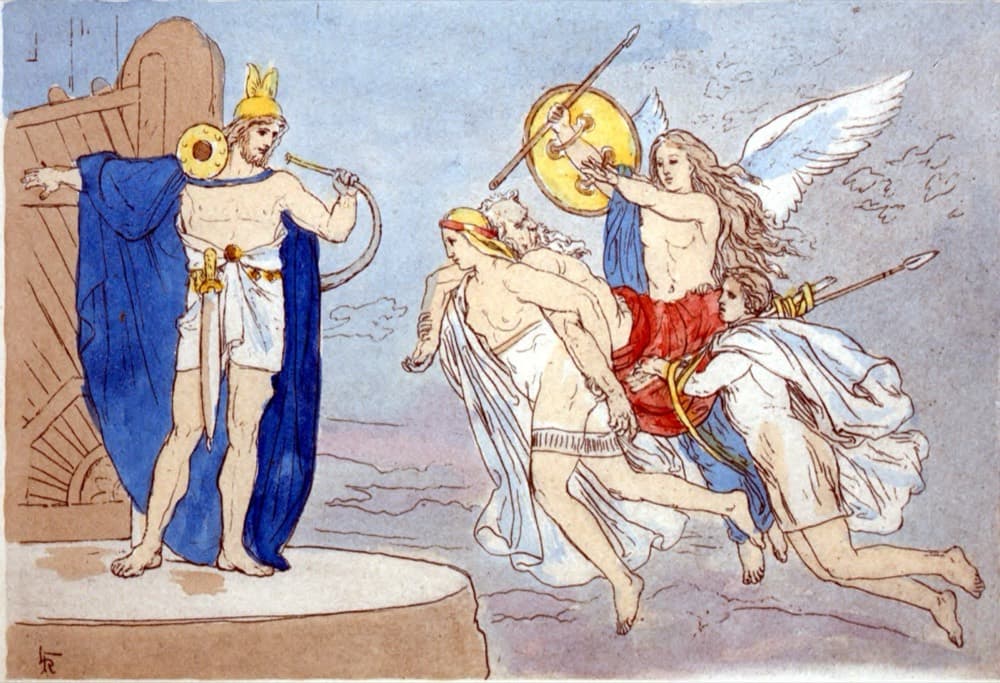 № 004
№ 004Norse
海姆达尔
Watchman of the Gods, Sentinel of the Rainbow Bridge
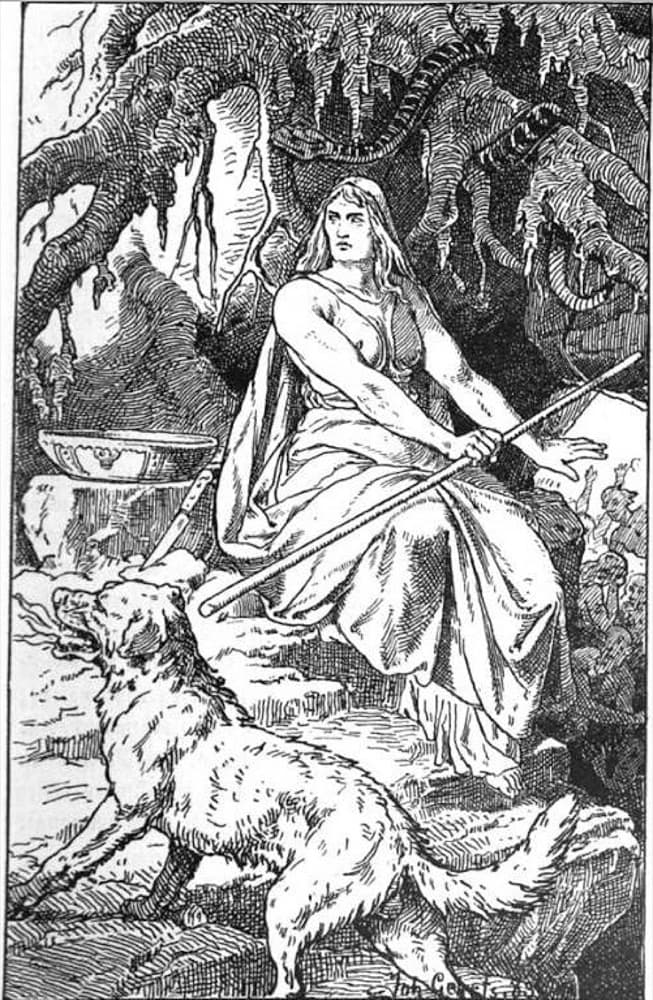 № 005
№ 005Norse
赫尔
Queen of the Realm of the Dead
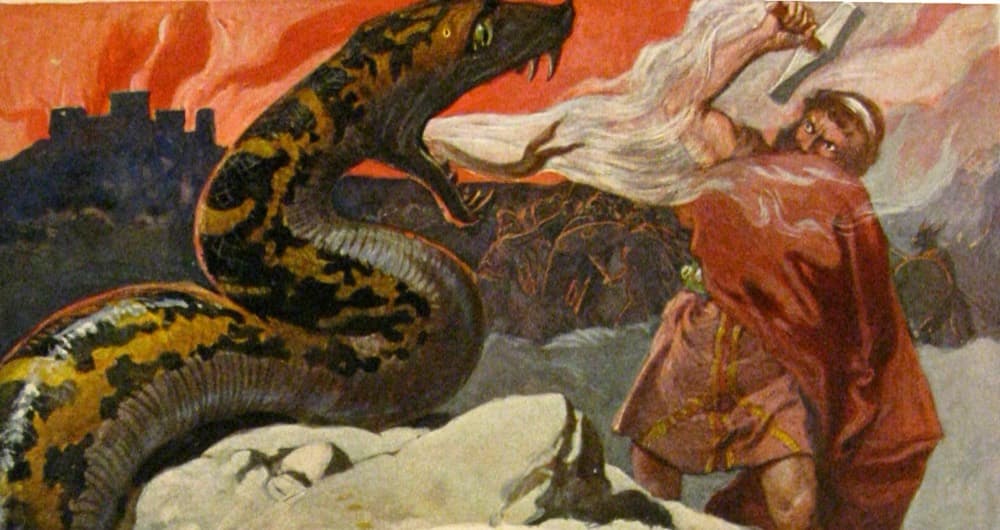 № 006
№ 006Norse
耶梦加得
The Midgard Serpent Encircling the World
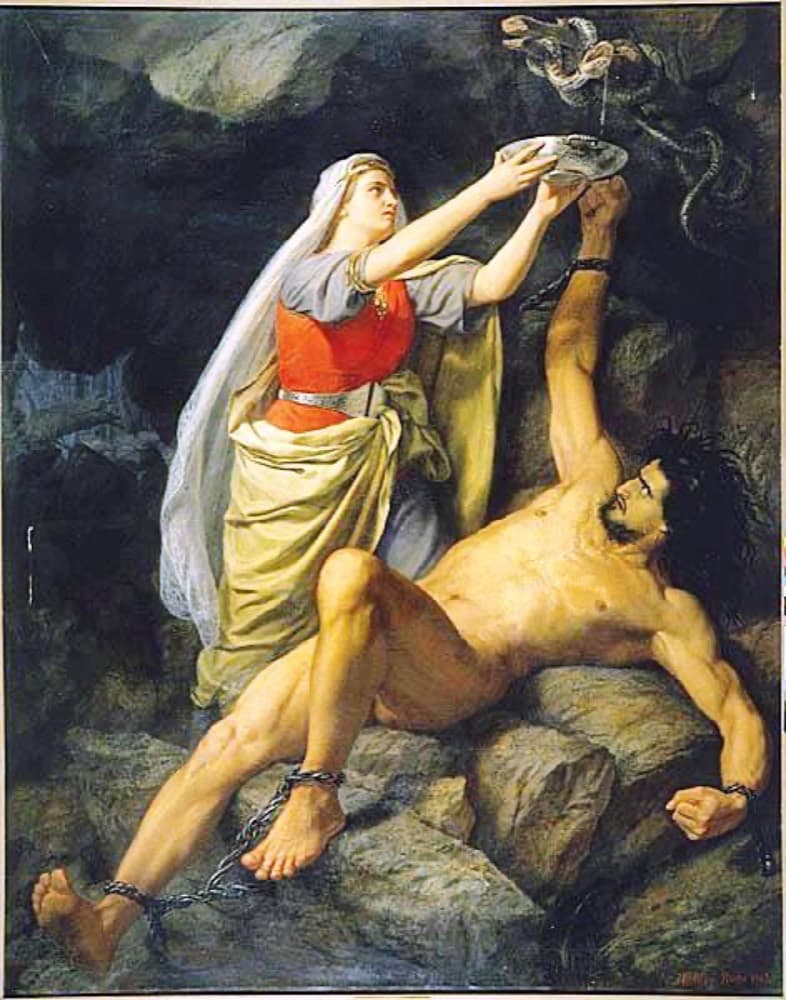 № 007
№ 007Norse
洛基
The Trickster, Bane of the Gods
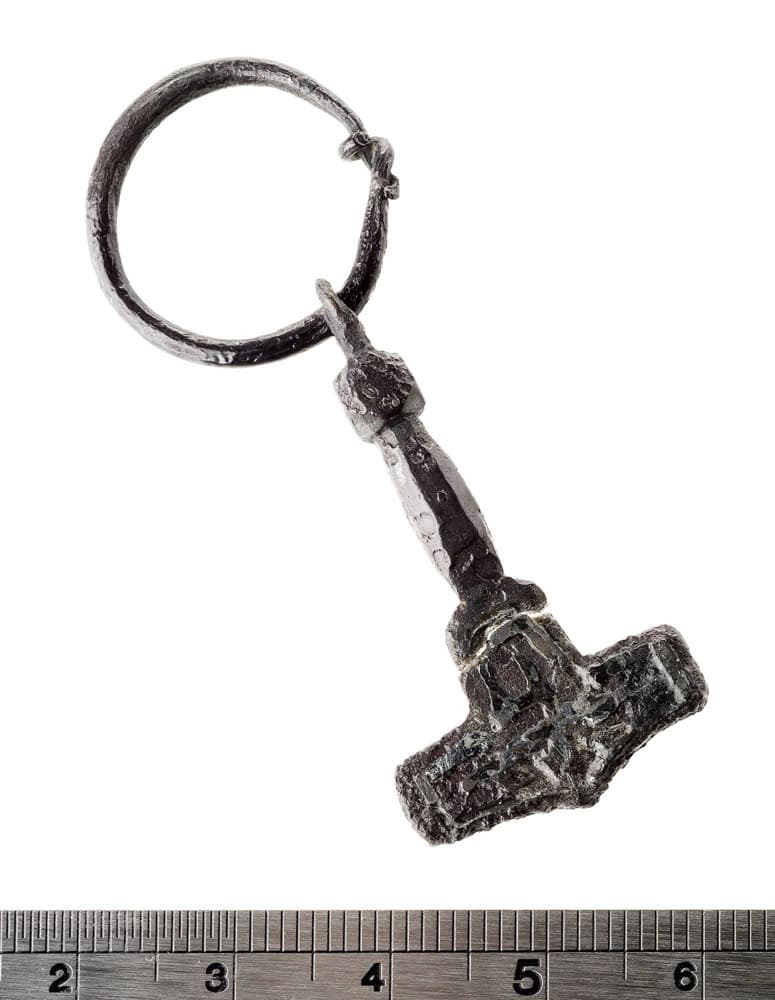 № 008
№ 008Norse
妙尔尼尔
The Thunder Hammer of Thor
 № 009
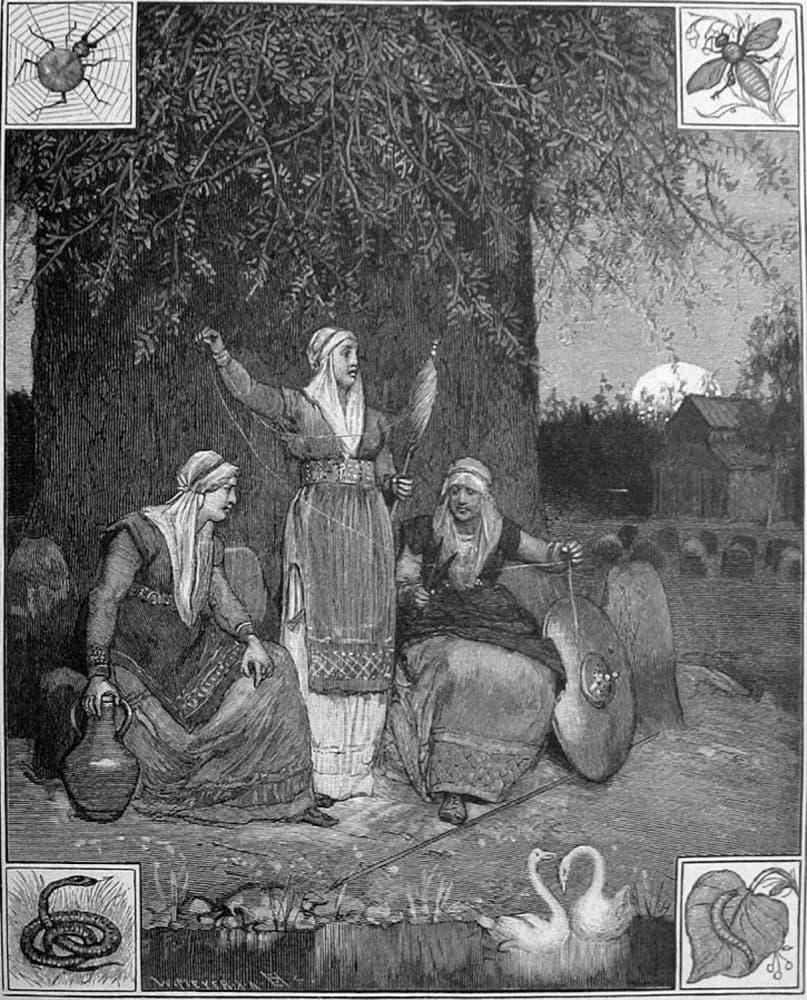
№ 009Norse
诺伦三女神
The Three Sisters Who Decree Fate Beneath the World Tree
 № 010
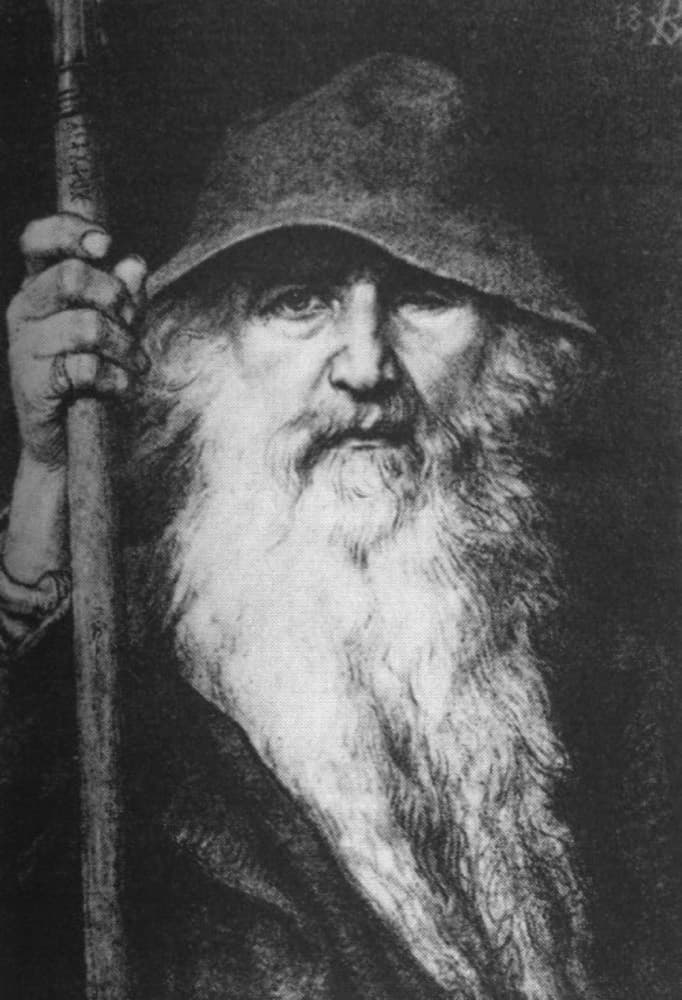
№ 010Norse
奥丁
Allfather, God of War and Wisdom
 № 011
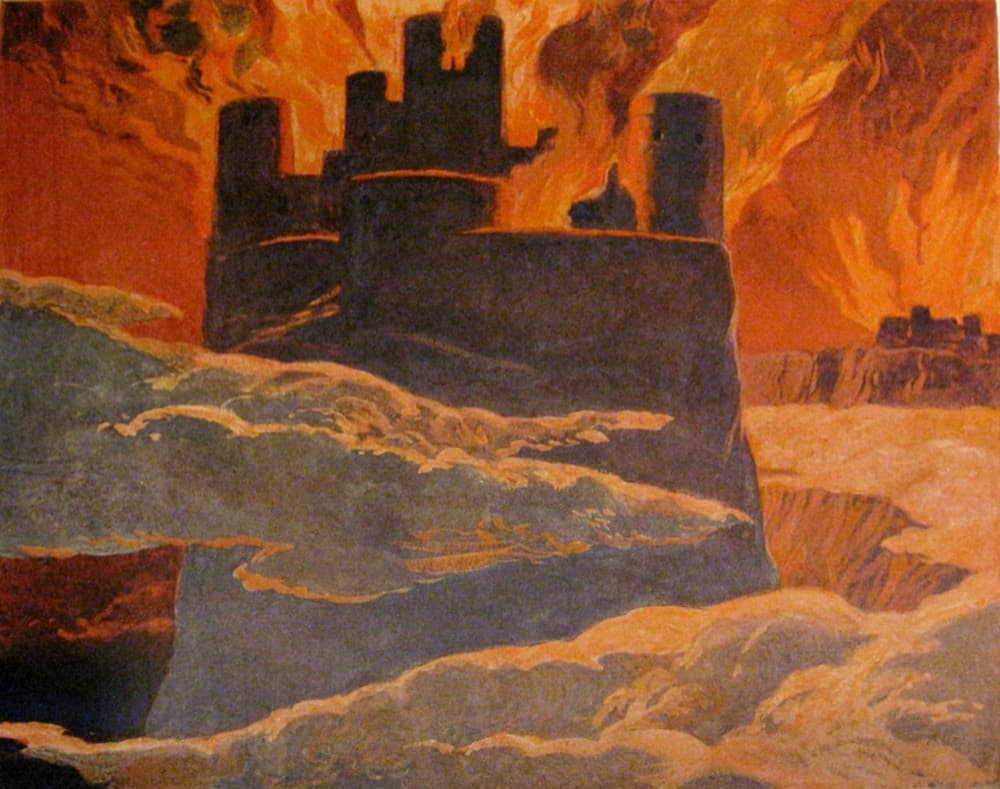
№ 011Norse
诸神黄昏
The Doom of the Gods and the Rebirth of the World
 № 012
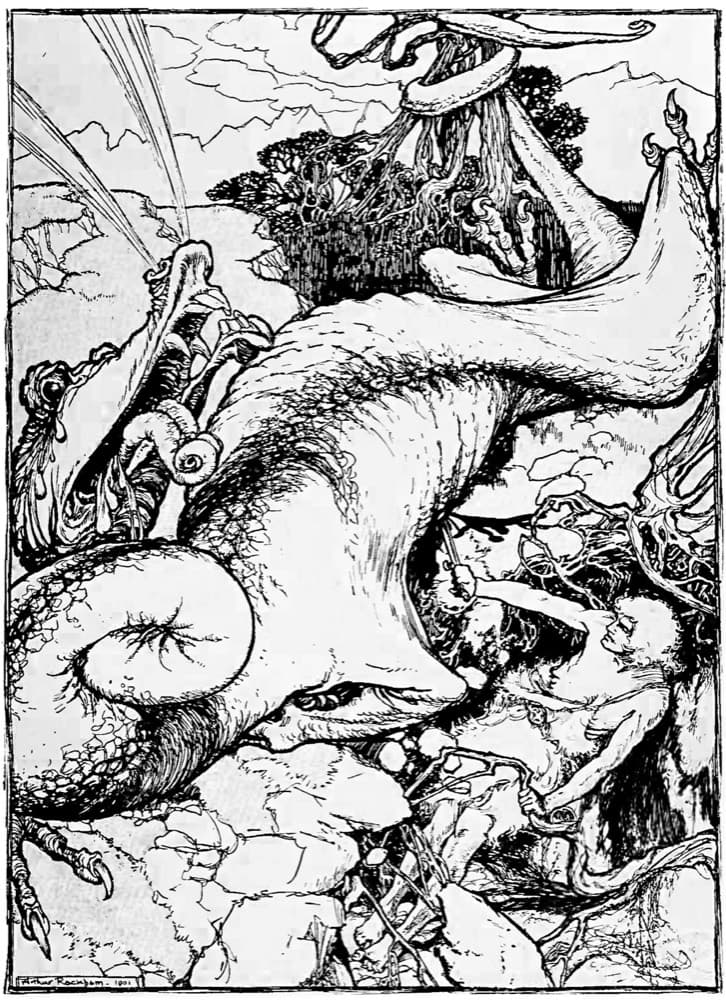
№ 012Norse
齐格鲁德
The Dragon-Slayer of the Volsung Line
 № 013
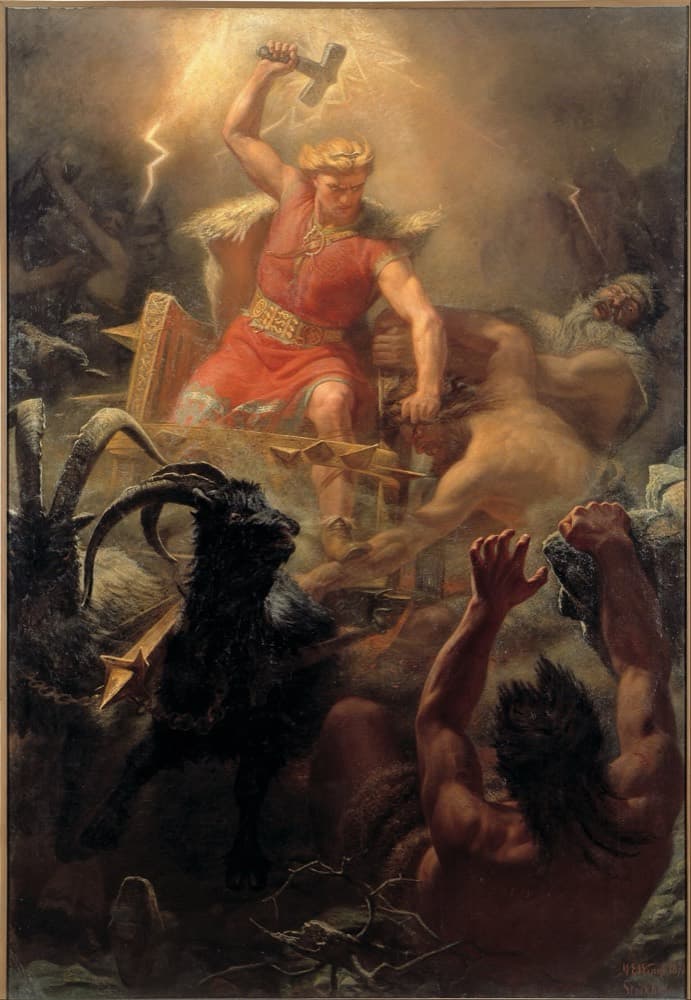
№ 013Norse
托尔
God of Thunder, Defender of Gods and Men
 № 014
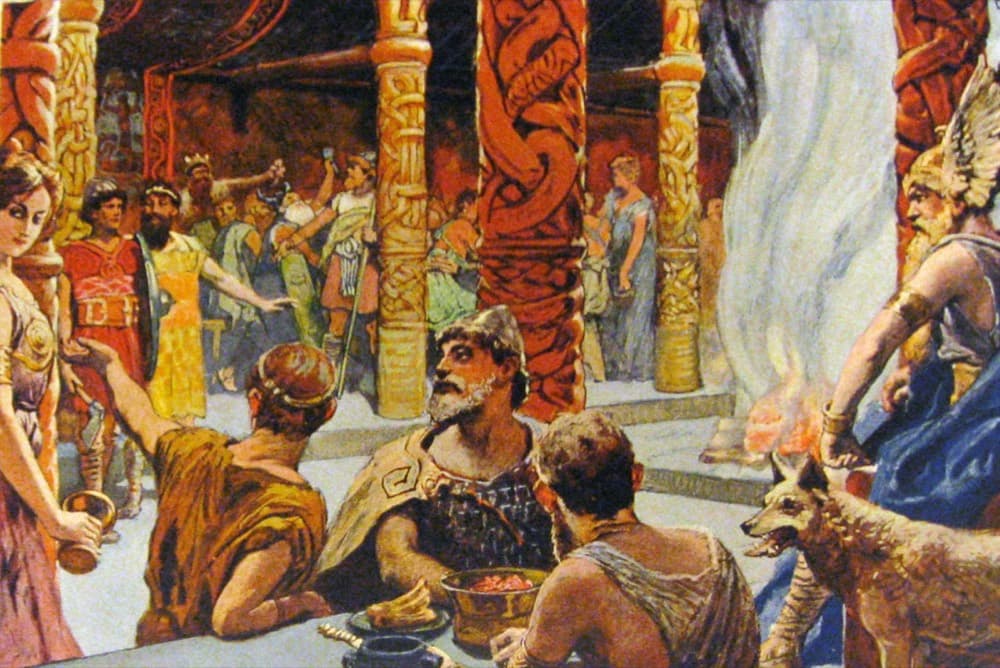
№ 014Norse
瓦尔哈拉
Odin's Hall of the Slain
 № 015
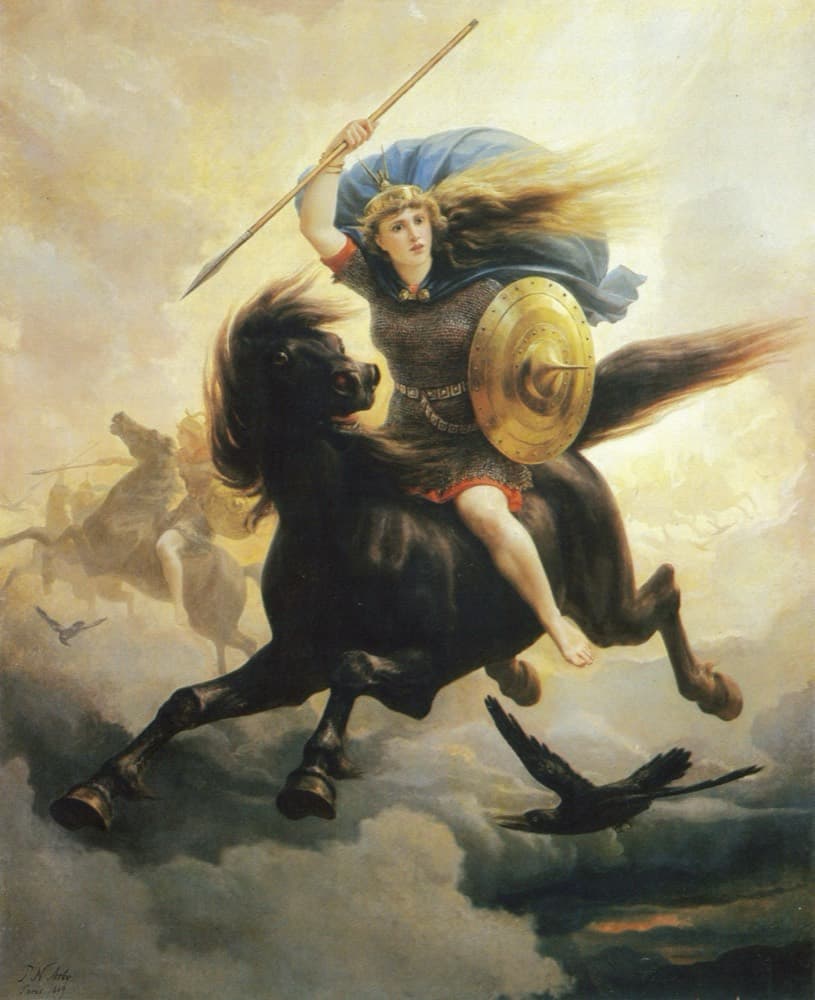
№ 015Norse
瓦尔基里
Choosers of the Slain
 № 016
№ 016Norse
世界树尤克特拉希尔
The World Ash That Binds the Nine Worlds