THE STORY & ITS AFTERLIVES
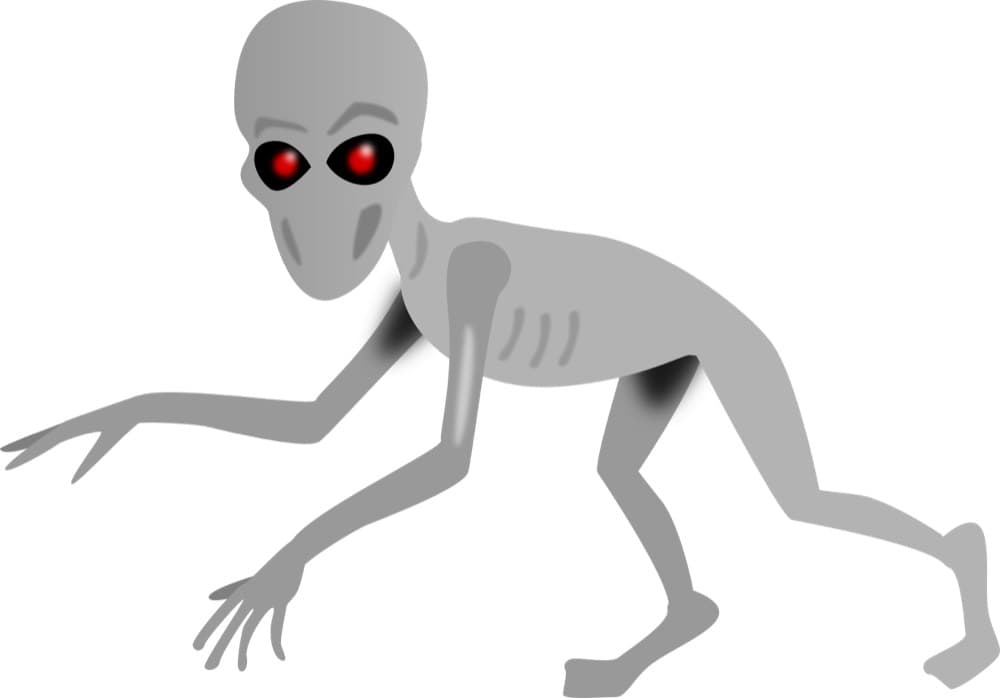
On the evening of August 21, 1955, eleven people of two families were gathered at the Sutton farmhouse in Kelly, north of Hopkinsville, Kentucky. Billy Ray Taylor, a visiting friend, went out for water and returned saying a glowing object had dropped into a nearby gully; nobody believed him. An hour later the dog began barking, and two armed men stepped outside to meet a creature about a meter tall walking toward the house: silvery metallic sheen, oversized head, huge pointed ears, glowing yellow eyes, long thin arms ending in claws. They fired; it sounded like bullets striking a metal drum, and the thing flipped over and scuttled into the dark. For hours, similar beings appeared at windows, on the roof, in the trees — one reached down from the eaves and raked at a man's hair — and gunfire accomplished nothing. Around midnight all eleven crowded into two cars and fled to the Hopkinsville police station.
The chief led officers back that night and found bullet holes, broken windows, and a luminous patch of grass, but no creatures; after the police left near dawn, the family said the beings returned until first light. The Kentucky New Era ran the story on its front page, and it went national within days. The Suttons never sought money from the tale and were instead plagued by sightseers. The Air Force never sent investigators to the farm; the standard account is Isabel Davis and Ted Bloecher's exhaustive 1978 report Close Encounter at Kelly and Others of 1955.
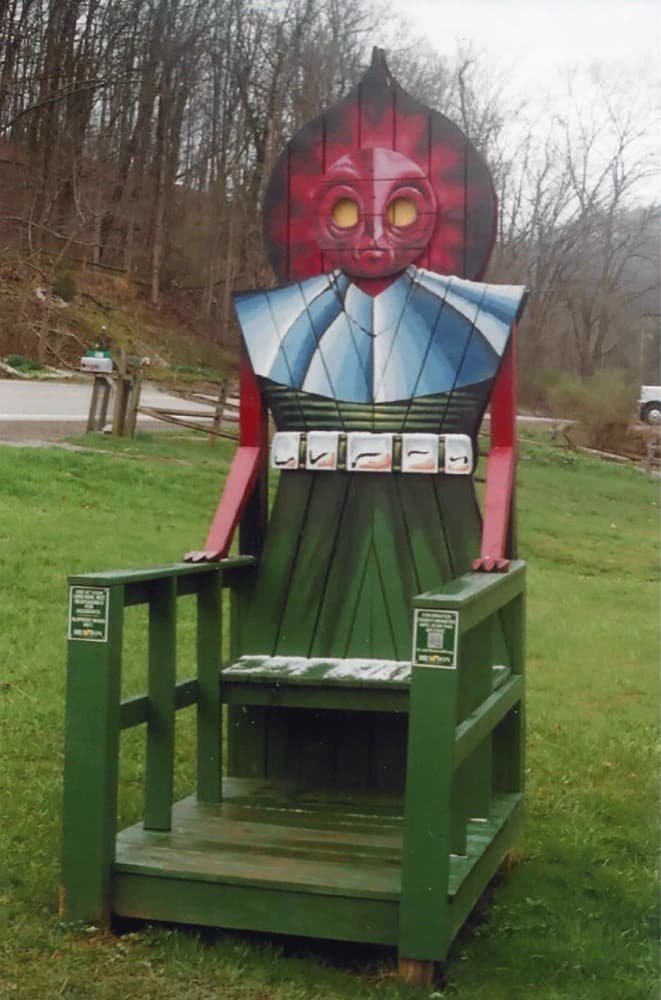
The strongest skeptical reading blames a pair of nest-defending great horned owls magnified by darkness and panic, though witnesses insisted no one had been drinking. The case supercharged the phrase "little green men" — the beings turned green in retellings — influenced films from E.T. to Gremlins by way of Spielberg lore, and Kelly now throws a Little Green Men festival every August.