 № 001
№ 001Guaraní
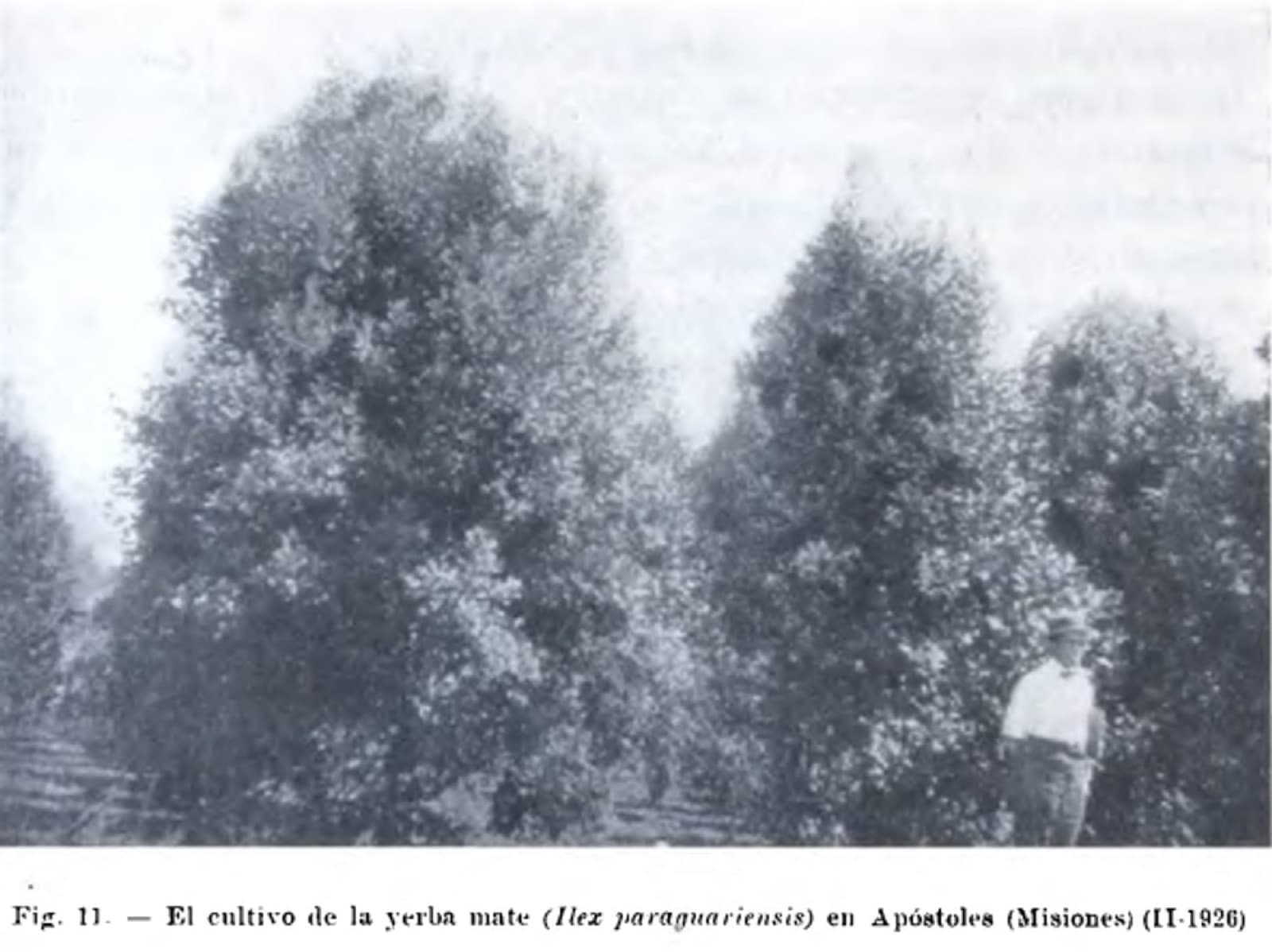
Jakaira
Ancient
雅卡伊拉
Life-Giving Mist Leaves His Mouth and the Leaves Remember Green
Divine lineages · 24
“Guaraní mythology” is neither one book nor the single voice of one people. Mbya, Apapocuva, Paĩ Tavyterã, Ava, and other communities across Paraguay, Brazil, Argentina, and Bolivia keep distinct sacred songs, migration memories, and ethics of the forest. León Cadogan’s mid-twentieth-century Ayvu Rapyta, The Foundation of Human Language, carried the Mbya elders’ “beautiful words” into print: Ñamandu manifests from his own faint radiance before earth or sky, establishes sacred speech, and only then unfolds the world. The page holds an ember of ritual sound; it cannot replace the names spoken inside the prayer house.
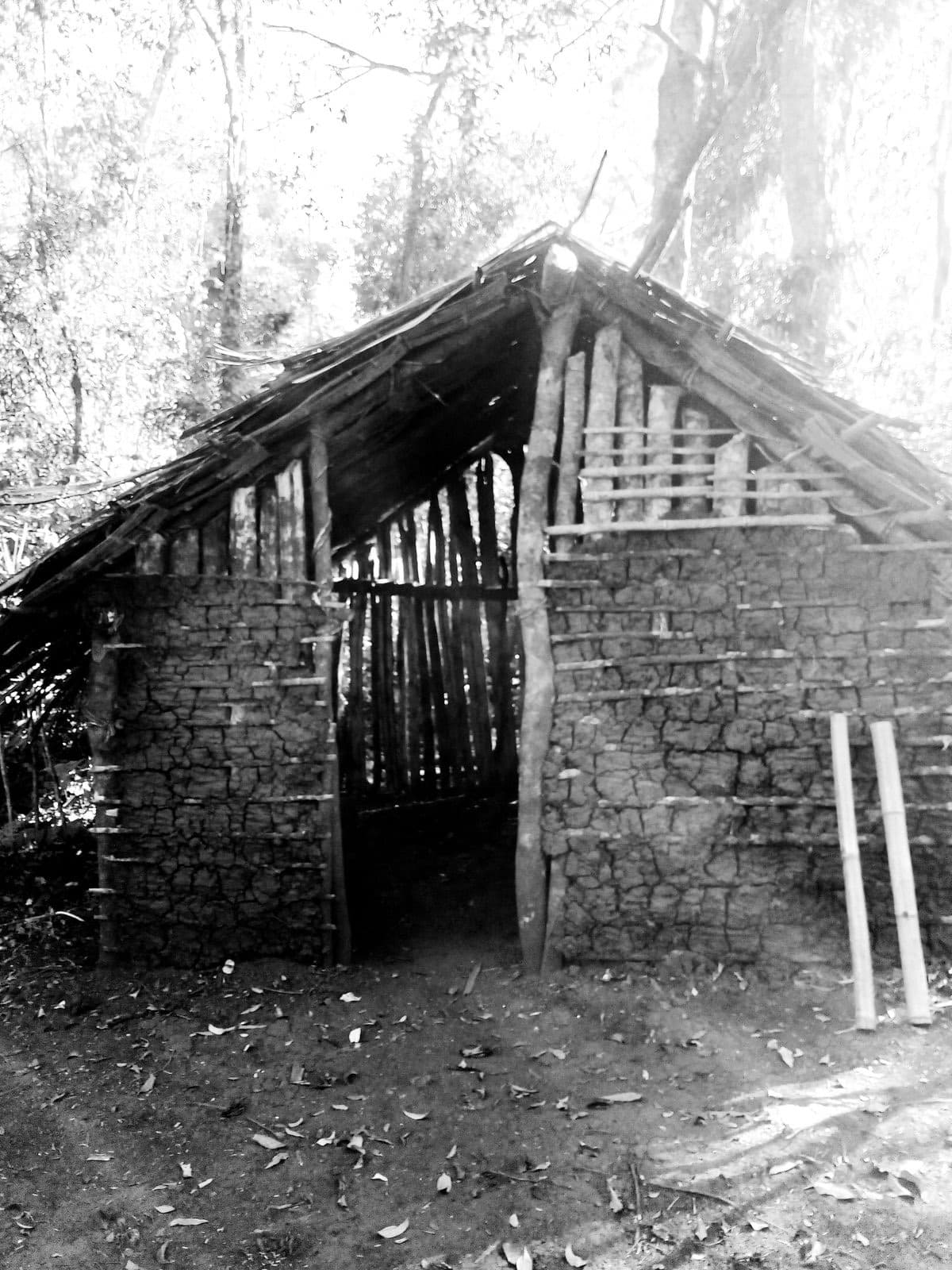
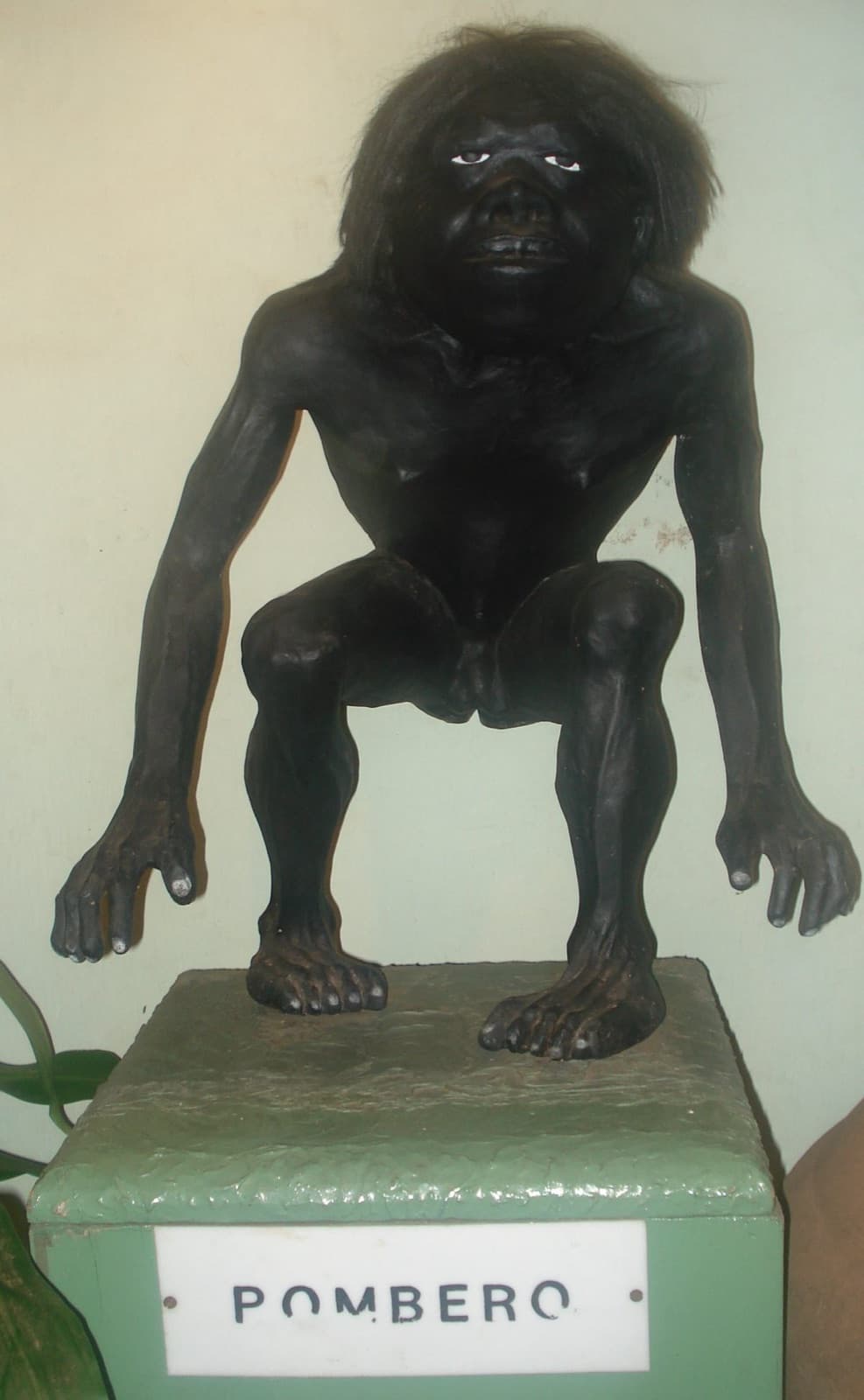
This atlas also includes Paraguay’s celebrated Pombero, Jasy Jatere, and Kurupi, while keeping them distinct from Mbya sacred song. The popular cycle of Tau and Kerana’s seven monstrous children was fixed above all by Narciso Colmán’s 1929 Guaraní poem Ñande Ypy Kuéra. It is a modern literary synthesis rooted in folklore, not a lost scripture once shared unchanged by every Guaraní community. The divine fathers of the sacred songs tend flame, mist, thunder, and the soul’s word; the later legendary beings patrol siesta, forest edge, and night road. The two layers reflect one another. One asks how a world grows from language; the other warns that the forest has never become a country belonging only to humankind.
Opening the origin story…
№ 001Guaraní
雅卡伊拉
Life-Giving Mist Leaves His Mouth and the Leaves Remember Green
 № 002
№ 002Guaraní
贾西·亚特雷
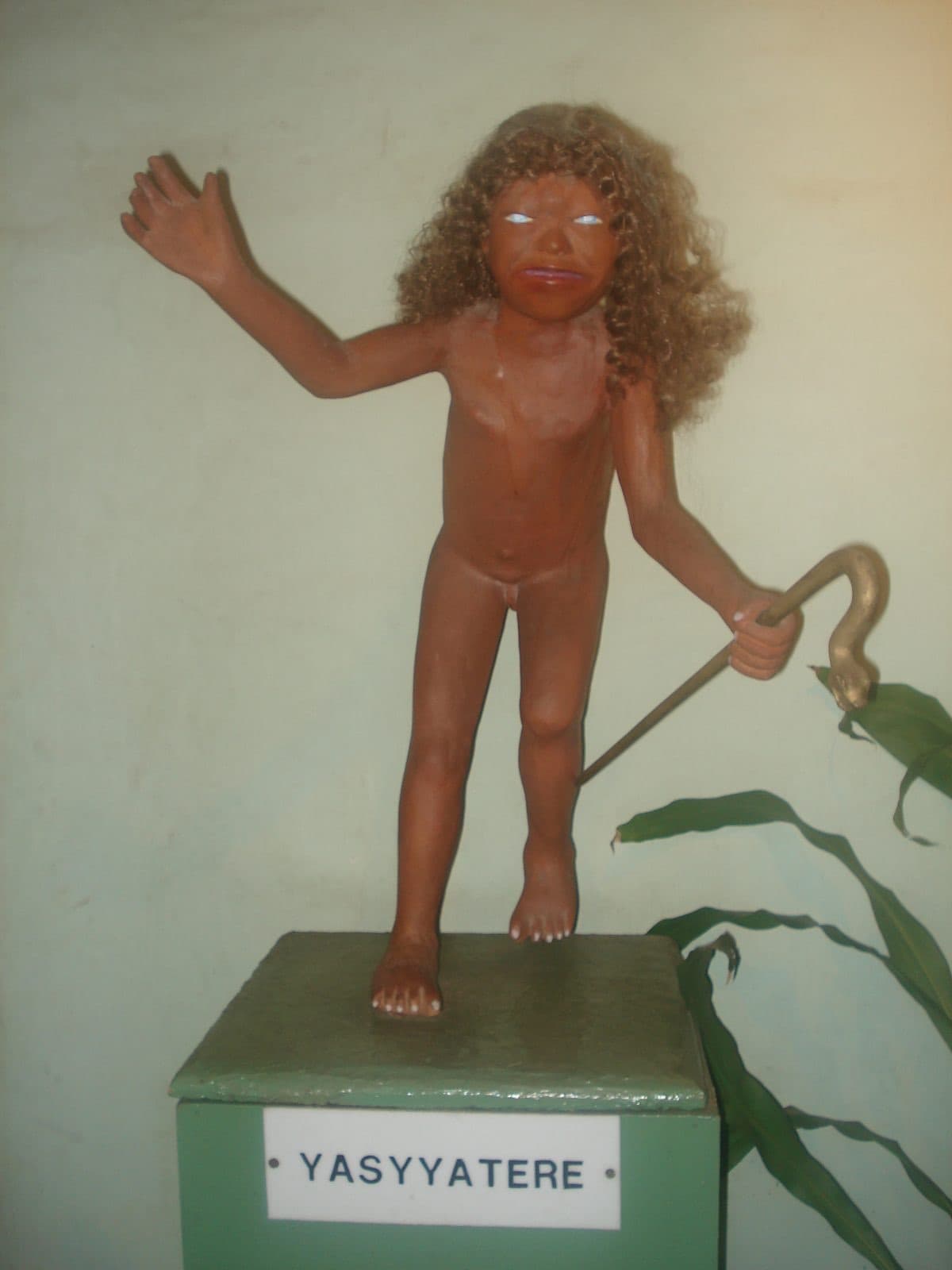
At the Stillest Hour of Noon, a Golden Staff Comes for the Wakeful Child
 № 003
№ 003Guaraní
卡拉伊
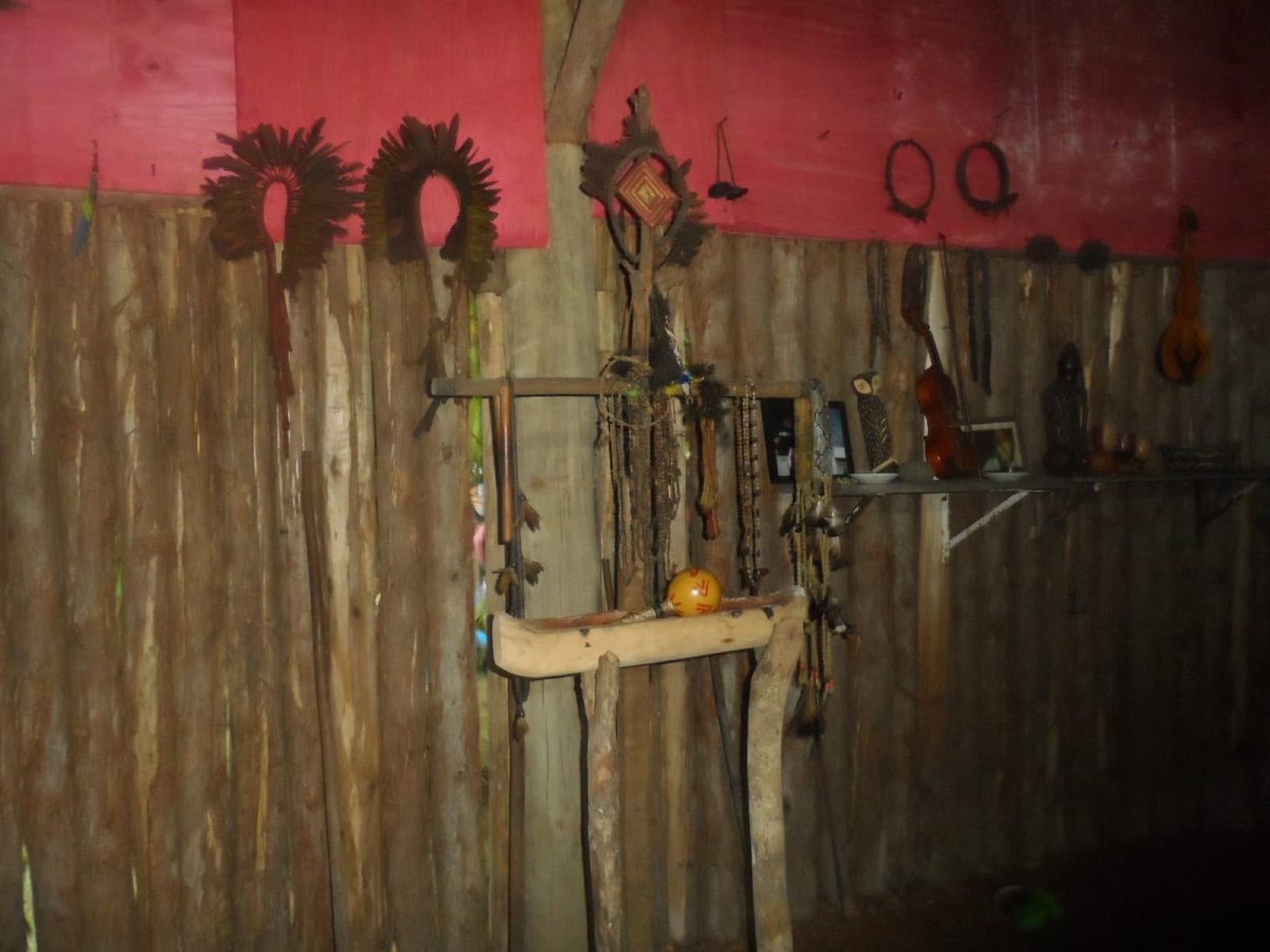
Father of Sacred Flame Guards Both Warmth and World-Ending Fire
 № 004
№ 004Guaraní
库鲁皮
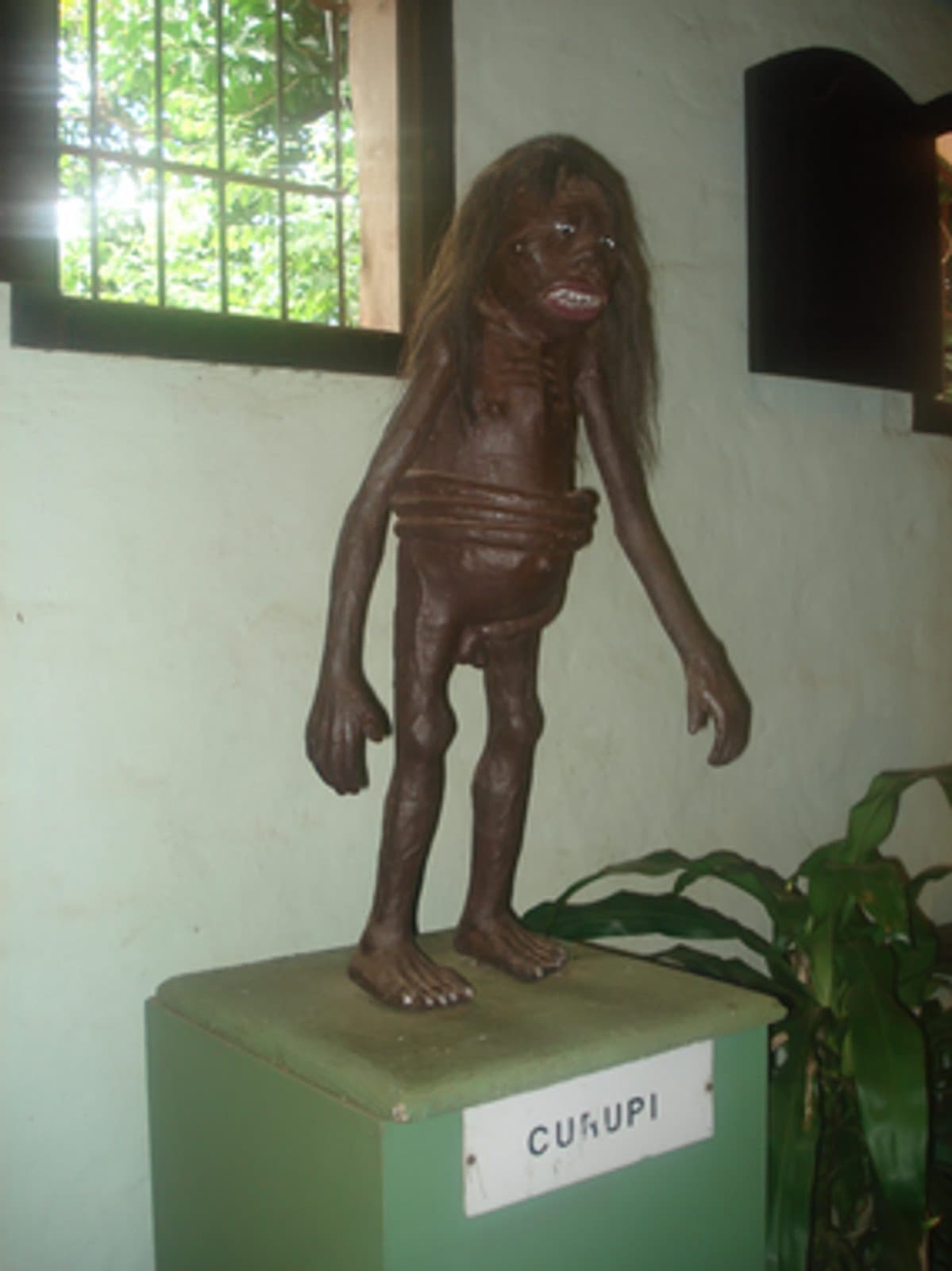
Wild Fertility Coils Around His Waist and Every Forest-Edge Taboo
 № 005
№ 005Guaraní
尼亚曼杜
Before Earth, the Divine Rose from Its Own Light and Established Speech
 № 006
№ 006Guaraní
波姆贝罗
The Lord of Night Circles the House in Whistles Before Taking His Offering
 № 007
№ 007Guaraní
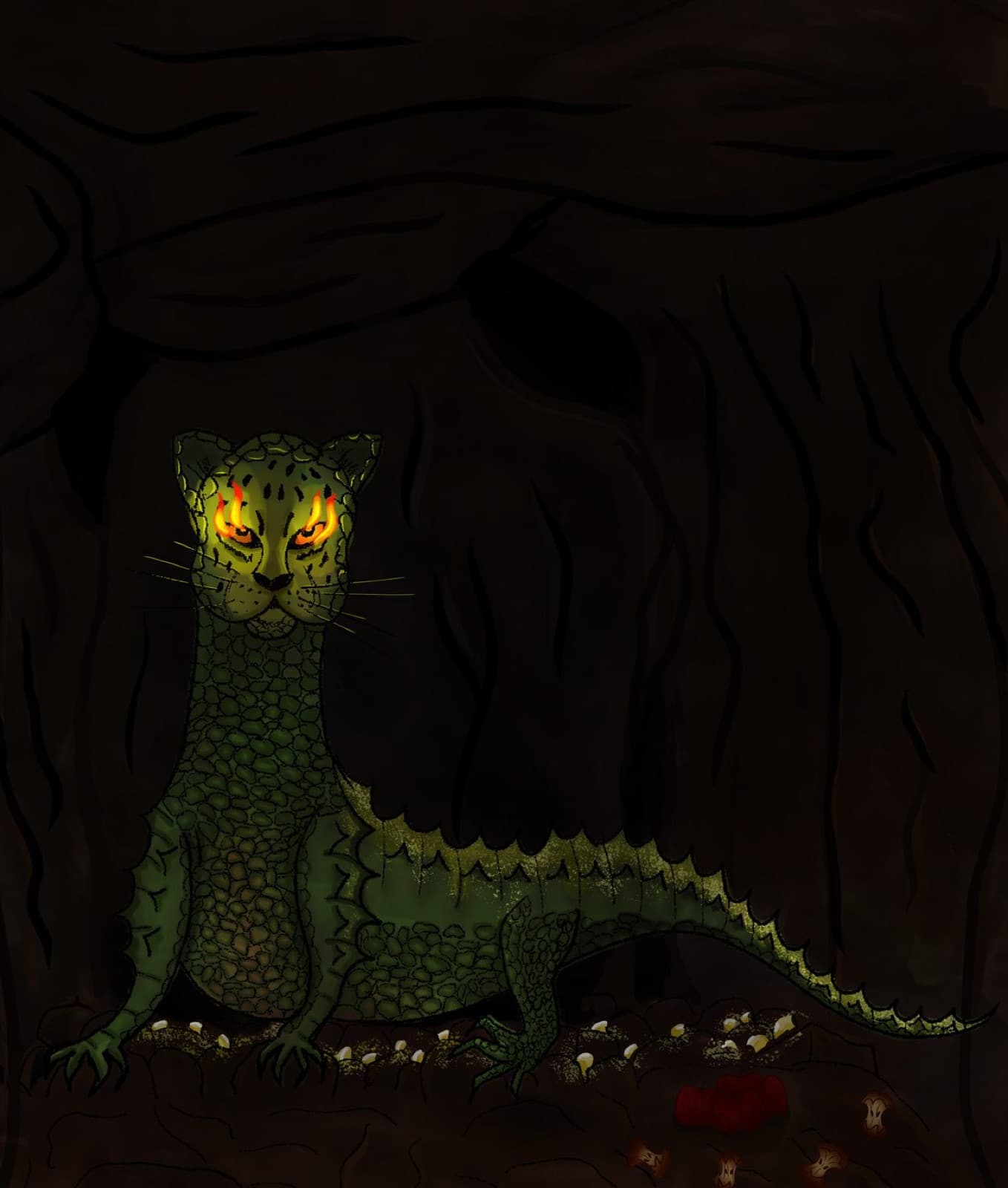
特茹·哈瓜
Seven Dog Heads Guard the Cavern Above a Lizard Body Unable to Roam
 № 008
№ 008Guaraní
图帕
Thunder Is Not His Weapon; Thunder Is the Name of His Arrival